Helianthus Tuberosus (Jerusalem Artichoke)
Helianthus tuberosus, commonly known as Jerusalem artichoke, is a species of sunflower native to eastern North America. Despite its name, Jerusalem.


Introduction
Helianthus tuberosus, commonly known as Jerusalem artichoke, is a species of sunflower native to eastern North America. Despite its name, Jerusalem artichoke is neither related to artichokes nor is it from Jerusalem; rather, it is a member of the sunflower family and is valued for its edible tubers. In this comprehensive guide, we will delve into the many facets of Helianthus tuberosus, including its cultivation, uses, benefits, and much more.
What is Helianthus tuberosus (Jerusalem Artichoke)?
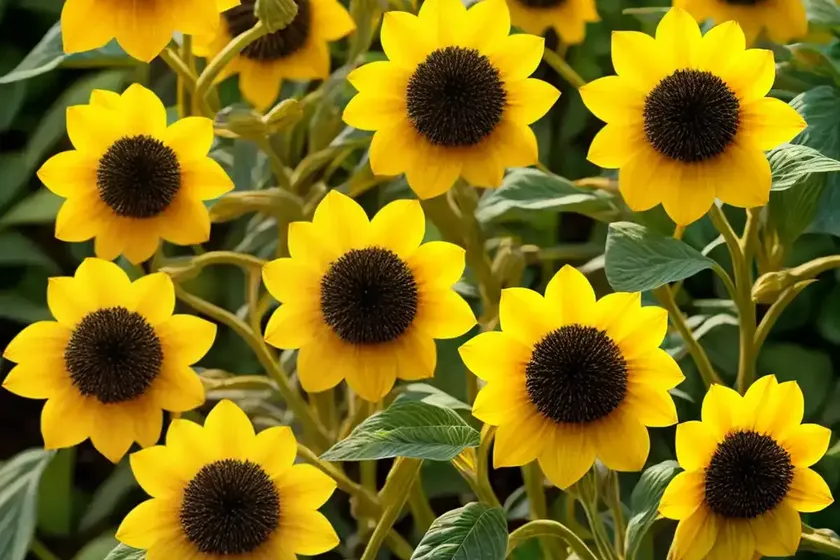
Helianthus tuberosus, known more commonly as Jerusalem artichoke, is a perennial sunflower that grows up to 10 feet in height. It features bright yellow flowers and a knobby, edible tuber that is harvested for various culinary and medicinal purposes. This plant has been utilized by indigenous peoples for centuries, appreciated for its resilience and versatility.
Key Takeaways
Here are some key takeaways about Helianthus tuberosus:
- Scientific Name: Helianthus tuberosus
- Common Name: Jerusalem Artichoke
- Family: Asteraceae
- Native To: Eastern North America
- Primary Uses: Edible tubers for culinary and medicinal purposes
Let’s further explore the various aspects of Helianthus tuberosus, including culture, uses, cultivation, health benefits, and much more.
Culture
Understanding the cultural requirements of Helianthus tuberosus is crucial for its successful growth and development. Let’s delve into the cultural aspects of this fascinating plant.
Water
Jerusalem artichokes thrive in moist, well-drained soil. Adequate watering is essential, especially during dry spells. However, excessive waterlogging should be avoided to prevent rot and fungal diseases.
Sunlight
As a sunflower species, Helianthus tuberosus flourishes in full sun. It requires a minimum of 6 to 8 hours of direct sunlight daily to thrive and produce healthy tubers.
Fertilizer
Jerusalem artichokes are not heavy feeders, and excessive fertilization can lead to excessive foliage growth at the expense of tuber development. A balanced fertilizer with a slightly higher potassium content is suitable for promoting tuber formation.
Soil
The ideal soil for growing Helianthus tuberosus is well-draining, loamy soil with a slightly acidic to neutral pH. Sandy loam or loamy soil types are preferable, as they promote good tuber development and prevent waterlogging.
Pruning
While Jerusalem artichokes do not require extensive pruning, removing dead or damaged foliage can promote air circulation and reduce the risk of disease. Pruning can also enhance the aesthetic appeal of the plant.
Uses
Helianthus tuberosus offers a multitude of uses, ranging from culinary applications to medicinal properties. Let’s explore the diverse uses of Jerusalem artichoke in detail.
Culinary Uses
The tubers of Helianthus tuberosus are the primary edible part of the plant. They can be enjoyed in various culinary preparations, including:
- Roasted
- Boiled
- Sauteed
- Raw in salads
- Pureed into soups
- Pickled
Jerusalem artichokes have a unique, nutty flavor that adds depth to dishes, making them a versatile addition to the culinary world. The tubers can also be used as a potato substitute in many recipes, offering a healthier alternative.
Nutritional Value
Jerusalem artichokes are not only delicious but also packed with essential nutrients. They are a good source of fiber, potassium, iron, and various vitamins. Their low glycemic index makes them an attractive option for individuals seeking to manage their blood sugar levels.
Medicinal Properties
In addition to their culinary appeal, Helianthus tuberosus possesses medicinal properties. It is recognized for its prebiotic properties, supporting gut health and digestion. The tubers also contain inulin, a type of soluble fiber that offers various health benefits.
Wildlife Benefits
Beyond human uses, Jerusalem artichokes provide wildlife benefits, serving as a valuable food source for various animals, including deer, rabbits, and birds. The plant’s flowers also attract pollinators, contributing to the biodiversity of the ecosystem.
How to Grow Helianthus tuberosus
Cultivating Helianthus tuberosus in your garden or homestead can be a rewarding experience. Here’s a step-by-step guide on how to grow Jerusalem artichoke successfully.
Planting Guide
1. Site Selection: Choose a sunny location with well-drained soil. Avoid low-lying areas that are prone to waterlogging.
2. Planting Time: In most regions, plant Jerusalem artichoke tubers in early spring after the last frost has passed.
3. Spacing: Space tubers approximately 12 to 18 inches apart in rows, allowing sufficient room for growth.
4. Planting Depth: Plant tubers 2 to 4 inches deep with the eyes facing upward.
5. Watering: Keep the soil consistently moist, especially during the tuber initiation and development stages.
6. Mulching: Apply a layer of organic mulch to conserve moisture and suppress weed growth.
7. Support: If growing tall varieties, provide stakes or support to prevent stem breakage in windy conditions.
8. Harvesting: Harvest the tubers in late fall or early winter after the plant’s foliage has died back.
By following these guidelines, you can cultivate healthy and robust Jerusalem artichoke plants in your garden.
Health Benefits of Jerusalem Artichoke
The consumption of Helianthus tuberosus offers a range of health benefits, making it a valuable addition to a balanced diet. Here are some of the notable health benefits of Jerusalem artichoke:
Digestive Health
Jerusalem artichokes are rich in inulin, a prebiotic fiber that supports gut health by promoting the growth of beneficial gut bacteria. This, in turn, aids digestion and may alleviate certain digestive issues.
Blood Sugar Management
The soluble fiber found in Jerusalem artichokes may help regulate blood sugar levels, offering potential benefits for individuals with diabetes or those aiming to manage their blood glucose.
Weight Management
Due to their high fiber content and low-calorie profile, Jerusalem artichokes can help promote satiety and support weight management when included as part of a balanced diet.
Nutrient Density
Jerusalem artichokes are a good source of essential nutrients, including potassium, iron, and various vitamins, contributing to overall health and well-being.
These health benefits underscore the nutritional value and wellness potential of Helianthus tuberosus, showcasing it as a wholesome ingredient for various dietary needs.
Jerusalem Artichoke Cultivation Tips
Cultivating Jerusalem artichokes successfully requires attention to specific cultivation tips to ensure optimal growth and yields. Here are some cultivation tips for growing Helianthus tuberosus:
Soil Requirements
Jerusalem artichokes thrive in well-drained, loamy soil with a slightly acidic to neutral pH. Amending the soil with organic matter can improve its texture and fertility, promoting healthy tuber development.
Sun Exposure
Full sun exposure is essential for the vigorous growth of Jerusalem artichokes. Choose a sunny location in your garden or field to provide the plant with the necessary light for photosynthesis and overall development.
Water Requirements
Maintain consistent soil moisture throughout the growing season, especially during tuber initiation and development. Adequate watering promotes healthy tuber formation and prevents the plant from wilting during dry spells.
Planting Depth
Plant Jerusalem artichoke tubers at a depth of 2 to 4 inches, ensuring that the eyes are facing upward for proper sprouting. Adequate planting depth contributes to sturdy plant establishment and vigorous growth.
Harvesting Techniques
When harvesting Jerusalem artichokes, carefully dig around the base of the plant to unearth the tubers. Exercise caution to avoid damaging the tubers during the harvesting process, as they are delicate and can bruise easily.
By adhering to these cultivation tips, growers can maximize the potential of their Jerusalem artichoke harvest and enjoy robust, healthy plants.
Nutrition Facts of Helianthus tuberosus
Understanding the nutritional composition of Helianthus tuberosus is essential for incorporating it into a balanced diet. Here are the nutrition facts of Jerusalem artichoke based on a 100-gram serving:
Nutrient
- Calories: 73
- Carbohydrates: 17g
- Fiber: 1.6g
- Protein: 2g
- Fat: 0.2g
- Vitamin C: 4.2mg
- Potassium: 429mg
- Iron: 3.4mg
These nutrition facts underscore the valuable nutritional content of Jerusalem artichoke, making it a wholesome addition to various culinary dishes.
Jerusalem Artichoke Varieties
While Helianthus tuberosus is the primary species cultivated for its edible tubers, there are several Jerusalem artichoke varieties that offer diverse characteristics and flavors. Let’s explore some popular Jerusalem artichoke varieties:
Stampede
Stampede Jerusalem artichoke is known for its high tuber yields and robust growth. It produces smooth, elongated tubers with a rich, nutty flavor, making it a favorite for culinary preparations.
White Fuseau
White Fuseau Jerusalem artichoke features white-skinned, elongated tubers with a slightly sweeter flavor compared to other varieties. It is prized for its culinary versatility and excellent tuber production.
Red Fuseau
Red Fuseau Jerusalem artichoke is distinguished by its red-hued skin and firm, flavorful tubers. This variety offers a unique aesthetic appeal and adds visual interest to culinary creations.
Dwarf Sunray
Dwarf Sunray Jerusalem artichoke is a compact variety that is well-suited for smaller garden spaces. Despite its diminutive stature, it yields abundant, flavorful tubers with a delightful, nutty taste.
These varieties showcase the diversity of Jerusalem artichokes, providing options for growers and culinary enthusiasts to explore and enjoy.
Jerusalem Artichoke in the Kitchen
In the culinary world, Helianthus tuberosus is celebrated for its versatility and unique flavor profile. Here are some creative ways to incorporate Jerusalem artichoke into your kitchen creations:
Soups and Stews
Jerusalem artichokes add depth and creaminess to soups and stews when pureed, offering a delightful nutty flavor and a velvety texture.
Roasted Delights
Roasting Jerusalem artichoke tubers brings out their natural sweetness and creates crispy, caramelized edges, making them a delectable side dish or snack.
Pickled Goodness
Pickling Jerusalem artichoke not only preserves its crisp texture but also infuses it with tangy, zesty flavors, creating an enticing addition to sandwiches and salads.
Creative Salads
Raw Jerusalem artichoke adds a crunchy texture and unique flavor to salads, providing a refreshing and nutritious twist to traditional salad compositions.
By embracing the culinary potential of Jerusalem artichoke, you can unlock a world of gastronomic delights and innovative recipes.
Jerusalem Artichoke Health Properties
Beyond its culinary appeal, Jerusalem artichoke possesses various health properties that make it a valuable ingredient for promoting overall wellness. Let’s explore some of the notable health properties of Helianthus tuberosus:
Prebiotic Fiber
The inulin content in Jerusalem artichokes serves as a prebiotic fiber, nourishing beneficial gut bacteria and supporting digestive health and regularity.
Blood Sugar Regulation
The soluble fiber in Jerusalem artichokes may aid in regulating blood sugar levels, offering potential benefits for individuals with diabetes or those seeking to manage their glucose levels.
Nutrient Density
Jerusalem artichokes are packed with essential nutrients, including potassium, iron, and vitamins, contributing to overall health and vitality.
These health properties underscore the holistic value of Jerusalem artichoke, positioning it as a potent ingredient for promoting well-being and vitality.
Jerusalem Artichoke Uses in Cooking
In culinary applications, Jerusalem artichoke lends itself to a wide array of cooking techniques and preparations, offering versatility and a distinctive flavor profile. Here are some popular Jerusalem artichoke uses in cooking:
Purees and Mashes
Jerusalem artichokes can be boiled and mashed into creamy purees, offering a luscious, nutty element to dishes and providing a nutrient-rich alternative to traditional potato mashes.
Stir-fries and Sautees
Sliced Jerusalem artichoke tubers add crunch and flavor to stir-fries and sauteed dishes, complementing other ingredients with their unique taste and texture.
Baking and Roasting
By baking or roasting Jerusalem artichoke tubers, you can develop their natural sweetness and create delectably caramelized, golden-brown exteriors.
Soups and Chowders
From velvety bisques to hearty chowders, Jerusalem artichokes enrich soups with their creamy texture and nutty undertones, elevating the overall flavor profile.
These cooking techniques highlight the culinary allure of Jerusalem artichoke, inspiring creativity and culinary exploration.
Jerusalem Artichoke Nutritional Value
The nutritional value of Jerusalem artichoke underscores its status as a wholesome, nutrient-dense ingredient with various health benefits. Here’s an overview of the nutritional value of Helianthus tuberosus:
Macronutrients
Jerusalem artichokes provide a balance of carbohydrates, dietary fiber, proteins, and fats, contributing to overall nutrition and dietary diversity.
Micronutrients
Rich in essential vitamins and minerals such as vitamin C, potassium, and iron, Jerusalem artichokes offer valuable micronutrient content, supporting overall health and well-being.
Prebiotic Fiber
The inulin content in Jerusalem artichokes serves as a prebiotic fiber, nourishing beneficial gut bacteria and promoting gut health and regularity.
Low Glycemic Index
With a low glycemic index, Jerusalem artichokes offer a diabetic-friendly option, potentially aiding in blood sugar regulation and management.
The nutritional value of Jerusalem artichoke underscores its potential as a nourishing, nutrient-rich ingredient with diverse culinary and wellness applications.
Jerusalem Artichoke Soil Requirements
Understanding the soil requirements for cultivating Helianthus tuberosus is crucial for promoting robust plant growth and optimal tuber development. Here are the key soil requirements for Jerusalem artichokes:
Texture
Jerusalem artichokes thrive in well-drained, loamy soil, as it provides a balanced environment for root development and tuber expansion.
pH Level
Maintaining a slightly acidic to neutral soil pH (6.0-7.0) is ideal for Jerusalem artichokes, facilitating nutrient uptake and overall plant health.
Organic Matter
Incorporating organic matter into the soil enhances its texture, fertility, and water retention capacity, creating an optimal growing medium for Jerusalem artichokes.
Drainage
Proper soil drainage is essential to prevent waterlogging, which can impede root respiration and lead to issues such as root rot and fungal diseases.
By adhering to these soil requirements, growers can create an ideal growing environment for Jerusalem artichokes, fostering healthy plant development and abundant tuber yields.
Jerusalem Artichoke Side Effects
While Jerusalem artichoke offers numerous health benefits, it is essential to be aware of potential side effects associated with its consumption. Here are some common Jerusalem artichoke side effects:
Gas and Bloating
The high inulin content in Jerusalem artichokes may cause gas and bloating in some individuals, especially those with sensitive digestive systems.
Allergic Reactions
Individuals with allergies to sunflower family plants may experience allergic reactions when consuming Jerusalem artichokes, manifesting as skin rashes or respiratory symptoms.
Digestive Discomfort
Some people may experience digestive discomfort, such as cramping or diarrhea, when consuming large quantities of Jerusalem artichoke, especially if not accustomed to its fiber content.
Interactions with Medications
Individuals taking certain medications, particularly those affecting blood sugar levels and intestinal health, should exercise caution when consuming Jerusalem artichokes due to potential interactions.
It is advisable to consume Jerusalem artichokes in moderation and monitor individual reactions to mitigate potential side effects.
Jerusalem Artichoke Companion Planting
Implementing companion planting techniques with Jerusalem artichoke can enhance the overall health and productivity of the garden. Here are some suitable companion plants for Jerusalem artichoke:
Tarragon
Tarragon is a beneficial companion plant for Jerusalem artichokes, imparting a protective effect against certain pests and promoting vigorous growth.
Beans
Legumes such as beans can enrich the soil with nitrogen, benefiting the growth of Jerusalem artichokes and supporting their nutrient requirements.
Marigolds
Marigolds serve as natural pest repellents, deterring harmful insects and promoting a healthier growing environment for Jerusalem artichokes.
Nasturtiums
Nasturtiums provide a protective barrier against pests and attract beneficial insects, contributing to the overall balance of the garden ecosystem.
By strategically incorporating companion plants, growers can create a harmonious and mutually beneficial growing environment for Jerusalem artichokes.
Jerusalem Artichoke Growing Season
Understanding the optimal growing season for Jerusalem artichokes is essential for successful cultivation and robust tuber yields. Here is an overview of the Jerusalem artichoke growing season:
Planting Time
In most regions, Jerusalem artichokes are planted in early spring after the last frost date, providing ample time for the plants to establish and develop during the growing season.
Growth and Development
Jerusalem artichokes exhibit vigorous growth during the spring and summer months, producing lush foliage and developing tubers as the season progresses.
Harvest Time
The ideal time to harvest Jerusalem artichoke tubers is in late fall to early winter, after the foliage has died back and the tubers have reached their full size and maturity.
By aligning cultivation activities with the Jerusalem artichoke growing season, growers can optimize plant growth, tuber development, and overall yield.
Jerusalem Artichoke for Digestive Health
The prebiotic properties of Jerusalem artichoke make it a valuable ingredient for promoting digestive health and overall well-being. Here’s how Jerusalem artichoke supports digestive health:
Prebiotic Fiber
Jerusalem artichokes are rich in inulin, a prebiotic fiber that nourishes beneficial gut bacteria, enhancing digestion and supporting gut health.
Relief from Digestive Issues
The consumption of Jerusalem artichoke may provide relief from certain digestive issues by promoting regularity and the balance of the gut microbiome.
Nutrient Absorption
By supporting optimal gut health, Jerusalem artichoke contributes to improved nutrient absorption, ensuring the effective utilization of essential nutrients from the diet.
Incorporating Jerusalem artichoke into one’s diet can contribute to digestive wellness and overall gastrointestinal comfort.
Jerusalem Artichoke Flowering Cycle
The flowering cycle of Jerusalem artichokes follows a distinct pattern, contributing to the plant’s ornamental appeal and ecological value. Here’s a glimpse into the Jerusalem artichoke flowering cycle:
Flower Formation
In late summer to early fall, Jerusalem artichokes produce striking, bright yellow flowers that attract pollinators and contribute to the garden’s visual appeal.
Pollination
Bees and other pollinators are attracted to the nectar-rich flowers of Jerusalem artichoke, facilitating pollination and promoting biodiversity in the garden.
Seed Production
Following successful pollination, Jerusalem artichokes develop seeds within their flower heads, which can be collected for propagation or left to contribute to the local ecosystem.
Seasonal Decline
As the flowering