Helianthus Annuus ‘Valentine’ (Common Sunflower)
The Common Sunflower, scientifically known as Helianthus annuus ‘Valentine’, is a stunning and iconic plant that has captivated the attention of gardeners.
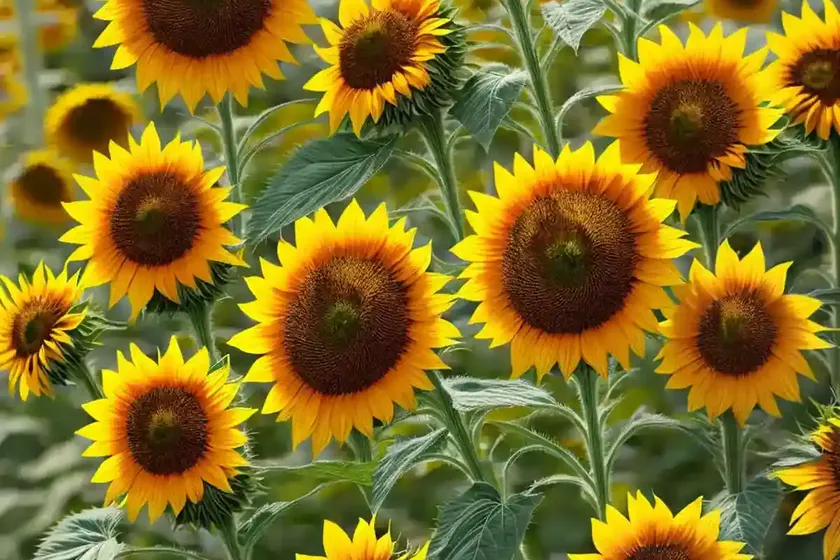
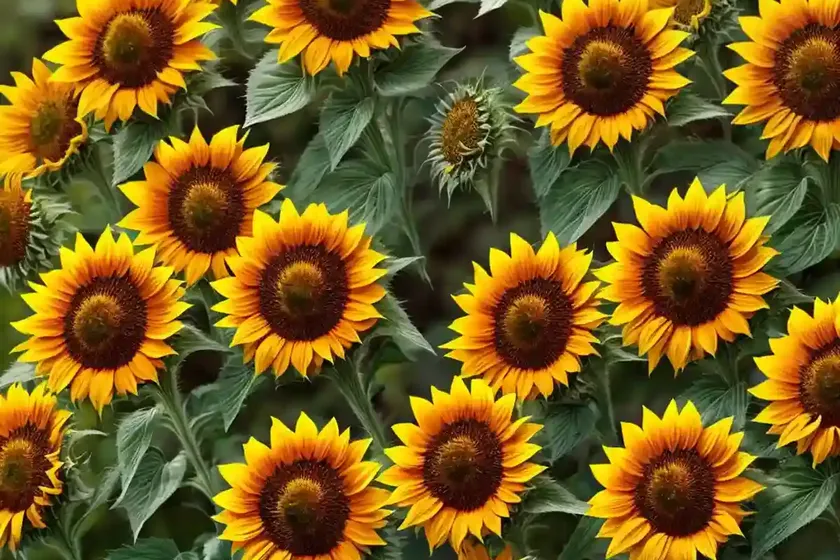
The Common Sunflower, scientifically known as Helianthus annuus ‘Valentine’, is a stunning and iconic plant that has captivated the attention of gardeners, botanists, and nature lovers for centuries. With its bright and cheery disposition and a multitude of potential uses, the ‘Valentine’ variety of this plant holds a special place in the heart of many. In this comprehensive guide, we will explore every facet of this fascinating plant, from its basic characteristics to its cultivation, uses, and beyond. Let’s delve into the world of the Common Sunflower ‘Valentine’ and uncover the secrets of this beloved botanical beauty.
What is the Common Sunflower: Helianthus annuus ‘Valentine’?
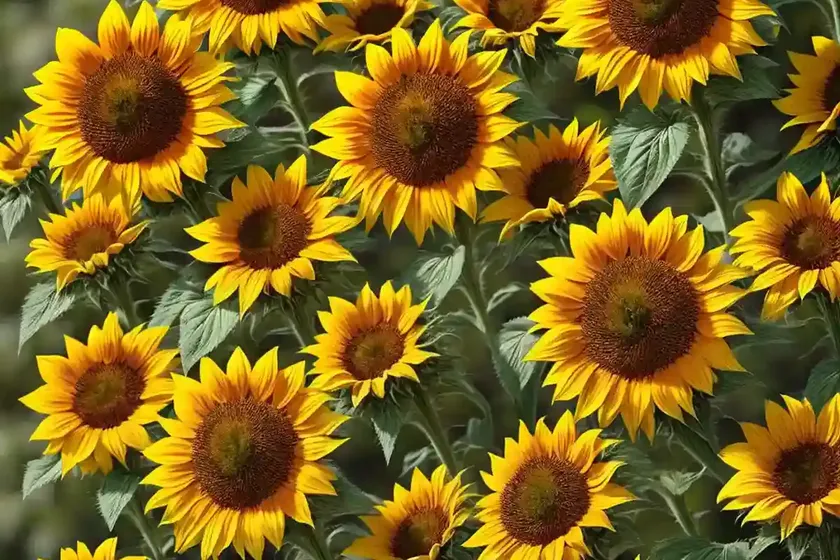
Helianthus annuus, commonly referred to as the Common Sunflower, is a species in the family Asteraceae, which is native to the Americas. ‘Valentine’ is a cultivated variety of this species, known for its striking appearance and potential uses in various settings. This sunflower variety is cherished for its vibrant, golden-yellow petals and dark brown centers, and it typically grows to an impressive height, making it a spectacular addition to gardens, landscapes, and even indoor spaces.
Key Takeaways – Helianthus annuus ‘Valentine’
Culture
- USDA Hardiness Zones: 4-9
- Annual or perennial: Annual
- Day to Maturity: 80-120 days
- Plant type: Flower
Uses
- Ornamental
- Cut flowers
- Wildlife attractant
- Educational purposes
Water
- Moderate water requirements
- Regular watering, especially during dry periods
- Well-draining soil to prevent waterlogging
Sunlight
- Full sunlight for optimal growth
- At least 6-8 hours of direct sunlight per day
Fertilizer
- Balanced, all-purpose fertilizer
- Application during the growing season
- Avoid excessive nitrogen to prevent leggy growth
Soil
- Rich, well-draining soil
- pH: 6.0-7.5
- Loamy or sandy soil texture
Pruning
- Deadheading for prolonged blooming
- Prune damaged or diseased parts
- Trim for cut flower arrangements
Propagation
- Seeds
- Direct sowing or transplanting
- Division (less common)
Container Popularity
- Well-suited for large containers
- Suitable for balcony or terrace gardening
- Thrives in spacious containers
Common Diseases
- Downy mildew
- Powdery mildew
- Gray mold (Botrytis cinerea)
Disease Diagnosis
- Visual inspection of leaves, stems, and flowers
- Examination for characteristic symptoms
- Laboratory tests for accurate diagnosis
Common Pests
- Aphids
- Thrips
- Caterpillars
- Birds (for seeds)
Botanist’s Tips
- Select a sunny location for planting
- Support tall stems with stakes if needed
- Provide adequate spacing between plants
Fun Facts
- The Common Sunflower is the state flower of Kansas.
- Native Americans utilized sunflowers for various purposes, including food and dyes.
- The flower heads of sunflowers exhibit a phenomenon known as heliotropism, where they track the movement of the sun across the sky.
Links to External Resources
For additional information and resources about the Common Sunflower ‘Valentine’, consider exploring the following links:
- Missouri Botanical Garden: Helianthus annuus ‘Valentine’
- Royal Horticultural Society: Growing Sunflowers
- University of California Agriculture & Natural Resources: Common Sunflower Production
This guide will serve as a comprehensive resource for understanding, cultivating, and appreciating the Common Sunflower ‘Valentine’. Whether you are a seasoned gardener or a newcomer to the world of horticulture, there is much to learn and enjoy about this captivating plant. Let’s dive into the details of each key aspect, from its cultural requirements to its diverse uses and potential challenges, as we unravel the beauty and practicality of growing Helianthus annuus ‘Valentine’.
The Common Sunflower, scientifically classified as Helianthus annuus, has a rich history and holds a significant place in many cultures worldwide. ‘Valentine’ is an esteemed cultivar of this species, renowned for its specific characteristics and attributes that set it apart from other sunflower varieties. As we delve into the details of this sunflower, we will unravel the unique features that make it a beloved choice for gardens, landscapes, and various other settings.
Characteristics of Helianthus annuus ‘Valentine’
The ‘Valentine’ variety of Helianthus annuus boasts distinct characteristics that contribute to its allure and desirability as a garden plant. Understanding these features is crucial for successful cultivation and appreciation of this unique sunflower variety.
Flower Appearance
- Large, golden-yellow flower heads with dark brown centers
- Typically single-stemmed, displaying a solitary flower head
- Classic sunflower appearance, exuding warmth and cheerfulness
Height and Structure
- Height: 5-7 feet (1.5-2.1 meters) on average
- An upright and sturdy stem that provides support for the large flower head
- Well-branched, with an abundance of leaves and lateral stems
Flowering Period
- Blooms from mid-summer to early fall, depending on the growing conditions and geographical location
- Prolonged blooming period, offering an extended display of vibrant flowers
Foliage
- Coarse, rough-textured leaves with a deep green color
- Opposite, ovate or lanceolate leaves along the stems
- Leaves may exhibit slight variation in size and shape on different plants
Growth Habit
- Vigorous growth with a strong central stem
- Robust and resilient, capable of withstanding environmental stressors
Heliotropism
- Exhibits heliotropic behavior, where the flower heads track the movement of the sun throughout the day
- The phenomenon of heliotropism contributes to the plant’s ecological interactions and unique visual appeal
Understanding these key characteristics provides a foundation for appreciating the distinct beauty and growth patterns of Helianthus annuus ‘Valentine’. Now, let’s explore the cultivation requirements to facilitate the successful growth of this striking sunflower variety.
Planting Sunflower ‘Valentine’
Sunlight
The Common Sunflower ‘Valentine’ thrives in full sunlight, requiring at least 6-8 hours of direct sunlight per day for optimal growth and prolific flowering. When selecting a planting site, prioritize locations with abundant sunlight exposure, such as open garden beds or spacious containers on sunny balconies or terraces.
Soil
The soil requirements for Helianthus annuus ‘Valentine’ are relatively straightforward. It flourishes in well-draining soil that is rich in organic matter and nutrients. A slightly acidic to neutral pH range of 6.0-7.5 provides an ideal growing environment for this sunflower variety. Loamy or sandy soil textures are suitable, ensuring proper drainage and aeration for the plant’s root system.
Water
Moderate and consistent watering is essential for the successful cultivation of Sunflower ‘Valentine’. While the plant can withstand periods of moderate drought, regular watering is crucial, especially during dry spells or extended periods of hot weather. However, it is important to avoid overwatering, as waterlogged soil can lead to root rot and other detrimental conditions.
Fertilizer
Applying a balanced, all-purpose fertilizer during the growing season can bolster the growth and flowering performance of Helianthus annuus ‘Valentine’. However, it is advisable to exercise caution with nitrogen-rich fertilizers, as excessive nitrogen can prompt excessive vegetative growth at the expense of abundant flowering. Consider a slow-release fertilizer or organic alternatives for sustained nourishment.
Planting Time
In regions with distinct seasons, the best time to plant Sunflower ‘Valentine’ is in the spring, after the danger of frost has passed. The plant requires a sufficient growing season to reach its full potential and produce an abundance of striking flowers. Depending on the local climate and growing conditions, adjust the planting time to maximize the plant’s establishment and blooming period.
Care Tips for Helianthus annuus ‘Valentine’
Pruning
Pruning is an essential aspect of maintaining the beauty and vitality of Sunflower ‘Valentine’. Deadheading, the removal of spent flower heads, promotes prolonged blooming by directing the plant’s energy towards producing new flowers rather than seed development. Additionally, pruning damaged or diseased parts of the plant ensures its overall health and aesthetics.
Support
Due to its considerable height and the weight of its flower heads, Helianthus annuus ‘Valentine’ may require external support to prevent the stems from bending or breaking under the load. Stakes or similar support structures can be employed to reinforce the plant’s upright growth and safeguard the magnificent display of flowers.
Spacing
When planting multiple Sunflower ‘Valentine’ specimens, proper spacing is crucial to allow for adequate air circulation and prevent overcrowding. Providing ample spacing between plants contributes to overall plant health and reduces the risk of disease transmission. Refer to specific spacing recommendations based on the mature size of the plants to optimize their growth potential.
Pest and Disease Management
Vigilant observation and proactive measures are instrumental in preventing and managing common pests and diseases that may affect Helianthus annuus ‘Valentine’. Regularly inspect the plant for signs of aphids, thrips, or other destructive pests, and implement appropriate control measures to mitigate their impact. Similarly, monitor the plant for symptoms of common sunflower diseases such as downy mildew and powdery mildew, addressing any issues promptly to prevent escalation.
Implementing these care tips and cultivation practices can contribute to the successful growth and flourishing of Helianthus annuus ‘Valentine’ in various settings, from home gardens to public landscapes and educational environments. Now, let’s explore the diverse uses and benefits of this captivating sunflower variety in practical and aesthetic contexts.
Ornamental Value
The ornamental appeal of Sunflower ‘Valentine’ is unparalleled, making it a prized addition to garden beds, borders, and floral displays. The large, golden-yellow flower heads with their characteristic dark centers create a visually stunning focal point, infusing outdoor spaces with a burst of vibrant color and natural charm.
Cut Flowers
The striking beauty and longevity of the blooms make Sunflower ‘Valentine’ an ideal choice for cut flower arrangements. Whether used as standalone floral accents or combined with complementary blooms and foliage, the sunflower’s radiant presence adds a touch of warmth and elegance to bouquets, centerpieces, and decorative displays.
Wildlife Attractant
The abundance of nectar and pollen in the flowers of Helianthus annuus ‘Valentine’ attracts a diverse array of pollinators, including bees, butterflies, and other beneficial insects. By fostering ecological interactions and supporting pollinator populations, the Common Sunflower ‘Valentine’ contributes to the biodiversity and sustainability of natural ecosystems.
Educational Purposes
Sunflower ‘Valentine’ serves as an educational resource in various learning environments, including school gardens, horticultural institutions, and botanical settings. Its distinct growth patterns, floral anatomy, and ecological interactions offer valuable teaching opportunities, engaging students and enthusiasts in the fascinating world of botany and horticulture.
Crafts and Decor
Dried sunflower heads and seeds from Helianthus annuus ‘Valentine’ extend its utility beyond the blooming season, serving as versatile materials for crafting and decor. From seasonal wreaths and decorative arrangements to hands-on craft projects for all ages, the sunflower’s seeds and sturdy stems provide a rich source of inspiration and raw materials for creative endeavors.
Attracting Bees and Wildlife
As a nectar-rich plant, Sunflower ‘Valentine’ plays a crucial role in supporting pollinator populations, particularly bees. By planting this sunflower variety, individuals can actively contribute to pollinator conservation efforts and create pollinator-friendly habitats in urban, suburban, and rural landscapes.
Symbolism and Cultural Significance
Sunflowers, including the ‘Valentine’ variety, hold symbolic and cultural significance in various traditions and belief systems. Their association with attributes such as vitality, warmth, and adoration has rendered them emblematic in celebrations, ceremonies, and artistic expressions, encompassing themes of love, positivity, and natural beauty.
Gardening Therapy
Engaging with the cultivation and care of Sunflower ‘Valentine’ can serve as a form of therapeutic horticulture, offering individuals an opportunity to connect with nature, foster mindfulness, and find solace in the nurturing of living plants. Whether in community gardens, therapeutic landscapes, or personal garden spaces, the sunflower’s presence can contribute to holistic well-being and emotional restoration.
Exploring the multifaceted uses and benefits of Helianthus annuus ‘Valentine’ unveils its potential as more than just a decorative plant. From supporting biodiversity to inspiring creative endeavors and providing opportunities for learning and emotional restoration, the ‘Valentine’ variety encompasses a wealth of practical and aesthetic value. As we move forward, let’s delve into the cultivation of Sunflower ‘Valentine’ in various settings, including container gardening, to expand its reach and adaptability.
Container Suitability
The Common Sunflower ‘Valentine’ exhibits excellent adaptability to container gardening, making it a versatile choice for individuals with limited garden space or those seeking to introduce vibrant floral displays to urban environments. Its towering presence and radiant blooms can transform balconies, patios, and terrace gardens into enchanting outdoor sanctuaries.
Container Selection
When cultivating Sunflower ‘Valentine’ in containers, opt for spacious, deep pots or planters that accommodate the plant’s robust root system and provide stability for its upright growth. Select containers made of durable materials, such as ceramic, plastic, or wood, ensuring proper drainage holes to prevent water accumulation and root suffocation.
Soil and Watering
Choose a high-quality potting mix that offers a balanced combination of nutrients, organic matter, and excellent drainage. Regular watering is vital for container-grown Sunflower ‘Valentine’, as the limited soil volume necessitates consistent moisture levels. Monitor the soil moisture closely, adjusting the watering frequency based on environmental conditions and the plant’s specific requirements.
Sunlight Requirements
Even in container settings, Helianthus annuus ‘Valentine’ thrives in full sunlight, necessitating access to ample direct sunlight for its growth and flowering. Position the containers in locations that receive the recommended 6-8 hours of sunlight daily, optimizing the plant’s exposure to natural light to support its physiological processes and floral abundance.
Fertilization
Container-grown sunflowers benefit from regular fertilization to supplement the nutrients available in the potting mix and sustain their vigorous growth. Choose a balanced, slow-release fertilizer suitable for flowering plants, applying it according to the manufacturer’s recommendations to provide adequate nourishment throughout the growing season.
Spacing and Maintenance
In container settings, maintain appropriate spacing between individual Sunflower ‘Valentine’ plants to allow for ample airflow and prevent overcrowding. Additionally, deploy suitable support mechanisms, such as stakes or trellises, to reinforce the tall stems and safeguard them against the effects of wind and inclement weather.
Benefits of Container Cultivation
The cultivation of Sunflower ‘Valentine’ in containers offers a range of benefits, extending its appeal and accessibility to diverse gardening enthusiasts. From small urban oases to expansive rooftop gardens, the ‘Valentine’ variety brings its radiant presence to new heights, enhancing outdoor spaces with its imposing stature and brilliant flowers.
Adapting the cultivation of Helianthus annuus ‘Valentine’ to container settings opens up opportunities for creativity and innovation, encouraging individuals to integrate this striking sunflower variety into a variety of urban and suburban environments. Whether showcased in solitary containers or incorporated into mixed plantings, ‘Valentine’ can serve as a source of natural splendor and inspiration, enriching both outdoor and indoor landscapes.
Popularity in Gardens and Landscapes
The Common Sunflower ‘Valentine’ holds widespread popularity among gardeners and landscape enthusiasts, esteemed for its commanding presence, radiant flowers, and diverse uses. Its enduring appeal as an ornamental plant transcends geographic boundaries, embracing a global audience captivated by its innate beauty and practical versatility.
Similar Varieties
While Helianthus annuus ‘Valentine’ stands out for its specific characteristics and attributes, there exist several related sunflower varieties that share commonalities and distinctions. Exploring similar sunflower cultivars offers insights into the range of options available to individuals seeking to incorporate sunflowers into their outdoor spaces and creative projects.
‘Valentine’ versus Other Sunflower Cultivars
Comparing Helianthus annuus ‘Valentine’ with other sunflower cultivars illuminates the unique features and potential applications of each variety. Whether assessing growth habits, flower appearance, or specific uses, the comparative analysis provides valuable guidance for selecting the most suitable sunflower variety based on individual preferences and project requirements.
Foliage Colors and Variations
In addition to the classic golden-yellow flower heads, sunflowers, including the ‘Valentine’ variety, may exhibit variations in foliage colors, adding an extra dimension of visual interest to their overall appearance. From subtle variegation to distinct leaf hues, the ornamental potential of sunflower foliage invites exploration and appreciation.
Disease Resistance
While the Common Sunflower ‘Valentine’ displays commendable resilience, it is susceptible to certain diseases that may compromise its growth and flowering performance. Understanding the prevalent diseases and their associated symptoms enables proactive measures to manage and mitigate potential impacts on the plant’s health and vitality.
Downy Mildew (Plasmopara halstedii)
Downy mildew presents as yellow spots on the upper leaf surfaces and grayish-white fungal growth on the undersides. It can lead to premature defoliation and reduced flower production, posing a significant threat to Sunflower ‘Valentine’ if left unchecked.
Powdery Mildew (Erysiphe cichoracearum)
Powdery mildew manifests as a powdery white coating on the leaves, stems, and flower heads, impairing the plant’s photosynthetic capacity and overall vigor. Proper cultural practices and targeted fungicidal treatments can alleviate the impact of powdery mildew on the ‘Valentine’ sunflower variety.
Gray Mold (Botrytis cinerea)
Gray mold, caused by the fungal pathogen Botrytis cinerea, initiates as brown lesions on the stems and flower heads and progresses to a fuzzy gray mold under conducive environmental conditions. Timely intervention and the implementation of preventative strategies are essential to control the spread of gray mold in sunflower plantings.
Pest Infestations
Various pests can pose a threat to the health and aesthetics of Helianthus annuus ‘Valentine’, necessitating vigilant monitoring and prompt intervention to minimize their