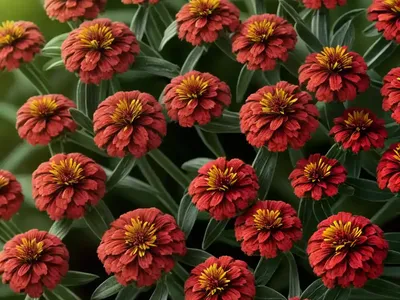
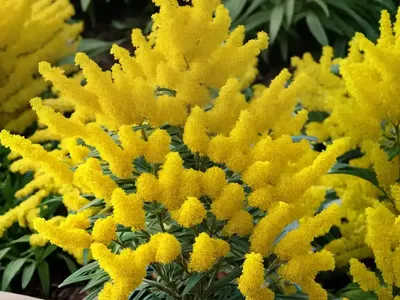
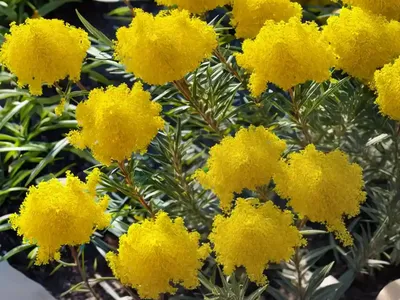
Helianthus Annuus ‘Strawberry Blonde’ (Common Sunflower)
Helianthus annuus ‘Strawberry Blonde’, commonly known as Strawberry Blonde Sunflower or Common Sunflower Strawberry Blonde, is a stunning and unique.
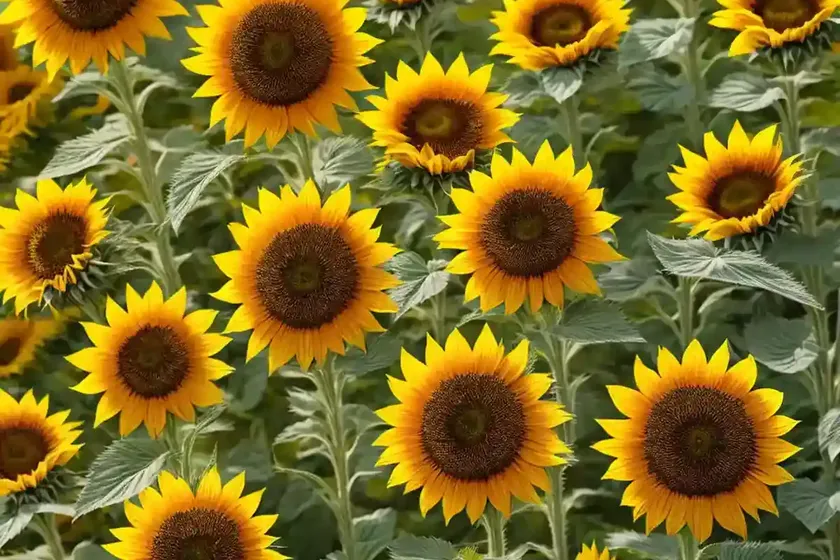


Helianthus annuus ‘Strawberry Blonde’, commonly known as Strawberry Blonde Sunflower or Common Sunflower Strawberry Blonde, is a stunning and unique variety of the traditional sunflower. This cultivar is known for its captivating color palette, ranging from soft shades of peach and pink to creamy white, making it the perfect addition to any garden or landscape.
In this comprehensive guide, we will explore the cultural significance, uses, and essential care tips for cultivating and maintaining Helianthus annuus ‘Strawberry Blonde’. Whether you are a seasoned gardener or a beginner looking to add a pop of color to your outdoor space, this article will provide you with valuable insights into the world of this beautiful sunflower variety.
Key Takeaways – Helianthus annuus ‘Strawberry Blonde’ (Common Sunflower)
Before we delve into the specific details of growing and caring for Helianthus annuus ‘Strawberry Blonde’, let’s take a look at the key takeaways that will be covered in this article:
- Plant Name: Helianthus annuus ‘Strawberry Blonde’ (Common Sunflower)
- Common Names: Strawberry Blonde Sunflower, Common Sunflower Strawberry Blonde
- Plant Type: Annual Flower
- Features: Unique color palette ranging from peach and pink to creamy white
- Uses: Garden ornamental, cut flowers, pollinator attractor
- Cultural Significance: Symbolism, folklore, and myths
- Care Tips: Watering, sunlight, soil preferences, fertilizer, pruning, and propagation methods
- Diseases and Pests: Common diseases, pest control, and disease resistance
- Gardening Tips: Companion planting, container gardening, and landscaping ideas
- Fun Facts: Interesting tidbits about Helianthus annuus ‘Strawberry Blonde’
Now, let’s embark on a journey to discover the enchanting world of Helianthus annuus ‘Strawberry Blonde’ and learn how to nurture and enjoy this captivating sunflower variety.
What is Helianthus annuus ‘Strawberry Blonde’ (Common Sunflower)?
Helianthus annuus, commonly known as the common sunflower, is a species in the family Asteraceae and is native to North America. It is an annual flowering plant with a tall, coarse, and hairy stem, characteristic of sunflower species. The genus name, Helianthus, is derived from the Greek words “helios” meaning sun and “anthos” meaning flower, reflecting the sun-like appearance of its large, daisy-like flower heads.
The specific epithet, “annuus”, is Latin for “annual”, denoting the plant’s annual growth cycle. Helianthus annuus is known for its iconic bright yellow flower heads and is widely cultivated for its edible seeds, ornamental value, and commercial uses, such as oil production and bird feed.
Brief Description of Helianthus annuus ‘Strawberry Blonde’
Helianthus annuus ‘Strawberry Blonde’ is a carefully selected cultivar of the common sunflower, prized for its unique and captivating coloration. Unlike the traditional bright yellow sunflower, ‘Strawberry Blonde’ showcases a delightful blend of soft peach, pink, and creamy white tones in its flower heads, creating a mesmerizing and eye-catching display in gardens and landscapes.
This distinct coloration makes ‘Strawberry Blonde’ a sought-after choice for floral arrangements, adding a touch of elegance and whimsy to bouquets and indoor decorations. Additionally, its pollen-rich flower heads make it an attractive option for pollinators, including bees and butterflies, contributing to biodiversity and ecological balance.
Now that we have introduced the star of our discussion, let’s dive into the essential aspects of cultivating and caring for Helianthus annuus ‘Strawberry Blonde’.
Culture
Cultivating Helianthus annuus ‘Strawberry Blonde’ requires an understanding of its specific cultural needs, including water requirements, sunlight preferences, soil conditions, and fertilization. Proper cultural practices are essential for ensuring the healthy growth and development of this unique sunflower variety.
Uses
The uses of Helianthus annuus ‘Strawberry Blonde’ are multi-faceted, ranging from ornamental and decorative purposes to ecological contributions and potential culinary and medicinal applications. Let’s explore the various uses of this captivating sunflower variety.
Garden Ornamental
One of the primary uses of Helianthus annuus ‘Strawberry Blonde’ is as a garden ornamental, adding a touch of vibrancy and elegance to outdoor spaces. Its striking color palette and impressive bloom size make it a standout feature in flower beds, borders, and mixed perennial plantings. Whether grown in mass plantings or as a single focal point, ‘Strawberry Blonde’ brings a unique and alluring charm to any garden setting.
Cut Flowers
The distinctive hues of Helianthus annuus ‘Strawberry Blonde’ make it a popular choice for cut flower arrangements. Its large, showy flower heads with a range of colors add visual interest and depth to bouquets, making it a favorite among florists and home gardeners alike. When used in floral displays, ‘Strawberry Blonde’ creates a warm and inviting atmosphere, perfect for both casual and formal settings.
Pollinator Attractor
In addition to its visual appeal, Helianthus annuus ‘Strawberry Blonde’ serves as a valuable resource for pollinators, including butterflies, bees, and other beneficial insects. The abundant pollen and nectar produced by its flowers make it an important source of sustenance for these pollinators, contributing to the overall health and diversity of local ecosystems.
Medicinal and Culinary Potential
While the primary focus of Helianthus annuus ‘Strawberry Blonde’ lies in its ornamental and ecological uses, it is important to note that sunflower species, including the common sunflower, have historical and contemporary significance in traditional medicine and culinary practices. The seeds of Helianthus annuus are often used in cooking and as a source of edible oils, while certain parts of the plant have been attributed with medicinal properties in various cultures.
Now that we have explored the multifaceted uses of Helianthus annuus ‘Strawberry Blonde’, let’s delve into the specific cultural requirements for successfully growing and caring for this captivating sunflower variety.
Water
Watering Needs
Proper watering is essential for the healthy growth and development of Helianthus annuus ‘Strawberry Blonde’. As with most sunflower varieties, ‘Strawberry Blonde’ prefers consistently moist, well-drained soil during its active growth phase. Adequate water supply is particularly crucial during the establishment phase and the flowering period, as these stages are critical for promoting robust blooms and overall plant vigor.
Key Watering Tips for Helianthus annuus ‘Strawberry Blonde’
- Consistent Moisture: Maintain a consistent level of soil moisture, being careful not to let the soil become overly dry or waterlogged.
- Mulching: Apply a layer of organic mulch, such as straw or shredded bark, around the base of the plants to help retain soil moisture and reduce water loss through evaporation.
- Observation: Monitor the soil moisture levels regularly, especially during hot and dry periods, and adjust the watering frequency as needed to ensure the plants receive adequate hydration.
By implementing these key watering practices, you can provide an optimal growing environment for Helianthus annuus ‘Strawberry Blonde’, promoting healthy foliage and vibrant flower production.
Sunlight
Sun Requirements
As with its more traditional counterparts, Helianthus annuus ‘Strawberry Blonde’ thrives in full sunlight, displaying its best growth and flowering performance when provided with ample sunshine. Sunflowers, in general, are renowned for their ability to track the sun’s movement throughout the day, a phenomenon known as heliotropism, which allows them to maximize their exposure to sunlight.
Ideal Growing Conditions
When selecting a planting site for Helianthus annuus ‘Strawberry Blonde’, choose an area that receives at least 6 to 8 hours of direct sunlight daily. Avoid locations with excessive shade or competition from neighboring tall plants, as these conditions can impede the sunflower’s growth and diminish its flowering potential.
Sunflower Orientation
As Helianthus annuus ‘Strawberry Blonde’ matures and begins to produce flower heads, observe the plants’ natural orientation to the sun. You may notice the flower heads turning to face the sun throughout the day, a fascinating behavior that has inspired admiration and curiosity among gardeners and nature enthusiasts.
By ensuring that ‘Strawberry Blonde’ receives the sunlight it craves, you can encourage robust growth, vibrant blooms, and the development of its unique coloration.
Fertilizer
Nutrient Requirements
Providing the right balance of nutrients is essential for supporting the growth and flowering of Helianthus annuus ‘Strawberry Blonde’. Proper fertilization can enhance the plant’s overall vigor, encourage robust blooms, and contribute to the development of healthy foliage.
Fertilizer Considerations
When preparing to fertilize Helianthus annuus ‘Strawberry Blonde’, take into account the nutrient requirements of sunflowers and the specific needs of this unique cultivar. A balanced and slow-release fertilizer, applied at the appropriate times, can provide the essential nutrients necessary for promoting strong, healthy growth.
Fertilization Tips for ‘Strawberry Blonde’
- Balanced Formulation: Choose a fertilizer with a balanced NPK ratio (nitrogen, phosphorus, and potassium) to support overall plant health and flower production.
- Application Timing: Apply fertilizer during the early stages of growth, prior to flowering, and in accordance with the specific recommendations provided by the product manufacturer.
- Avoiding Excesses: Refrain from over-fertilizing, as excessive nutrients can lead to imbalanced growth and may negatively impact the overall health of the plants.
By adhering to proper fertilization practices and meeting the nutritional needs of Helianthus annuus ‘Strawberry Blonde’, you can contribute to the successful development of this captivating sunflower variety.
Soil
Soil Preferences
Understanding the soil preferences of Helianthus annuus ‘Strawberry Blonde’ is crucial for creating an optimal growing environment that supports healthy root development and robust flowering. While sunflowers, in general, are known for their adaptability to a wide range of soil types, providing favorable soil conditions can contribute to the overall success of ‘Strawberry Blonde’.
Ideal Soil Characteristics
- Well-Drained: Choose a well-drained soil medium that prevents waterlogging and promotes aeration around the root zone.
- Loamy Texture: A loamy soil, enriched with organic matter, provides an excellent balance of drainage, moisture retention, and essential nutrients for plant growth.
- pH Level: Sunflowers, including Helianthus annuus ‘Strawberry Blonde’, thrive in slightly acidic to neutral soil pH ranges, typically between 6.0 and 7.5.
Soil Amendment
If your garden soil lacks the ideal characteristics for sunflower cultivation, consider amending the soil with organic matter, such as compost or well-rotted manure, to improve its structure and nutrient content. This can create a more hospitable growing environment for ‘Strawberry Blonde’, supporting its overall health and vigor.
By selecting an appropriate planting site and providing favorable soil conditions, you can lay the groundwork for the successful cultivation of Helianthus annuus ‘Strawberry Blonde’, promoting strong, healthy growth and vibrant floral displays.
Pruning
Pruning Guide for Helianthus annuus ‘Strawberry Blonde’
Proper pruning can enhance the appearance and overall health of Helianthus annuus ‘Strawberry Blonde’, contributing to well-structured plants and abundant flower production. While sunflowers, in general, are relatively low-maintenance in terms of pruning requirements, targeted pruning practices can help optimize the growth and aesthetics of ‘Strawberry Blonde’.
Pruning Considerations
- Deadheading: Removing spent or fading flower heads can redirect the plant’s energy towards the development of new blooms, extending the flowering period and maintaining a tidy appearance.
- Thinning: If you notice crowded or congested growth within the plant canopy, selectively thin out excess stems and foliage to improve air circulation and light penetration, reducing the risk of disease and promoting better overall growth.
Timing and Technique
Conduct pruning and deadheading activities during the growing season, as needed, to address any visual or structural concerns and maintain the vitality of Helianthus annuus ‘Strawberry Blonde’. Use clean, sharp pruning tools to make precise cuts, minimizing the risk of damage to the plants.
By implementing targeted pruning practices, you can enhance the aesthetics, vigor, and longevity of ‘Strawberry Blonde’, ensuring that it remains a stunning focal point in your garden or landscape.
Propagation
Propagation Methods for Helianthus annuus ‘Strawberry Blonde’
Propagating Helianthus annuus ‘Strawberry Blonde’ allows you to expand your sunflower collection and share the beauty of this unique variety with others. Understanding the various propagation methods and techniques can empower you to cultivate new plants from existing stock, creating opportunities to showcase and appreciate ‘Strawberry Blonde’ in different settings.
Seed Propagation
One of the most common and straightforward methods of propagating Helianthus annuus ‘Strawberry Blonde’ is through seed propagation. Sunflower seeds are readily available and relatively easy to germinate, making them a convenient option for expanding your sunflower garden.
Steps for Seed Propagation
- Seed Selection: Collect mature seeds from healthy ‘Strawberry Blonde’ plants, ensuring that the seeds are fully developed and free from damage or disease.
- Seed Preparation: Pre-treat the seeds, if necessary, to enhance germination rates. Scarification or soaking methods can be employed to break seed dormancy and promote successful germination.
- Sowing: Plant the prepared seeds in a well-prepared seed starting mix or directly in the garden soil, following the recommended depth and spacing for sunflower seeds.
- Care and Maintenance: Provide consistent moisture, warmth, and light to encourage seed germination and the establishment of young seedlings.
By following these steps, you can propagate new generations of Helianthus annuus ‘Strawberry Blonde’, expanding your sunflower collection and sharing the beauty of this captivating variety with others.
Container Popularity
Growing Helianthus annuus ‘Strawberry Blonde’ in Containers
While sunflowers are commonly associated with outdoor garden settings, including landscapes and flower beds, they can also thrive and make a striking impact when grown in containers. The allure of Helianthus annuus ‘Strawberry Blonde’ is not limited to traditional garden spaces, as it can bring its captivating color palette and sun-loving nature to container gardens, patios, and balconies.
Container Selection and Preparation
When choosing containers for growing Helianthus annuus ‘Strawberry Blonde’, opt for spacious, deep pots or planters that provide ample room for root development and accommodate the height of mature sunflower plants. Ensure that the containers have sufficient drainage holes to prevent waterlogging and allow excess moisture to escape, promoting healthy root conditions.
Assembling the ideal potting mix for ‘Strawberry Blonde’ can encourage strong growth and vibrant blooms. A well-draining, nutrient-rich blend, formulated for flowering plants, can provide the necessary support for potted sunflowers, ensuring their vitality and visual appeal.
Placement and Care
Select a sunny location for your container-grown Helianthus annuus ‘Strawberry Blonde’, ensuring that it receives the recommended hours of direct sunlight each day. Regular watering, monitoring soil moisture, and providing appropriate fertilization are essential for maintaining the health and vigor of potted sunflowers.
By embracing container gardening and incorporating Helianthus annuus ‘Strawberry Blonde’ into your outdoor or indoor spaces, you can enjoy the captivating beauty of this unique sunflower variety in a versatile and portable manner.
Common Diseases
Disease Resistance
While Helianthus annuus ‘Strawberry Blonde’ exhibits a degree of resilience to certain common diseases, it is important to be aware of potential issues that may affect the health and vitality of sunflowers. By understanding the common diseases and adopting preventative measures, you can mitigate their impact and foster a thriving growing environment for ‘Strawberry Blonde’.
Key Distinctive Features
‘Strawberry Blonde’ displays a degree of resistance to certain foliar diseases, including powdery mildew, a common fungal issue that can affect sunflowers. While it exhibits a level of natural resistance, monitoring the plant’s health and adhering to cultural best practices are essential for promoting overall disease resistance and resilience.
Disease Diagnosis
Identifying and diagnosing potential diseases affecting Helianthus annuus ‘Strawberry Blonde’ involves careful observation of the plant’s foliage, stems, and flower heads. Common signs of disease, such as discoloration, wilting, or presence of fungal growth, should prompt proactive measures to address and mitigate the issue.
Observational Tips
- Regularly inspect the foliage of ‘Strawberry Blonde’ for any abnormal discoloration, spotting, or signs of wilting.
- Monitor the plant for the presence of powdery mildew, a common fungal disease that may manifest as powdery white patches on the leaves and stems.
- Take note of any changes in the overall appearance and growth behavior of the sunflower plants, addressing potential disease concerns promptly to prevent further spread and damage.
By staying vigilant and addressing potential disease concerns in a timely manner, you can uphold the health and vibrancy of Helianthus annuus ‘Strawberry Blonde’, ensuring that it continues to thrive and showcase its unique beauty.
Common Pests
Pest Control
In addition to being vigilant about potential diseases, it is important to monitor for common pests that may affect Helianthus annuus ‘Strawberry Blonde’. While sunflowers are relatively resilient to pest pressures, certain insect invaders may pose a threat to the health and blooming capacity of ‘Strawberry Blonde’.
Pest Identification
Key pests to watch out for include aphids, caterpillars, and sunflower moths, which may target the foliage, stems, and developing flower heads of Helianthus annuus ‘Strawberry Blonde’. By recognizing the presence of these pests and understanding their impact, you can implement targeted pest control measures to protect your sunflower plants.
Integrated Pest Management (IPM)
Embracing an integrated approach to pest management involves utilizing a combination of preventative, cultural, and biological control methods to mitigate pest pressures. By promoting a balanced ecosystem and developing strategies that deter pest infestations, you can safeguard the health and vitality of ‘Strawberry Blonde’ while minimizing the need for chemical interventions.
Beneficial Insects
Encouraging the presence of beneficial insects, such as ladybugs, lacewings, and predatory wasps, can contribute to natural pest control in the garden. These beneficial allies can help keep pest populations in check, adding a layer of defense against potential threats to Helianthus annuus ‘Strawberry Blonde’ and other garden plants.
By engaging in proactive pest monitoring and adopting responsible pest control practices, you can protect the beauty and integrity of Helianthus annuus ‘Strawberry Blonde’, fostering a thriving and balanced garden ecosystem.
Botanist’s Tips
Expert Insights for Growing Helianthus annuus ‘Strawberry Blonde’
Aspiring to cultivate