Helianthus Annuus ‘Ring Of Fire’ (Common Sunflower)
The Helianthus annuus ‘Ring of Fire’ or Common Sunflower is a visually striking plant that is not only easy to grow but also has several uses and benefits..
The Helianthus annuus ‘Ring of Fire’ or Common Sunflower is a visually striking plant that is not only easy to grow but also has several uses and benefits. In this comprehensive guide, we will delve into the various aspects of this beautiful plant, including its culture, uses, care, and maintenance. Whether you are a seasoned gardener or a novice plant enthusiast, this guide will provide valuable insights into cultivating and enjoying the Common Sunflower.
What is Helianthus annuus ‘Ring of Fire’?
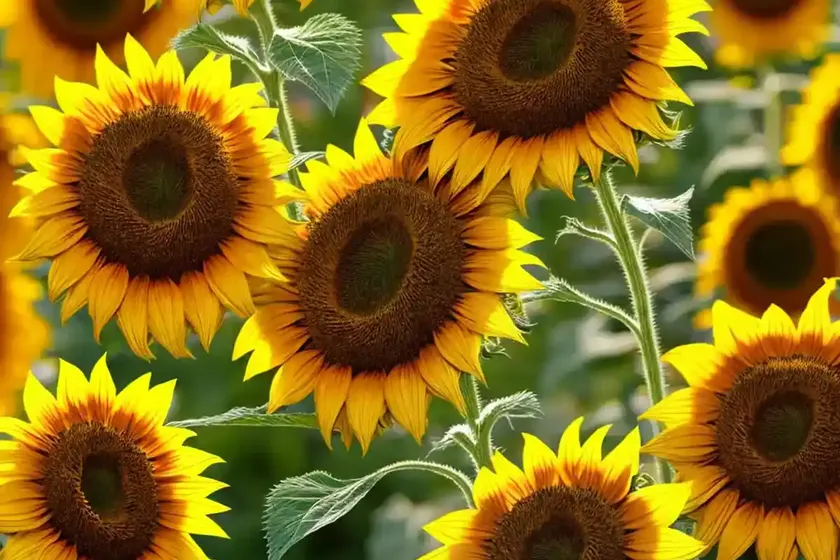
The Helianthus annuus ‘Ring of Fire’, commonly known as the Common Sunflower, is a vibrant and iconic annual flowering plant belonging to the Asteraceae family. The genus name “Helianthus” is derived from the Greek words “helios,” meaning sun, and “anthos,” meaning flower, alluding to the plant’s tendency to exhibit heliotropism by following the direction of the sun.
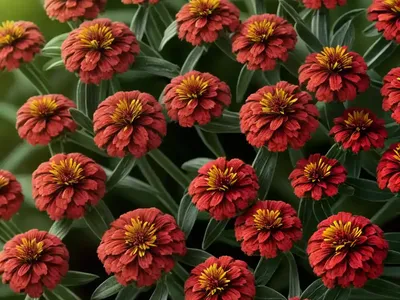
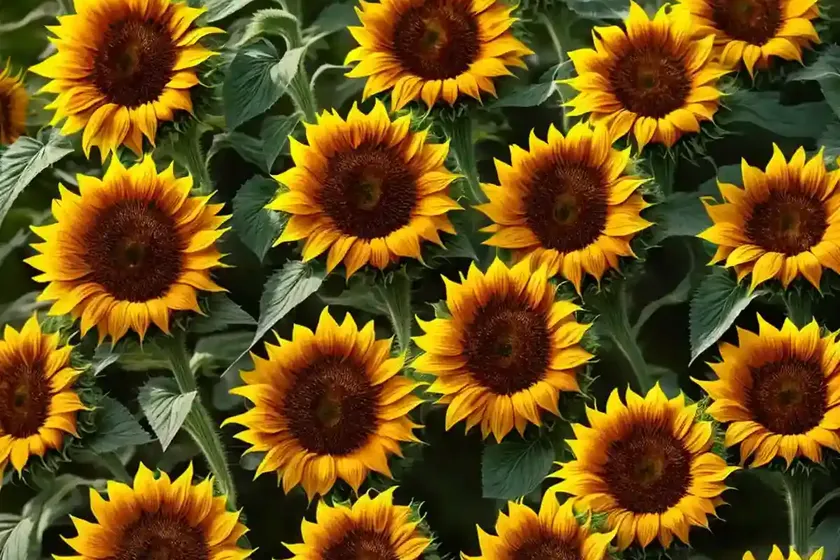
This particular variety, ‘Ring of Fire’, is distinguished by its striking appearance, featuring bold red and gold petals encircling a dark central disk, creating a mesmerizing contrast that adds a burst of color to any landscape or garden.
Key Takeaways – Helianthus annuus ‘Ring of Fire’
Before delving into the specifics of cultivating and caring for the Common Sunflower, let’s highlight some key takeaways about this plant to provide an overview of its characteristics and benefits:
Culture
- Hardiness: Annual
- Growth Habit: Upright, branching
- Lifespan: One growing season
Uses
- Aesthetic: Ornamental feature in gardens and landscapes
- Culinary: Edible seeds, oil extraction
- Wildlife Support: Attracts pollinators and birds
Water
- Needs: Moderate watering
- Irrigation: Drought-tolerant once established
Sunlight
- Requirements: Full sun (6-8 hours of direct sunlight)
Fertilizer
- Feeding: Balanced fertilizer during active growth
Soil
- Type: Well-draining, fertile soil
- pH: Neutral to slightly acidic (6.0-7.5)
- Texture: Sandy loam
Pruning
- Maintenance: Deadheading for prolonged blooming
Propagation
- Methods: Seeds, division
Container Popularity
- Suitability: Ideal for large containers
- Benefits: Portable garden feature
Common Diseases
- Vulnerabilities: Powdery mildew, downy mildew
- Preventive Measures: Proper spacing, good air circulation
Common Pests
- Threats: Aphids, caterpillars
- Control: Natural predators, neem oil application
Botanist’s Tips
- Tip 1: Provide sturdy support for tall varieties
- Tip 2: Encourage branching for fuller growth
- Tip 3: Harvest seeds for culinary and wildlife feed
Now, let’s delve into each of these aspects in detail to gain a comprehensive understanding of how to care for and make the most of the Helianthus annuus ‘Ring of Fire’.
Culture
Understanding the cultural requirements of the Common Sunflower is crucial for successfully nurturing this plant. From its growth habits to its lifespan, let’s explore the key cultural aspects of Helianthus annuus ‘Ring of Fire’.
Hardiness and Growth Habit
The Common Sunflower, including the ‘Ring of Fire’ variety, is classified as an annual plant, completing its life cycle within a single growing season. It exhibits an upright growth habit, characterized by strong, sturdy stems that tend to branch out, especially in varieties with multiple flower heads.
The branching nature of the Common Sunflower contributes to its ornamental appeal, as it creates a fuller and more vibrant display of flowers.
Lifespan
As an annual plant, the Common Sunflower experiences a complete life cycle within one growing season. This life cycle includes germination, vegetative growth, flowering, seed development, and ultimately, senescence. While the plant as a whole completes its life cycle within a year, individual flowering heads may not all mature simultaneously, providing a prolonged display of blooms in the garden.
Uses
The Helianthus annuus ‘Ring of Fire’ offers a diverse range of uses, making it a valuable and versatile addition to gardens, landscapes, and even culinary pursuits. Let’s explore the various uses of this captivating plant:
Aesthetic
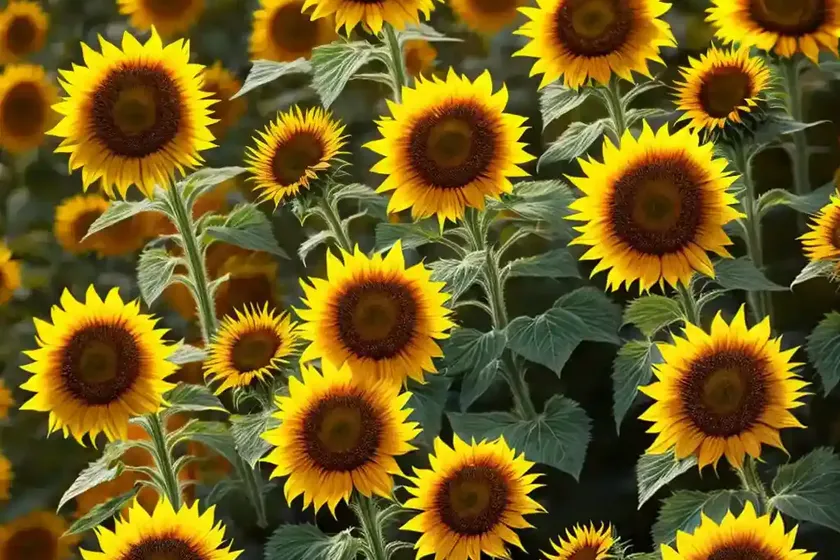
One of the primary uses of the Common Sunflower, including the ‘Ring of Fire’ variety, is as an ornamental plant. Its large and vivid flowers with bold red and gold petals create a stunning visual impact in gardens and landscapes. Whether grown in clusters or as standalone features, the Common Sunflower adds a touch of natural beauty and vibrancy to outdoor spaces.
Culinary
Beyond its visual appeal, the Common Sunflower also serves culinary purposes. The seeds of Helianthus annuus are rich in nutrients and are commonly consumed as a snack or incorporated into various dishes. Additionally, sunflower seed oil, extracted from the seeds, is widely used for cooking and as a salad dressing.
Wildlife Support
The vibrant blooms of the Common Sunflower attract a range of beneficial wildlife, including bees, butterflies, and birds. The nectar-rich flowers are particularly attractive to pollinators, making them an essential food source for these important garden visitors. Furthermore, as the flowers transition to seed heads, they provide nourishment for birds, contributing to the ecological support offered by the plant.
Water
Understanding the water requirements of the Common Sunflower is essential for maintaining its health and promoting optimal growth. Here’s a closer look at the watering needs of Helianthus annuus ‘Ring of Fire’:
Water Needs
During the initial stages of growth and establishment, the Common Sunflower benefits from regular watering to support root development and overall plant vigor. However, once established, this species exhibits a degree of drought tolerance, making it well-suited to drier conditions. Therefore, while irrigation is necessary during dry spells, the plant does not thrive in consistently waterlogged soil.
Irrigation
When watering Common Sunflowers, it is important to ensure that the soil is well-draining to prevent waterlogging, which can lead to root rot and other issues. Additionally, a deep but infrequent watering schedule promotes strong and healthy root systems by encouraging the roots to grow deeper into the soil in search of moisture.
Promoting a balance between hydration and adequate drainage is key to supporting the growth and development of Helianthus annuus ‘Ring of Fire’.
Sunlight
As a sun-loving plant, the Common Sunflower, including the ‘Ring of Fire’ variety, thrives in bright sunlight and warm conditions. Understanding its sunlight requirements is essential for providing an optimal growing environment for this striking plant:
Sunlight Requirements
The Common Sunflower exhibits a strong preference for full sun, requiring approximately 6 to 8 hours of direct sunlight per day for robust growth and prolific flowering. Adequate exposure to sunlight is essential for stimulating the plant’s photosynthetic processes, which in turn supports the production of energy for growth and flower development.
When selecting a planting location for Helianthus annuus ‘Ring of Fire’, aim for an area that receives ample sunlight throughout the day to ensure the plant’s vitality and visual appeal.
Fertilizer
Providing the Common Sunflower with appropriate fertilization supports its nutritional needs and overall health. Understanding the fertilizer requirements of Helianthus annuus ‘Ring of Fire’ is crucial for promoting vigorous growth and abundant flowering:
Feeding
During the active growing period, Common Sunflowers benefit from a balanced fertilizer application to supplement the nutrients available in the soil and encourage robust vegetative and reproductive growth. A general-purpose fertilizer with balanced N-P-K (nitrogen, phosphorus, and potassium) ratios can provide the essential nutrients needed for healthy and vibrant foliage and flowers.
It is important to follow the manufacturer’s recommendations for application rates and timings to prevent over-fertilization, which can lead to excessive vegetative growth at the expense of flower production.
Soil
The type and quality of the soil play a significant role in the overall health and growth of the Common Sunflower. Understanding the soil preferences of Helianthus annuus ‘Ring of Fire’ is essential for establishing an ideal growing environment for this plant:
Soil Type
Common Sunflowers, including the ‘Ring of Fire’ variety, thrive in well-draining, fertile soil that provides a balance of moisture retention and aeration. A soil texture that resembles sandy loam, with a relatively loose and well-aerated structure, is particularly well-suited to support healthy root development and overall plant vigor.
Additionally, the soil pH for Common Sunflowers should ideally be neutral to slightly acidic, falling within the range of 6.0 to 7.5, to facilitate optimal nutrient uptake and utilization by the plant.
Pruning
Proper pruning practices contribute to the overall appearance and health of the Common Sunflower, enhancing its ornamental value and promoting prolonged flowering. Here are some essential insights into pruning Helianthus annuus ‘Ring of Fire’:
Maintenance
Regular deadheading, or the removal of spent flowers, contributes to an extended blooming season for Common Sunflowers by redirecting the plant’s energy from seed production towards the development of new flower buds. This practice helps maintain a tidy and attractive appearance while encouraging the continuous production of fresh blooms.
Deadheading also prevents the formation of seeds, which can lead to self-sowing and potential invasive tendencies in certain environments, especially for gardeners cultivating the plant outside of its native range.
Propagation
The propagation of the Common Sunflower, including the ‘Ring of Fire’ variety, can be achieved through various methods, each offering unique advantages for multiplying and sharing the plant. Understanding the propagation techniques for Helianthus annuus ‘Ring of Fire’ is valuable for expanding your garden’s sunflower display:
Methods
Seeds: Propagating Common Sunflowers from seeds is a simple and cost-effective method that allows for the generation of numerous new plants. Direct sowing of seeds in prepared soil after the threat of frost has passed is a common approach, with subsequent thinning to achieve the desired spacing and density of the plants.
Division: For perennial varieties of Helianthus annuus, division serves as a method of propagation by separating the root clumps into smaller sections, each containing viable buds for new growth. This technique can help rejuvenate mature plants and create additional specimens for planting in other areas of the garden.
Understanding and implementing appropriate propagation methods empowers gardeners to expand their Common Sunflower collection and share the beauty of this plant with others.
Container Popularity
While Common Sunflowers are commonly associated with expansive garden landscapes, they are also well-suited to container cultivation, offering a portable and visually striking element for outdoor spaces. Here’s a closer look at the popularity of growing Helianthus annuus ‘Ring of Fire’ in containers:
Suitability
The robust and upright growth habit of the Common Sunflower, especially in the ‘Ring of Fire’ variety, makes it an excellent candidate for container planting. Large, deep containers provide ample space for the development of strong root systems and support the plant’s stature, enabling it to thrive in a contained environment.
Benefits
Container-grown Common Sunflowers offer flexibility in garden design, allowing individuals with limited space to enjoy the beauty of these plants on patios, balconies, or even windowsills. Additionally, strategically positioned sunflower containers can create focal points and visual interest in outdoor living areas, enhancing the overall aesthetic appeal of the space.
Common Diseases
As with any plant, the Common Sunflower is susceptible to certain diseases that can affect its health and vitality. Understanding common diseases and their preventive measures is essential for maintaining the well-being of Helianthus annuus ‘Ring of Fire’:
Vulnerabilities
Powdery mildew and downy mildew are two common fungal diseases that can affect Common Sunflowers, including the ‘Ring of Fire’ variety. Powdery mildew presents as a powdery white substance on the leaves and stems, while downy mildew manifests as yellow or brown spots with accompanying fuzzy growth on the undersides of the leaves.
Preventive Measures
To minimize the risk of fungal diseases, it is important to provide adequate spacing between plants to promote air circulation and reduce humidity around the foliage. Additionally, avoiding overhead watering and directing irrigation towards the base of the plants can help prevent the development and spread of powdery and downy mildew on Common Sunflowers.
Common Pests
Various pests can pose a threat to the health and vitality of the Common Sunflower, requiring proactive management to prevent infestations and mitigate potential damage. Let’s explore some common pests that affect Helianthus annuus ‘Ring of Fire’ and effective control measures:
Threats
Aphids: These small, sap-sucking insects can infest the foliage and stems of Common Sunflowers, causing distortion and yellowing of the affected plant parts.
Caterpillars: Certain caterpillar species can feed on the leaves and stems of Common Sunflowers, potentially causing defoliation and reduced plant vigor.
Control
Natural Predators: Encouraging beneficial insects, such as ladybugs and lacewings, which are natural predators of aphids and caterpillars, can help control pest populations and prevent infestations.
Neem Oil Application: Using neem oil-based insecticidal sprays can effectively target and manage aphid and caterpillar populations while minimizing harm to beneficial organisms and pollinators.
Understanding the behaviors and life cycles of common pests enables gardeners to implement targeted control measures that protect Common Sunflowers without compromising the overall ecological balance in the garden.
Botanist’s Tips
Seasoned botanists and experienced gardeners often have valuable insights and tips for cultivating and caring for plants like the Common Sunflower. Here are some expert tips for growing and enjoying Helianthus annuus ‘Ring of Fire’:
Tip 1: Provide sturdy support for tall varieties
Tall sunflower varieties, including the ‘Ring of Fire’, benefit from sturdy support structures, such as bamboo stakes or garden trellises, to prevent bending or toppling under the weight of their flower heads. Proper support also helps maintain an upright growth habit and prevents breakage during periods of high wind or storms.
Tip 2: Encourage branching for fuller growth
Gently pinching back the growing tips of young Common Sunflower plants can encourage lateral branching, resulting in a bushier and fuller appearance. This practice not only enhances the ornamental value of the plant but also promotes the development of additional flowering stems for a more abundant display of blooms.
Tip 3: Harvest seeds for culinary and wildlife feed
As the seed heads of the Common Sunflower mature, they can be harvested for culinary use, offering a nutritious and versatile ingredient for various dishes. Additionally, leaving a portion of the mature seed heads in the garden provides a natural food source for birds and wildlife during the fall and winter months, contributing to the ecological support provided by the plant.
These botanist’s tips offer practical and actionable guidance for enhancing the growth and performance of Helianthus annuus ‘Ring of Fire’ in the garden, ultimately leading to a more rewarding and successful cultivation experience.
Fun Facts
Before delving into the detailed care and maintenance aspects of the Common Sunflower, let’s explore some intriguing and lesser-known facts about this iconic plant that make it a unique and fascinating addition to any garden:
-
Heliotropism: Common Sunflowers exhibit heliotropism, a phenomenon where the young flower heads track the movement of the sun across the sky, following its path from east to west throughout the day.
-
Floral Symbolism: In several cultures, the sunflower holds symbolic significance, representing attributes such as adoration, loyalty, and longevity. Its resemblance to the sun has led to associations with warmth, positivity, and resilience.
-
Seed Production: Sunflower seed heads can contain hundreds of individual seeds, each packed with essential nutrients and oils. The seeds are a popular snack and are also used for producing sunflower oil, a versatile and healthy cooking oil.
-
Bird Attraction: Mature sunflower seed heads are a favorite food source for birds, especially during the colder months of the year. Their high-energy content makes them a valuable resource for wild bird populations.
-
Native American Roots: Sunflowers have a long history in Native American cultures, where they were cultivated for their nutritious seeds and used in various ceremonial and symbolic contexts.
Links to External Resources
Here are some valuable external resources for further information on Helianthus annuus ‘Ring of Fire’ and related topics:
- National Garden Bureau – Sunflower Growing Guide
- RHS Gardening – Growing Sunflowers
- University of Minnesota Extension – Growing Sunflowers in Minnesota
- American Society for the Prevention of Cruelty to Animals – Toxic and Non-Toxic Plants: Common Sunflower
In conclusion, Helianthus annuus ‘Ring of Fire’, the Common Sunflower, is a captivating and versatile plant with numerous benefits and uses. By understanding and implementing the guidance presented in this comprehensive guide, you can cultivate and enjoy the beauty of the ‘Ring of Fire’ variety while supporting its health and vitality for a successful gardening experience. Whether for its ornamental appeal, culinary potential, or ecological contributions, the Common Sunflower remains a beloved and iconic addition to gardens and landscapes worldwide.