Helenium ‘Waltraut’ (Sneezeweed)
Plants are a remarkable part of our environment, offering vibrant colors, pleasant fragrances, and a sense of tranquility. One such plant that captivates.
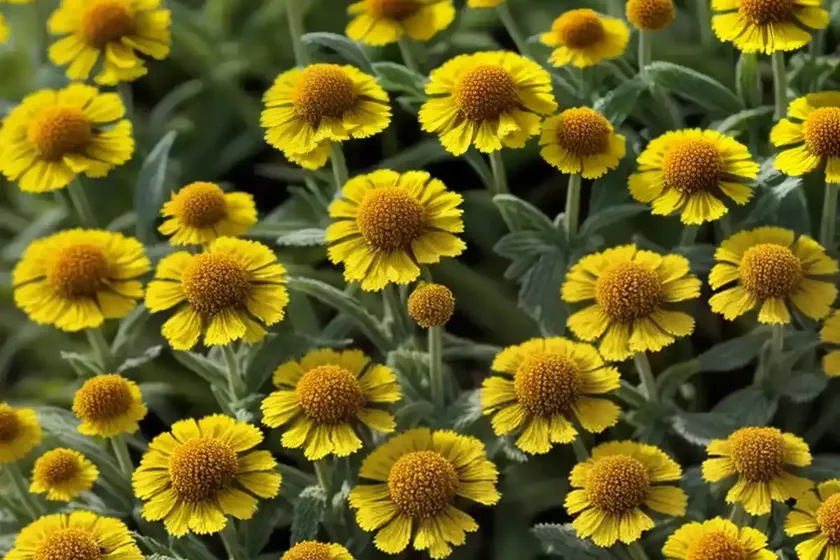
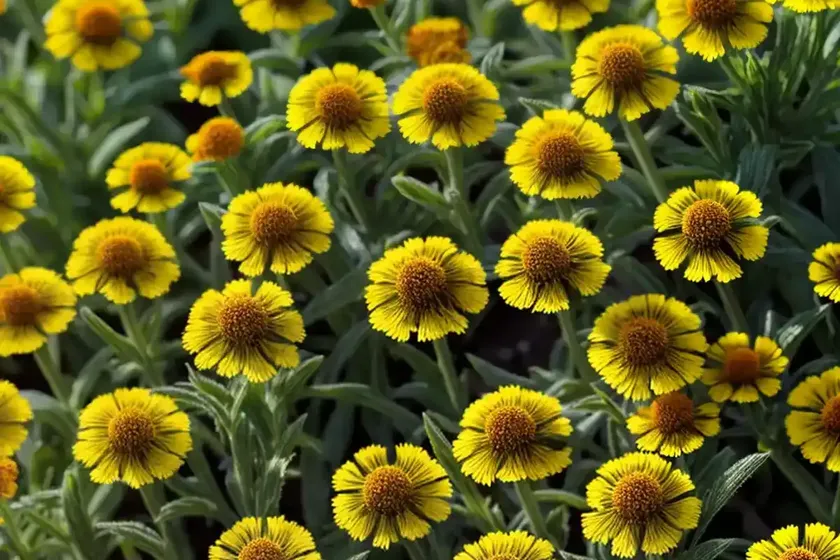
Plants are a remarkable part of our environment, offering vibrant colors, pleasant fragrances, and a sense of tranquility. One such plant that captivates the eyes and soul is the Helenium ‘Waltraut’, commonly known as Sneezeweed. In this comprehensive guide, we will explore the features, growth conditions, uses, and maintenance of the Helenium ‘Waltraut’, offering valuable insights for plant enthusiasts and gardeners.
What Is Helenium ‘Waltraut’ (Sneezeweed)?
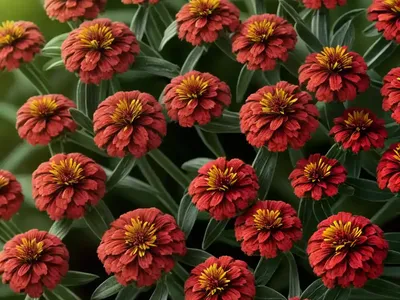
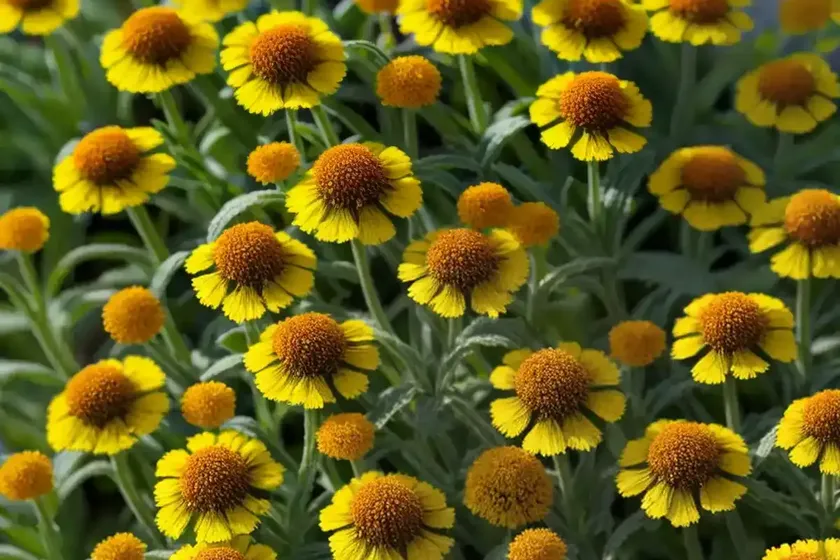
Helenium ‘Waltraut’ is a herbaceous perennial plant belonging to the Asteraceae family. It is popular for its stunning, daisy-like flowers that bloom in rich shades of orange, red, and bronze, making it a delightful addition to any garden or landscape. The name “Sneezeweed” is derived from the historical use of its dried leaves and flowers in making snuff, although it is important to note that this plant does not cause sneezing.
This plant typically reaches a height of 3 to 5 feet, with a spread of 1 to 3 feet, creating a bold and dramatic presence in the garden. Its attractive foliage and long-lasting blooms make it a favorite among gardeners who seek to add a touch of warmth and vibrancy to their outdoor spaces.
Key Takeaways – Helenium ‘Waltraut’ (Sneezeweed)
The Helenium ‘Waltraut’ (Sneezeweed) possesses several unique characteristics and requirements that make it distinct and valuable in a garden setting. Here are the key takeaways for this remarkable plant:
- Botanical Name: Helenium ‘Waltraut’
- Common Name: Sneezeweed
- Plant Type: Herbaceous perennial
- Flower Characteristics: Daisy-like blooms in shades of orange, red, and bronze
- Height: 3 to 5 feet
- Spread: 1 to 3 feet
- Growth Period: Summer to early fall
- Attracts: Bees, butterflies, and other pollinators
- Landscape Use: Borders, butterfly gardens, and native plant gardens
With this foundation in place, let’s delve deeper into the specific aspects of Helenium ‘Waltraut’, including its cultural requirements, uses, and maintenance guidelines.
Culture
Cultivating Helenium ‘Waltraut’ involves understanding its specific environmental and care needs to ensure its optimal growth and blooming. By paying attention to the following factors, gardeners can create an environment that promotes the health and beauty of this exceptional plant.
Water
Proper watering is crucial for the well-being of Helenium ‘Waltraut’. Here are some water-related guidelines for growing this plant:
- Regular Watering: Helenium ‘Waltraut’ prefers consistently moist soil, especially during periods of active growth and flowering.
- Avoid Waterlogging: While it enjoys moist conditions, it is essential to prevent waterlogging, which can lead to root rot and other issues.
- Mulching: Applying a layer of organic mulch around the base of the plant helps retain soil moisture and regulates the temperature of the root zone.
Sunlight
Adequate sunlight is essential for the healthy growth and prolific flowering of Helenium ‘Waltraut’. Consider the following points related to sunlight exposure:
- Full or Partial Sun: It thrives in full to partial sun, requiring at least 6 hours of direct sunlight per day for the best blooming performance.
- Eastern or Western Exposure: Planting it in an area with eastern or western exposure allows it to benefit from the morning or afternoon sun, respectively.
Fertilizer
Appropriate fertilization supports the nutrient requirements of Helenium ‘Waltraut’, promoting vigorous growth and abundant flowering. Consider the following fertilizer guidelines:
- Balanced Fertilizer: Use a balanced, slow-release fertilizer in spring to provide essential nutrients for the growing season.
- Avoid Excessive Nitrogen: Refrain from using excessive nitrogen-rich fertilizers, as they can lead to excessive foliage growth at the expense of flowering.
Soil
The right soil conditions form the foundation for the healthy development of Helenium ‘Waltraut’. Take note of these soil-related recommendations:
- Well-Draining Soil: Plant in well-draining soil to prevent waterlogged conditions that can be detrimental to the plant’s health.
- Organic Matter: Amending the soil with organic matter, such as compost, enhances its fertility and texture, creating an ideal growing medium for the plant.
Pruning
Pruning plays a crucial role in maintaining the vitality and beauty of Helenium ‘Waltraut’. By following these pruning tips, gardeners can ensure that the plant remains healthy and visually appealing:
- Deadheading: Regularly remove faded flowers to promote continuous blooming and prevent the plant from self-seeding excessively.
- Stem Pruning: Cut back the stems to ground level in late fall or early spring to rejuvenate the plant and stimulate new growth.
Propagation
While Helenium ‘Waltraut’ is a long-lived perennial, it can be propagated to expand its presence in the garden or share with other plant enthusiasts. Here are the primary methods of propagation for this plant:
- Division: Dividing the plant every few years in early spring helps maintain its vigor and yields additional plants for new garden areas or sharing with others.
- Root Cuttings: Propagating from root cuttings in early spring is another viable method for expanding the plant population while preserving the characteristics of the parent plant.
Container Popularity
The striking appearance and relatively low maintenance requirements of Helenium ‘Waltraut’ make it a popular choice for container gardening. When grown in containers, consider the following care guidelines:
- Container Size: Choose a spacious container that accommodates the plant’s mature size and allows room for healthy root development.
- Well-Draining Soil: Fill the container with well-draining potting mix to prevent waterlogging and promote optimal growth.
Common Diseases
While Helenium ‘Waltraut’ is generally resistant to most diseases, it can be susceptible to certain issues under unfavorable conditions. Common diseases that may affect this plant include:
- Powdery Mildew: This fungal disease can occur in humid conditions, leading to a powdery white growth on the foliage.
- Leaf Spot: Fungal leaf spot diseases may affect the foliage, causing dark spots and potential leaf damage.
Disease Diagnosis
If you observe any unusual symptoms or changes in the appearance of Helenium ‘Waltraut’, conducting a thorough diagnosis can help identify and address any potential diseases. Look for the following signs to aid in disease diagnosis:
- Foliage Changes: Yellowing, browning, or unusual discoloration of the leaves may indicate the presence of a disease.
- Abnormal Growth: Stunted growth, wilting, or distortion of plant parts are indicators of potential disease issues.
Common Pests
Helenium ‘Waltraut’ is relatively resistant to pest infestations but may encounter certain pests that can impact its health and appearance. Some common pests to watch out for include:
- Aphids: These small, sap-sucking insects can cluster on the plant’s tender growth, causing distorted leaves and reduced vigor.
- Spider Mites: These tiny arachnids can infest the foliage, leading to stippling and webbing on the undersides of the leaves.
Botanist’s Tips
To enhance your success in growing and caring for Helenium ‘Waltraut’, consider the following expert tips:
- Monitor Soil Moisture: Keep a close eye on soil moisture levels, ensuring that the plant does not experience prolonged dry periods or waterlogged conditions.
- Support Structures: Install sturdy support structures, such as stakes or rings, to keep the tall stems of Helenium ‘Waltraut’ upright and prevent lodging.
Fun Facts
Discover some fascinating and fun facts about Helenium ‘Waltraut’ that add to its allure and appeal:
- Butterfly Magnet: The vibrant blooms of Helenium ‘Waltraut’ are highly attractive to butterflies, adding a delightful flutter of wings to the garden.
- Long Blooming Period: With proper care, this plant can produce an extended display of colorful blooms from midsummer into early fall, extending the visual interest in the garden.
Now that we have explored the various facets of Helenium ‘Waltraut’, it is important to leverage reliable external resources for further information, inspiration, and support in cultivating this captivating plant.
Links to External Resources
Explore the following external resources to deepen your knowledge and appreciation of Helenium ‘Waltraut’ (Sneezeweed):
- Helenium ‘Waltraut’ Plant Profile – The Royal Horticultural Society
- Growing Helenium ‘Waltraut’ – University of Maryland Extension
- Sneezeweed: A Splash of Autumn Color – Missouri Botanical Garden
- Helenium ‘Waltraut’: Perfect for Pollinators – National Wildlife Federation
In conclusion, Helenium ‘Waltraut’ (Sneezeweed) represents a captivating and valuable addition to any garden, offering richly colored blooms, a long-lasting flowering period, and wildlife attraction benefits. By understanding its culture, uses, and maintenance requirements, gardeners can foster the growth and beauty of this remarkable plant, creating vibrant and inviting outdoor spaces.
By incorporating the provided insights and leveraging external resources, plant enthusiasts can embark on a fulfilling journey of nurturing and showcasing the beauty of Helenium ‘Waltraut’, contributing to the biodiversity and visual splendor of their surroundings.
Remember to embrace the joy and wonder of gardening, and let the radiant hues of Helenium ‘Waltraut’ inspire and enrich your outdoor oasis.