Helenium ‘Kokarde’ (Sneezeweed)
Helenium ‘Kokarde’ (Sneezeweed) is a stunning perennial plant known for its vibrant and aromatic blooms. It belongs to the Asteraceae family, which.
What is Plant Helenium ‘Kokarde’ (Sneezeweed)?
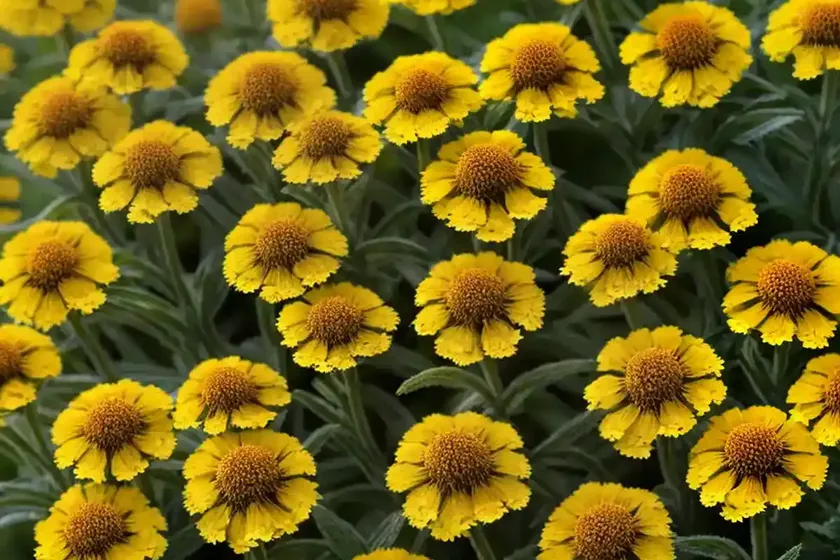
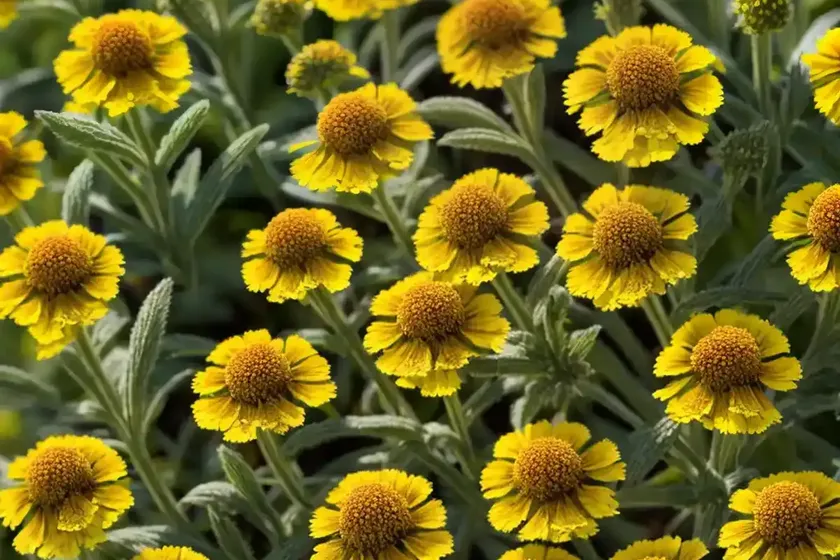
Helenium ‘Kokarde’ (Sneezeweed) is a stunning perennial plant known for its vibrant and aromatic blooms. It belongs to the Asteraceae family, which includes a wide variety of flowering plants. The Helenium genus consists of approximately 40 species, most of which are native to North and Central America.
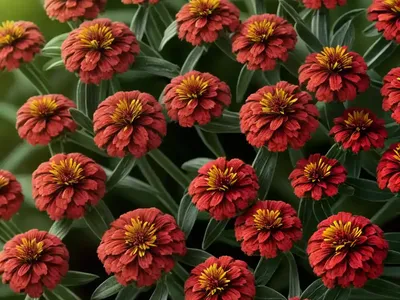
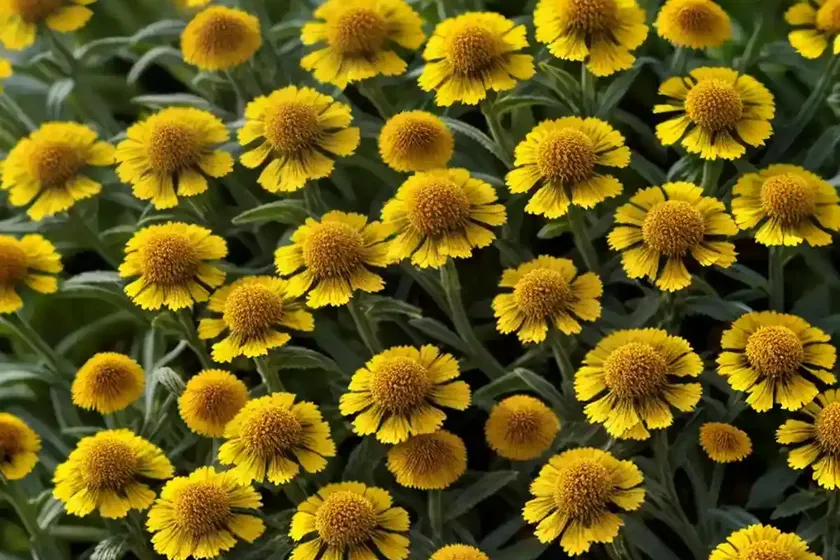
The ‘Kokarde’ cultivar of Helenium is particularly renowned for its striking, multi-colored flowers that resemble the shades of a butterfly’s wings. The plant’s common name, “Sneezeweed,” is derived from its historic use in making snuff, although it is essential to note that it does not induce sneezing.
This blog post serves as a comprehensive guide to understanding and cultivating Helenium ‘Kokarde.’ We will explore its cultural significance, uses in landscaping, care instructions, growing conditions, and much more. Whether you are a seasoned gardener or a newcomer to the world of plants, the insights within this article will provide you with a deeper understanding of this captivating flower.
Key Takeaways – Helenium ‘Kokarde’ (Sneezeweed)
Before delving into the intricate details of Helenium ‘Kokarde,’ let’s take a glance at some key takeaways about this delightful plant:
- Scientific Name: Helenium ‘Kokarde’
- Common Name: Sneezeweed
- Plant Type: Perennial
- Flower Color: Multicolored, resembling the hues of a butterfly
- Sunlight: Full sun to partial shade
- Watering: Regular watering, maintaining moist soil
- Soil Type: Well-draining soil, rich in organic matter
- Mature Height: Approximately 36 inches
- Propagation: Division or from seeds
- Uses: Landscaping, cut flowers, attracting pollinators
Now that we have a glimpse of what Helenium ‘Kokarde’ has to offer, let’s embark on a detailed journey to unravel the magic encapsulated in this exquisite plant.
Culture
Uses
Attracting Pollinators
Helenium ‘Kokarde’ is celebrated for its ability to attract an array of pollinators, including butterflies and bees, with its vibrant blooms. In a time when pollinator populations are facing challenges, cultivating plants like Helenium ‘Kokarde’ can play a pivotal role in supporting these essential facets of our ecosystem.
Landscaping
In addition to its ecological significance, Helenium ‘Kokarde’ serves as a captivating addition to any garden or landscape. Whether in borders, containers, or wildflower meadows, the stunning colors of its flowers can brighten any setting.
Cut Flowers
The long stems and lasting blooms make Helenium ‘Kokarde’ an excellent choice for cut flower arrangements. From casual bouquets to more formal floral displays, the multi-colored flowers add a touch of natural elegance to any setting.
Water
Proper watering is crucial for the health and vitality of Helenium ‘Kokarde.’ While it thrives in moist conditions, it is essential to avoid waterlogging the soil, as excessive moisture can lead to root rot. Regular watering, particularly during dry spells, is recommended to maintain the moisture levels necessary for robust growth.
Sunlight
Helenium ‘Kokarde’ flourishes in full sun to partial shade. When planted in a location that receives ample sunlight, it rewards with an abundant display of colorful blooms. Optimal exposure to sunlight also contributes to the plant’s overall vigor and resilience.
Fertilizer
Feeding Helenium ‘Kokarde’ with a balanced, all-purpose fertilizer can enhance its performance, especially during the growing season. A light application of fertilizer in early spring, followed by another in early summer, can provide the necessary nutrients for healthy growth and prolific flowering.
Soil
The importance of well-draining soil cannot be overstated when it comes to cultivating Helenium ‘Kokarde.’ Loamy, rich soil with good drainage and ample organic matter supports the plant’s development and helps prevent issues such as waterlogged roots. Adding compost to the soil can help improve its structure and fertility.
Pruning
Regular deadheading is a simple yet effective practice for promoting continuous blooming and maintaining the aesthetic appeal of Helenium ‘Kokarde.’ By removing faded flowers, the plant’s energy is redirected towards producing new blooms, ensuring a prolonged display of colorful petals.
Propagation
Division
Helenium ‘Kokarde’ can be propagated through division, which involves separating portions of an existing plant to create new individuals. This method is typically carried out in early spring or fall, as the plant enters periods of dormancy or reduced growth. By carefully dividing the root clumps and replanting them, gardeners can expand their Helenium ‘Kokarde’ collection.
Seeds
Growing Helenium ‘Kokarde’ from seeds is another viable option for propagation. Sowing the seeds in well-prepared soil during the appropriate season can yield new plants with the same captivating characteristics as the parent. Seed propagation allows for the creation of diverse plantings, each with its unique blend of colors and features.
Container Popularity
The versatility of Helenium ‘Kokarde’ extends to its ability to thrive in containers, making it a popular choice for container gardening enthusiasts. Whether displayed on patios, balconies, or within garden settings, the vibrant blooms of the Sneezeweed cultivar add a touch of natural artistry to any container arrangement.
Container Common Diseases
Proper container care is essential to prevent potential diseases that can affect Helenium ‘Kokarde’ when grown in containers. By ensuring adequate drainage, using well-draining soil, and providing optimal growing conditions, the risk of diseases such as root rot can be minimized, allowing the plant to flourish in its container habitat.
Disease Diagnosis
While Helenium ‘Kokarde’ is generally resilient, it is susceptible to certain diseases that can impact its health and appearance. Diagnosing diseases such as powdery mildew or leaf spot early on enables gardeners to take prompt remedial measures, preventing the spread of the infection and preserving the plant’s vitality.
Common Pests
Helenium ‘Kokarde’ may attract pests such as aphids or spider mites under certain conditions. Regular inspections and prompt action to address pest infestations can safeguard the plant from potential damage and ensure its continued well-being.
Botanist’s Tips
Suitable Companions
In garden settings, Helenium ‘Kokarde’ harmonizes beautifully with a variety of companion plants. Species such as Rudbeckia, Echinacea, and Liatris complement the vibrant hues of the Sneezeweed cultivar, creating visually captivating and ecologically sound plant combinations.
Soil Amendments
Amending the soil with organic matter, such as compost or well-rotted manure, can enhance the overall soil structure and fertility, creating optimal growing conditions for Helenium ‘Kokarde.’ Additionally, mulching with organic materials can help conserve soil moisture and suppress weed growth.
Pollinator-Friendly Landscapes
Incorporating Helenium ‘Kokarde’ into landscapes designed to attract and support pollinators contributes to the conservation of vital pollinator species. By creating pollinator-friendly habitats, gardeners can make meaningful contributions to the preservation of biodiversity and the natural environment.
Fun Facts
- Ethnobotanical Significance: Historically, certain Native American tribes utilized Helenium plants for medicinal purposes, including treatments for respiratory ailments and fevers.
- Butterfly Magnet: The vibrant blooms of Helenium ‘Kokarde’ have an irresistible allure for butterflies, making it an essential addition to butterfly gardens and wildlife-friendly landscapes.
- Cultural Symbolism: In some cultures, the presence of Helenium ‘Kokarde’ is associated with attributes such as resilience, diversity, and natural beauty, reflecting the plant’s captivating characteristics.
Links to External Resources
For those eager to further explore the enchanting world of Helenium ‘Kokarde’ and delve deeper into topics related to plant care, propagation, and ecological significance, the following resources are invaluable:
-
The American Horticultural Society – A leading authority on horticultural information and resources, offering insights on perennial plant cultivation and garden design.
-
Royal Horticultural Society – An esteemed organization providing comprehensive guidance on gardening, plant care, and sustainable horticultural practices.
-
Botanical Society of America – A hub for botanical research and education, featuring a wealth of botanical information and resources for plant enthusiasts.
-
National Gardening Association – An extensive repository of gardening knowledge, including articles, forums, and resources for plant enthusiasts of all levels.
-
Missouri Botanical Garden – A renowned botanical institution offering botanical research, education, and a rich repository of plant-related information.
In conclusion, Helenium ‘Kokarde’ (Sneezeweed) stands as a splendid testament to the natural beauty and ecological significance of perennial plants. From its enchanting blooms and diverse uses to its role in supporting pollinators, this captivating flower embodies the essence of a sustainable and vibrant garden ecosystem. By nurturing and appreciating plants like Helenium ‘Kokarde,’ we embrace the rich tapestry of nature and contribute to the preservation of our botanical heritage. Whether adorning garden landscapes or gracing floral displays, the allure of Helenium ‘Kokarde’ continues to captivate and inspire plant enthusiasts worldwide.