Helenium Amarum (Yellow Sneezeweed)
Plants are an integral part of our ecosystem, providing essential benefits to our environment and well-being. One such plant that deserves special.
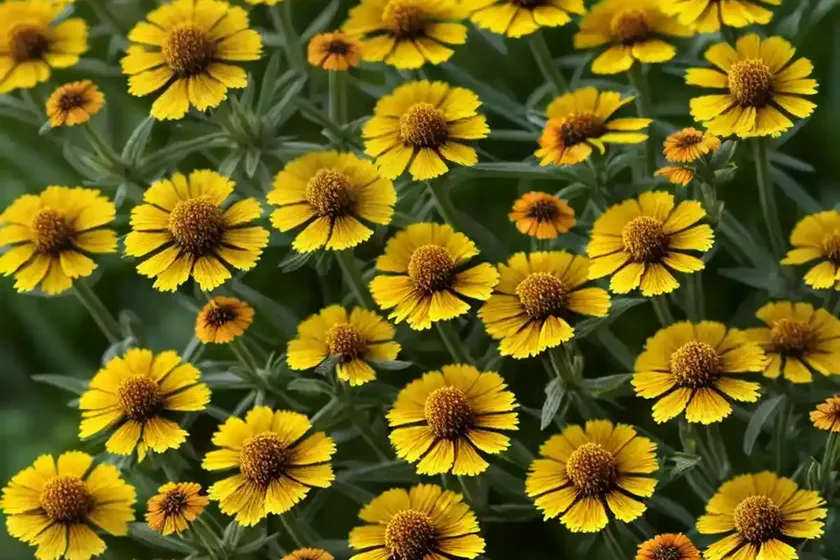
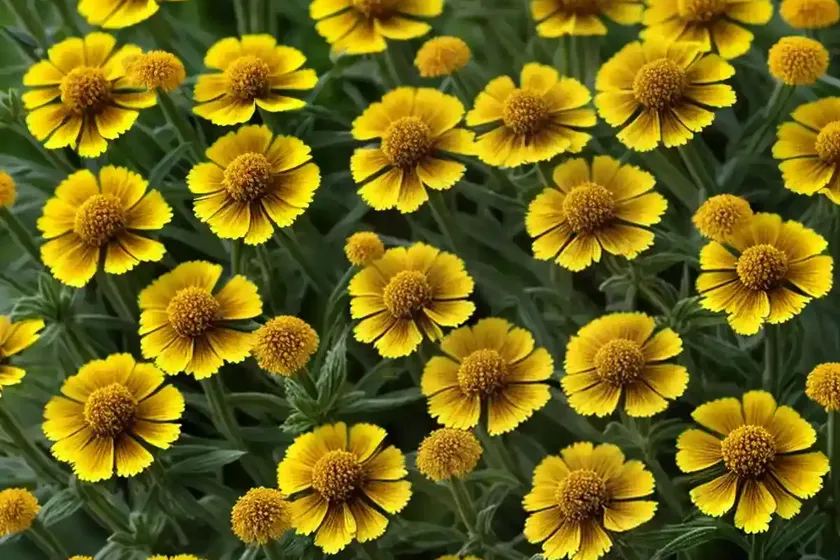
Plants are an integral part of our ecosystem, providing essential benefits to our environment and well-being. One such plant that deserves special attention is the Helenium amarum, commonly known as Yellow Sneezeweed. In this comprehensive guide, we will delve into the various aspects of Helenium amarum, from its cultural requirements and uses to its propagation, common diseases, and intriguing fun facts. Whether you are a seasoned gardener or just starting, this guide will provide valuable insights into the world of Yellow Sneezeweed.
What is Helenium amarum (Yellow Sneezeweed)?
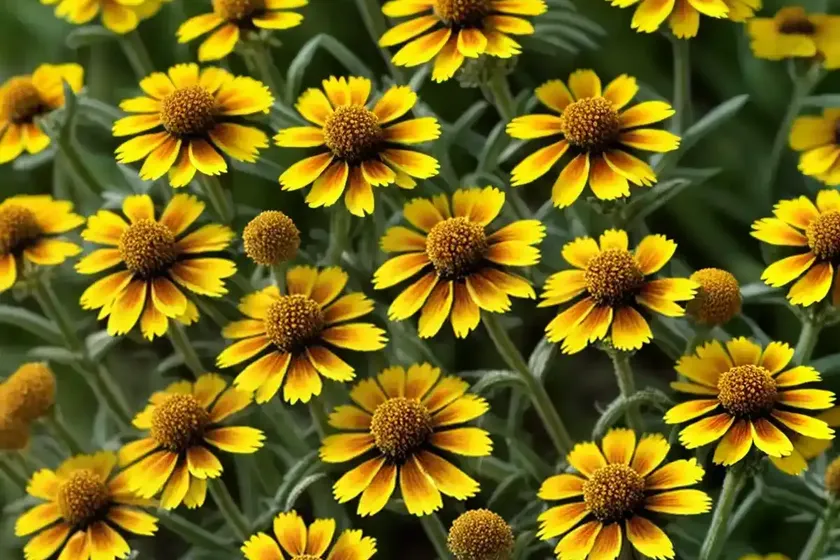
Helenium amarum, a member of the Asteraceae family, is a perennial herbaceous plant native to North America. It is characterized by its vibrant yellow flowers with a dark brown center, creating a striking visual appeal. This plant typically thrives in open, sunny areas and is known for its resilience and adaptability to various growing conditions.
Key Takeaways – Helenium amarum (Yellow Sneezeweed)
Before we venture into the details of cultivating and caring for Helenium amarum, let’s explore some key takeaways about this remarkable plant:
- Scientific Name: Helenium amarum
- Common Name: Yellow Sneezeweed
- Family: Asteraceae
- Native Habitat: North America
- Flower Color: Vibrant Yellow with Dark Brown Center
Now that we have a brief overview of Helenium amarum, let’s delve into the essential aspects of its care and cultivation.
Culture
Cultivating Helenium amarum requires an understanding of its specific cultural needs, ranging from water and sunlight requirements to soil preferences and fertilization. Let’s explore each of these aspects in detail to ensure the optimal growth of Yellow Sneezeweed in your garden.
Water
Proper watering is crucial for the healthy growth of Helenium amarum. While this plant exhibits some tolerance to drought conditions once established, consistent watering is essential, especially during its initial growth stages and hot, dry periods. Adequate moisture in the soil promotes robust flowering and overall plant health.
- Water Requirements: Moderate to High
- Optimal Watering Schedule: Regular watering, especially during dry spells
- Preferred Watering Method: Deep, thorough watering to encourage deep root establishment
Sunlight
Yellow Sneezeweed thrives in full sunlight, showcasing its vibrant blooms and maintaining its compact growth habit. When selecting a planting spot for Helenium amarum, prioritize locations that receive ample sunlight throughout the day. Insufficient sunlight can result in leggy growth and reduced flowering.
- Sunlight Needs: Full Sun (6-8 hours of direct sunlight per day)
- Preferred Sun Exposure: South or West-facing locations
Fertilizer
Helenium amarum benefits from a balanced fertilization regimen, providing the necessary nutrients for robust growth and prolific flowering. A slow-release, general-purpose fertilizer applied in early spring can support the plant’s nutritional needs throughout the growing season. Additionally, incorporating organic matter into the soil during planting helps enrich the growing environment for Yellow Sneezeweed.
- Fertilization Schedule: Apply fertilizer in early spring
- Recommended Fertilizer Type: Balanced, slow-release fertilizer
- Organic Amendment: Incorporate well-rotted compost or organic matter during planting
Soil
Understanding the soil preferences of Helenium amarum is essential for creating an optimal growing environment. This plant thrives in well-draining, moderately fertile soil with a slightly acidic to neutral pH. Avoid waterlogged or compacted soils, as they can impede root development and lead to potential issues such as root rot.
- Soil Type: Well-draining loamy soil
- pH Range: Slightly acidic to neutral (pH 6.0-7.0)
- Soil Texture: Moderately fertile, loose soil texture
Pruning
Pruning plays a significant role in maintaining the health and appearance of Helenium amarum. Regular deadheading, the removal of spent flowers, promotes continuous blooming and prevents the plant from expending energy on seed production. Additionally, periodic rejuvenation pruning can help rejuvenate older plants and encourage fresh growth.
- Deadheading Frequency: Regularly remove spent flowers throughout the blooming season
- Rejuvenation Pruning: Perform rejuvenation pruning in early spring to remove older growth and encourage new shoots
- Tools: Use sharp, clean pruners for precise cuts without causing damage to the plant
Propagation
Reproducing Yellow Sneezeweed through propagation techniques allows for the expansion of its presence in the garden or the establishment of new plantings. While Helenium amarum primarily propagates through division, other methods such as seed propagation can also be utilized to increase the plant population.
Division
Division serves as a reliable method for propagating Helenium amarum, especially for established plants with well-developed clumps. This technique involves carefully dividing the plant into smaller sections, each containing viable roots and growing points, to create new individual plants.
- Optimal Time: Early spring or fall
- Steps:
- Carefully dig up the plant and separate the clumps into smaller sections
- Ensure that each division has a portion of the root system and several healthy shoots
- Replant the divisions in prepared soil and water thoroughly
Seed Propagation
While Helenium amarum naturally self-seeds in suitable growing conditions, deliberate seed propagation can be employed to produce new plants. Collecting mature seeds from the plant and sowing them in a controlled environment allows for the cultivation of diverse Helenium amarum varieties.
- Seed Collection: Gather mature seeds from dried flower heads in late summer to early fall
- Sowing Method:
- Sow the seeds in seed-starting trays or pots filled with a well-draining starting mix
- Cover the seeds lightly with soil and water gently
- Provide consistent moisture and warmth for successful germination
Container Popularity
The versatility of Helenium amarum extends to its suitability for container cultivation, making it an attractive choice for gardeners with limited outdoor space or those seeking to adorn patios and balconies with its vibrant blooms. When considering container planting for Yellow Sneezeweed, several factors come into play to ensure the plant’s success in a confined growing environment.
- Container Size: Select large, sturdy containers to accommodate the plant’s mature size and root system
- Drainage: Ensure sufficient drainage holes in the container to prevent waterlogging
- Potting Mix: Use a well-draining, nutrient-rich potting mix suitable for perennial plants
- Sun Exposure: Place the container in a location with adequate sunlight for optimal growth and flowering
Helenium amarum’s adaptability to container cultivation opens up opportunities for incorporating this charming plant into various gardening settings, from traditional garden landscapes to urban and small-space gardens.
Common Diseases
Like all plants, Helenium amarum is susceptible to certain diseases and issues that can impact its health and vitality. Recognizing the symptoms of common diseases and understanding appropriate management practices are essential for safeguarding the well-being of Yellow Sneezeweed.
Disease Diagnosis
Several common diseases can affect Helenium amarum, often manifesting through visible symptoms that indicate the presence of a particular issue. Being able to identify these symptoms and promptly address them is critical for preventing the disease from spreading and causing extensive damage to the plant.
- Powdery Mildew: Look for white, powdery patches on the foliage, often accompanied by leaf distortion and stunted growth
- Root Rot: Symptoms include wilting, yellowing foliage, and general decline, often indicating waterlogged or poorly drained soil
- Leaf Spot: Circular spots or lesions on the leaves, typically surrounded by a darker border, may indicate the presence of fungal pathogens
Common Pests
In addition to diseases, Helenium amarum can fall prey to various pests that feed on its foliage, sap, or flowers. Implementing proactive pest monitoring and employing suitable control methods can help mitigate the impact of these pests on the plant.
- Aphids: Small, soft-bodied insects clustering on the new growth and undersides of leaves
- Leaf Miners: Larvae of these pests create tunneling patterns within the foliage, leading to discolored and distorted leaves
- Spider Mites: These tiny pests may cause stippling, webbing, and overall decline of the plant due to their feeding activity
Botanist’s Tips
Drawing from botanical insights and practical experience, here are valuable tips for successfully cultivating and caring for Helenium amarum:
- Companion Planting: Pair Yellow Sneezeweed with pollinator-attracting plants such as Echinacea and Agastache to create a vibrant and wildlife-friendly garden setting
- Seasonal Care: Prune the plant in early spring to encourage compact growth and ample flowering during the growing season
- Wildlife Habitat: The nectar-rich blooms of Helenium amarum attract pollinators such as bees and butterflies, contributing to the ecological diversity of the garden
Fun Facts
Uncover intriguing and lesser-known facts about Helenium amarum that add to its allure and appeal in the garden:
- Medicinal Properties: In traditional medicine, certain indigenous communities used Helenium amarum for its potential medicinal properties, particularly for respiratory ailments
- Color Symbolism: The vibrant yellow blooms of Yellow Sneezeweed symbolize vitality and brightness, adding a cheerful touch to garden landscapes
- Native Habitat Benefits: In its natural habitat, Helenium amarum contributes to the preservation of local ecosystems by providing food and habitat for native pollinators and wildlife
Links to External Resources
For further exploration of Helenium amarum and its diverse aspects, here are valuable external resources to deepen your knowledge and appreciation of this captivating plant:
- The American Society of Plant Biologists
- USDA Plants Database
- The Royal Horticultural Society (RHS)
- Missouri Botanical Garden
Now equipped with comprehensive knowledge about Yellow Sneezeweed, you are empowered to embark on an enriching journey of cultivating, enjoying, and benefiting from the remarkable Helenium amarum in your garden.
In conclusion, Helenium amarum (Yellow Sneezeweed) holds a special place in the realm of ornamental and ecological plants, captivating enthusiasts with its vibrant blooms, wide-ranging uses, and resilience. By embracing its cultural requirements, understanding its unique traits, and appreciating its ecological contributions, we can foster a deeper connection with this remarkable plant and enrich our garden landscapes with its presence.
Remember, the journey of nurturing Helenium amarum is not just about gardening; it’s a delightful exploration of nature’s bountiful offerings and the captivating world of plants.
Happy gardening with Yellow Sneezeweed!