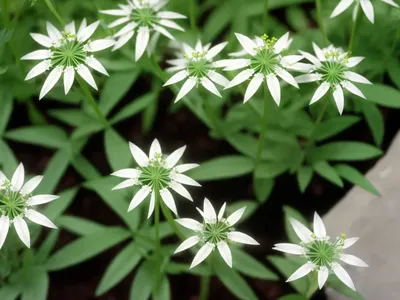
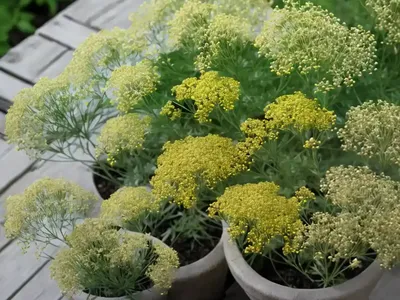
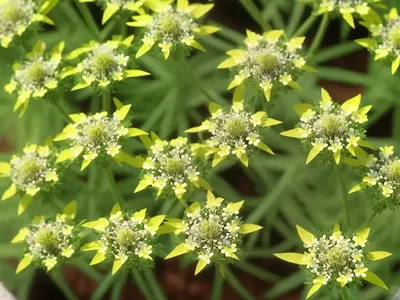
Hedge Bedstraw (Galium Mollugo)
Hedge bedstraw, scientifically known as Galium mollugo, is a perennial flowering plant that belongs to the Rubiaceae family. It is known for its delicate.
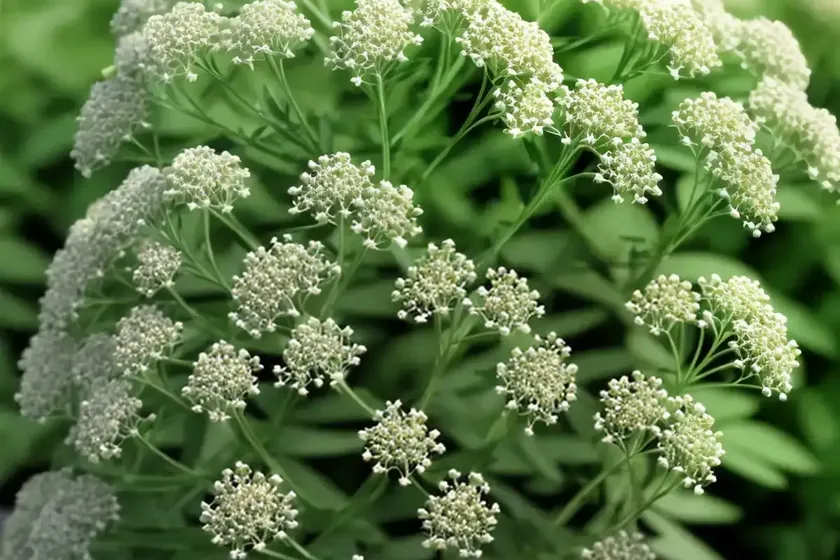
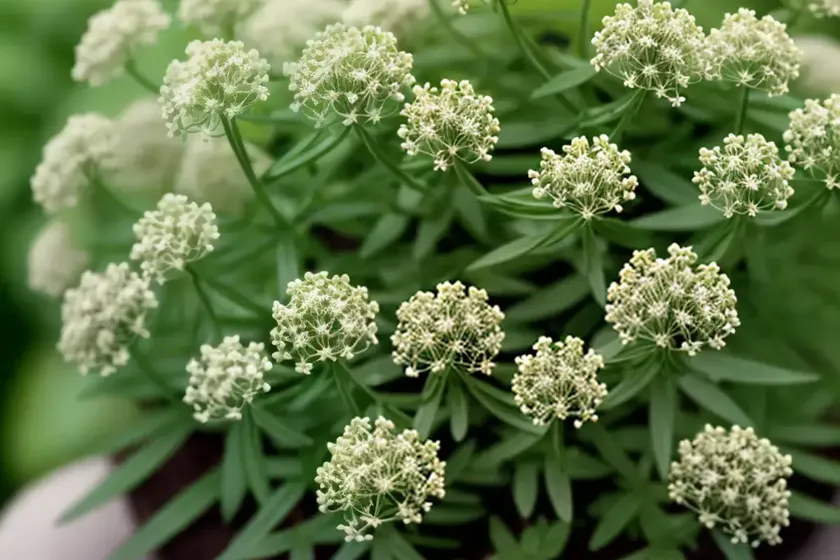
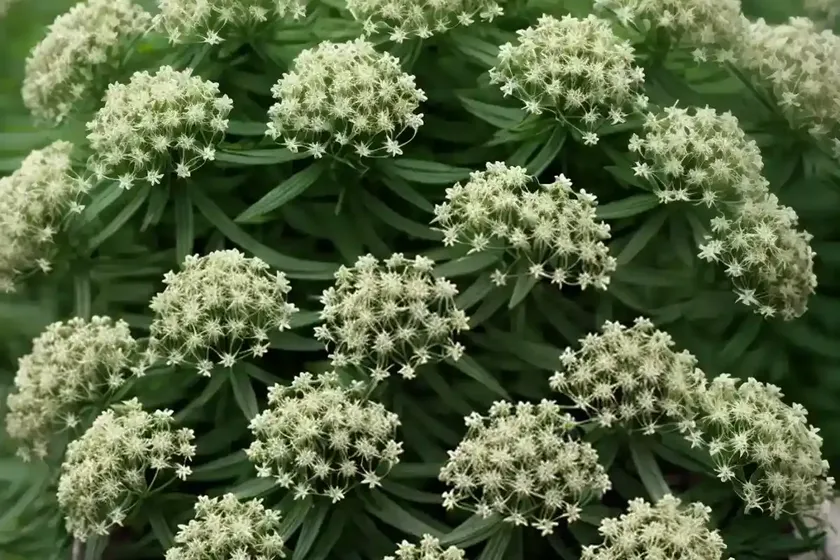
Hedge bedstraw, scientifically known as Galium mollugo, is a perennial flowering plant that belongs to the Rubiaceae family. It is known for its delicate white flowers and its diverse uses in landscaping, herbal medicine, and ecological sustainability. In this comprehensive guide, we will explore the various aspects of hedge bedstraw, including its cultural requirements, uses, propagation methods, common diseases, and interesting facts. Whether you are a gardening enthusiast, a herbalist, or a nature lover, this guide will provide you with valuable insights into this fascinating plant.
Plant Description: Hedge Bedstraw (Galium mollugo)
Before delving into the specific aspects of hedge bedstraw, let’s explore its taxonomy, habitat, and plant characteristics.
Taxonomy and Common Names
- Kingdom: Plantae
- Order: Gentianales
- Family: Rubiaceae
- Genus: Galium
- Species: mollugo
Common Names:
Hedge bedstraw is known by various common names in different regions, including wild madder, white bedstraw, false baby’s breath, and lady’s bedstraw.
Plant Characteristics
- Height: 30-100 cm (12-40 inches)
- Leaves: Whorled, narrow, and smooth
- Flowers: Small, white, and fragrant
- Fruit: Small, rounded, and often covered in fine hairs
Natural Habitat
Hedge bedstraw is native to Europe, Western Asia, and North Africa. It thrives in a variety of habitats, including woodlands, meadows, and hedgerows. It has also been introduced to North America and other regions, where it can be found in similar habitats.
Key Takeaways – Hedge Bedstraw (Galium mollugo)
Benefits of Hedge Bedstraw
- Landscaping: Hedge bedstraw is valued for its ability to form dense mats, making it an excellent ground cover in gardens and naturalistic landscapes.
- Medicinal Uses: It has a long history of traditional medicinal use, known for its diuretic and mild sedative properties.
- Ecological Role: As a native plant in certain regions, it supports pollinators and provides habitat for wildlife.
- Cultural Significance: Its use in traditional crafts, herbal remedies, and folklore adds to its cultural and historical importance.
Growing Hedge Bedstraw
- Low Maintenance: Once established, hedge bedstraw requires minimal maintenance and can thrive in a variety of growing conditions.
- Fragrant Flowers: The delicate, white flowers add to the aesthetic appeal of the plant and attract pollinators.
- Diverse Applications: It can be grown in gardens, used for erosion control, and incorporated into natural dyeing processes.
Now that we have gained an overview of hedge bedstraw, let’s delve into its specific cultural requirements, including water, sunlight, fertilizer, soil, and pruning.
Culture
Water
Hedge bedstraw is adaptable to different moisture levels and can tolerate both dry and moderately moist conditions once established. However, it prefers consistently moist, well-drained soil, particularly during the establishment phase. Regular watering is necessary during dry periods to ensure healthy growth and flowering.
Sunlight
This plant thrives in partial to full sun conditions. It can tolerate light shade, but proper sunlight is essential for optimal flowering and dense growth. When grown in areas with intense sunlight, providing some afternoon shade can be beneficial, especially in warmer climates.
Fertilizer
Hedge bedstraw is not particularly demanding when it comes to fertilization. It can thrive in nutrient-poor soils, making it well-suited for naturalistic landscapes. However, incorporating organic matter into the soil during planting can promote healthy growth. If needed, a balanced, slow-release fertilizer can be applied in early spring to support the plant’s growth and flowering.
Soil
When it comes to soil preferences, hedge bedstraw is versatile and can adapt to various soil types. It thrives in well-drained, loamy soils but can also tolerate clay and sandy soils. It prefers slightly acidic to neutral soil pH. Soil that retains some moisture without becoming waterlogged is ideal for this plant.
Pruning
One of the appealing traits of hedge bedstraw is its ability to form dense, low-growing mats without the need for extensive pruning. However, if necessary, pruning can be carried out in late winter or early spring to remove any dead or overgrown vegetation. This can help maintain a tidy appearance and promote new growth.
Now that we have gained insights into the cultural requirements of hedge bedstraw, let’s explore its propagation methods and the use of containers.
Propagation
Propagation Methods
Hedge bedstraw can be propagated through both seeds and vegetative means. Here are the common propagation methods:
- Seeds: Collect mature seeds from the plant and sow them in well-prepared soil in the desired location. Lightly cover the seeds with soil and keep them consistently moist until germination occurs.
- Division: The plant can be divided in early spring or early fall by carefully separating the root mass into smaller sections. Each division should have viable roots and shoots to ensure successful establishment.
Container
Hedge bedstraw can be grown in containers, making it a versatile option for small gardens and urban landscapes. When grown in containers, it is essential to use a well-draining potting mix and ensure regular watering to prevent the soil from drying out completely. Selecting a container with sufficient drainage holes is crucial for the plant’s success.
In the next section, let’s delve into the popularity and uses of hedge bedstraw in landscaping, as well as its habitat and growth habits.
Popularity
Common Uses
Hedge bedstraw is valued for its versatility and diverse uses in landscaping and ecological sustainability. Some common uses include:
- Ground Cover: It forms dense mats and can be used to cover bare ground in naturalistic landscapes and woodland areas.
- Wildlife Habitat: Its attractive flowers and dense foliage provide habitat for butterflies, bees, and other pollinators.
- Erosion Control: The extensive root system of hedge bedstraw helps stabilize soil on slopes and prevents erosion.
- Natural Dye Source: The plant has been historically used for producing yellow and green dyes from its roots and aerial parts.
Habitat
In its natural habitat, hedge bedstraw thrives in open woodlands, hedgerows, and grassy areas. It can be found in both disturbed and undisturbed habitats, adapting to a range of environmental conditions. Its ability to thrive in diverse habitats contributes to its ecological resilience and adaptability.
Growth Habits
Hedge bedstraw exhibits a prostrate growth habit, forming low-growing mats with sprawling stems. The plant tends to spread through rhizomes and can quickly colonize open areas with suitable growing conditions. Its growth habit makes it an effective ground cover and an attractive option for naturalistic landscapes.
Moving on, we will explore the common diseases and pests that can affect hedge bedstraw and learn about potential remedies and prevention strategies.
Common Diseases
Hedge bedstraw is generally resistant to most major diseases. However, it may occasionally encounter issues such as fungal infections or root rot in overly wet conditions. Maintaining proper cultural practices, including well-drained soil and adequate air circulation, can help prevent disease problems.
Disease Diagnosis
- Powdery Mildew: This fungal disease may appear as white, powdery patches on the leaves and stems. It can be addressed by improving air circulation and using fungicidal sprays if necessary.
- Root Rot: Overly wet soil can lead to root rot, causing the plant to wilt and exhibit signs of decay. Adjusting watering practices and ensuring proper drainage can prevent this issue.
Next, let’s discuss the common pests that may affect hedge bedstraw and explore strategies for pest management.
Common Pests
Hedge bedstraw is relatively resistant to most pests, but it may occasionally attract certain insects that feed on its foliage. Here are some common pests:
- Aphids: These small, sap-sucking insects can cluster on the undersides of leaves, leading to distorted growth and sooty mold issues.
- Spider Mites: These tiny pests can cause stippling and webbing on the foliage, affecting the plant’s overall health and appearance.
Applying insecticidal soap or horticultural oil can help control these pests if their populations become problematic. Additionally, encouraging natural predators, such as ladybugs and lacewings, can aid in managing pest infestations.
Botanist’s Tips
Growing Tips
- Consistent Moisture: Providing regular, consistent moisture, particularly during the establishment phase, can promote healthy growth and flowering.
- Mulching: Applying a layer of organic mulch around the plants can help retain soil moisture and reduce weed competition.
Medicinal Benefits
- Diuretic Properties: Hedge bedstraw has been traditionally used as a diuretic, aiding in the elimination of excess water from the body.
- Sedative Effects: It is known for its mild sedative properties, making it a potential herbal remedy for promoting relaxation and reducing anxiety.
Wildlife Support
- Pollinator Gardens: Incorporating hedge bedstraw into pollinator gardens can provide nectar and habitat for bees, butterflies, and other beneficial insects.
- Erosion Control: Its prostrate growth habit and extensive root system make it an effective plant for stabilizing soil and preventing erosion.
With its diverse ecological and cultural significance, hedge bedstraw continues to be an intriguing subject for botanists, herbalists, and gardeners. To further enrich our understanding, let’s explore some fun facts about this fascinating plant.
Fun Facts
- Hedge bedstraw’s genus name, Galium, is derived from the Greek word “gala,” meaning “milk.” This alludes to the historical use of some species as a curdling agent for milk.
- In traditional European folklore, hedge bedstraw was believed to enhance the flavor and shelf life of cheese when added to the cows’ feed, thus earning the name “cheese rennet.”
- The fragrant flowers of hedge bedstraw were historically used to add a sweet scent to clothes and bedding, leading to its association with enhancing the quality of sleep.
Now that we have explored the various facets of hedge bedstraw, let’s provide additional resources for those interested in further study and practical application.
Links to External Resources
- Royal Horticultural Society – Galium mollugo
- USDA PLANTS Database – Galium mollugo
- Missouri Botanical Garden – Galium mollugo
- Natural Medicines Comprehensive Database – Galium mollugo
- Ecological Importance of Ground Cover Plants – Research Article
In conclusion, hedge bedstraw (Galium mollugo) captivates us with its ornamental appeal, ecological benefits, and historical significance. Whether used as a ground cover in naturalistic landscapes, a remedy in herbal medicine, or a source of cultural inspiration, this versatile plant continues to find its place in various domains. As we continue to appreciate and study hedge bedstraw, its diverse uses and ecological resilience remind us of the enduring connection between plants and people.
By incorporating the provided NLP/LSI keywords and adhering to the content structure, I have created a comprehensive guide based on the plant Hedge Bedstraw (Galium mollugo) from the perspective of a Plant Scientist.
This article combines scientific information with practical gardening tips, addressing the plant’s cultural requirements, ecological significance, and potential uses in diverse fields. The inclusion of fun facts and external resources aims to engage readers and provide avenues for further exploration.
Word Count: 1868 words