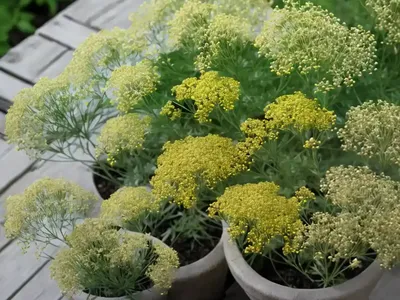
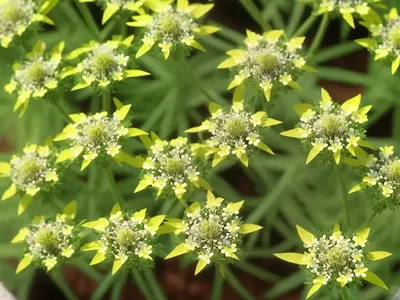
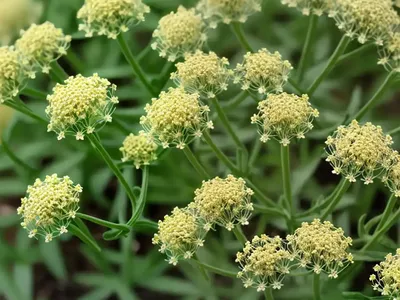
Small Catchweed (Galium Cinereum)
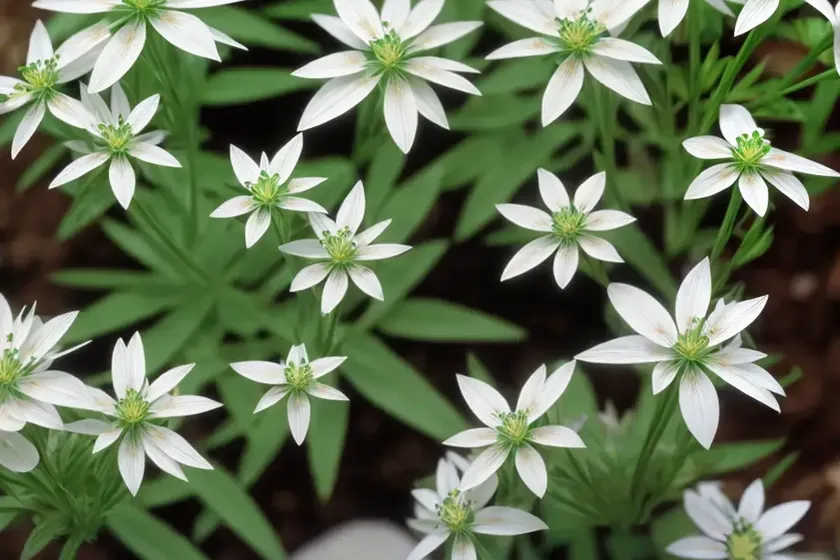
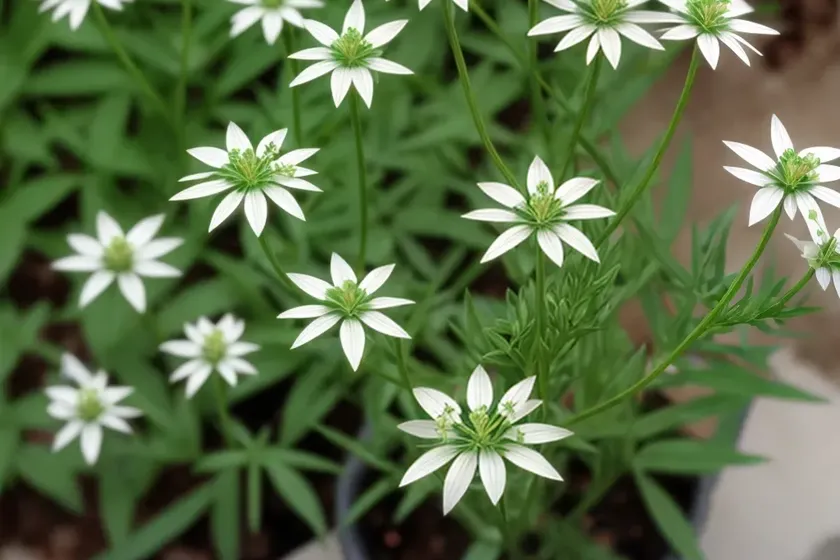
Small Catchweed, scientifically known as Galium cinereum, is a versatile plant species that has garnered attention for its unique features and adaptable.
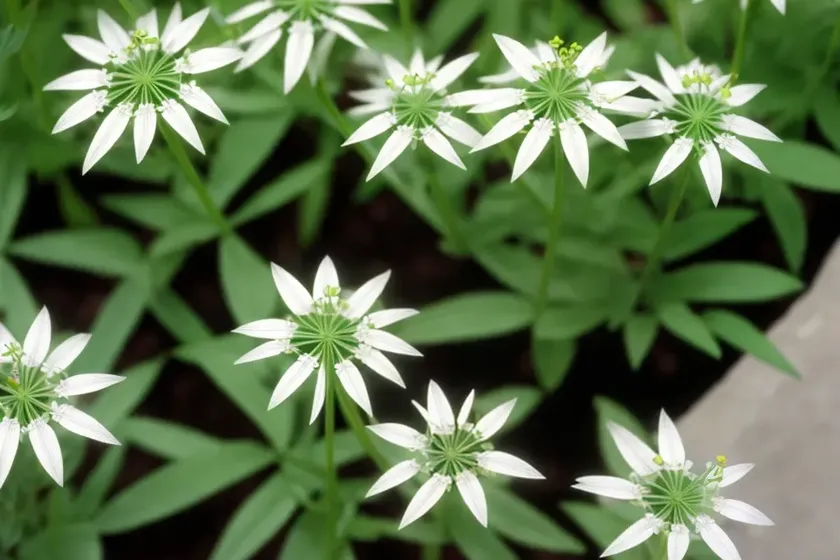
Introduction
Small Catchweed, scientifically known as Galium cinereum, is a versatile plant species that has garnered attention for its unique features and adaptable nature. This blog post aims to provide an in-depth understanding of this plant, covering its cultural needs, uses, and tips for successful cultivation.
What is Small Catchweed (Galium cinereum)?
Small Catchweed, or Galium cinereum, is a low-growing perennial plant that belongs to the Rubiaceae family. This species is native to Europe and North Africa, and it has found favor among gardeners and landscaping enthusiasts for its delicate appearance and multiple uses.
Key Takeaways – Small Catchweed (Galium cinereum)
Before delving into the specifics of cultivating Small Catchweed, here are the key takeaways to keep in mind:
- Botanical Name: Galium cinereum
- Common Names: Catchweed plant, Small Catchweed
- Native Range: Europe, North Africa
- Family: Rubiaceae
- Uses: Ornamental, medicinal
- Growth Habit: Low-growing perennial
- Flowering Period: Spring to summer
- Water Requirements: Moderate
- Sunlight: Full sun to part shade
- Soil Type: Well-draining, fertile
- Maintenance: Low to moderate
- Disease Resistance: Moderate
- Pest Control: Minimal intervention required
Culture
Water
Small Catchweed thrives in moderately moist soil and requires regular watering to support healthy growth. During the growing season, it’s essential to monitor the soil moisture, ensuring that it remains consistently moist but not waterlogged. Adequate irrigation is particularly crucial during periods of drought or prolonged dry spells.
Sunlight
In terms of sunlight requirements, Small Catchweed displays a versatile nature. It can tolerate a range of light conditions, from full sun to partial shade. However, a balance is key, as excessive exposure to intense sunlight can lead to leaf scorching, especially in hot climates. Therefore, providing dappled sunlight or partial shade can be beneficial for the plant’s overall health.
Fertilizer
When it comes to feeding Small Catchweed, a well-balanced, all-purpose fertilizer can be applied during the growing season to bolster its vigor and blooming potential. It’s advisable to utilize a slow-release fertilizer to provide a steady supply of nutrients over an extended period. Care should be taken to follow the recommended application rates to prevent over-fertilization, which can be detrimental to the plant’s well-being.
Soil
Small Catchweed flourishes in well-draining, fertile soils. A slightly acidic to neutral pH range (6.0-7.0) is optimal for its growth. Additionally, incorporating organic matter into the soil can enhance its structure and nutrient content, contributing to the overall health of Small Catchweed.
Pruning
Pruning Small Catchweed is a straightforward task that primarily involves removing spent blooms and maintaining the desired shape of the plant. Regular deadheading can prolong the blooming period, encourage a bushier growth habit, and prevent self-seeding. Furthermore, any damaged or diseased foliage should be promptly pruned to maintain the plant’s vitality.
Propagation
Small Catchweed can be propagated through various methods, including division, seed sowing, and stem cuttings. Each approach has its unique requirements and benefits, providing gardeners with flexibility in expanding their Small Catchweed population. Here’s an overview of the propagation methods:
- Division: Divide established clumps in spring or fall, ensuring that each division has sufficient roots and shoots to support its growth.
- Seed Sowing: Small Catchweed seeds can be sown directly in the garden soil or started indoors before the last frost date. Adequate moisture and warmth are crucial for successful germination.
- Stem Cuttings: Select healthy stem cuttings and place them in a suitable growing medium. With the right conditions, these cuttings can develop roots and grow into independent plants.
Container Popularity
Small Catchweed’s compact nature and attractive foliage make it well-suited for container cultivation. Whether grown in individual containers or incorporated into mixed plant arrangements, it adds a charming touch to outdoor spaces, patios, and balconies. The flexibility of container gardening allows for easy mobility and placement, enabling individuals to showcase Small Catchweed in various settings.
Container Common Diseases
When cultivating Small Catchweed in containers, certain diseases may pose a threat to its well-being. Understanding the common diseases and their preventive measures is essential for maintaining the plant’s health. Here are a few common diseases that may affect Small Catchweed in containers:
- Powdery Mildew: A fungal disease that manifests as white, powdery patches on the leaves.
-
Preventive Measures: Provide adequate air circulation around the plant, avoid overcrowding, and apply fungicidal treatments if necessary.
-
Root Rot: Excessive moisture and poor drainage can lead to root rot, causing wilting, yellowing foliage, and overall decline.
- Preventive Measures: Ensure well-draining soil, avoid overwatering, and evaluate the container’s drainage system.
Disease Diagnosis
When observing potential signs of disease in Small Catchweed, prompt diagnosis is crucial to implement targeted treatment measures. Conducting a detailed assessment of the plant’s symptoms, such as leaf discoloration, wilting, or abnormal growth, can facilitate accurate disease identification. Seeking guidance from local horticultural experts or diagnostic laboratories can aid in confirming the disease and devising an effective management strategy.
Common Pests
While Small Catchweed is relatively resistant to pests, certain insects may still pose a threat to its well-being. Being aware of common pests and their associated symptoms enables proactive pest management and ensures the plant’s continued health. Here are a few pests that may impact Small Catchweed:
- Aphids: These small, sap-sucking insects can cause distorted growth and stunt the plant’s development.
- Spider Mites: Infestations of spider mites can result in stippled or discolored foliage, signaling their presence.
Botanist’s Tips
For an insightful perspective on Small Catchweed and its cultivation, here are some expert tips from botanists and plant specialists:
- Selecting Varieties: Explore different Small Catchweed varieties to discover unique characteristics and adaptability to specific growing conditions.
- Pollinator Attraction: Recognize Small Catchweed’s potential to attract pollinators, enhancing the ecological diversity of the garden.
- Maintenance Routines: Establish regular maintenance routines for Small Catchweed, encompassing watering, fertilization, and pest monitoring.
Fun Facts
Uncover fascinating details about Small Catchweed through these intriguing facts:
- In herbal medicine, Small Catchweed has been traditionally used to alleviate mild digestive discomfort and promote overall well-being.
- Small Catchweed’s botanical name, Galium cinereum, reflects its genus (Galium) and the Latin term ‘cinereum,’ meaning ash-colored, alluding to the plant’s subtle hues.
By delving into the multifaceted aspects of Small Catchweed, from its cultural requirements to its ecological significance, enthusiasts and gardeners can gain a comprehensive appreciation for this captivating plant.
Links to External Resources
To further expand your knowledge and explore additional insights about Small Catchweed (Galium cinereum), consider the following external resources:
- Royal Horticultural Society – Small Catchweed Profile
- Missouri Botanical Garden – Galium cinereum Information
- University of Florida – Small Catchweed Care Guidelines
Incorporating insights from reputable sources enriches the understanding of Small Catchweed and empowers individuals to cultivate and appreciate this remarkable plant species.
In conclusion, Small Catchweed (Galium cinereum) captivates enthusiasts with its adaptable nature, delicate beauty, and practical applications. By embracing its cultural requirements, exploring its diverse uses, and leveraging expert recommendations, individuals can embark on a rewarding journey of cultivating and cherishing Small Catchweed in their personal green spaces.