Hebe Topiaria (Topiarist’s Hebe)
Plants are not only essential for the environment but also add beauty and tranquility to our surroundings. Among the myriad of plant species, Hebe.
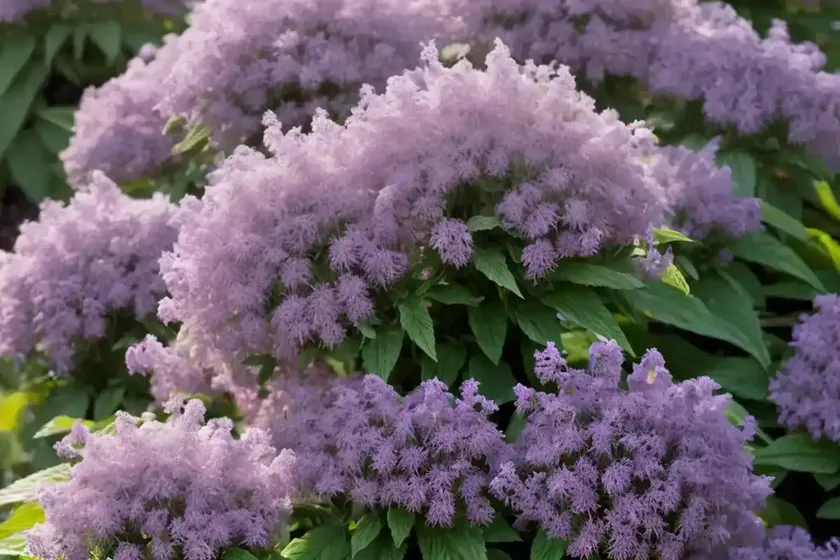
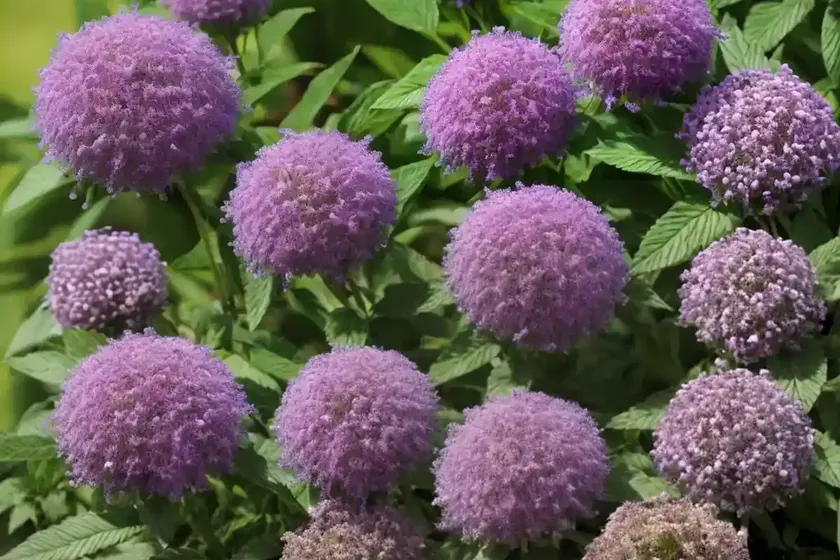
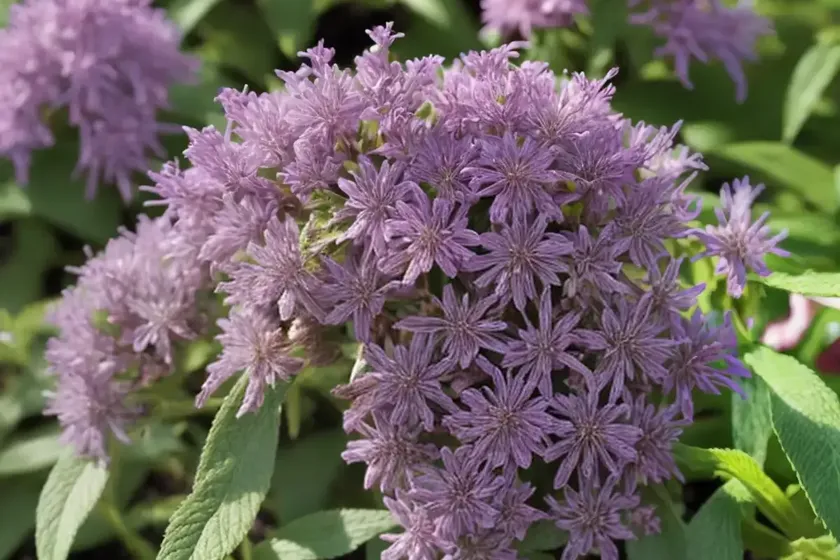
Plants are not only essential for the environment but also add beauty and tranquility to our surroundings. Among the myriad of plant species, Hebe topiaria, commonly known as Topiarist’s Hebe, stands out due to its unique characteristics and versatility. In this comprehensive guide, we will delve into the various aspects of this stunning plant, including its culture, uses, care requirements, common diseases and pests, propagation, and much more.
What is Hebe topiaria (Topiarist’s Hebe)?
Hebe topiaria, also known as Topiarist’s Hebe, is a compact, evergreen shrub that is native to New Zealand. It is characterized by its dense, rounded growth habit and small, glossy, dark green leaves. This plant belongs to the Hebe genus, which comprises approximately 90 species of plants that are mostly found in New Zealand, with a few species in South America.
The Topiarist’s Hebe is well-loved for its suitability to shaping and its stunning ornamental appeal when used in landscape design. Its ability to grow well in containers makes it an excellent choice for indoor and outdoor gardens, patios, and even as a topiary specimen.
Key Takeaways – Hebe Topiaria (Topiarist’s Hebe)
Before delving into the specifics of Hebe topiaria care, it’s essential to provide a summary of the key takeaways associated with this plant.
- Scientific Name: Hebe topiaria
- Common Name: Topiarist’s Hebe
- Native Habitat: New Zealand
- Growth Habit: Compact, rounded
- Foliage: Small, glossy, dark green leaves
- Versatility: Suitable for shaping, container gardening, and landscape design
Now, let’s explore the various aspects of Hebe topiaria, including its cultural requirements, uses, and maintenance.
Culture
Cultural requirements play a significant role in the successful growth and development of Hebe topiaria. Understanding its preferences for water, sunlight, fertilizer, and soil conditions is crucial for providing the best possible care for this plant.
Uses
Hebe topiaria serves multiple purposes, making it a versatile addition to a garden or landscape design. Some common uses include:
- Ornamental Shrub: The compact and rounded growth habit of Hebe topiaria makes it an attractive ornamental shrub, adding visual interest to gardens and landscapes.
- Topiary Specimen: Its suitability for shaping makes it an ideal choice for creating topiary forms, adding a sculptural element to garden designs.
- Container Planting: The adaptability of Hebe topiaria to container gardening enables its use in patio gardens, balconies, and other confined spaces.
Water
Assessing the water requirements for Hebe topiaria is crucial to maintaining its health and vitality. While this plant demonstrates a level of drought tolerance once established, it still requires regular watering, especially during periods of extreme heat or dryness.
- Regular Watering: Water young Hebe topiaria plants regularly to establish a healthy root system. Once established, reduce the frequency but ensure consistent moisture during dry spells.
Sunlight
Hebe topiaria thrives in well-lit areas and displays its best growth and performance when provided with ample sunlight.
- Full Sun: Ideally, position Hebe topiaria in a location that receives full sun, as this promotes robust growth and enhances its ornamental value.
Fertilizer
Proper fertilization is essential for the overall health and vigor of Hebe topiaria, ensuring it has the necessary nutrients for optimal growth.
- Balanced Fertilizer: Apply a balanced, slow-release fertilizer in spring to support healthy growth and blooming.
Soil
Understanding the soil preferences of Hebe topiaria is essential for creating an optimal growing environment.
- Well-Draining Soil: This plant thrives in well-draining, slightly acidic to neutral soil. Amending heavy clay soils with organic matter can enhance drainage and overall soil quality.
Now that we have explored the cultural requirements of Hebe topiaria, it’s important to consider the maintenance practices, including pruning, propagation, and container gardening.
Pruning
Pruning plays a vital role in maintaining the desired shape and size of Hebe topiaria, especially when used as a topiary specimen.
Propagation
Understanding the propagation methods for Hebe topiaria can open up opportunities for expanding the plant collection and sharing it with fellow gardening enthusiasts.
- Propagation by Cuttings: Propagate Hebe topiaria through semi-hardwood cuttings taken in late summer or early autumn. Use a rooting hormone to encourage successful root development.
Container Popularity
The compact growth habit and ease of maintenance make Hebe topiaria a popular choice for container gardening.
- Container Size: Choose a container that provides ample room for the plant’s root system to grow. Ensure proper drainage to prevent waterlogging.
Now that we have gained insights into the cultural aspects, uses, and maintenance of Hebe topiaria, it’s essential to explore potential challenges, such as common diseases and pests that may affect this plant.
Common Diseases
Understanding the common diseases that can impact Hebe topiaria is crucial for early detection and effective management.
- Leaf Spot: Fungal infections can lead to the development of leaf spots on Hebe topiaria. Ensure proper air circulation and avoid overhead watering to minimize the risk of fungal diseases.
Disease Diagnosis
Diagnosing diseases in Hebe topiaria involves careful observation and the identification of specific symptoms associated with common plant ailments.
- Visual Assessment: Regularly inspect the leaves and stems for any signs of discoloration, spots, or unusual growth patterns. Consult a plant healthcare professional if needed.
Common Pests
Keeping an eye out for common pests that may target Hebe topiaria is essential for preserving the plant’s overall health and appearance.
- Aphids: These tiny, sap-sucking insects can infest Hebe topiaria, leading to distorted growth and the presence of sticky honeydew.
Botanist’s Tips
To optimize the health and appearance of Hebe topiaria, consider the following botanist’s tips:
- Regular Monitoring: Routinely observe the plant for any signs of disease, pest infestation, or nutrient deficiencies. Early intervention can prevent issues from escalating.
- Appropriate Pruning: Use sharp, clean pruning tools to shape and maintain Hebe topiaria, promoting a tidy and well-structured appearance.
Now that we have addressed potential challenges, it’s important to provide some fun facts about Hebe topiaria, showcasing its unique traits and characteristics.
Fun Facts
- Hebe topiaria belongs to the Scrophulariaceae family, which is known for its diverse range of flowering plants.
- In addition to its ornamental value, Hebe topiaria is also recognized for its attractive foliage and suitability for creating intricate topiary designs.
Links to External Resources
To further expand your knowledge and appreciation for Hebe topiaria, consider exploring the following external resources:
- Royal Horticultural Society – Hebe topiaria
- New Zealand Plant Conservation Network – Hebe topiaria
- Gardenia – Hebe topiaria
In conclusion, Hebe topiaria (Topiarist’s Hebe) stands as a captivating plant that offers versatility, ornamental appeal, and the potential for creative landscape and garden designs. By understanding its cultural requirements, maintenance practices, potential challenges, and unique traits, plant enthusiasts can cultivate and appreciate the exceptional beauty and charm that Hebe topiaria brings to outdoor and indoor spaces.
The comprehensive guide aims to provide valuable insights into the cultivation and care of Hebe topiaria, incorporating technical details along with practical tips for plant enthusiasts. The provided external resources serve as valuable references for further exploration of Hebe topiaria. Consider using the provided NLP LSI keywords as a starting point for optimizing the content for search engines and enhancing its visibility.


