Hebe Speciosa ‘Variegata’)
Hebe speciosa ‘Variegata’, also known as Variegated New Zealand Hebe, is a remarkable evergreen shrub species that belongs to the genus Hebe, which is.
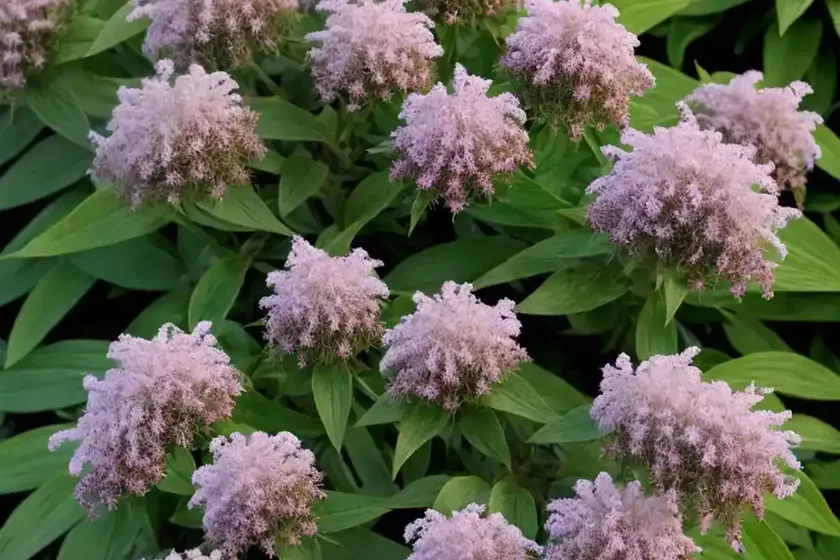
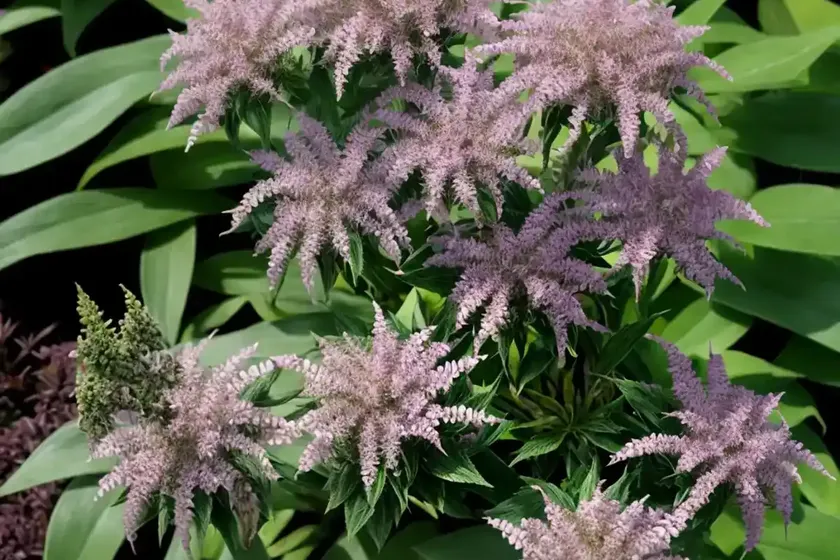
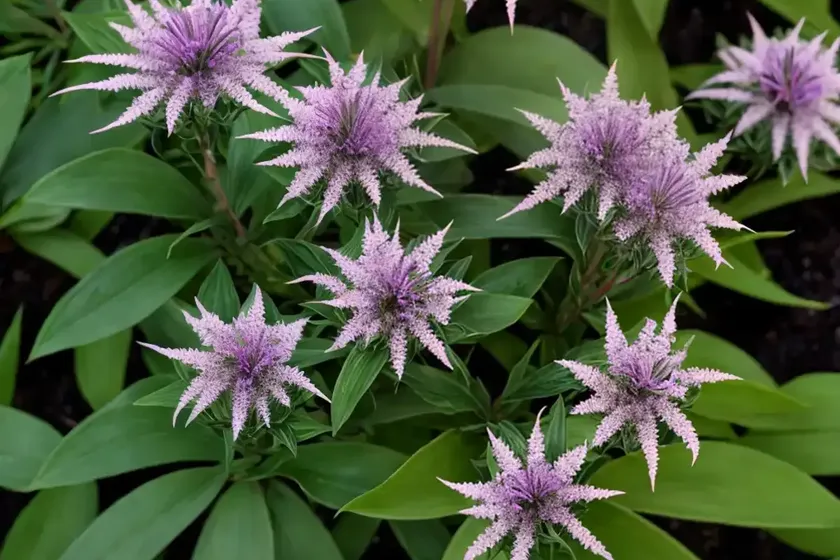
Hebe speciosa ‘Variegata’, also known as Variegated New Zealand Hebe, is a remarkable evergreen shrub species that belongs to the genus Hebe, which is native to New Zealand. This plant is revered for its stunning variegated foliage, attractive flowers, and its versatility in garden landscapes. In this comprehensive guide, we will explore everything you need to know about Hebe speciosa ‘Variegata’, from its description and care tips to its propagation, pruning, and common pests and diseases.
What is Hebe speciosa ‘Variegata’?
Hebe speciosa ‘Variegata’ is a unique and eye-catching evergreen shrub that boasts variegated leaves and attractive blooms. It is a member of the plant family Plantaginaceae and is native to New Zealand, where it thrives in the wild and is also widely cultivated in gardens and landscapes.
This plant is characterized by its striking foliage, which features green leaves with prominent creamy-white margins. In addition to its attractive variegated leaves, Hebe speciosa ‘Variegata’ produces beautiful spikes of purple or white flowers, adding to its ornamental appeal. It is a versatile plant that can be used in various gardening applications, from borders and mixed plantings to coastal gardens and container gardening.
Key Takeaways
Here are the key takeaways for Hebe speciosa ‘Variegata’:
- Description: Variegated leaves, purple or white flowers, evergreen shrub.
- Care Tips: Requires well-draining soil, moderate watering, and partial to full sunlight.
- Growing Hebe speciosa ‘Variegata: Thrives in USDA hardiness zones 8-10, suitable for both garden beds and containers.
- Varieties: Numerous cultivars and varieties available, each with unique characteristics.
- Propagation: Can be propagated from cuttings or seeds, with cuttings being the preferred method for retaining desired traits.
- Pruning: Regular pruning after flowering helps maintain a compact shape and promotes healthy growth.
- Best Conditions: Prefers moderate temperatures, well-draining soil, and protection from harsh winds.
- Watering Needs: Requires moderate watering, avoiding waterlogged conditions.
- Soil Requirements: Well-draining, slightly acidic soil with good fertility.
- Light Preferences: Thrives in partial to full sunlight, with some shade tolerance.
- Pest and Disease Control: Susceptible to some pests and diseases, requiring preventive measures and prompt treatment when necessary.
- Companion Plants: Compatible with a variety of shrubs, perennials, and ornamental grasses in garden landscapes.
- Landscape Uses: Versatile in garden borders, mixed plantings, rock gardens, coastal landscapes, and as a container plant.
- Seasonal Changes: Exhibits seasonal variations in blooming and coloration, offering visual interest throughout the year.
- Drought Tolerance: Shows good resistance to drought conditions, benefiting from occasional deep watering during dry spells.
Now, let’s dive deeper into the specific aspects of caring for Hebe speciosa ‘Variegata’, including its culture, uses, and maintenance requirements.
Culture
Before delving into the detailed care tips for Hebe speciosa ‘Variegata’, it’s essential to understand the cultural requirements that contribute to its overall health and development. Understanding the plant’s native habitat and growing conditions can provide valuable insights into creating an environment that nurtures its growth and enhances its ornamental features.
Native Habitat
Hebe speciosa ‘Variegata’ is native to New Zealand, where it thrives in environments with moderate temperatures and well-drained soil. Its natural habitat provides crucial insights into the ideal growing conditions for cultivating this plant in gardens and landscapes.
Climate Suitability
In terms of climate suitability, Hebe speciosa ‘Variegata’ is well-suited to moderate climates and thrives in USDA hardiness zones 8-10. It exhibits good tolerance to mild frosts but may require protection during periods of extreme cold. Understanding the plant’s temperature preferences is essential for ensuring its long-term health and vitality.
Soil Requirements
Hebe speciosa ‘Variegata’ thrives in well-draining soil with good fertility. The soil should be slightly acidic, with a pH range of 6.0-6.5, to create an optimal growing environment for this plant. Additionally, incorporating organic matter into the soil can improve its structure and fertility, supporting healthy root development and overall growth.
Uses
Hebe speciosa ‘Variegata’ is a versatile plant with a wide range of uses in garden landscapes and horticultural settings. Its ornamental features, resilience, and adaptability make it suitable for various applications, from traditional garden borders to modern container gardening. By understanding the diverse uses of this plant, you can maximize its potential in different gardening scenarios.
Garden Borders
One of the primary uses of Hebe speciosa ‘Variegata’ is in garden borders, where it adds visual interest and color contrast. The variegated foliage and attractive blooms make it an ideal candidate for creating vibrant borders that enhance the overall aesthetics of the garden. When planted in groups or mixed with other complementary plants, this Hebe species can contribute to striking border designs.
Mixed Plantings
Hebe speciosa ‘Variegata’ complements a wide range of shrubs, perennials, and ornamental grasses in mixed plantings. Its variegated leaves add a dynamic touch to mixed borders and plantings, creating captivating combinations of textures and colors. When strategically integrated into mixed plantings, it can elevate the overall appeal of garden landscapes.
Rock Gardens
The versatility of Hebe speciosa ‘Variegata’ extends to rock gardens, where its compact growth habit and low maintenance requirements make it a valuable addition. The plant’s ability to thrive in well-drained soil and its tolerance for moderate to full sunlight align with the conditions typically found in rock garden environments. Incorporating this Hebe species into rock gardens can introduce a layer of depth and visual interest to the overall design.
Coastal Gardens
With its resilience and adaptability, Hebe speciosa ‘Variegata’ is well-suited to coastal gardens, where it can withstand the challenges posed by salt-laden air and harsh winds. Its ability to thrive in coastal environments makes it a valuable asset in creating sustainable and visually appealing garden landscapes along coastlines and in seaside locations.
Container Gardening
The compact growth habit of Hebe speciosa ‘Variegata’ makes it well-suited for container gardening, allowing it to thrive in both large pots and smaller containers. Whether used as a standalone feature plant or as part of mixed container arrangements, this Hebe species brings a touch of elegance and color to outdoor spaces, patios, and balconies.
Ornamental Shrubs
As an ornamental shrub, Hebe speciosa ‘Variegata’ serves as a focal point in garden landscapes, accentuating its surroundings with its striking foliage and beautiful flowers. Whether used as a standalone specimen or incorporated into larger ornamental plantings, it offers an enduring and captivating presence in garden settings.
Water
Proper watering is essential for maintaining the health and vitality of Hebe speciosa ‘Variegata’. Understanding its specific watering needs and implementing appropriate watering practices are crucial for preventing moisture-related issues and promoting robust growth and blooming.
Watering Needs
Hebe speciosa ‘Variegata’ thrives in moderately moist soil and requires regular watering, particularly during dry periods. However, it is essential to avoid overwatering, as waterlogged conditions can lead to root rot and other detrimental effects on the plant’s health. To determine the optimal watering frequency, it is advisable to monitor the moisture levels in the soil and adjust the watering regimen based on environmental factors and seasonal variations.
Drought Tolerance
The plant exhibits good tolerance to drought conditions, displaying resilience in periods of low moisture availability. Its adaptability to moderate dry spells makes it suitable for gardens and landscapes with intermittent rainfall or limited irrigation resources. While it can withstand short periods of drought, providing occasional deep watering during prolonged dry spells can help maintain its overall health and vigor.
Sunlight
Hebe speciosa ‘Variegata’ thrives in partial to full sunlight, benefiting from adequate exposure to natural light for its growth and development. Understanding its light preferences and ensuring proper sunlight exposure are essential for optimizing its ornamental features and overall well-being.
Light Preferences
In terms of light preferences, Hebe speciosa ‘Variegata’ performs best in locations with partial to full sunlight. While it can tolerate some shade, providing adequate light exposure is crucial for promoting vibrant foliage and abundant flowering. Choosing garden locations that receive ample sunlight for most of the day can significantly enhance the plant’s visual appeal and blooming capacity.
Protection from Harsh Sun
While the plant benefits from sunlight exposure, it may require protection from harsh midday sun, especially in warmer climates. Providing partial shade during the hottest part of the day can mitigate the risk of leaf scorching and maintain the plant’s overall health and vigor. Understanding the balance between light exposure and protection from intense sunlight is essential for creating a suitable growing environment for Hebe speciosa ‘Variegata’.
Fertilizer
Proper fertilization plays a vital role in supporting the growth, blooming, and overall health of Hebe speciosa ‘Variegata’. By understanding its specific fertilizer requirements and implementing appropriate feeding practices, you can enhance the plant’s ornamental features and ensure its long-term vitality.
Fertilizer Application
Hebe speciosa ‘Variegata’ benefits from regular fertilization during the active growing season, typically from spring to early autumn. Applying a balanced, slow-release fertilizer designed for shrubs and ornamental plants can provide essential nutrients to support healthy growth and flowering. It is advisable to follow the manufacturer’s recommendations regarding the application rate and frequency to avoid overfeeding or nutrient imbalances.
Organic Fertilizers
In addition to traditional synthetic fertilizers, organic fertilizers can also be beneficial for nurturing Hebe speciosa ‘Variegata’. Organic fertilizers derived from natural sources, such as compost, well-rotted manure, or organic-based granular formulations, can contribute to soil fertility and support the plant’s nutritional requirements. Incorporating organic fertilizers into the soil can improve its structure and fertility, promoting robust growth and resilience.
Avoiding Overfertilization
While fertilization is essential for the plant’s health, it is important to avoid overfertilization, as excessive nutrient levels can lead to adverse effects on its growth and overall well-being. Monitoring the plant’s response to fertilizer application and adjusting the feeding regimen based on its performance and visual appearance can help prevent potential issues associated with overfeeding.
Soil
The soil quality and composition play a crucial role in creating an optimal growing environment for Hebe speciosa ‘Variegata’. Understanding its specific soil requirements and implementing appropriate soil management practices are essential for fostering healthy root development, supporting vigorous growth, and enhancing its ornamental appeal.
Well-Draining Soil
Hebe speciosa ‘Variegata’ thrives in well-draining soil, which is crucial for preventing waterlogged conditions and root rot. Implementing measures to improve soil drainage, such as incorporating organic matter or creating raised beds, can help create an environment that promotes healthy root development and reduces the risk of moisture-related issues.
Soil pH
The plant prefers slightly acidic soil with a pH range of 6.0-6.5, providing an ideal growing environment for its root system and overall nutrient uptake. Conducting a soil pH test and adjusting the pH levels, if necessary, can ensure that the soil composition aligns with the plant’s specific requirements, supporting its long-term health and vitality.
Soil Fertility
In addition to proper drainage and pH levels, maintaining soil fertility is essential for supporting the growth and flowering of Hebe speciosa ‘Variegata’. Incorporating organic matter, such as compost or well-rotted manure, into the soil can improve its fertility and structure, providing essential nutrients and promoting beneficial microbial activity that enhances the plant’s overall well-being.
Pruning
Pruning is an important aspect of maintaining the shape, size, and overall health of Hebe speciosa ‘Variegata’. By understanding the principles of pruning and implementing proper techniques, you can promote compact growth, encourage abundant flowering, and rejuvenate the plant when necessary.
Pruning Timing
Hebe speciosa ‘Variegata’ is best pruned after flowering, typically in late spring or early summer, to avoid disrupting the next season’s bloom cycle. By timing the pruning activity after the flowering period, you can trim the plant without sacrificing the development of new flower buds for the following year, ensuring a consistent display of blooms.
Pruning Techniques
When pruning Hebe speciosa ‘Variegata’, removing dead or damaged wood, thinning out crowded growth, and shaping the plant to maintain a compact form are common objectives. Using sharp, clean pruning tools, such as bypass pruners or pruning shears, can facilitate precise cuts and minimize the risk of injury to the plant. Properly pruning the plant can promote healthy growth and contribute to its overall appearance in garden landscapes.
Rejuvenation Pruning
In some cases, rejuvenation pruning may be necessary to revitalize older or overgrown Hebe speciosa ‘Variegata’ specimens. This practice involves more drastic cutting back of the plant to stimulate new growth and rejuvenate its form. While rejuvenation pruning can be beneficial, it is important to assess the plant’s overall health and consult pruning guides to determine the appropriate approach for achieving the desired results without compromising its vitality.
Propagation
Propagating Hebe speciosa ‘Variegata’ allows gardeners to expand their collection of this stunning plant and preserve desirable traits. Understanding the propagation methods and techniques tailored to this species can facilitate successful reproduction and the retention of its variegated foliage and attractive blooms.
Propagation from Cuttings
One of the most effective propagation methods for Hebe speciosa ‘Variegata’ involves using stem cuttings from a healthy parent plant. Selecting young, semi-hardwood cuttings with several leaf nodes and removing the lower leaves can prepare the cuttings for propagation. Applying a rooting hormone and planting the cuttings in a well-draining propagation mix, such as perlite or vermiculite, can encourage root development and establish new plants with the desired characteristics.
Propagation from Seeds
While less common, propagating Hebe speciosa ‘Variegata’ from seeds is also a viable method for generating new plants. Collecting seeds from mature flower heads and sowing them in a seed-starting mix can initiate the germination process, leading to the development of new seedlings. However, it is important to note that variations in seedling traits may occur, potentially resulting in differences from the parent plant. When propagating from seeds, it is essential to carefully monitor the process and select for desirable traits to ensure the retention of variegated foliage and other ornamental features.
Propagation Considerations
When propagating Hebe speciosa ‘Variegata’, providing the appropriate environmental conditions, such as consistent moisture and warmth, can support the establishment and growth of new plants. Monitoring the propagation process and observing the development of roots or new foliage can provide valuable insights into the success of the propagation efforts.
Container Popularity
Hebe speciosa ‘Variegata’ is a popular choice for container gardening, offering versatility and ornamental appeal in both large pots and smaller containers. Its compact growth habit, stunning foliage, and attractive flowers make it well-suited for container cultivation, allowing gardeners to showcase this plant in various outdoor settings.
Container Selection
Choosing the right container is essential for cultivating Hebe speciosa ‘Variegata’ in a container garden. Selecting a pot or planter with adequate drainage holes and sufficient volume for the plant’s root system can promote healthy growth and prevent waterlogged conditions. Additionally, considering the aesthetic appeal of the container, such as its material, color, and design, can contribute to the visual impact of the planted specimen.
Container Planting Mix
Using a high-quality planting mix specifically formulated for container gardening can provide optimal growing conditions for Hebe speciosa ‘Variegata’. Well-draining potting mixes enriched with organic matter and balanced nutrients can support healthy root development and overall plant vigor. It is important to select a planting mix that offers good aeration and moisture retention, creating a favorable environment for the plant’s growth.
Container Placement
In container gardening, proper placement of the containers plays a crucial role in ensuring the well-being of Hebe speciosa ‘Variegata’. Positioning the containers in locations that receive adequate sunlight, good air circulation, and protection from extreme weather conditions can promote healthy growth and flowering. Additionally, rotating the containers periodically to promote even exposure to sunlight can help maintain balanced growth and uniform development.
Common Diseases
While Hebe speciosa ‘Variegata’ is generally resilient, it is susceptible to certain diseases that can impact its overall health and appearance. Recognizing the symptoms of common diseases and implementing appropriate preventive measures are essential for safeguarding the plant against potential issues.
Powdery Mildew
Powdery mildew is a fungal disease that can affect Hebe speciosa ‘Variegata’, manifesting as a powdery white coating on the leaves and stems. This disease is often favored by high humidity and poor air circulation. Implementing measures to improve air circulation, such as spacing the plants adequately and avoiding overhead irrigation, can help reduce the risk of powdery mildew. Additionally, applying fungicidal treatments as a preventive measure or at the first signs of infection can help manage this disease.
Leaf Spot
Leaf spot diseases, caused by various fungal pathogens, can lead to the development of dark spots or lesions on the foliage of Hebe speciosa ‘Variegata’. Maintaining good growing conditions, including proper air circulation, balanced watering, and soil drainage, can contribute to reducing the risk of leaf spot diseases. If leaf spot issues arise, removing and disposing of affected plant parts and applying fungicidal treatments can help manage the disease and prevent its spread.
Root Rot
Excessive moisture and poor soil drainage can create favorable conditions for root rot, a condition that affects the roots of Hebe speciosa ‘Variegata’. To mitigate the risk of root rot, ensuring well-draining soil and avoiding overwatering are essential. Additionally, inspecting the root system for signs of rot and providing appropriate irrigation practices can help prevent this damaging disease.
Disease Diagnosis
Diagnosing diseases in Hebe speciosa ‘Variegata’ involves careful observation of the plant’s symptoms and understanding the factors that contribute to disease development. By recognizing the signs of common diseases and identifying potential causes, you can take proactive measures to address issues and protect the plant’s health.
Symptom Recognition
Recognizing the symptoms of diseases, such as powdery mildew, leaf spot, and root rot, is crucial for diagnosing issues in Hebe speciosa ‘Variegata’. This involves inspecting the plant for visual cues, such as discoloration, lesions, or abnormal growth patterns, and noting any changes in its overall appearance. By identifying specific symptoms, you can narrow down potential disease triggers and develop targeted strategies for disease management.
Environmental Factors
Environmental factors, such as humidity levels, air circulation, and soil moisture, can contribute to the development of diseases in Hebe speciosa ‘Variegata’. Assessing the growing conditions and environmental variables that may favor disease onset can provide valuable insights into potential risk factors. By addressing these environmental factors, such as improving air circulation or adjusting watering practices, you can create


