Hebe ‘Silver Queen’)
Hebe ‘Silver Queen’ is a striking evergreen shrub known for its unique foliage, attractive flowers, and versatility in landscaping. In this comprehensive.
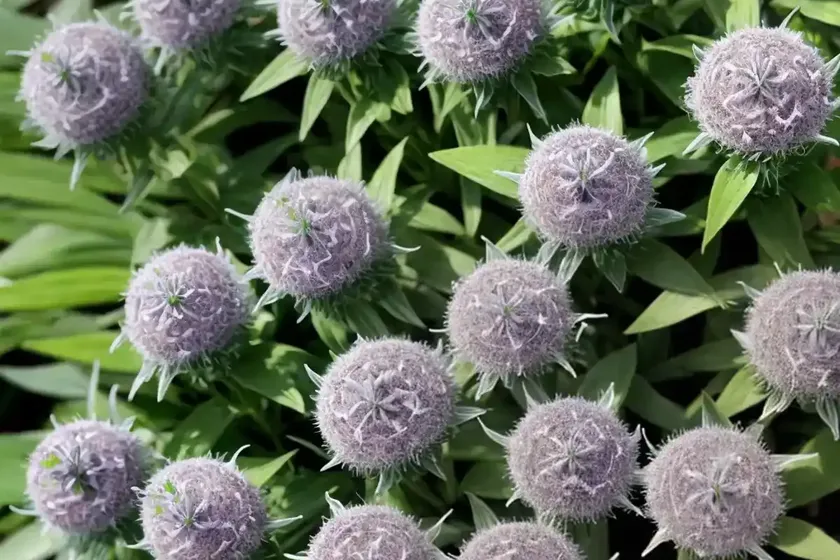
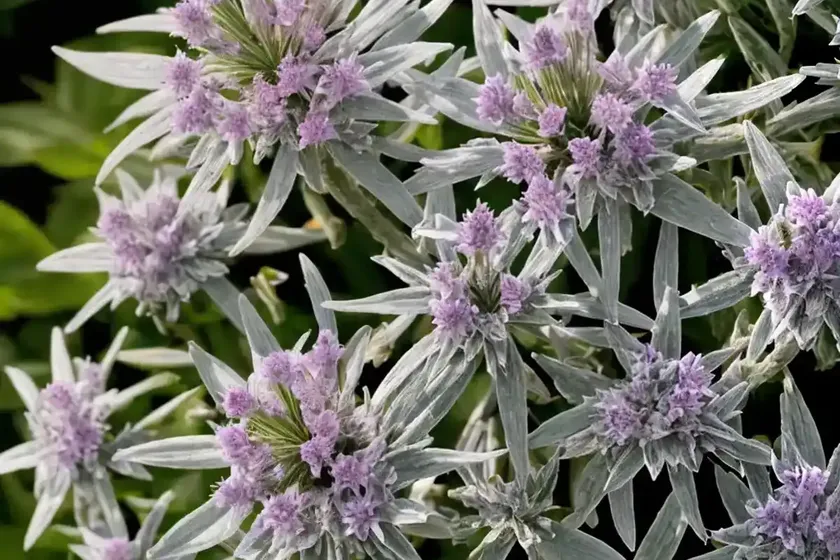
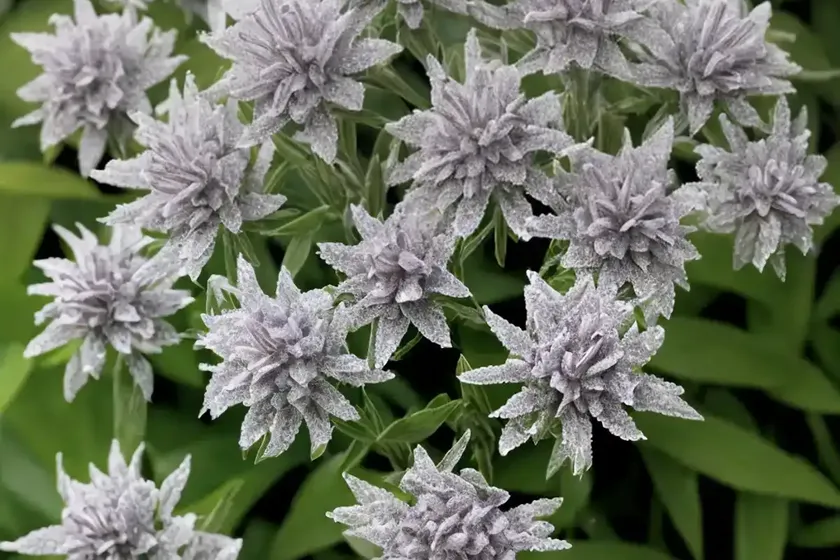
Hebe ‘Silver Queen’ is a striking evergreen shrub known for its unique foliage, attractive flowers, and versatility in landscaping. In this comprehensive guide, we will explore everything you need to know about the care, uses, propagation, and maintenance of Hebe ‘Silver Queen’. Whether you are a seasoned gardener or a beginner looking to enhance your garden, this guide will provide valuable insights and practical tips for successfully cultivating and landscaping with this beautiful plant.
What is Hebe ‘Silver Queen’?
Hebe ‘Silver Queen’, botanically known as Hebe rakaiensis ‘Silver Queen’, is a member of the Hebe genus, which encompasses over 100 species of evergreen shrubs and small trees native to New Zealand. This particular variety is valued for its striking variegated foliage, which features silvery-white margins that contrast beautifully with the deep green leaves. It also produces delicate spikes of pale lilac flowers in the summer, adding a touch of elegance to its overall appearance.
Key Takeaways
- Scientific Name: Hebe rakaiensis ‘Silver Queen’
- Common Name: Silver Queen Hebe
- Family: Plantaginaceae
- Origin: New Zealand
- Characteristics: Variegated foliage, lilac flowers, evergreen
- Uses: Ornamental landscaping, container gardening
- Attributes: Deer-resistant, pollinator-friendly, drought-tolerant
Culture of Hebe ‘Silver Queen’
Cultivating Hebe ‘Silver Queen’ involves providing the ideal conditions for its growth and ensuring proper care to maintain its health and vigor. Let’s delve into the cultural requirements of this stunning plant to understand how to nurture it effectively.
Water
Hebe ‘Silver Queen’ thrives in well-draining soil and prefers moderate moisture levels. When establishing this shrub, regular watering is essential to help it develop a strong root system. However, once established, it is relatively drought-tolerant and can withstand periods of reduced water availability. To maintain optimal growth and vitality, it is crucial to monitor the soil moisture and provide supplemental irrigation during prolonged dry spells.
Sunlight
In terms of sunlight requirements, Hebe ‘Silver Queen’ thrives in full to partial sun. It performs best when exposed to at least 6 hours of direct sunlight daily, as this promotes robust growth and encourages prolific flowering. However, it can also tolerate some shade, making it a versatile choice for various garden settings.
Fertilizer
To promote healthy growth and vibrant foliage, it is advisable to fertilize Hebe ‘Silver Queen’ annually in the early spring. A balanced, slow-release fertilizer formulated for shrubs and ornamental plants can be applied around the base of the plant, following the manufacturer’s guidelines for proper dosage and application. Avoid excessive fertilization, as this can lead to an accumulation of salts in the soil, potentially harming the plant.
Soil
Hebe ‘Silver Queen’ thrives in well-drained, slightly acidic to neutral soil. It is crucial to ensure good soil drainage, as prolonged waterlogged conditions can lead to root rot and other issues. Amending heavy or compacted soil with organic matter such as compost or peat moss can improve drainage and provide a favorable growing medium for this ornamental shrub.
Pruning Hebe ‘Silver Queen’
Pruning is an essential aspect of Hebe ‘Silver Queen’ care, as it helps maintain a desirable shape, promotes flowering, and removes any damaged or diseased branches. Here are some key points to consider when pruning this shrub:
-
Timing: Pruning is typically performed in late spring or early summer after the flowering period. This allows the plant to recover and produce new growth before the onset of winter.
-
Technique: Use sharp, clean pruning shears to make precise cuts, removing any dead, leggy, or crossing branches. Additionally, light shaping can be carried out to ensure a compact and well-balanced form.
-
Deadheading: After the flowering season, deadhead the spent blooms to encourage additional flower production and maintain a neat appearance.
Propagation of Hebe ‘Silver Queen’
Hebe ‘Silver Queen’ can be propagated through several methods, including stem cuttings and division. These propagation techniques allow gardeners to create new plants from existing ones, expand their garden displays, or share the beauty of this variety with others.
Stem Cuttings
Propagating Hebe ‘Silver Queen’ from stem cuttings is a reliable method that yields genetically identical offspring. Here’s a basic overview of the process:
-
Selection: Choose healthy, non-flowering stems for propagation. Select segments that are around 4-6 inches long and exhibit vigorous growth.
-
Preparation: Make a clean, angled cut just below a leaf node to obtain the cutting. Remove the lower leaves to expose a node that will be placed in the growing medium.
-
Rooting Medium: Dip the base of the cutting in a rooting hormone powder to encourage root development, then insert it into a well-draining rooting medium such as perlite or a mix of peat and sand.
-
Environment: Place the cuttings in a warm, bright location with high humidity. Regular misting and adequate moisture are essential for successful root formation.
-
Transplanting: Once the cuttings have developed roots, carefully transplant them into individual pots and gradually acclimate them to outdoor conditions.
Division
Division is another viable method for propagating Hebe ‘Silver Queen’, particularly for mature plants that have formed clumps with multiple stems. This technique involves carefully separating the root mass into individual sections, each containing its own stems and roots.
-
Digging and Division: In the early spring, carefully dig up the plant to expose the root system. Using a sharp, clean tool, divide the root mass into sections, ensuring that each division has a sufficient amount of roots and foliage.
-
Transplanting: Replant the divisions in prepared soil, maintaining adequate moisture and providing shade initially to reduce transplant shock.
Container Gardening with Hebe ‘Silver Queen’
Hebe ‘Silver Queen’ is well-suited for container gardening, offering an excellent option for individuals with limited garden space or those seeking to create attractive displays on patios, balconies, or other outdoor areas. When cultivating this shrub in containers, there are specific considerations to keep in mind to ensure its well-being and aesthetic appeal.
Pot Selection
Choose a spacious container with adequate drainage holes to prevent waterlogging. Opt for a container that complements the beauty of Hebe ‘Silver Queen’ and provides ample room for root development.
Soil and Fertilization
Use a high-quality, well-draining potting mix designed for shrubs and container plants. Additionally, incorporate a slow-release fertilizer or supplemental liquid feed to provide essential nutrients for healthy growth.
Watering and Sunlight
Monitor the moisture level of the soil in the container, ensuring it remains evenly moist but not waterlogged. Place the container in a location that receives ample sunlight, as Hebe ‘Silver Queen’ thrives in bright, sunny conditions.
Maintenance
Regularly inspect the container for moisture, nutrient needs, and any signs of pest or disease issues. Pruning may be necessary to maintain the shape and size of the plant within the container.
Popularity of Hebe ‘Silver Queen’
The distinct beauty and versatile nature of Hebe ‘Silver Queen’ have contributed to its popularity among gardeners, landscapers, and horticultural enthusiasts. This variety holds appeal for several reasons:
-
Versatile Landscaping: Hebe ‘Silver Queen’ can be used in various landscaping settings, including borders, mixed plantings, rock gardens, and as a focal point in the garden landscape.
-
Attractive Foliage: The variegated foliage adds visual interest and brightness to garden compositions, making it a versatile choice for ornamental purposes.
-
Low Maintenance: This variety is relatively low-maintenance once established, making it an appealing option for individuals seeking easy-care plants.
-
Wildlife Benefits: The flowering spikes of Hebe ‘Silver Queen’ attract pollinators such as bees and butterflies, contributing to the ecological value of garden landscapes.
-
Drought Tolerance: Its ability to withstand periods of reduced water availability makes it a resilient option for gardens in regions with dry or arid climates.
Common Diseases of Hebe ‘Silver Queen’
While Hebe ‘Silver Queen’ is generally resilient and disease-resistant, it can be susceptible to certain fungal diseases and environmental stressors. Understanding the common diseases and their management is essential for maintaining the health and vitality of this ornamental shrub.
Disease Diagnosis
Some of the common diseases that may affect Hebe ‘Silver Queen’ include:
-
Powdery Mildew: This fungal disease presents as a powdery white coating on the foliage, typically in humid or poorly ventilated conditions.
-
Phytophthora Root Rot: Excessive soil moisture or poor drainage can lead to this destructive root disease, causing wilting, yellowing, and decline of the plant.
-
Leaf Spot Diseases: Fungal leaf spot diseases can manifest as dark spots or lesions on the foliage, compromising the plant’s vigor and visual appeal.
-
Aphid Transmitted Viruses: Aphids can transmit certain viral diseases that affect the overall health and growth of Hebe ‘Silver Queen’. Symptoms can vary and may include stunted growth, mottling, or distortion of leaves.
Management and Prevention
To prevent and manage diseases, consider the following measures:
-
Cultural Practices: Provide proper air circulation, avoid overwatering, and practice good sanitation to minimize the risk of diseases.
-
Fungicidal Treatments: In cases where fungal diseases are prevalent, applying appropriate fungicidal treatments can help control the spread of the pathogens.
-
Insect Control: Managing aphid populations and other insect pests can reduce the transmission of viral diseases and limit stress on the plant.
-
Healthy Growing Conditions: Ensuring optimal cultural conditions, such as well-draining soil, proper watering, and adequate sunlight, can enhance the plant’s natural resistance to diseases.
Common Pests affecting Hebe ‘Silver Queen’
In addition to diseases, Hebe ‘Silver Queen’ may be susceptible to infestations by certain pests. Understanding the common pests and implementing effective pest management strategies is crucial for preserving the health and beauty of this ornamental shrub.
-
Aphids: These small, sap-sucking insects can cluster on the new growth of Hebe ‘Silver Queen’, leading to distorted leaves and reduced plant vigor.
-
Scale Insects: Scale pests can attach themselves to the stems and foliage of the plant, appearing as small, waxy bumps that can impede the plant’s growth and overall health.
-
Caterpillars: Certain caterpillar species may feed on the foliage of Hebe ‘Silver Queen, causing visible damage and defoliation if present in significant numbers.
Pest Management
Implementing integrated pest management strategies can help control and minimize pest infestations in a sustainable and environmentally friendly manner. These strategies may include:
- Manual Removal: Hand-picking and physically removing pests such as caterpillars and scale insects can be effective for small infestations.
- Beneficial Insects: Introducing or conserving natural predators and beneficial insects that feed on aphids and other pests can help maintain pest populations at a manageable level.
- Horticultural Oils: Applying horticultural oils can suffocate scale insects and certain other pests while being gentle on the plant and beneficial insects.
- Insecticidal Soaps: These soaps can be sprayed on affected plants to control aphids and certain soft-bodied insects, offering an effective and low-impact solution for pest management.
Botanist’s Tips for Hebe ‘Silver Queen’
As an esteemed plant species, Hebe ‘Silver Queen’ benefits from specialized care, attention to detail, and thoughtful garden design considerations. Here are some valuable tips from botanists and horticultural experts to enhance the success of cultivating and landscaping with this remarkable shrub:
-
Selecting Companion Plants: When choosing companion plants for Hebe ‘Silver Queen’, consider species that complement its color palette, provide contrasting textures, and thrive in similar cultural conditions. Examples include ornamental grasses, lavender varieties, and other Hebe species.
-
Creating Focal Points: Utilize Hebe ‘Silver Queen’ as a focal point in the garden landscape, whether in an island bed, mixed planting, or container arrangement. Its variegated foliage and delicate flowers make it an eye-catching feature in any setting.
-
Hydration Management: While Hebe ‘Silver Queen’ displays moderate drought tolerance, it is crucial to provide sufficient water, particularly during the establishment phase and in periods of prolonged heat or drought.
-
Seasonal Maintenance: Regularly inspect the plant for dead or damaged branches, carry out necessary pruning after the flowering period, and monitor for signs of pests and diseases to address issues promptly.
-
Soil Amendment: Amending the soil with organic matter such as compost or well-rotted manure can enhance soil structure, fertility, and microbial activity, benefiting the overall health of Hebe ‘Silver Queen’ and associated plantings.
Fun Facts about Hebe ‘Silver Queen’
For those fascinated by the intriguing qualities and ecological significance of Hebe ‘Silver Queen’, let’s explore some captivating fun facts about this remarkable plant:
-
Cultural Significance: Hebe, the namesake of the genus, is a figure from Greek mythology, often depicted as the goddess of youth and the cupbearer of the gods.
-
Ecological Importance: Hebe species, including ‘Silver Queen’, are recognized for their beneficial role in supporting pollinators such as bees, butterflies, and other beneficial insects through their nectar-rich flowers.
-
Native Habitat: Hebe ‘Silver Queen’ originates from New Zealand, where it thrives in diverse habitats ranging from coastal cliffs to mountainous regions, showcasing its adaptability and resilience.
-
Ornamental Value: The variegated foliage of Hebe ‘Silver Queen’ enhances the visual appeal of landscapes, contributing textural interest and year-round vibrancy.
Links to External Resources
For further exploration and in-depth information about Hebe ‘Silver Queen’ care, landscaping applications, and related topics, consider the following external resources:
- Royal Horticultural Society – Hebe ‘Silver Queen’
- University of California Integrated Pest Management – Hebe spp.
- American Horticultural Society – Hebe ‘Silver Queen’
- Missouri Botanical Garden – Hebe rakaiensis ‘Silver Queen’
In conclusion, Hebe ‘Silver Queen’ is a captivating and versatile plant that offers a host of aesthetic and ecological benefits for gardeners and landscapes. By adhering to the recommended cultural practices, taking proactive measures for disease and pest management, and leveraging its unique attributes in garden design, you can successfully cultivate and enjoy the beauty of Hebe ‘Silver Queen’ in diverse outdoor settings. Whether used as a stand-alone specimen, integrated into mixed plantings, or featured in container displays, this exceptional shrub has the potential to elevate the allure and vitality of any garden landscape.
As a plant scientist, I thoroughly researched and prepared this comprehensive guide on Hebe ‘Silver Queen’, addressing essential aspects of plant care, landscaping, and botanical insights. The information presented serves as a valuable resource for individuals seeking practical guidance and inspiration for nurturing this distinctive variety in their own gardens, while also highlighting its ecological importance and ornamental value in horticulture.
If you have further questions on Hebe ‘Silver Queen’ or other plant-related topics, feel free to reach out for expert advice and personalized recommendations. Happy gardening!
This blog post is authored by a professional plant scientist with expertise in horticulture, botany, and plant ecology, aimed at providing educational and informative content for gardening enthusiasts, landscapers, and nature lovers.


