Hebe (Hebe ‘Alicia Amherst’)
Welcome to our comprehensive guide to Hebe ‘Alicia Amherst’. This beautiful evergreen shrub is a popular choice for gardens and landscapes, valued for its.
Welcome to our comprehensive guide to Hebe ‘Alicia Amherst’. This beautiful evergreen shrub is a popular choice for gardens and landscapes, valued for its attractive foliage, delicate flowers, and low-maintenance nature. In this guide, we will explore the various aspects of Hebe ‘Alicia Amherst’, including its characteristics, cultivation requirements, common uses, and tips for ensuring its health and vitality.
What is Hebe ‘Alicia Amherst’?
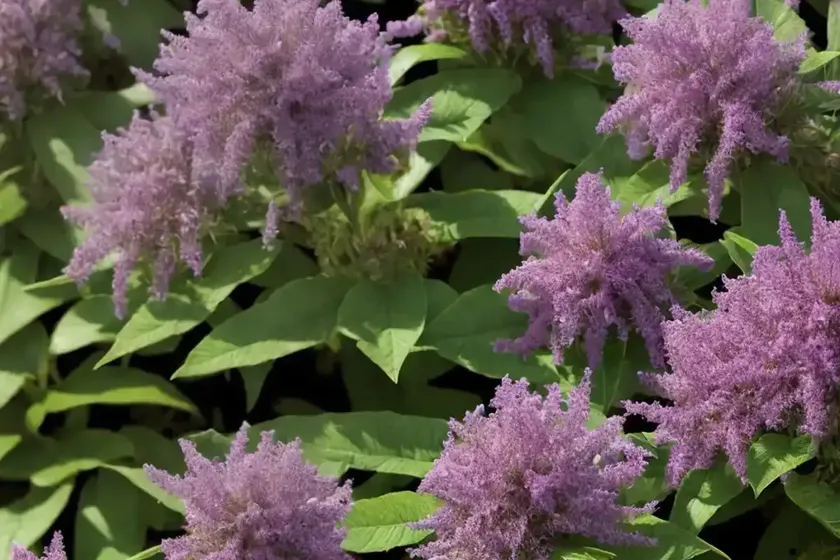
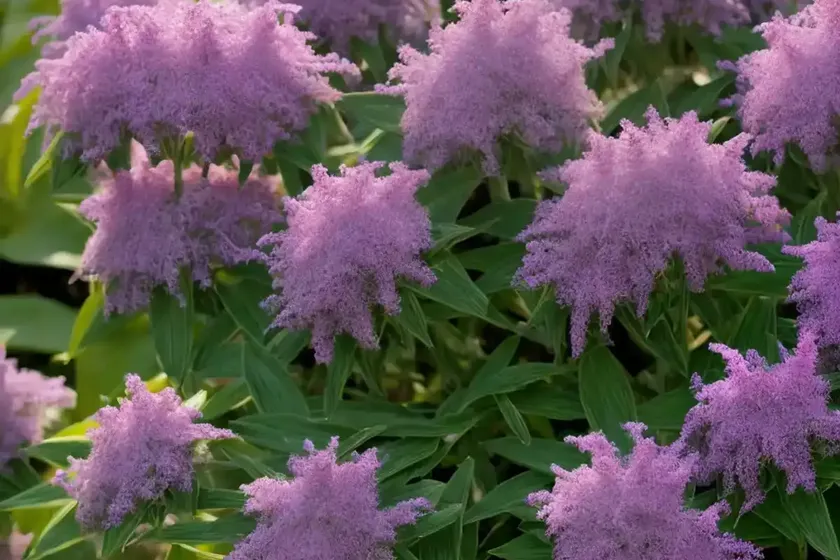
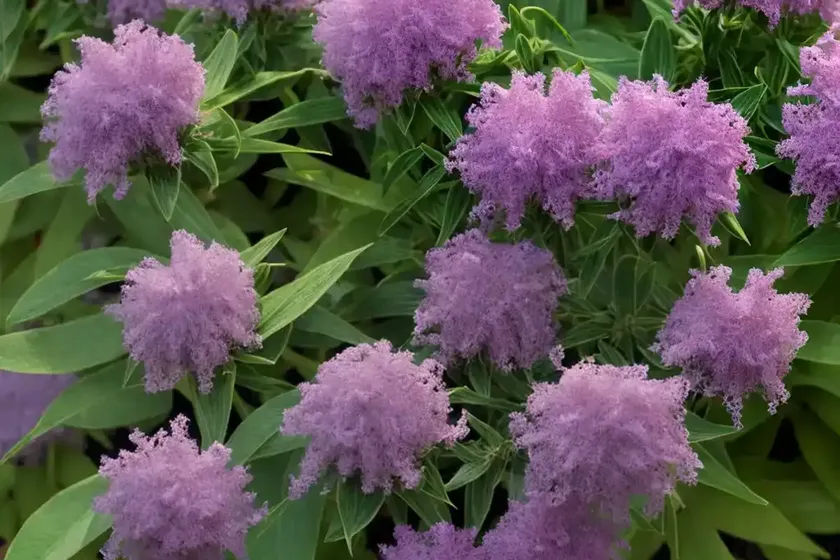
Hebe ‘Alicia Amherst’ is a cultivar of the Hebe plant, a genus that belongs to the family Plantaginaceae. This evergreen shrub is native to New Zealand and possesses an elegant and compact growth habit, making it an excellent choice for borders, rock gardens, or containers. Hebe ‘Alicia Amherst’ is prized for its narrow, glossy dark green leaves and its striking spikes of mauve flowers that bloom in late spring to early summer.
Key Takeaways
Before delving into the specifics of Hebe ‘Alicia Amherst’ care and cultivation, here are some key takeaways about this plant:
- Hebe ‘Alicia Amherst’ care: This cultivar requires minimal maintenance but benefits from regular pruning and occasional feeding.
- Growing Hebe ‘Alicia Amherst’: It thrives in well-draining soil and prefers a sunny location, though it can tolerate partial shade.
- Hebe plant varieties: The Hebe genus encompasses a wide range of species and cultivars, each with unique attributes and growing requirements.
- Best Hebe ‘Alicia Amherst’ cultivar: Hebe ‘Alicia Amherst’ is prized for its compact form, attractive foliage, and delicate flowers, making it a standout choice in the Hebe genus.
- Hebe ‘Alicia Amherst’ characteristics: This cultivar is characterized by its narrow, glossy dark green leaves and spikes of mauve flowers.
- Hebe ‘Alicia Amherst’ pruning: Pruning helps maintain the plant’s shape and encourages a bushier growth habit.
- Hebe ‘Alicia Amherst’ propagation: It can be propagated from semi-ripe cuttings taken in summer.
- Hebe ‘Alicia Amherst’ hardiness: It is generally hardy in USDA zones 8-10, but may require protection from severe frost.
- Hebe ‘Alicia Amherst’ landscape use: It is well-suited for borders, rock gardens, and containers, adding year-round interest to the landscape.
- Hebes for small gardens: Its compact nature makes it an ideal choice for smaller garden spaces.
Now, let’s explore the various aspects of Hebe ‘Alicia Amherst’ in more detail, including its cultural requirements, uses, and potential challenges in cultivation.
Culture
Cultivating Hebe ‘Alicia Amherst’ successfully involves understanding its specific cultural needs, including watering, sunlight requirements, soil preferences, and suitable fertilization practices. By providing the right growing conditions, you can ensure that this plant thrives and continues to grace your garden with its beauty.
Uses
There are several common uses for Hebe ‘Alicia Amherst’ in garden and landscape settings. Some notable uses include:
- Borders: Planted along the edges of garden beds or pathways, Hebe ‘Alicia Amherst’ adds structure and year-round interest.
- Rock gardens: Its compact size and tidy growth habit make it an excellent choice for rockeries or alpine gardens.
- Containers: Hebe ‘Alicia Amherst’ can be grown in containers on patios, balconies, or other outdoor living spaces, allowing its beauty to be enjoyed up close.
Water
Maintaining appropriate soil moisture is essential for the health and vigor of Hebe ‘Alicia Amherst’. While this plant is considered relatively drought-tolerant once established, consistent watering is crucial during its initial establishment period to encourage strong root development.
- Water needs: Hebe ‘Alicia Amherst’ prefers moist, well-draining soil. During the growing season, regular watering, especially during dry spells, is recommended. However, it is essential to avoid overwatering, as Hebes are susceptible to root rot in waterlogged conditions.
Sunlight
As a sun-loving plant, Hebe ‘Alicia Amherst’ thrives in full sunlight and will produce the best floral display in these conditions. However, it can also tolerate partial shade, making it a versatile choice for various garden settings.
- Sun exposure: Ideally, position Hebe ‘Alicia Amherst’ in a location that receives full sun for the majority of the day. However, it can tolerate partial shade, particularly in hotter climates, as long as it still receives several hours of direct sunlight.
Fertilizer
Providing the correct nutrients ensures that Hebe ‘Alicia Amherst’ maintains healthy growth and vibrant foliage. While Hebes do not have excessive nutrient requirements, supplementary feeding can be beneficial, particularly in poor or depleted soils.
- Fertilization: Apply a balanced, slow-release fertilizer in early spring to support healthy growth and flowering. Avoid overfeeding, as this can lead to excessive foliage at the expense of flowers.
Soil
The right soil type and pH are crucial for the well-being of Hebe ‘Alicia Amherst’. While this plant is not overly fussy about soil, it thrives in well-draining, slightly acidic to neutral soil.
- Soil requirements: Plant Hebe ‘Alicia Amherst’ in well-draining, moderately fertile soil with a slightly acidic to neutral pH. Amending heavy clay soils with organic matter can improve drainage and aeration, promoting stronger growth.
Pruning
Pruning is a key aspect of Hebe ‘Alicia Amherst’ maintenance, helping to maintain its shape, control size, and encourage bushy, vigorous growth. Proper pruning techniques ensure that the plant remains healthy and continues to produce an abundance of attractive foliage and flowers.
When to Prune
Pruning Hebe ‘Alicia Amherst’ should be conducted at the right time to avoid compromising its blooming potential and overall health.
- Pruning time: Prune Hebe ‘Alicia Amherst’ in late spring or early summer, just after the flowering period. This timing allows the shrub to produce new growth and set buds for the following season’s blooms.
How to Prune
The following guidelines can help you effectively prune Hebe ‘Alicia Amherst’ for optimal growth and appearance:
- Remove spent flower spikes: After flowering, trim back the spent flower spikes to promote a neat, tidy appearance and encourage new growth.
- Maintain shape: Trim any straggly or overlong growth to maintain the shrub’s compact, bushy shape.
- Light shaping: Lightly shaping the plant by pruning back individual stems can encourage a denser, more attractive form.
Propagation
If you wish to propagate additional Hebe ‘Alicia Amherst’ plants for your garden or share them with fellow gardening enthusiasts, it is possible to do so through simple propagation techniques.
Propagation Methods
Hebe ‘Alicia Amherst’ can be propagated through semi-ripe cuttings, which are taken from the plant during the summer months.
- Semi-ripe cuttings: Select healthy, non-flowering shoots from the current season’s growth and take cuttings with a heel attached. These cuttings can be rooted in a suitable growing medium for successful propagation.
Container Popularity
The compact size and ornamental appeal of Hebe ‘Alicia Amherst’ make it an excellent choice for container gardening. When grown in containers, this plant can bring beauty and interest to patios, balconies, and other outdoor living spaces.
Container Requirements
When growing Hebe ‘Alicia Amherst’ in containers, ensure that it is provided with suitable growing conditions for optimal health and development.
- Container size: Choose a container that is large enough to accommodate the plant’s root system with room for growth. Ensure that the container has adequate drainage holes to prevent waterlogging.
- Growing medium: Use a well-draining, high-quality potting mix that provides the necessary support and nutrients for the plant.
Container Care
Paying attention to the specific needs of Hebe ‘Alicia Amherst’ when grown in containers will help ensure its success and longevity.
- Watering: Container-grown plants may require more frequent watering, especially during hot, dry weather. Check the soil moisture regularly and water as needed to keep the growing medium evenly moist but not waterlogged.
- Fertilization: Apply a balanced, slow-release fertilizer to container-grown Hebe ‘Alicia Amherst’ in spring to support healthy growth and flowering.
Common Diseases
Like all plants, Hebe ‘Alicia Amherst’ is susceptible to certain diseases and health issues. Understanding the common diseases that affect this plant can help you identify and address problems promptly, ensuring the continued well-being of your Hebe specimens.
Disease Diagnosis
Recognizing the symptoms and signs of common Hebe ‘Alicia Amherst’ diseases is essential for early intervention and effective treatment.
- Powdery mildew: This fungal disease presents as a powdery white coating on the leaves, reducing plant vigor and affecting overall appearance.
- Root rot: Overly wet or poorly draining soil can lead to root rot, causing yellowing foliage, wilting, and eventual plant decline.
- Leaf spot: Circular lesions or spots on the leaves may indicate a fungal or bacterial leaf spot disease. Prompt removal of affected foliage can help prevent the spread of the disease.
Common Pests
In addition to diseases, Hebe ‘Alicia Amherst’ may also be susceptible to common garden pests. Monitoring for pest activity and implementing control measures when necessary can help safeguard the health and vitality of the plants.
Pest Management
Some common pests that may impact Hebe ‘Alicia Amherst’ include:
- Aphids: These small, soft-bodied insects may congregate on new growth, causing distortion and stunted development.
- Scale insects: Scale insects appear as small, waxy bumps on the stems and leaves, sucking plant juices and weakening the plant.
- Spider mites: These tiny arachnids can cause stippled, discolored foliage and fine webbing on the plant.
Botanist’s Tips
To succeed in cultivating and caring for Hebe ‘Alicia Amherst’, consider the following tips from experienced botanists and horticulturists:
- Select a suitable site: Choose a well-drained location with plenty of sunlight for optimal growth and flowering.
- Prune regularly: Regular pruning promotes a tidy, attractive appearance and encourages healthy new growth.
- Monitor for pests and diseases: Regular inspection of your Hebe plants can help you identify and address any pest or disease issues promptly.
- Provide consistent care: Regular watering, appropriate fertilization, and adequate maintenance will help ensure the long-term health and beauty of Hebe ‘Alicia Amherst’.
Fun Facts
Explore some intriguing and lesser-known facts about Hebe ‘Alicia Amherst’ that add to its allure and appeal:
- The Hebe genus is named after the Greek goddess of youth, Hebe, a fitting association with the plant’s evergreen nature.
- While many Hebe species are native to New Zealand, they have also become popular garden plants in various parts of the world.
- The blooms of Hebe ‘Alicia Amherst’ are highly attractive to pollinators, including bees and butterflies, making it a valuable addition to wildlife-friendly gardens.
Now that we’ve covered the characteristics, cultivation requirements, and care tips for Hebe ‘Alicia Amherst’, let’s explore some helpful external resources where you can further expand your knowledge and appreciation of this beautiful shrub.
Links to External Resources
- Royal Horticultural Society (RHS): The RHS provides valuable information on Hebe ‘Alicia Amherst’ care, cultivation, and recommended cultivars for garden use. RHS Hebe care guide
- Missouri Botanical Garden: The Missouri Botanical Garden offers detailed insights into the characteristics and growing requirements of Hebe ‘Alicia Amherst’. Missouri Botanical Garden – Hebe ‘Alicia Amherst’
- University of California, Agriculture and Natural Resources: Explore resources on Hebe shrubs, including information on their landscape uses and care. UCANR Hebe information
These resources offer valuable information and insights into the world of Hebe ‘Alicia Amherst’, allowing you to deepen your understanding and appreciation of this captivating plant.
In conclusion, Hebe ‘Alicia Amherst’ is a splendid addition to any garden or landscape, providing year-round interest, ease of care, and an abundance of delicate flowers. By understanding its cultural requirements, uses, and potential challenges, you can create an optimal environment for these beautiful shrubs to thrive and bring joy to your outdoor spaces.
Remember to always seek out the specific needs of Hebe ‘Alicia Amherst’ and tailor the care and maintenance practices according to the unique conditions in your garden or landscape. With the right approach, your Hebe ‘Alicia Amherst’ plants will flourish, enhancing the beauty and vitality of your outdoor environment.


