Hebe Cupressoides ‘Boughton Dome’)
Plants are an essential part of our ecosystem, providing beauty, oxygen, and resources for both humans and wildlife. Among the diverse range of plants.
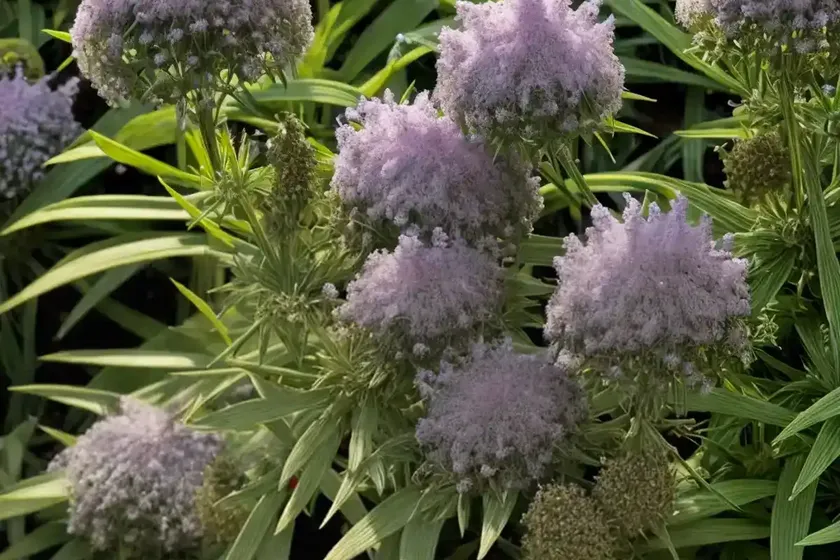
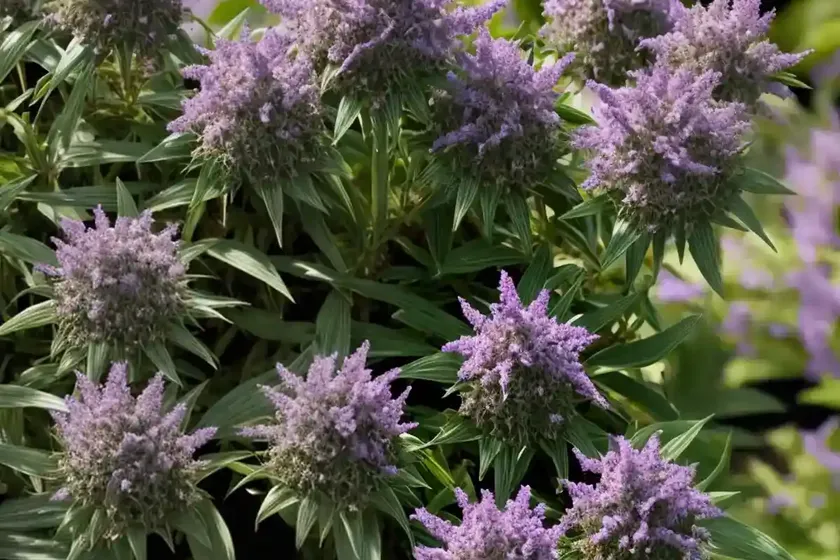
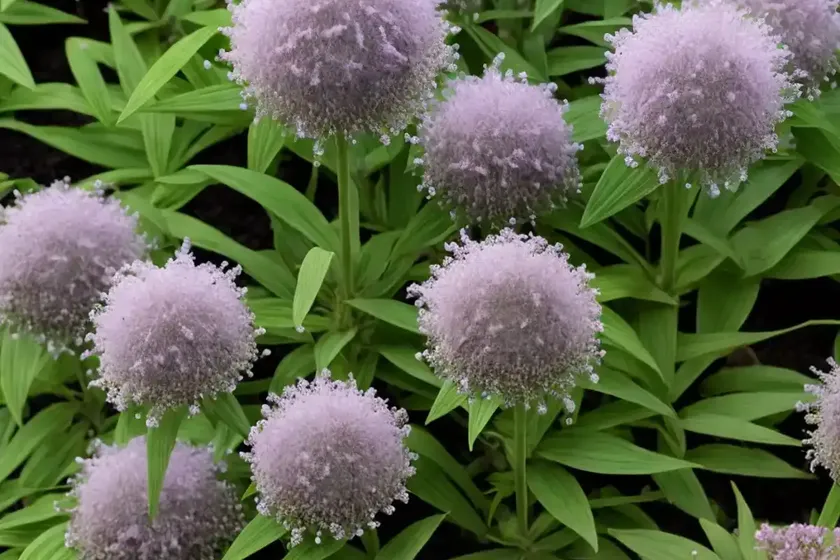
Plants are an essential part of our ecosystem, providing beauty, oxygen, and resources for both humans and wildlife. Among the diverse range of plants, Hebe cupressoides ‘Boughton Dome’ stands out as a particularly captivating species. In this comprehensive guide, we will explore the various aspects of Hebe cupressoides ‘Boughton Dome’, from its characteristics and cultivation to its uses and benefits in different landscapes.
What is Hebe Cupressoides ‘Boughton Dome’?
Hebe cupressoides ‘Boughton Dome’ is a striking evergreen shrub that belongs to the family Plantaginaceae. This particular Hebe variety is renowned for its compact and dome-shaped growth habit, which adds an elegant touch to gardens and landscapes. With its aromatic foliage and petite white flowers, Hebe cupressoides ‘Boughton Dome’ is a popular choice for gardeners and landscapers alike.
Key Takeaways
- Scientific Name: Hebe cupressoides ‘Boughton Dome’
- Family: Plantaginaceae
- Growth Habit: Compact, dome-shaped
- Foliage: Aromatic, evergreen
- Flowers: Petite white blooms
Now that we have a brief understanding of what makes Hebe cupressoides ‘Boughton Dome’ so special, let’s delve deeper into its cultivation, uses, and maintenance.
Cultivation
Water
Hebe cupressoides ‘Boughton Dome’ requires regular watering, especially during dry spells or hot weather. It’s essential to keep the soil consistently moist, but not waterlogged, to ensure the plant’s health and vitality. However, it’s crucial to avoid overwatering, as excessive moisture can lead to root rot and other problems.
Sunlight
In terms of sunlight requirements, Hebe cupressoides ‘Boughton Dome’ thrives in full sun to partial shade. Providing adequate sunlight ensures vigorous growth and abundant flowering, making it a delightful addition to any garden or landscape.
Fertilizer
Fertilizing Hebe cupressoides ‘Boughton Dome’ is beneficial for promoting growth and blooming. A balanced, slow-release fertilizer applied in spring can provide the necessary nutrients for healthy development. Additionally, incorporating organic matter into the soil can further enhance the plant’s overall well-being.
Soil
This Hebe variety prefers well-draining soil with a slightly acidic to neutral pH. Amending the soil with compost or peat moss can improve its texture and fertility, creating an optimal environment for Hebe cupressoides ‘Boughton Dome’ to thrive.
Pruning
Regular pruning is essential for maintaining the attractive shape and compact form of Hebe cupressoides ‘Boughton Dome’. Pruning in late spring or early summer helps remove any dead or overgrown branches, encourages new growth, and enhances the overall appearance of the plant. It’s important to use sharp, clean tools to make precise cuts and minimize the risk of disease transmission.
Propagation
Propagating Hebe cupressoides ‘Boughton Dome’ can be achieved through various methods, including:
– Softwood cuttings: Taken in early summer, these cuttings can root in a well-draining growing medium.
– Semi-hardwood cuttings: Harvested in late summer to early autumn, these cuttings can also develop roots under suitable conditions.
– Division: Dividing established clumps can yield new plants that retain the characteristics of the parent plant.
Container Popularity
Due to its compact and dome-shaped growth habit, Hebe cupressoides ‘Boughton Dome’ is well-suited for container gardening. This allows individuals with limited space to enjoy the beauty of Hebe cupressoides ‘Boughton Dome’ on patios, balconies, or other outdoor areas. When cultivating this Hebe variety in containers, it’s crucial to select a pot with adequate drainage, use high-quality potting mix, and provide proper care to ensure its well-being.
Common Diseases
While Hebe cupressoides ‘Boughton Dome’ is relatively resilient, it may be susceptible to certain diseases under unfavorable conditions. Some common diseases that may affect this Hebe variety include:
1. Powdery mildew: This fungal disease can manifest as a powdery white coating on the leaves, affecting the plant’s overall health and appearance.
2. Leaf spot: Characterized by dark spots on the foliage, leaf spot can be caused by various pathogens and environmental factors.
3. Root rot: Excessive soil moisture can lead to root rot, impacting the plant’s ability to uptake water and nutrients.
Disease Diagnosis
When diagnosing potential diseases in Hebe cupressoides ‘Boughton Dome’, it’s essential to closely examine the symptoms and consider the environmental conditions. Collecting samples and seeking advice from horticultural professionals can aid in accurate disease diagnosis and the implementation of effective control measures.
Common Pests
Hebe cupressoides ‘Boughton Dome’ may attract certain pests that can compromise its health and vigor. Common pests that may affect this Hebe variety include:
– Aphids: These tiny insects can cluster on the foliage and stems, feeding on plant sap and potentially spreading diseases.
– Scale insects: Scale insects can appear as small, waxy bumps on the plant, often causing damage by sucking sap from the stems and leaves.
– Spider mites: These microscopic pests can weave fine webs on the foliage and stunt the plant’s growth by feeding on its juices.
Botanist’s Tips
To ensure the successful cultivation of Hebe cupressoides ‘Boughton Dome’, consider the following botanist’s tips:
– Monitor soil moisture: Regularly check the soil moisture levels and adjust watering practices accordingly to avoid extremes of drought or waterlogging.
– Promote airflow: Proper spacing and adequate ventilation can help reduce the risk of fungal diseases and pest infestations.
– Inspect regularly: Periodically inspect the plant for signs of disease or pest activity, allowing for early intervention and treatment if necessary.
Fun Facts
- Hebe, the genus to which Hebe cupressoides ‘Boughton Dome’ belongs, is named after the Greek goddess of youth, alluding to the plant’s youthful and vibrant appearance.
- This Hebe variety is not only valued for its ornamental qualities but also for its potential contributions to wildlife habitats and biodiversity.
With its charming attributes and versatile nature, Hebe cupressoides ‘Boughton Dome’ is a delightful addition to gardens, landscapes, and various outdoor settings. Now that we’ve explored the various aspects of this fascinating plant, let’s further enrich our understanding by delving into some external resources and references.
Links to External Resources
- Hebe ‘Boughton Dome’ Plant Profile – Royal Horticultural Society
- Growing Hebes – University of California Agriculture and Natural Resources
- Plant Pathology – American Phytopathological Society
- Pest Management Strategic Plan for Aphids – University of California Agriculture and Natural Resources
- Hebe Species for the Garden – New Zealand Plant Conservation Network
As we continue to expand our knowledge of Hebe cupressoides ‘Boughton Dome’ and its cultivation, these resources can serve as valuable references for further exploration and learning. Whether you’re a seasoned gardener or a budding plant enthusiast, the journey of discovering and nurturing Hebe cupressoides ‘Boughton Dome’ is both rewarding and enriching.
In conclusion, Hebe cupressoides ‘Boughton Dome’ captivates the hearts and landscapes of many with its elegant appearance, aromatic foliage, and enduring qualities. As we embrace the wonders of nature, let this remarkable Hebe variety inspire our appreciation for plants and the natural world. Happy gardening and may the beauty of Hebe cupressoides ‘Boughton Dome’ thrive in your green spaces!
- The Royal Horticultural Society. “Hebe cupressoides ‘Boughton Dome’ Plant Profile.” Link
- University of California Agriculture and Natural Resources. “Growing Hebes.” Link
- American Phytopathological Society. “Plant Pathology Resources.” Link
- University of California Agriculture and Natural Resources. “Pest Management Strategic Plan for Aphids.” Link
- New Zealand Plant Conservation Network. “Hebe Species for the Garden.” Link


