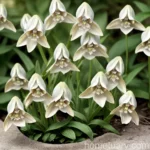
Hay-scented Orchid (Dendrochilum Glumaceum): A Complete Plant Guide
Introduction
Plants are some of the most fascinating and essential living organisms on our planet. They come in an astonishing variety of forms, colors, and sizes and play a crucial role in sustaining life for both humans and wildlife. In this comprehensive blog post, we will delve into the fascinating world of the Hay-scented Orchid, scientifically known as Dendrochilum Glumaceum. This post will serve as a complete guide, covering everything from its cultural significance to its conservation status.
In this detailed account, we will explore the following aspects of the Hay-scented Orchid:
- What Is Plant: Hay-scented Orchid (Dendrochilum Glumaceum)
- Key Takeaways: Hay-scented Orchid (Dendrochilum Glumaceum)
- Culture
- Uses
- Water
- Sunlight
- Fertilizer
- Soil
- Pruning
- Propagation
- Container Popularity
- Common Diseases
- Common Pests
- Botanist’s Tips
- Fun Facts
- Links to External Resources
What is Plant: Hay-scented Orchid (Dendrochilum Glumaceum)
The Hay-scented Orchid, scientifically known as Dendrochilum Glumaceum, is a captivating species of orchid that is native to the lush, tropical forests of Southeast Asia. This unique orchid is renowned for its delicate, fragrant blooms and is a popular choice among orchid enthusiasts and collectors.
Key Takeaways: Hay-scented Orchid (Dendrochilum Glumaceum)
- Scientific Name: Dendrochilum Glumaceum
- Common Name: Hay-scented Orchid
- Family: Orchidaceae
- Native Habitat: Southeast Asia
- Blooming Season: Typically blooms in the spring and summer
- Fragrance: Produces a pleasant hay-like scent, hence its common name
Culture
Uses
The Hay-scented Orchid is highly esteemed for its ornamental value, making it a sought-after plant for both indoor and outdoor cultivation. Its delicate and aesthetically pleasing blooms make it a popular choice for floral arrangements and decorative purposes. Additionally, it holds significant cultural and ecological value in its native habitats.
Water
Orchids, including the Hay-scented Orchid, have unique water requirements that differ from those of many other houseplants. It is crucial to strike a delicate balance when it comes to watering, as overwatering can lead to root rot, while underwatering can cause dehydration and wilting.
Sunlight
As with most orchid species, the Hay-scented Orchid thrives in bright, indirect light. This makes it an excellent choice for indoor cultivation, particularly in areas with limited access to direct sunlight. However, it is essential to protect it from harsh, direct sunlight, as this can lead to leaf scorching and damage.
Fertilizer
Fertilizing is an integral part of orchid care, and the Hay-scented Orchid is no exception. When properly fertilized, this orchid will reward you with healthy growth and vibrant blooms. A balanced, water-soluble fertilizer formulated specifically for orchids is the best choice for promoting the overall health and vitality of the Hay-scented Orchid.
Soil
The type of growing medium used for orchids is crucial to their well-being. The Hay-scented Orchid thrives in a well-draining, aerated potting mix. A blend specifically formulated for orchids, such as a mix of pine bark, perlite, and charcoal, provides an ideal environment for the orchid’s root system.
Pruning
Pruning plays a crucial role in maintaining the health and appearance of the Hay-scented Orchid. Regular removal of spent blooms and yellowing foliage promotes new growth and encourages the plant to focus its energy on producing new flowers.
Propagation
Propagation of the Hay-scented Orchid can be accomplished through various methods, including division, back bulbs, and tissue culture. Each method has its advantages and is suitable for different circumstances.
Container Popularity
The Hay-scented Orchid is a popular choice for container gardening due to its compact growth habit and elegant appearance. It thrives in well-draining containers, and its striking floral display makes it an attractive addition to indoor and outdoor settings.
Common Diseases
Orchids, including the Hay-scented Orchid, are susceptible to a range of diseases, including fungal infections, bacterial rots, and viral diseases. Proper cultural practices, such as maintaining good air circulation and avoiding overwatering, are essential for preventing the onset and spread of these diseases.
Common Pests
Pests such as aphids, scale insects, and spider mites can pose a threat to the health of the Hay-scented Orchid. Regular monitoring and prompt intervention are essential for preventing pest infestations and preserving the orchid’s well-being.
Botanist’s Tips
- Ensure proper air circulation to prevent fungal infections.
- Use a well-draining potting mix to avoid waterlogged conditions.
- Monitor the orchid for signs of pests and diseases and take appropriate action if necessary.
Fun Facts
- The fragrance of the Hay-scented Orchid is often described as reminiscent of freshly mown hay, hence its common name.
- In its native habitats, the Hay-scented Orchid plays a vital role in supporting diverse ecosystems and wildlife.
Links to External Resources
For further information on the Hay-scented Orchid (Dendrochilum Glumaceum) and related topics, you may find the following resources helpful:
- American Orchid Society
- Royal Horticultural Society
- Orchid Care Tips
- Botanical Gardens Conservation International
In conclusion, the Hay-scented Orchid (Dendrochilum Glumaceum) is a captivating and alluring orchid species that offers a wealth of beauty and botanical interest. Its delicate blooms, pleasant fragrance, and cultural significance make it a truly remarkable plant to behold and cultivate.
The information presented in this comprehensive guide serves as a valuable resource for both novice and experienced growers, providing insights into the care, cultivation, and appreciation of this extraordinary orchid species. Whether you are drawn to the ornamental beauty of orchids, the cultural significance of plants, or the delicate balance of ecosystem preservation, the Hay-scented Orchid represents a rich tapestry of natural wonder and botanical marvel.