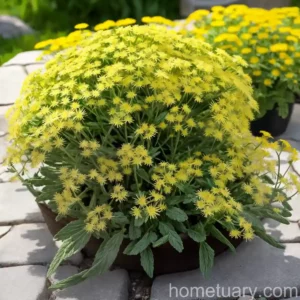
Sea Aster (Tripolium Pannonicum): A Stunning Coastal Plant
Sea Aster, scientifically known as Tripolium pannonicum, is a remarkable coastal plant that thrives in challenging environments. With its stunning flowers and unique characteristics, this plant has become a favorite among gardeners and plant enthusiasts. In this comprehensive guide, we will delve into the various aspects of Sea Aster, including its culture, uses, care requirements, common diseases, pests, and propagation techniques. Join me as we explore the fascinating world of Sea Aster and uncover the secrets to cultivating and nurturing this exceptional plant.
What is Sea Aster (Tripolium Pannonicum)?
Sea Aster (Tripolium pannonicum) is a perennial flowering plant that belongs to the family Asteraceae. Also referred to as the Sea Starwort, Sea Daisy, and Sea Marguerite, this plant is native to coastal regions of Europe and Asia. It is known for its ability to thrive in salt marshes, estuaries, and coastal dunes, making it a resilient and adaptable species.
The Sea Aster features succulent, oblong leaves and produces vibrant purple, lilac, or pink daisy-like flowers that add a pop of color to its surroundings. Its ability to withstand high salinity levels and challenging growing conditions makes it an ideal choice for coastal gardens and landscapes.
Key Takeaways – Sea Aster (Tripolium Pannonicum)
Before we delve deeper into the various aspects of Sea Aster, let’s take a quick look at the key takeaways associated with this remarkable plant:
- Scientific Name: Tripolium pannonicum
- Common Names: Sea Aster, Sea Starwort, Sea Daisy, Sea Marguerite
- Family: Asteraceae
- Native Range: Coastal regions of Europe and Asia
- Habitat: Thrives in salt marshes, estuaries, and coastal dunes
- Flower Color: Purple, lilac, or pink
- Growth Form: Perennial
Now that we have a basic understanding of Sea Aster, let’s explore its culture, uses, and essential care requirements to help you cultivate and appreciate this exceptional coastal plant.
Culture
Cultivating Sea Aster requires an understanding of its native habitat and environmental preferences. By mimicking its natural growing conditions, you can successfully cultivate and nurture this resilient coastal plant.
Water
Sea Aster is well adapted to coastal environments, where it experiences periodic flooding, saltwater exposure, and sandy soils. Its ability to tolerate high levels of salinity makes it a suitable choice for gardens near the sea or in coastal areas.
Watering Requirements:
– Sea Aster prefers well-draining soil that mimics the sandy and occasionally flooded conditions of its native habitat.
– Water the plant regularly but ensure that the soil is not waterlogged, as excessive moisture can lead to root rot.
Sunlight
Another critical aspect of Sea Aster culture is providing the appropriate sunlight conditions. As a coastal plant, it thrives in full sun, benefiting from long hours of direct sunlight.
Sunlight Requirements:
– Plant Sea Aster in an area that receives full sun for the majority of the day.
– Ensure that the plant is not shaded by taller vegetation, as it thrives in bright and sunny conditions.
Soil
When it comes to soil requirements, Sea Aster prefers a specific type of substrate that closely resembles its native coastal soil. Mimicking its natural environment is crucial for promoting healthy growth and blooming.
Soil Requirements:
– Plant Sea Aster in sandy, well-draining soil that allows excess water to pass through easily.
– Ensure that the soil has low salinity levels, as excessively salty soil can hinder the plant’s growth.
Fertilizer
While Sea Aster is adapted to nutrient-poor coastal soils, providing some additional nutrients can support its overall health and vigor. However, it’s essential to be mindful of the type and amount of fertilizer applied to prevent issues such as over-fertilization.
Fertilization Tips:
– Use a balanced, slow-release fertilizer during the growing season to provide essential nutrients without overwhelming the plant.
– Apply the fertilizer sparingly to avoid excessive vegetative growth at the expense of flowering.
Uses
Sea Aster serves multiple purposes, ranging from its ecological significance in coastal habitats to its potential culinary and medicinal uses.
Ecological Role
In its natural habitat, Sea Aster plays a crucial role in stabilizing coastal ecosystems and providing habitat and food for wildlife. Its tolerance to salt and periodic flooding enables it to thrive in challenging conditions, contributing to the overall biodiversity of coastal regions.
Culinary and Medicinal Uses
Aside from its ecological significance, Sea Aster also holds potential culinary and medicinal value. The tender young shoots and leaves of Sea Aster are edible and can be used in salads, soups, or as a garnish, imparting a unique salty flavor to dishes. Additionally, some traditional medicinal practices incorporate Sea Aster for its purported health benefits.
Pruning
Pruning is an essential aspect of Sea Aster care, helping maintain its shape, stimulate new growth, and prevent the plant from becoming overgrown.
Pruning Guidelines:
– Trim back any dead or leggy growth to encourage new, bushier growth.
– Deadhead spent flowers to prolong the blooming period and prevent the plant from allocating energy to seed production.
Propagation
Propagation allows you to expand your Sea Aster collection or share this exceptional plant with fellow gardening enthusiasts. Understanding the various propagation methods will enable you to create new plants successfully.
Propagation Methods
Sea Aster can be propagated through several methods, including seeds, division, and stem cuttings.
Seed Propagation:
– Collect mature seeds from the dried flower heads and sow them in a well-draining seed-starting mix.
– Ensure that the seeds are kept consistently moist and provide warmth and bright light for germination.
Division:
– Divide mature Sea Aster plants in early spring, ensuring that each division has sufficient roots and shoots.
– Replant the divisions in suitable soil and provide adequate moisture and sunlight for establishment.
Stem Cuttings:
– Take semi-hardwood stem cuttings from healthy Sea Aster plants and remove the lower leaves.
– Dip the cut end in a rooting hormone and place the cutting in a well-draining potting mix.
– Provide the cutting with warmth, humidity, and indirect light to facilitate root development.
Container Popularity
While Sea Aster is well-suited to coastal landscapes and gardens, it also thrives in container environments, making it a popular choice for container gardening enthusiasts. Its adaptability and low maintenance requirements make it an excellent candidate for container cultivation.
Container Requirements
When growing Sea Aster in containers, it’s essential to provide the appropriate growing conditions to support its health and vigor.
Container Size:
– Select a spacious container that allows the Sea Aster’s roots to spread and establish properly.
– Ensure that the container has drainage holes to prevent waterlogging and salt buildup.
Growing Medium:
– Use a well-draining potting mix with sand or perlite to mimic the plant’s natural sandy habitat.
– Consider adding a small amount of compost to provide some nutrients to the plant.
Placement:
– Position the container in a sunny location, such as a patio, balcony, or rooftop garden, where the plant can receive ample sunlight.
Common Diseases
Sea Aster, like many plants, is susceptible to certain diseases, which can affect its overall health and appearance. Identifying and addressing these diseases promptly is crucial to maintaining the plant’s vigor.
Disease Diagnosis
Understanding the common diseases that affect Sea Aster will enable you to recognize symptoms and implement appropriate management strategies.
Powdery Mildew (Erysiphe cichoracearum):
– Powdery mildew appears as a white, powdery growth on the leaves and stems of the plant.
– Ensure good air circulation and avoid overhead watering to prevent the development of powdery mildew.
– Treat affected plants with a suitable fungicidal spray to control the spread of the disease.
Leaf Spot Diseases:
– Leaf spot diseases manifest as dark lesions or spots on the leaves, leading to wilting and defoliation.
– Practice proper sanitation by removing and disposing of infected plant debris to prevent the spread of leaf spot diseases.
– Apply a copper-based fungicide to manage severe cases of leaf spot diseases.
Common Pests
In addition to diseases, Sea Aster may also attract certain pests that can compromise its growth and vitality. Identifying and addressing these pests promptly is essential for preserving the plant’s health.
Pest Identification
Being mindful of the common pests that affect Sea Aster will help you implement effective pest control measures.
Aphids:
– Aphids are small, soft-bodied insects that feed on the sap of plants, causing distortion and yellowing of the leaves.
– Use a strong spray of water to dislodge aphids from the plant, or apply insecticidal soap as a targeted treatment.
Snails and Slugs:
– Snails and slugs can feed on the foliage and tender shoots of Sea Aster, causing significant damage.
– Employ physical barriers, such as copper tape or diatomaceous earth, to deter snails and slugs from reaching the plant.
Spider Mites:
– Spider mites are tiny arachnids that feed on the plant’s sap, leading to stippling and discoloration of the leaves.
– Increase humidity around the plant and apply a horticultural oil spray to control spider mite populations.
Botanist’s Tips
As a botanist passionate about coastal plants, I have some valuable tips to share with fellow enthusiasts who are interested in cultivating Sea Aster in their gardens or landscapes.
Tip 1: Mimic Coastal Conditions
When cultivating Sea Aster, it’s essential to mimic its native coastal conditions by providing well-draining, sandy soil, ample sunlight, and periodic waterlogging. This will help the plant thrive and exhibit its best growth and blooming.
Tip 2: Monitor Salinity Levels
Be mindful of soil salinity, especially if you’re cultivating Sea Aster in close proximity to saltwater bodies. Excessive salinity can hinder the plant’s growth, so it’s crucial to monitor and manage salinity levels effectively.
Tip 3: Encourage Wildlife
By cultivating Sea Aster, you can attract and support various wildlife, including pollinators and other beneficial insects. Embrace the ecological role of Sea Aster in coastal habitats and appreciate the diversity it brings to your garden.
Tip 4: Experiment with Culinary Uses
Explore the culinary potential of Sea Aster by incorporating its tender shoots and leaves into your cooking. Its unique, salty flavor adds a delightful twist to salads, soups, and other dishes, providing a creative, coastal-inspired culinary experience.
Fun Facts
Here are some fascinating fun facts about Sea Aster that showcase its distinctive characteristics and ecological significance:
- Sea Aster is a pioneer species in coastal habitats, playing a vital role in colonizing and stabilizing coastal ecosystems.
- The plant’s succulent leaves and stems allow it to store water, enabling it to withstand periods of drought and salt exposure.
- Sea Aster’s vibrant flowers attract a variety of pollinators, contributing to the overall biodiversity of coastal regions.
Links to External Resources
For additional information and resources on Sea Aster care, cultivation, and ecological significance, consider exploring the following links:
- Royal Horticultural Society – Tripolium Pannonicum
- Plantlife – Sea Aster
- NatureGate – Sea Aster
- British and Irish Botany – Sea Aster
Conclusion
Sea Aster (Tripolium pannonicum) is a captivating coastal plant with remarkable features and ecological significance. Its ability to thrive in salt marshes, estuaries, and coastal dunes, coupled with its culinary and medicinal potential, makes it an invaluable addition to coastal gardens and landscapes. By understanding its culture, uses, essential care requirements, and ecological significance, you can cultivate and appreciate Sea Aster while contributing to the preservation of coastal biodiversity.
Incorporating Sea Aster into your coastal garden not only adds beauty and color but also supports the unique ecosystems found in coastal regions. Embrace the resilience and versatility of Sea Aster as you explore its cultural, ecological, and culinary dimensions, enriching your gardening experience with an exceptional coastal plant.