Hawaiian Ti Plant (Cordyline Fruticosa Glauca)
Plants have long been prized for their beauty, ability to purify the air, and their soothing effects on our minds. One such plant that has gained.
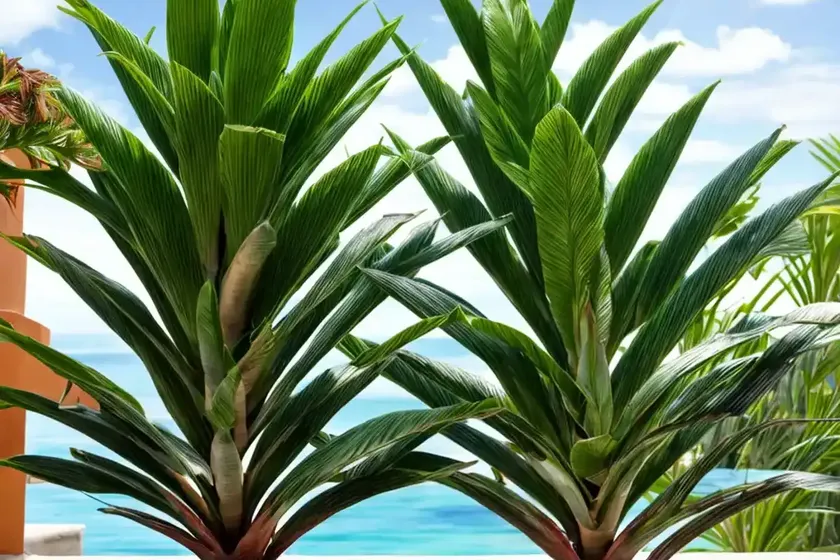
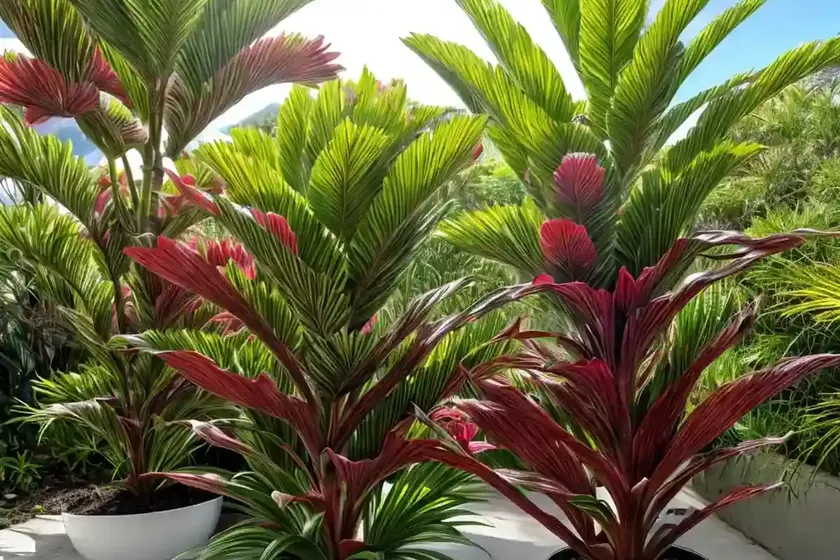
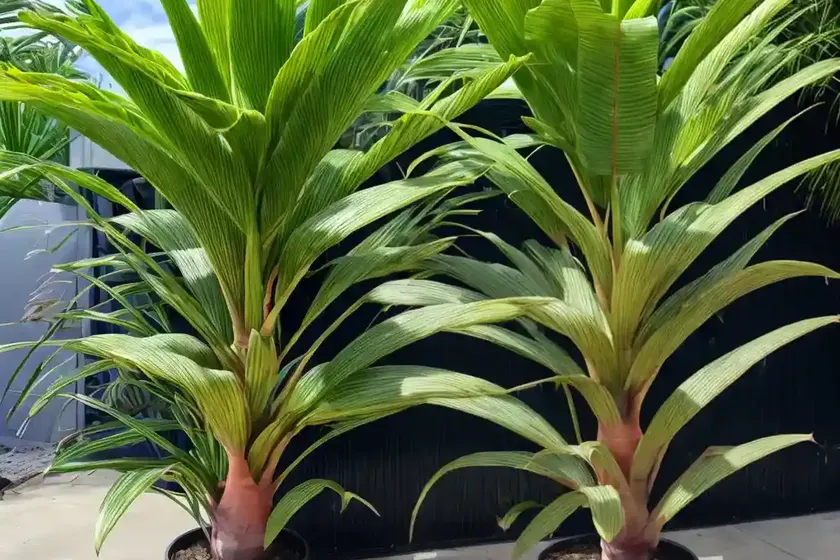
Plants have long been prized for their beauty, ability to purify the air, and their soothing effects on our minds. One such plant that has gained popularity as an ornamental houseplant is the Hawaiian Ti Plant, scientifically known as Cordyline Fruticosa Glauca. With its vibrant foliage and relatively easy-care requirements, the Ti Plant has become a favorite among plant enthusiasts and interior decorators.
In this guide, we will delve into all aspects of Hawaiian Ti Plant care, including its culture, uses, water and sunlight needs, fertilizer requirements, common diseases and pests, propagation methods, and much more. Whether you are a seasoned plant parent or a novice looking to adorn your living space with this stunning plant, this comprehensive care guide will equip you with all the essential knowledge to help your Ti Plant thrive.
What is the Hawaiian Ti Plant (Cordyline Fruticosa Glauca)?
The Hawaiian Ti Plant or Cordyline Fruticosa Glauca is a tropical plant native to Southeast Asia, Papua New Guinea, and Northern Australia. It belongs to the Asparagaceae family and is renowned for its striking, sword-shaped, multicolored leaves and vibrant, upright growth habit. The plant’s leaves exhibit a magnificent combination of colors, ranging from green, purple, pink, and red, adding a touch of tropical elegance to any indoor or outdoor space.
Key Takeaways – Hawaiian Ti Plant (Cordyline Fruticosa Glauca)
Before delving into the specifics of Hawaiian Ti Plant care, let’s take a moment to highlight the key points that will be covered in this comprehensive guide:
- Hawaiian Ti Plant care: Understanding the fundamental care requirements for successful Ti Plant cultivation.
- Cordyline Fruticosa Glauca: Exploring the botanical characteristics and growth habits of the Hawaiian Ti Plant.
- Ti plant varieties: Surveying the diverse varieties and cultivars of the Ti Plant available to enthusiasts.
- How to grow Hawaiian Ti Plant: Detailed insights into the cultivation and propagation techniques for the Ti Plant.
- Ti plant indoor care tips: Essential tips and considerations for growing Hawaiian Ti Plant as an indoor houseplant.
- Cordyline Fruticosa Glauca care guide: A comprehensive guide to caring for the distinct needs of the Ti Plant.
- Hawaiian Ti Plant foliage: Appreciating the varied and vibrant foliage of the Ti Plant.
- Ti plant propagation methods: Exploring the various techniques for propagating Hawaiian Ti Plant.
- Benefits of having a Ti Plant: Understanding the potential benefits of incorporating the Ti Plant into your living space.
- Ti plant pruning techniques: Mastering the art of pruning and shaping the Ti Plant for optimal growth.
- Hawaiian Ti Plant watering needs: Understanding the specific watering requirements of the Ti Plant.
- Cordyline Fruticosa Glauca diseases: Identifying and addressing common diseases that affect the Ti Plant.
- Ti plant repotting guide: Essential guidelines for repotting and transplanting Hawaiian Ti Plant.
- Growing Ti plants outdoors: Tips and considerations for cultivating Ti Plants in outdoor settings.
- Ti plant light requirements: Understanding the essential lighting needs for the healthy growth of the Ti Plant.
- Cordyline Fruticosa Glauca pests: Identifying and managing common pests that may affect the Ti Plant.
- Hawaiian Ti Plant fertilizer needs: Exploring the nutritional requirements and fertilization schedule for the Ti Plant.
- Ti plant potting mix recommendations: Choosing the ideal potting mix for healthy growth and development of the Ti Plant.
- Indoor Ti plant decoration ideas: Creative tips for incorporating the Ti Plant into your indoor decor.
- Cordyline Fruticosa Glauca leaves turning yellow: Understanding and addressing potential issues related to yellowing leaves.
- Ti plant temperature tolerance: Exploring the temperature preferences and tolerances of the Ti Plant.
- Hawaiian Ti Plant water storage abilities: Understanding the storage capabilities and drought tolerance of the Ti Plant.
- Ti plant winter care: Essential care tips for maintaining the health of the Ti Plant during the winter months.
- Cordyline Fruticosa Glauca soil preferences: Choosing the right soil type and composition for the Ti Plant.
- Hawaiian Ti Plant root system: Understanding the root structure and growth habits of the Ti Plant.
- Ti plant flowering process: Exploring the flowering characteristics and potential of the Ti Plant.
- Benefits of Ti plants in air purification: Recognizing the air-purifying qualities of the Ti Plant.
- Hawaiian Ti Plant humidity preferences: Understanding the ideal humidity levels for the healthy growth of the Ti Plant.
- Cordyline Fruticosa Glauca growth rate: Assessing the growth habits and rate of the Ti Plant.
- Ti plant container gardening tips: Essential tips for cultivating Ti Plants in containers.
- Hawaiian Ti Plant common problems: Identifying and addressing common issues and challenges in Ti Plant care.
- Ti plant companion plants: Discovering suitable companion plants to complement the beauty of the Ti Plant.
- Cordyline Fruticosa Glauca toxicity levels: Understanding the potential toxicity of the Ti Plant and its effects on pets.
- Hawaiian Ti Plant landscape ideas: Creative landscaping ideas incorporating the stunning beauty of the Ti Plant.
- Ti plant light placement recommendations: Guidance on optimal light placement for the healthy growth of the Ti Plant.
- Cordyline Fruticosa Glauca variegated varieties: Exploring the diverse variegated varieties of the Ti Plant.
- Hawaiian Ti Plant natural habitat: Understanding the native habitat and ecological preferences of the Ti Plant.
- Ti plant as an ornamental houseplant: Recognizing the ornamental value and aesthetic appeal of the Ti Plant.
- Cordyline Fruticosa Glauca leaf variegation: Appreciating the unique and striking leaf variegation of the Ti Plant.
- Hawaiian Ti Plant leaf drop causes: Identifying the potential causes and remedies for leaf drop in Ti Plants.
- Ti plant height and spread: Understanding the typical height and spread of the Ti Plant.
- Hawaiian Ti Plant leaf curling reasons: Addressing potential issues related to leaf curling in Ti Plants.
- Cordyline Fruticosa Glauca water requirements: Understanding the specific water needs of the Ti Plant.
- Ti plant benefits for Feng Shui: Exploring the Feng Shui benefits and symbolism of the Ti Plant.
- Hawaiian Ti Plant pet-friendly aspects: Assessing the pet-friendliness of the Ti Plant and potential safety concerns.
- Ti plant air humidity preferences: Understanding the ideal humidity conditions for the healthy growth of the Ti Plant.
- Cordyline Fruticosa Glauca unique characteristics: Highlighting the unique and distinctive characteristics of the Ti Plant.
- Ti plant leaf discoloration causes: Identifying and addressing issues related to leaf discoloration in Ti Plants.
- Hawaiian Ti Plant sunlight needs: Understanding the specific sunlight requirements for the healthy growth of the Ti Plant.
- Ti plant repelling insects: Exploring the potential insect-repelling properties of the Ti Plant.
Now that we have set the stage for our exploration, let’s embark on a comprehensive journey into the world of Hawaiian Ti Plant care.
Hawaiian Ti Plant Culture
The Hawaiian Ti Plant, or Cordyline Fruticosa Glauca, holds a revered place in tropical and subtropical landscapes due to its vibrant and visually appealing foliage. Understanding the cultural requirements of the Ti Plant is essential for ensuring its optimal growth and health.
Uses
The Hawaiian Ti Plant is known for its versatility and aesthetic appeal, making it a popular choice for a range of uses:
- Indoor Decor: Its striking foliage and vibrant colors make it an ideal choice for enhancing the visual appeal of indoor spaces.
- Outdoor Landscaping: In tropical and subtropical regions, the Ti Plant is commonly used in landscaping to add a touch of tropical elegance to gardens and outdoor spaces.
- Air Purification: Like many plants, the Ti Plant contributes to air purification by absorbing harmful pollutants and improving indoor air quality.
Water
Proper watering is a critical aspect of Hawaiian Ti Plant care. While the plant requires consistent moisture, it is also susceptible to root rot if overwatered. Here are some essential considerations for watering the Ti Plant:
- Moisture Requirements: The Ti Plant thrives in consistently moist, but not waterlogged, soil.
- Watering Frequency: Water the plant when the top inch of the soil becomes dry to the touch.
- Drainage: Ensure that the pot or planting area has proper drainage to prevent waterlogging.
Sunlight
The Ti Plant thrives in bright, indirect light, making it well-suited for indoor environments. Here are some important considerations for providing the appropriate sunlight for your Ti Plant:
- Light Requirements: Provide bright, indirect sunlight for optimal growth. Avoid direct sunlight, especially during the intense afternoon hours.
- Indoor Placement: Place the Ti Plant near a window where it can receive ample natural light without being exposed to harsh, direct sunlight.
Fertilizer
Proper fertilization is essential for promoting healthy growth and vibrant foliage in Hawaiian Ti Plants. Here are some tips for effectively fertilizing your Ti Plant:
- Fertilizer Type: Use a balanced, water-soluble fertilizer formulated for indoor plants.
- Application Frequency: Apply fertilizer every 4-6 weeks during the growing season (spring and summer). Reduce or cease fertilization during the plant’s dormant period in winter.
- Dilution: Dilute the fertilizer to half the recommended strength to prevent over-fertilization.
Soil
The choice of soil greatly influences the overall health and growth of Hawaiian Ti Plants. Here are some important considerations for selecting the ideal soil:
- Well-Draining: Use a well-draining potting mix to prevent waterlogging and root rot.
- Moisture-Retentive: The soil should retain moisture without becoming saturated.
- Acidic to Neutral pH: Aim for a slightly acidic to neutral soil pH, around 6.0 to 7.0.
Now that we’ve established the cultural requirements of the Hawaiian Ti Plant, including water, sunlight, fertilizer, and soil preferences, let’s explore essential care guidelines and techniques for maintaining and propagating this captivating plant.
Pruning
Pruning is an important aspect of Ti Plant care, as it helps maintain the plant’s shape, promotes healthy growth, and removes any diseased or damaged foliage. Here are some key pruning techniques for the Hawaiian Ti Plant:
- Removing Dead or Yellowing Leaves: Regularly remove any yellowing or dead leaves to maintain the plant’s aesthetic appeal and encourage new growth.
- Thinning Out Overcrowded Growth: Thin out any overcrowded or tangled growth to improve air circulation and prevent the development of fungal diseases.
- Shaping the Plant: Prune the Ti Plant to maintain the desired shape and size, promoting a more compact and bushy growth habit.
Propagation
Propagation Methods
The Hawaiian Ti Plant can be propagated through various methods, including stem cuttings and air layering. Here are the steps for propagating the Ti Plant through stem cuttings:
- Selecting a Cutting: Choose a healthy stem cutting that is approximately 4-6 inches long, making sure it has at least a few nodes or leaf joints.
- Preparing the Cutting: Remove any lower leaves to expose the nodes where roots will form. Dip the cut end in a rooting hormone to encourage root development.
- Planting the Cutting: Plant the cutting in a container filled with a well-draining, moist potting mix. Keep the soil consistently moist and provide bright, indirect light.
Container Popularity
The Hawaiian Ti Plant is a popular choice for container gardening due to its vibrant foliage and relatively compact size. Choosing the right container is essential for the health and growth of the Ti Plant. Here are some tips for selecting the ideal container:
- Size: Choose a container that provides ample space for the plant’s roots to grow, while allowing for future growth.
- Drainage Holes: Ensure that the container has adequate drainage holes to prevent waterlogging.
- Material: Opt for a breathable, porous material such as terra cotta or ceramic to promote aeration and prevent soil compaction.
Common Diseases
Like any plant, the Hawaiian Ti Plant is susceptible to certain diseases, especially when its cultural requirements are not met or when environmental conditions are unfavorable. Here are some common diseases that may affect the Ti Plant and their associated symptoms:
- Root Rot: Often caused by overwatering or poorly-draining soil, resulting in yellowing, wilting, and mushy roots.
- Leaf Spot: Characterized by the development of dark, water-soaked spots on the leaves, often caused by fungal pathogens in humid conditions.
- Powdery Mildew: A fungal disease that results in the formation of white powdery patches on the leaves, typically favored by high humidity and poor air circulation.
Disease Diagnosis
Diagnosing and addressing diseases in the Hawaiian Ti Plant is crucial for preventing their spread and maintaining the plant’s health. Here are some diagnostic steps for identifying and managing common diseases:
- Visual Inspection: Carefully examine the plant for any symptoms of disease, such as discoloration, wilting, or unusual spots on the leaves.
- Environmental Assessment: Evaluate the plant’s cultural conditions, including watering, lighting, and air circulation, to identify any potential stress factors.
- Treatment: Depending on the specific disease, treatment may involve adjusting cultural practices, improving air circulation, and using appropriate fungicidal treatments.
Common Pests
In addition to diseases, Hawaiian Ti Plants are also vulnerable to certain pests that can affect their health and vigor. Here are some common pests that may infest the Ti Plant and their associated symptoms:
- Aphids: These tiny, sap-sucking insects can cause distorted growth and the development of sticky honeydew on the foliage.
- Spider Mites: These minuscule pests can cause webbing on the leaves, yellowing, and stippling as they feed on the plant’s juices.
- Mealybugs: Mealybugs can appear as white, cottony masses on the leaves and stems, sucking sap and causing foliage distortion.
Botanist’s Tips
To ensure the optimal growth and health of your Hawaiian Ti Plant, consider the following insights from seasoned botanists and plant enthusiasts:
- Consistent Moisture: Maintain consistent soil moisture, allowing the soil to dry out slightly between waterings to prevent waterlogging.
- Avoid Cold Drafts: Protect the Ti Plant from cold drafts and sudden temperature fluctuations, as it prefers stable, warm conditions.
- Regular Pruning: Regularly prune and groom the plant to remove dead or yellowing leaves and promote healthy growth.
Fun Facts
Before we conclude our comprehensive guide to Hawaiian Ti Plant care, let’s explore some fascinating fun facts about this tropical beauty:
- Cultural Significance: In Hawaiian culture, the Ti Plant holds significant cultural and spiritual importance, often used in rituals and ceremonies.
- Diverse Varieties: The Hawaiian Ti Plant exhibits a wide range of cultivars, featuring diverse leaf colors and variegation patterns.
- Feng Shui Symbolism: The Ti Plant is considered a symbol of good fortune and positive energy in Feng Shui practice, believed to bring prosperity and luck to the home.
Now that we have covered the essential aspects of Hawaiian Ti Plant care, from its cultural requirements and propagation methods to disease management and fun facts, you are well-equipped to embark on a journey of successfully cultivating and enjoying the beauty of the Cordyline Fruticosa Glauca.
Links to External Resources
To further enrich your knowledge of Hawaiian Ti Plant care and cultivation, consider exploring the following external resources:
- University of Florida IFAS Extension: Cordyline fruticosa
- The Spruce: Hawaiian Ti Plant Care
- Gardening Know How: Hawaiian Ti Plant Growing and Care Guide
- Royal Horticultural Society: Cordyline fruticosa
- Missouri Botanical Garden: Cordyline fruticosa
With this wealth of knowledge and resources at your disposal, you can confidently cultivate and care for your own Hawaiian Ti Plants, adding a touch of tropical splendor to your indoor or outdoor spaces. Happy gardening!