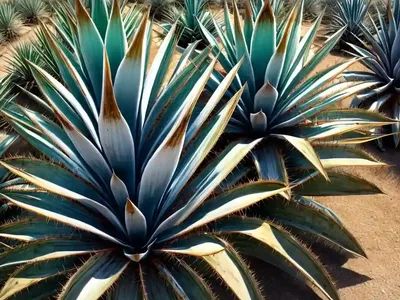
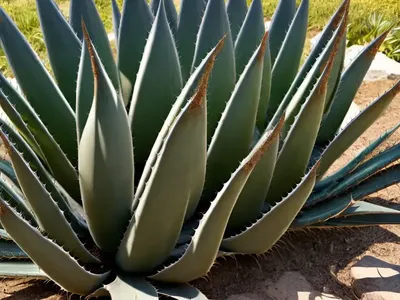
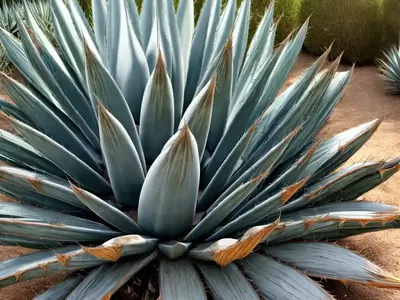
Havard Agave (Agave Havardiana)
As a plant scientist, I am excited to introduce you to the captivating world of Agave havardiana, commonly known as Havard agave. This resilient and.
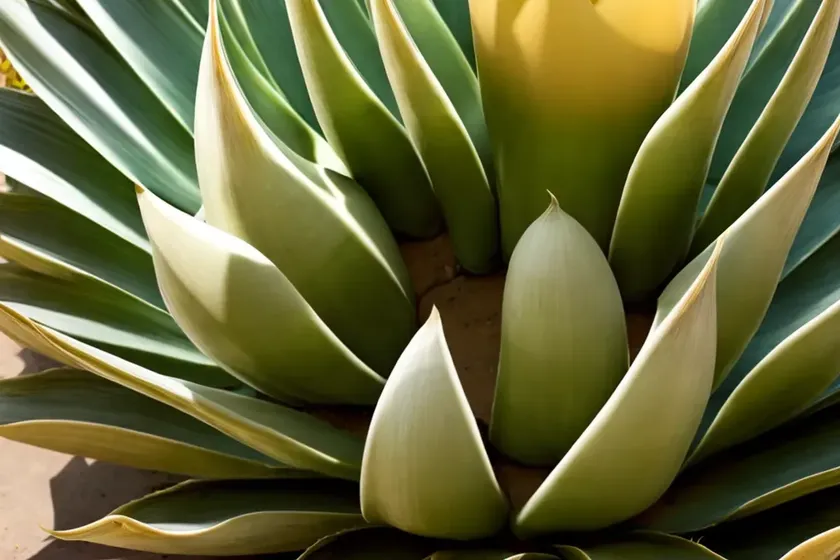
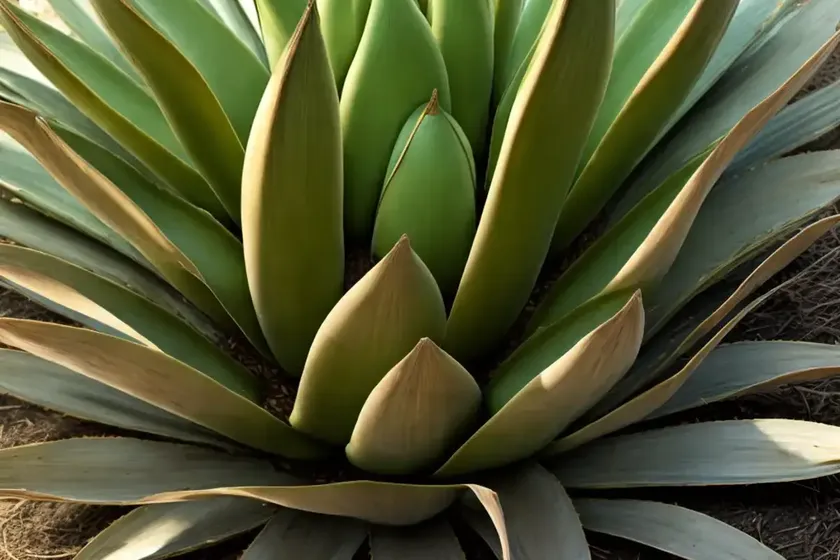
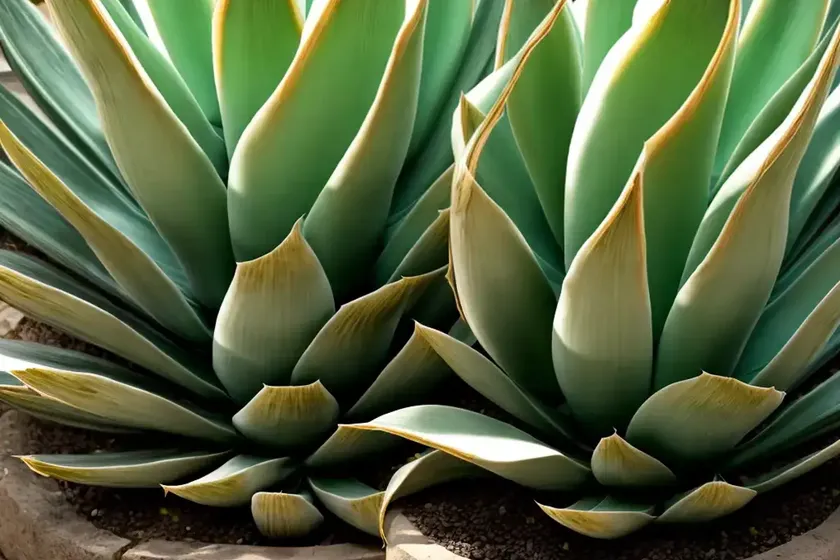
As a plant scientist, I am excited to introduce you to the captivating world of Agave havardiana, commonly known as Havard agave. This resilient and striking succulent has gained popularity among gardeners and landscape enthusiasts due to its distinct features and ornamental value. In this comprehensive plant guide, we will delve into the cultural significance, characteristics, care requirements, and much more about this remarkable plant species.
What is Agave havardiana?
Agave havardiana is a species of agave native to the Chihuahuan Desert region of Mexico and the southwestern United States, particularly Texas and New Mexico. It is a member of the Asparagaceae family and is known for its rosette-forming growth habit and sharp, succulent leaves. The plant is named in honor of Valery Havard, a 19th-century American botanist known for his contributions to plant taxonomy.
This striking succulent is highly valued for its architectural form, making it a popular choice for xeriscape gardens, rockeries, and arid landscaping projects. Its striking visual appeal, low maintenance requirements, and resilience to harsh environmental conditions have positioned it as a sought-after plant for both indoor and outdoor cultivation.
Key Takeaways – Havard Agave (Agave havardiana)
Before we explore the diverse aspects of Agave havardiana, let’s take a glance at the key takeaways that we will cover in detail throughout this comprehensive guide:
- Species name: Agave havardiana
- Common name: Havard agave
- Plant type: Succulent
- Origin: Chihuahuan Desert region of Mexico and the southwestern United States
- Growth habit: Rosette-forming
- Characteristics: Sharp, succulent leaves with a striking visual appeal
- Cultivation: Suitable for xeriscape gardens, rockeries, and arid landscaping projects
- Uses: Ornamental purposes, landscaping, and traditional applications
Uses
Ornamental Purposes
Havard agave is widely appreciated for its ornamental value, adding a dramatic and architectural element to garden landscapes. Its striking rosette of stiff, succulent leaves and slow growth rate make it a compelling choice for those seeking visually captivating and low-maintenance landscape features.
Landscaping and Xeriscaping Projects
Due to its natural adaptation to arid and semi-arid environments, Agave havardiana is frequently utilized in xeriscape gardens and landscaping projects that prioritize water conservation and sustainability. Its ability to thrive in dry, well-draining soil and withstand harsh weather conditions makes it an ideal candidate for such initiatives.
Water
One of the most crucial considerations when cultivating Agave havardiana is its water requirements. This species is exceptionally drought-tolerant and is susceptible to rot if overwatered. When establishing this plant in a garden or container, it is essential to provide well-draining soil and to monitor watering to avoid waterlogging the roots. In most cases, natural rainfall should suffice for the plant’s moisture needs, especially in regions with periodic precipitation.
During extended dry periods, it is advisable to provide supplementary water, ensuring that the soil dries out between watering sessions. This approach mimics the plant’s natural habitat and promotes healthier root development and overall vigor.
Sunlight
In its natural habitat, Agave havardiana thrives in full sun to partial shade conditions. When cultivating or landscaping with this species, it is vital to provide ample sunlight to promote healthy growth and maintain the plant’s characteristic form and coloration.
In regions with intense summer heat, providing some protection from direct midday sun may be beneficial, particularly for newly established plants. However, in general, providing a sun-drenched location will encourage optimal growth and resilience.
Fertilizer
Due to its adaptation to nutrient-poor environments, Agave havardiana has relatively low fertilizer requirements. When grown in natural soil or a well-balanced potting mix, this species can thrive without regular fertilization. However, for container-grown specimens or those situated in particularly poor soils, a half-strength, balanced liquid fertilizer can be applied during the active growing season to support healthy growth.
It is important to exercise caution when fertilizing Agave havardiana to avoid overfeeding, which can lead to adverse effects on the plant’s overall health and appearance. Always follow manufacturer recommendations and adjust application rates based on the specific needs of the individual plant.
Soil
The right soil conditions are vital for the successful cultivation of Agave havardiana. This species thrives in well-draining, sandy or gravelly soils that mimic its native habitat. When grown in containers, it is essential to use a well-draining potting mix specifically formulated for succulents and cacti.
Aim for a neutral to slightly acidic soil pH, and prioritize aeration to prevent water accumulation around the plant’s roots. Consider incorporating perlite, coarse sand, or gravel into the soil mix to enhance drainage and promote a healthy root environment.
Pruning
Due to its slow growth rate and architectural form, Agave havardiana generally requires minimal pruning. However, occasional maintenance may be necessary to remove dead or damaged leaves and to shape the plant for aesthetic purposes.
When pruning, it is important to use sharp, clean tools to minimize damage and promote rapid healing of the cuts. Exercise caution when handling the plant to avoid injury from its sharp leaf tips and spines.
Propagation
Agave havardiana can be propagated through several methods, including:
- Offsets: As mature plants produce offsets or “pups” around the base of the rosette, these can be carefully detached and replanted to establish new individuals. Ensure that the offsets have developed sufficient roots before separation to increase their chances of successful establishment.
- Seeds: While less commonly utilized due to the species’ slow growth rate, Agave havardiana can also be propagated from seeds. However, this method requires patience, as the germination process can be lengthy and unpredictable.
When propagating Havard agave, it is important to prioritize well-draining soil and provide a warm, sunny environment to support the establishment of new plants.
Container Popularity
Agave havardiana is a favorite choice for container gardening due to its ornamental value, resilience, and relatively compact growth habit. When cultivated in containers, this species can thrive on patios, balconies, or in indoor settings, adding a touch of desert-inspired elegance to any space.
The striking visual appeal and low-maintenance nature of Agave havardiana make it an excellent candidate for succulent gardens, modern landscapes, and minimalist design schemes. The use of containers allows for greater flexibility in creating stunning arrangements and compositions, making this species a versatile option for both novice and experienced gardeners.
Container Common Diseases
When cultivating Agave havardiana in containers, it is important to be mindful of potential disease issues that may arise. Some common diseases that can affect container-grown Havard agave include:
- Root Rot: This fungal disease can occur as a result of overwatering or poorly draining soil. To prevent root rot, ensure that the container has drainage holes and use a well-draining potting mix suitable for succulents and cacti.
- Powdery Mildew: High humidity levels and poor air circulation can contribute to powdery mildew development on the leaves of Agave havardiana. To minimize the risk of this fungal disease, provide adequate spacing between plants and maintain good air circulation.
Disease Diagnosis
Diagnosing diseases in Agave havardiana requires a keen eye for visual cues and an understanding of the plant’s typical growth patterns. When assessing the health of Havard agave, consider the following factors:
- Leaf discoloration and wilting: Yellowing, browning, or wilting of the leaves may indicate underlying disease issues, particularly root rot.
- Fungal growth: The presence of powdery white or gray growth on the leaf surfaces may indicate powdery mildew, especially in high humidity conditions.
- Root health: When inspecting container-grown specimens, carefully check the root system for signs of decay or discoloration, which can be indicative of root rot.
It is essential to act promptly if disease symptoms are observed, as early intervention can improve the chances of successful recovery.
Common Pests
While Agave havardiana is generally resistant to pest infestations, certain common garden pests may occasionally pose a threat to the plant’s health. Some pests to be mindful of include:
- Aphids: These small, sap-sucking insects can cluster on the leaves and stems of Agave havardiana, potentially causing damage and reducing the plant’s vigor. Regular monitoring and the use of insecticidal soaps or horticultural oils can help manage aphid populations.
- Mealybugs: Mealybugs are another common pest that can affect Havard agave, particularly in warm, dry conditions. These pests can be controlled using targeted insecticidal treatments and physical removal.
It is important to maintain good overall plant hygiene and employ integrated pest management strategies to minimize the risk of pest infestations and preserve the health and vitality of Agave havardiana.
Botanist’s Tips
For those interested in cultivating Agave havardiana, here are some valuable botanist’s tips to consider:
- Growing Conditions: Prioritize well-draining soil, ample sunlight, and minimal water to mimic the plant’s natural habitat and support optimal growth.
- Container Cultivation: If growing in containers, select pots with adequate drainage holes and use a specialized succulent and cactus potting mix for best results.
- Disease Prevention: Monitor for signs of root rot and powdery mildew, and take proactive measures to prevent these common issues through proper watering and good air circulation.
- Pest Management: Regularly inspect the plant for signs of aphids, mealybugs, or other common garden pests, and address any issues promptly using targeted treatments.
Fun Facts
To round off our exploration of Agave havardiana, here are some intriguing and little-known facts about this remarkable plant:
- The specific epithet “havardiana” honors Valery Havard, an American botanist known for his contributions to the study of American flora.
- Havard agave is a highly resilient plant, capable of withstanding severe heat, cold, and drought conditions, making it an excellent choice for low-maintenance landscapes.
- The striking blue-green leaves of Agave havardiana add a bold splash of color to arid and desert-themed gardens, creating a visually captivating focal point.
Links to External Resources
For further information on Agave havardiana, its cultivation, and related topics, consider exploring the following resources:
- The University of Texas at Austin: Agave havardiana
- Desert Botanical Garden: Agave havardiana
- Arizona Sonora Desert Museum: Agave havardiana
- Cactus and Succulent Society of America
- American Horticultural Society
- Royal Horticultural Society
- National Gardening Association
In closing, the captivating allure and resilience of Agave havardiana make it a standout species in the realm of succulent plants. Its striking visual appeal, minimal maintenance requirements, and adaptability to diverse growing conditions position it as a valuable addition to gardens, landscapes, and horticultural collections.
We hope that this comprehensive plant guide has provided you with valuable insights into the cultivation, care, and unique attributes of Havard agave. Whether you are a seasoned gardener, a landscaping enthusiast, or someone just discovering the world of succulents, may this guide inspire you to explore the remarkable beauty and horticultural potential of Agave havardiana.
Disclaimer: The information provided in this blog post is based on the knowledge and expertise of the author as a plant scientist. Individual plant care practices may vary based on specific environmental and cultural factors. It is advisable to consult local horticultural resources and professionals for tailored advice on cultivating Agave havardiana and other plant species.
- “Agave havardiana” – Lady Bird Johnson Wildflower Center. Link
- “Agave havardiana” – Desert Botanical Garden. Link
- “Agave havardiana” – Arizona Sonora Desert Museum. Link
- Cactus and Succulent Society of America. Link
- American Horticultural Society. Link
- Royal Horticultural Society. Link
- National Gardening Association. Link
Author: [Your Name]