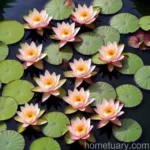
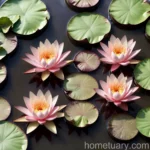
Hardy Water Lily (Nymphaea ‘Marliacea Chromatella’)
In the world of aquatic plants, one of the most beloved and iconic species is the hardy water lily, scientifically known as Nymphaea. Among the broad spectrum of water lily varieties, the Nymphaea ‘Marliacea Chromatella’ stands out with its striking yellow flowers and lush green leaves. In this comprehensive guide, we will explore the cultivation, maintenance, and unique attributes of the hardy water lily, providing valuable insights for both beginners and experienced gardeners.
What is a Hardy Water Lily (Nymphaea ‘Marliacea Chromatella’)?
The hardy water lily, or Nymphaea, is a perennial plant belonging to the Nymphaeaceae family. It is renowned for its exquisite blossoms and elegant floating leaves that adorn ponds, lakes, and water gardens. Nymphaea ‘Marliacea Chromatella’ is a specific variety known for its vigorous growth, radiant yellow blooms, and versatility in various aquatic settings.
Key Takeaways – Hardy Water Lily (Nymphaea ‘Marliacea Chromatella’)
Before delving into the specifics of cultivating and caring for the hardy water lily, let’s highlight some key takeaways about this exceptional plant:
- Water Lily Varieties: Nymphaea encompasses a diverse range of varieties, each with its own distinct characteristics and visual appeal.
- Hardy Water Lilies: These plants are resilient and capable of thriving in various climate conditions, adding a touch of elegance to any water feature.
- Nymphaea Marliacea Chromatella: This specific variety captivates with its striking yellow hues and robust growth patterns, making it a favorite among water gardening enthusiasts.
- Water Lilies for Ponds: Hardy water lilies are popular choices for pond landscaping, offering not only aesthetic beauty but also contributing to a healthy aquatic ecosystem.
- Nymphaea Chromatella Care: Understanding the nuances of caring for Nymphaea ‘Marliacea Chromatella’ is essential for fostering vibrant growth and abundant flowering.
- Yellow Water Lilies: The distinctive yellow blossoms of this variety add a splash of color and vibrancy to water features, creating a visually stunning focal point.
- Nymphaea Marliacea Chromatella Cultivation: Successfully cultivating this variety involves considerations of water, sunlight, soil, and proper maintenance practices.
- Pond Plants for Beginners: Hardy water lilies are well-suited for novice gardeners due to their adaptability and relatively low maintenance requirements.
- Hardy Aquatic Plants: Nymphaea ‘Marliacea Chromatella’ falls into the category of hardy aquatic plants, capable of withstanding various environmental conditions.
- Nymphaea Hybrid Varieties: The realm of Nymphaea hybrids offers an array of captivating options, each with its own unique attributes and growing requirements.
These key takeaways form the foundation for our in-depth exploration of the hardy water lily, shedding light on its cultivation, maintenance, and contribution to aquatic landscapes.
Culture of Hardy Water Lily (Nymphaea ‘Marliacea Chromatella’)
Understanding the cultural requirements of the hardy water lily is essential for creating an optimal environment for its growth and development. Let’s delve into the key cultural aspects that contribute to the thriving of Nymphaea ‘Marliacea Chromatella’.
Uses
The hardy water lily serves both practical and aesthetic purposes in aquatic settings:
- Aesthetic Beauty: Perhaps the most prominent use of the hardy water lily is its ability to enhance the visual appeal of ponds, water features, and aquatic gardens. Its vibrant blooms and verdant foliage create a serene and picturesque ambiance.
- Ecosystem Enrichment: As a component of aquatic ecosystems, the water lily plays a crucial role in oxygenating the water and providing shade and shelter for aquatic organisms. Its presence contributes to the balance and health of the aquatic environment.
Water
The primary cultural consideration for Nymphaea ‘Marliacea Chromatella’ is its water requirements:
- Submersion Depth: Hardy water lilies thrive when their growing medium (soil) is submerged at a particular depth, usually ranging from 12 to 24 inches. This submersion depth allows the plant to receive adequate nutrients from the soil while ensuring that its leaves and blossoms float on the water’s surface.
- Still Water: Nymphaea ‘Marliacea Chromatella’ prefers still or slow-moving water, as excessive water currents can damage its delicate foliage and hinder its growth. Therefore, it is not well-suited for locations with substantial water flow or disturbance.
Sunlight
Sunlight plays a critical role in the growth and flowering of the hardy water lily:
- Optimal Sun Exposure: Nymphaea ‘Marliacea Chromatella’ flourishes in full sun conditions, requiring at least 6 to 8 hours of direct sunlight daily to stimulate robust growth and abundant blooming.
- Adjustment for Intense Heat: In regions with exceptionally hot climates, providing partial shade during the hottest part of the day can prevent excessive stress on the plant and maintain the health of its foliage and flowers.
Fertilizer
Proper fertilization contributes to the vigor and vibrancy of the hardy water lily:
- Balanced Fertilizer: Nymphaea ‘Marliacea Chromatella’ benefits from regular fertilization with a balanced aquatic plant fertilizer. Applying fertilizer tablets or granules designed specifically for water lilies and aquatic plants provides the necessary nutrients for healthy growth and prolific flowering.
- Frequency of Application: Fertilizer applications are generally performed every 4 to 6 weeks during the growing season, tailoring the frequency based on the specific fertilizer product’s instructions.
Fertilizer Considerations
Nymphaea Chromatella Fertilization Techniques:
– Slow-release fertilizer tablets or granules designed for aquatic plants
– Apply fertilizers every 4 to 6 weeks during the growing season
– Ensure balanced nutrient composition to support foliage and flowering
Soil
The substrate in which the hardy water lily is planted directly impacts its growth and vitality:
- Specialized Aquatic Soil: Nymphaea ‘Marliacea Chromatella’ thrives in a specialized aquatic planting medium characterized by a loamy texture that retains moisture without becoming waterlogged. This type of soil provides an optimal growing environment for the plant’s roots while facilitating the uptake of nutrients from the water.
- Top Dressing: Applying a layer of gravel or small stones over the planting medium helps to prevent soil displacement and maintains the stability of the plant in the aquatic environment.
Soil Requirements
Nymphaea Chromatella Soil Requirements:
– Specialized aquatic planting medium with a loamy texture
– Effective moisture retention without waterlogging
– Incorporation of gravel or small stones for stability and erosion prevention
Pruning
Proper pruning practices are essential for maintaining the health and appearance of the hardy water lily:
- Excess Foliage Removal: Regular removal of old, yellowing, or decaying leaves helps to promote the growth of new, healthy foliage and prevents the accumulation of organic matter in the water, which can lead to nutrient imbalances.
- Deadheading Blooms: As flowers fade and die back, promptly removing them prevents the formation of seed heads and conserves the plant’s energy for future flowering.
Propagation
Engaging in propagation allows for the expansion of hardy water lily populations and the introduction of new plants to aquatic environments:
- Division of Rhizomes: The most common method of propagation involves the division of the plant’s rhizomes – underground stems – to create new individual plants. This process often occurs during the spring season when the plant is actively growing and preparing for the upcoming flowering period.
Container Popularity
The hardy water lily’s adaptability to container gardening makes it a popular choice for various aquatic settings:
- Containerized Growth: Planting Nymphaea ‘Marliacea Chromatella’ in containers or aquatic plant pots enables its cultivation in smaller water features and allows for easier maintenance and management.
- Decorative Displays: Containerized hardy water lilies are frequently utilized as decorative elements in ponds, fountains, and other water features, adding a touch of elegance and natural beauty to the surroundings.
Container Considerations
Container Gardening Techniques for Nymphaea Chromatella:
– Utilize aquatic plant pots or containers for ease of management
– Facilitates cultivation in smaller water features or designated aquatic areas
– Augments the aesthetic appeal of water features with vibrant yellow blooms and lush foliage
Common Diseases
While hardy water lilies are relatively resilient, they may be susceptible to certain diseases that can impact their health and appearance:
- Fungal Infections: Diseases such as leaf spot and crown rot, caused by fungal pathogens, can affect the foliage and overall vigor of the plant, leading to discoloration and decay.
- Bacterial Afflictions: Bacterial infections may manifest as soft rot or the development of dark, water-soaked lesions on the leaves and stems, posing a threat to the plant’s vitality if left unaddressed.
Disease Diagnosis
Identifying common diseases in Nymphaea ‘Marliacea Chromatella’ aids in implementing timely and effective treatment strategies:
- Visual Symptoms: Observable symptoms such as discolored or necrotic leaf tissue, wilting, or abnormal growth patterns may indicate the presence of a disease.
- Diagnostic Assessment: Consultation with plant pathology professionals or utilizing diagnostic resources can aid in accurately identifying the specific disease affecting the plant.
Common Pests
Certain pests may pose a threat to the health and appearance of Nymphaea ‘Marliacea Chromatella’ if left unchecked:
- Aquatic Insects: Various aquatic insects, such as aphids and water scorpions, may feed on the plant’s foliage, leading to damage and potential stress.
- Herbivorous Fish: In some cases, herbivorous fish species may graze on the water lily’s leaves, especially in garden ponds, necessitating mitigation measures to prevent detrimental effects on the plant.
Botanist’s Tips
Drawing upon insights from experienced botanists and aquatic plant specialists can enrich the cultivation and care of hardy water lilies:
- Local Climate Considerations: Understanding the specific climate conditions, including temperature fluctuations and seasonal variations, is essential for tailoring cultural practices to the plant’s environmental needs.
- Ecosystem Integration: Recognizing the broader ecological impact of hardy water lilies on aquatic habitats and the importance of promoting biodiversity and sustainability in the surrounding environment.
- Propagation Expertise: Employing effective and ethical propagation techniques to expand the presence of hardy water lilies while preserving their genetic diversity and inherent traits.
Fun Facts
Delving into the realm of fun and intriguing details about Nymphaea ‘Marliacea Chromatella’ adds an element of fascination to its cultivation:
- Historical Symbolism: Water lilies have held symbolic significance in various cultures, representing purity, enlightenment, and resilience.
- Pollination Mechanisms: Nymphaea ‘Marliacea Chromatella’ relies on specialized beetles for pollination, showcasing the intricate relationships between plants and pollinators.
- Architectural Inspiration: The captivating beauty of water lily blooms has served as a muse for architectural and artistic expressions across different historical periods and geographical regions.
Links to External Resources
To further expand your knowledge and understanding of hardy water lilies, consider exploring the following resources:
- The Water Garden Society of Australia: An organization dedicated to fostering an appreciation for water gardening, featuring valuable resources and insights into aquatic plant cultivation.
- American Aquatic Gardens: A prominent supplier of water lilies and aquatic plants, offering a wealth of information on plant selection, care, and landscaping applications.
- The Missouri Botanical Garden: A renowned botanical institution providing comprehensive botanical information, including details on Nymphaea species and their cultural requirements.
- The Royal Horticultural Society: A respected authority on horticulture, offering extensive guidance on water lily cultivation, disease management, and gardening best practices.
Through these resources, you can access a wealth of knowledge and expertise from reputable organizations and entities specializing in aquatic plants and water gardening.
As we unravel the captivating intricacies of hardy water lilies, the timeless elegance and ecological contributions of Nymphaea ‘Marliacea Chromatella’ are brought to the forefront. From its robust growth habits and vibrant blossoms to its valuable role in aquatic ecosystems, this distinctive water lily variety continues to enchant and inspire enthusiasts of water gardening and natural beauty. Embracing the artistry of cultivating and caring for Nymphaea ‘Marliacea Chromatella’ adds a touch of serenity and allure to aquatic landscapes, perpetuating a timeless tradition of harmonizing with the wonders of nature.