Hardy Orange (Poncirus trifoliata): A Cold-Hardy Citrus Marvel
Introduction
The hardy orange, scientifically known as Poncirus trifoliata, is an intriguing and resilient plant that belongs to the citrus family. As its name suggests, the hardy orange exhibits exceptional tolerance to cold temperatures, making it a valuable addition to gardens and landscapes in regions with harsh winters. This resilient shrub offers not only ornamental appeal but also various practical uses, from its striking visual impact to its medicinal properties. In this comprehensive guide, we will delve into the characteristics, cultivation, care tips, uses, and much more related to the hardy orange plant.
What is Hardy Orange (Poncirus trifoliata)?
The hardy orange, also referred to as the trifoliate orange, is a deciduous shrub that is widely recognized for its ability to thrive in cold climates. This species is native to East Asia, including China and Korea, and has been naturalized in various regions across the globe.
Taxonomy and Classification
- Kingdom: Plantae
- Order: Sapindales
- Family: Rutaceae
- Genus: Poncirus
- Species: Trifoliata
Botanical Characteristics
The Poncirus trifoliata plant is distinguished by several unique features:
– Leaves: The foliage comprises trifoliate, glossy, and dark green leaves with distinct serrated edges.
– Thorns: This species is armed with formidable thorns that adorn its branches, enhancing its defense against browsing animals.
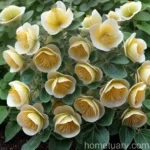
– Flowers: In late spring, the hardy orange produces highly fragrant, white flowers that contribute to its aesthetic allure.
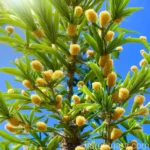
– Fruit: The fruit of the Poncirus trifoliata is small and citrus-like, transitioning from green to yellow as it ripens. While it resembles an orange in appearance, it is exceedingly bitter and unsuitable for culinary use.
Key Takeaways – Hardy Orange (Poncirus trifoliata)
Before delving deeper into the cultivation and care of the hardy orange, let’s consider some key takeaways about this exceptional plant:
Hardy Orange Attributes
- Resilience to Cold: The hardy orange exhibits remarkable cold hardiness, making it a valuable addition to landscapes in regions with severe winters.
- Ornamental Qualities: Beyond its practical uses, Poncirus trifoliata enhances outdoor spaces with its attractive foliage, fragrant blossoms, and unique fruit.
- Medicinal Properties: Certain parts of the hardy orange plant have been used in traditional medicine for their perceived health benefits.
Uses of Poncirus trifoliata
- Landscape Ornament: The hardy orange is often utilized as an ornamental shrub in gardens, parks, and public spaces, where its striking appearance is showcased.
- Wildlife Benefits: Its thorny branches and dense foliage provide shelter and protection for various wildlife, contributing to local biodiversity.
Hardy Orange Care Tips
- Pruning: Regular pruning is essential to maintain the desired shape and size of the plant and to prevent it from becoming overgrown.
- Cold Protection: In colder climates, providing winter protection, such as mulching and wrapping, can help the plant withstand harsh conditions.
Cultivation of Hardy Orange
The successful cultivation of the hardy orange plant requires attention to various factors, including water, sunlight, soil, and fertilization. By addressing these elements effectively, individuals can foster the growth and development of this resilient citrus species.
Water
In terms of water requirements, the hardy orange plant exhibits adaptability to different moisture levels. Understanding its specific needs is crucial to ensure healthy growth and prevent potential issues associated with overwatering or underwatering.
Sunlight
The hardy orange thrives in full sun to partial shade, exhibiting a preference for ample sunlight. When selecting a planting site, it is important to consider its sunlight needs and provide an environment that aligns with these requirements.
Soil
The plant’s soil preferences include well-draining soil with a slightly acidic to neutral pH. Ensuring proper soil composition and drainage can significantly influence the plant’s overall health and vigor.
Fertilizer
Applying a balanced, slow-release fertilizer in the spring can provide the necessary nutrients for the hardy orange plant’s growth. Understanding the appropriate fertilizer composition and timing is essential for promoting optimal development.
Pruning and Propagation
Pruning and propagation are integral aspects of maintaining and propagating the hardy orange plant. These practices influence the plant’s form, health, and reproduction, contributing to its long-term vitality and sustainability.
Pruning
Regular pruning helps manage the plant’s size, shape, and overall appearance. It also assists in the removal of damaged or diseased branches, promoting the plant’s structural integrity.
Propagation
The hardy orange can be propagated through various methods, such as seed propagation, cuttings, or grafting. Understanding these techniques enables individuals to expand their plant collection and contribute to the conservation of this resilient species.
Container Cultivation
For individuals with limited outdoor space or those residing in colder climates, container cultivation offers a viable option for growing the hardy orange plant. Effective container care and maintenance are essential for supporting the plant’s growth in a restricted environment.
Popularity in Container Gardening
The hardy orange’s adaptability to container cultivation has contributed to its popularity among gardening enthusiasts seeking to incorporate cold-hardy citrus species into their indoor or outdoor spaces.
Common Diseases and Pests
While the hardy orange demonstrates resilience to various environmental conditions, it is susceptible to certain diseases and pests that can impact its growth and vitality. Recognizing and addressing these issues are crucial for maintaining the plant’s health.
Disease Diagnosis
Identifying common diseases, such as citrus canker or bacterial spot, enables proactive management and treatment, minimizing the potential impact on the plant’s overall well-being.
Common Pests
Pests such as aphids, scale insects, and mites can pose challenges to the hardy orange plant. Implementing pest control measures and monitoring efforts are essential for mitigating pest-related damage.
Botanist’s Tips for Hardy Orange Care
Incorporating insights from botanical experts and horticulturists can provide valuable guidance for the successful cultivation and care of the hardy orange plant. These tips offer practical advice based on scientific knowledge and firsthand experience.
Expert Recommendations
- Cold Protection Measures: Implementing appropriate winter protection strategies, such as mulching and covering, can safeguard the plant from cold-induced damage.
- Pruning Best Practices: Adhering to recommended pruning techniques ensures the maintenance of the plant’s health and aesthetic appeal.
Fun Facts about Hardy Orange
Exploring intriguing and lesser-known facts about the hardy orange plant adds a layer of fascination to its overall appeal, shedding light on its unique attributes and historical significance.
Curious Tidbits
- Historical Use in Traditional Medicine: Certain parts of the hardy orange plant have been utilized in traditional medicine for their potential health benefits.
- Botanical Resilience: The hardy orange’s ability to thrive in adverse conditions, including cold temperatures and varied soil types, showcases its remarkable resilience.
Links to External Resources
To further delve into the world of hardy orange (Poncirus trifoliata) and expand one’s knowledge on its cultivation, care, and uses, exploring external resources provides access to valuable information and expert perspectives.