Hardy Hibiscus (Hibiscus ‘Candy Stripe’): A Marvel in the Garden
Introduction
When it comes to striking and elegant garden plants, few can rival the hardy hibiscus. This beautiful flowering plant, known scientifically as Hibiscus, is renowned for its vibrant, showy flowers and its adaptability to a wide range of growing conditions. In this comprehensive guide, we will delve into the captivating world of hardy hibiscus, focusing specifically on the enchanting Hibiscus ‘Candy Stripe’. From understanding its cultural requirements to its propagation techniques and common diseases, this article serves as a one-stop resource for plant enthusiasts seeking to cultivate, care for, and appreciate the magnificence of Hibiscus ‘Candy Stripe’.
What are Hardy Hibiscus (Hibiscus ‘Candy Stripe’)?
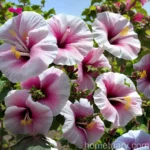
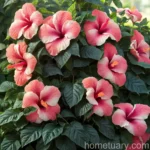
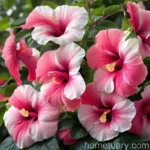
Hibiscus ‘Candy Stripe’ is a striking perennial plant that belongs to the family Malvaceae. It is a variety of the hardy hibiscus (Hibiscus moscheutos), which is native to wetland areas in North America. The ‘Candy Stripe’ cultivar is particularly cherished for its large, showy flowers and its distinctive red and white striped petals. This alluring plant typically blooms in late summer to early fall, adding a splash of color to gardens and landscapes.
Plant Profile
- Common Name: Hardy Hibiscus ‘Candy Stripe’
- Scientific Name: Hibiscus ‘Candy Stripe’
- Plant Type: Perennial
- Flower Color: Red and white striped
- Bloom Time: Late summer to early fall
- Sunlight Requirements: Full sun to part shade
- Watering Needs: Moist, well-drained soil
- Mature Height: 3-4 feet
- USDA Hardiness Zones: 4-9
- Companion Plants: Coneflower (Echinacea), Black-eyed Susan (Rudbeckia), Ornamental Grasses
The mesmerizing beauty of Hibiscus ‘Candy Stripe’ makes it a sought-after addition to gardens, and its relatively low maintenance requirements further enhance its appeal to both novice and seasoned gardeners.
Key Takeaways – Hardy Hibiscus (Hibiscus ‘Candy Stripe’)
Before delving into the specific cultural practices and care tips for Hibiscus ‘Candy Stripe’, let’s explore some key takeaways and growing essentials for this captivating plant.
Hardy Hibiscus (Hibiscus ‘Candy Stripe’) – Key Takeaways
- Vibrant Flowers: Hibiscus ‘Candy Stripe’ is celebrated for its large, vibrant, red and white striped flowers that bring a touch of elegance to any garden.
- Adaptability: It thrives in a variety of soil conditions, as long as the soil is consistently moist, and can tolerate both full sun and part shade.
- Late Season Blooms: Known for its late summer to early fall bloom time, Hibiscus ‘Candy Stripe’ extends the flowering season, ensuring an enchanting display in the garden when many other plants have finished blooming.
- Attracts Pollinators: The showy flowers of Hibiscus ‘Candy Stripe’ are a magnet for pollinators, including butterflies, bees, and hummingbirds, enhancing the ecological value of the plant.
- Low Maintenance: While Hibiscus ‘Candy Stripe’ offers astonishing visual appeal, it is relatively low maintenance, making it an ideal choice for both beginner and experienced gardeners.
Understanding these key aspects of Hibiscus ‘Candy Stripe’ lays the foundation for successful cultivation and appreciation of this remarkable plant.
Culture
Soil
- Best Soil Conditions: Hibiscus ‘Candy Stripe’ thrives in consistently moist, well-draining soil. It has a preference for slightly acidic to neutral soil with a pH range of 6.0 to 7.0. Amending heavy clay soil with organic matter like compost or well-rotted manure can improve drainage and soil structure, creating an optimal growing environment for the plant.
- Water Retention: Given its affinity for moist soil, incorporating organic mulch around the base of the plant helps retain soil moisture, suppresses weed growth, and provides a steady, slow release of nutrients to the roots.
Sunlight
- Sunlight Requirements: While Hibiscus ‘Candy Stripe’ can tolerate part shade, it generally thrives in full sun, which promotes vigorous growth and abundant flowering. When grown in warmer climates, providing some afternoon shade can be beneficial to prevent excessive heat stress.
Water
- Watering Needs: Adequate watering is crucial for the health and vitality of Hibiscus ‘Candy Stripe. During the growing season, the plant should be watered regularly to maintain consistently moist soil. Pay particular attention during hot, dry periods, ensuring that the plant does not experience prolonged drought stress.
Fertilizer
- Fertilization Guidelines: A balanced, slow-release fertilizer or a specific fertilizer for flowering plants can be applied in spring as new growth emerges. Avoid excessive nitrogen, as this can promote lush foliage at the expense of flower production. It’s essential to follow the manufacturer’s instructions regarding the quantity and frequency of fertilization.
Uses
Hibiscus ‘Candy Stripe’ serves a variety of functional and aesthetic purposes in garden landscapes, adding color, attracting pollinators, and contributing to the overall beauty and biodiversity of the outdoor environment. Some common uses include:
- Garden Borders: The tall, striking presence of Hibiscus ‘Candy Stripe’ makes it an excellent choice for border plantings, creating a visually stunning backdrop for shorter perennials or annuals.
- Pollinator Gardens: Its nectar-rich flowers entice pollinators, making it a valuable addition to pollinator-friendly gardens and landscapes.
- Cut Flower Arrangements: The showy flowers of Hibiscus ‘Candy Stripe’ can be cut and used in floral arrangements, adding a touch of elegance to indoor spaces.
The versatility of Hibiscus ‘Candy Stripe’ makes it a valuable asset in diverse garden settings, offering both visual appeal and ecological benefits.
Pruning
Proper pruning promotes the health, aesthetics, and longevity of Hibiscus ‘Candy Stripe. While it may not require extensive pruning, enhancing its form and managing its growth is essential. Here are some essential guidelines:
- Pruning Techniques: In late winter or early spring, remove any dead or damaged stems and trim back the remaining stems to a few inches above ground level. This rejuvenation pruning encourages vigorous new growth and abundant flowering during the upcoming season.
- Pruning Frequency: Annual pruning in late winter or early spring is generally sufficient, although light deadheading throughout the blooming period can prolong the flowering season and maintain a tidy appearance.
Propagation
Propagating Hibiscus ‘Candy Stripe’ is a rewarding way to expand your plant collection or share the beauty of this captivating variety with fellow gardening enthusiasts. Here are some successful propagation methods:
- Division: In early spring, the plant can be divided by carefully separating the root ball into sections, each containing healthy shoots and roots. The divided sections can then be replanted in suitable growing locations.
- Stem Cuttings: In late spring or early summer, select healthy, non-flowering stems and take 4-6-inch cuttings. Remove the lower leaves, dip the cut ends in a rooting hormone, and plant them in a well-draining potting mix. A warm, humid environment with indirect light supports successful root formation.
Propagation enables gardeners to propagate and share the enchanting beauty of Hibiscus ‘Candy Stripe’ while preserving the desirable traits of the parent plant.
Container Popularity
The striking aesthetics and relatively compact nature of Hibiscus ‘Candy Stripe’ make it well-suited for container gardening, allowing individuals with limited garden space to enjoy its alluring beauty on patios, balconies, and other outdoor areas. When growing Hibiscus ‘Candy Stripe’ in containers, consider the following:
- Container Size: Choose a container that provides ample room for the plant’s root system to expand. A 10- to 15-gallon container is generally suitable for accommodating the plant’s growth adequately. Ensure that the container has drainage holes to prevent waterlogging.
- Soil Requirements: Utilize a high-quality, well-draining potting mix that retains moisture while allowing excess water to drain freely. Incorporating a slow-release fertilizer into the potting mix provides essential nutrients for the plant’s growth.
Container cultivation opens up new opportunities for enjoying the beauty of Hibiscus ‘Candy Stripe’ in various outdoor settings, adding versatility to its already wide range of uses.
Common Diseases and Disease Diagnosis
While Hibiscus ‘Candy Stripe’ is relatively resilient, it can be susceptible to certain diseases, particularly when grown in unfavorable conditions. Understanding and identifying common diseases are crucial for effective disease management.
Common Diseases
- Powdery Mildew: This fungal disease presents as a powdery white coating on the leaves, often accompanied by leaf distortion and discoloration.
- Leaf Spot: Characterized by dark, circular lesions on the foliage, leaf spot can lead to premature leaf drop and reduced plant vigor.
- Root Rot: Excessive soil moisture and poor drainage can promote root rot, causing wilting, yellowing leaves, and stunted growth.
Disease Diagnosis
- Visual Symptoms: Regularly inspect the plant for any signs of abnormal growth, discoloration, or lesions on the foliage.
- Professional Consultation: If you suspect a disease is affecting your Hibiscus ‘Candy Stripe’, seek advice from local extension services, horticulturists, or plant disease specialists to diagnose and address the issue effectively.
Timely disease diagnosis and proper management practices are essential to maintain the health and vitality of Hibiscus ‘Candy Stripe’ in the garden.
Common Pests
Pest Management
While Hibiscus ‘Candy Stripe’ is generally resistant to most pests, certain insects can occasionally pose a threat to its health and appearance. Common pests that may affect Hibiscus ‘Candy Stripe’ include:
- Aphids: These small, soft-bodied insects feed on the plant’s sap, causing leaf distortion and a sticky residue known as honeydew.
- Japanese Beetles: These voracious feeders consume the foliage of Hibiscus ‘Candy Stripe, leading to extensive damage if left unmanaged.
- Whiteflies: Whiteflies infest the undersides of the leaves, sapping the plant’s vigor and causing yellowing and premature leaf drop.
Pest Control
- Cultural Practices: Regularly inspect the plant for signs of pest infestation and promptly remove affected foliage to limit the spread of insects.
- Natural Predators: Encouraging the presence of natural predators, such as ladybugs and lacewings, can help control pest populations in a natural and sustainable manner.
Implementing integrated pest management strategies and maintaining a vigilant approach to pest monitoring ensures the continued health and beauty of Hibiscus ‘Candy Stripe’.
Botanist’s Tips
As a plant scientist with a passion for Hibiscus ‘Candy Stripe’, I recommend the following expert tips to enhance the success and enjoyment of cultivating this splendid plant:
- Mulching: Apply a layer of organic mulch around the base of the plant, ensuring to keep it several inches away from the stem. Mulch helps retain soil moisture, regulates soil temperature, and suppresses weed growth.
- Regular Monitoring: Regularly monitor the plant for any signs of stress, disease, or pests, intervening promptly to address any issues and maintain the plant’s health.
- Seasonal Care: Tailor your care practices to the seasonal needs of Hibiscus ‘Candy Stripe’, adjusting watering, fertilization, and pruning routines accordingly.
Adhering to these expert recommendations contributes to the overall well-being and vigor of Hibiscus ‘Candy Stripe’ in garden settings.
Fun Facts
Delve into the intriguing world of Hibiscus ‘Candy Stripe’ with these fascinating and lesser-known facts about the plant:
- Historical Significance: Certain hibiscus species have historical and cultural significance in various regions, often being used in traditional ceremonies, herbal remedies, and culinary practices.
- Genus Diversity: The genus Hibiscus encompasses hundreds of species, ranging from compact shrubs to towering trees, each with its distinct flower forms and growing habits.
- Global Symbolism: Hibiscus flowers hold symbolic significance in different cultures, representing beauty, purity, and delicate charm in various traditions and ceremonies.
These captivating tidbits offer a glimpse into the rich history, diversity, and cultural symbolism surrounding the enchanting world of hibiscus plants.
References
- Missouri Botanical Garden, “Hibiscus moscheutos ‘Candy Stripe'”, Missouri Botanical Garden – Hibiscus moscheutos ‘Candy Stripe’.
- University of Florida IFAS Extension, “Hibiscus Garden Guide”, University of Florida IFAS Extension – Hibiscus Garden Guide.
- North Carolina State University, “Hibiscus and the Hardy Hybrids”, North Carolina State University – Hibiscus and the Hardy Hybrids.
- Texas A&M AgriLife Extension, “Hardy Hibiscus for the Garden”, Texas A&M AgriLife Extension – Hardy Hibiscus for the Garden.
In conclusion, Hibiscus ‘Candy Stripe’ stands as a testament to nature’s artistry, captivating the hearts of plant enthusiasts with its resplendent, red and white striped blooms. By embracing the critical aspects of its culture, understanding its uses, and mastering its care techniques, gardeners can unlock the full potential of this remarkable plant, elevating the beauty of their outdoor spaces in the process. Whether it’s adorning garden borders, attracting pollinators, or brightening indoor spaces with cut blooms, Hibiscus ‘Candy Stripe’ continues to enthrall and enchant, reaffirming its status as a beloved garden treasure.
Remember to share your thoughts and experiences with Hibiscus ‘Candy Stripe’ in the comments section and encourage the exchange of insights and tips among fellow plant enthusiasts.
Happy gardening!