Hamamelis X Intermedia ‘Rubin’ (Witch Hazel)
As plant scientists and enthusiasts, we continually seek to explore the fascinating world of plants. One such plant that continues to captivate our.
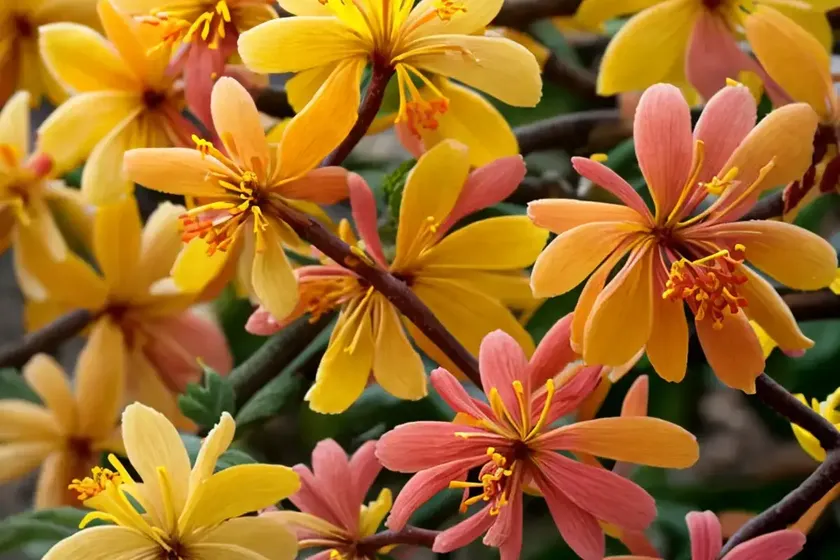
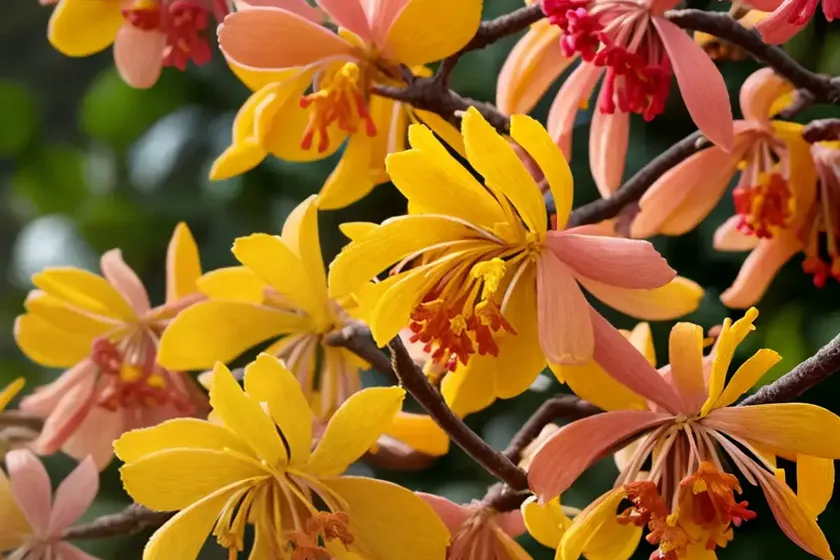
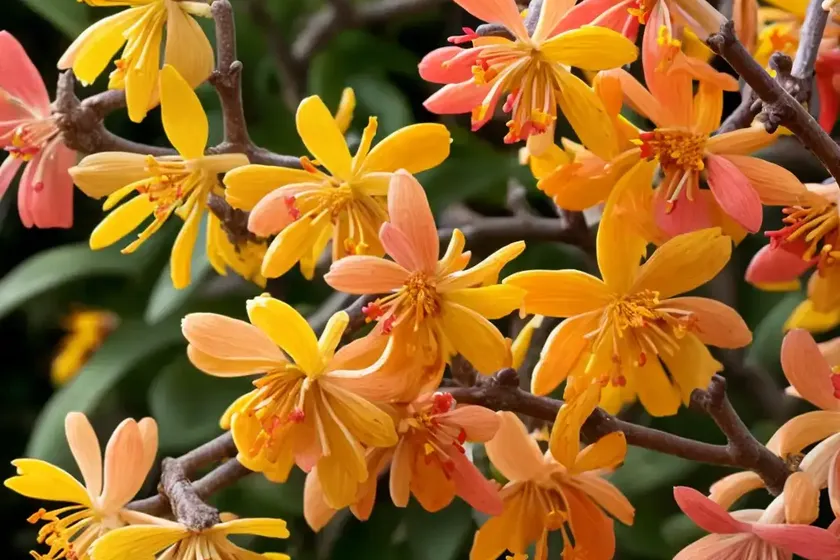
As plant scientists and enthusiasts, we continually seek to explore the fascinating world of plants. One such plant that continues to captivate our attention is the Hamamelis x intermedia ‘Rubin,’ commonly known as Witch Hazel. This remarkable shrub belongs to the Hamamelidaceae family and is cherished for its stunning display of vibrant blooms and versatile uses. In this comprehensive guide, we will delve into the culture, uses, care requirements, propagation, common pests and diseases, along with intriguing botanist’s tips and fun facts about the Hamamelis x intermedia ‘Rubin.’
What is Hamamelis x intermedia ‘Rubin’ (Witch Hazel)?
The Hamamelis x intermedia ‘Rubin’ is a deciduous shrub renowned for its captivating display of spidery, rich ruby-red to coppery-orange flowers that appear in late winter to early spring. This delightful plant is known for its spicy fragrance, which adds a delightful allure to the winter landscape when many other plants remain dormant. Witch Hazel thrives in temperate regions and stands out as an ornamental gem in gardens, parks, and landscapes.
Key Takeaways – Hamamelis x intermedia ‘Rubin’ (Witch Hazel)
Before we explore the various aspects of the Hamamelis x intermedia ‘Rubin,’ let’s take a moment to highlight the key takeaways associated with this remarkable plant.
- Plant Name: Hamamelis x intermedia ‘Rubin’ (Witch Hazel)
- Family: Hamamelidaceae
- Common Names: Witch Hazel ‘Rubin’
- Variety: Hybrid Witch Hazel
- Cultivar: Hamamelis x intermedia ‘Rubin’
The striking Witch Hazel ‘Rubin’ fascinates with its intricate flowers and offers a host of beneficial uses, making it a cherished addition to any landscape.
Culture
Understanding the cultural requirements of the Hamamelis x intermedia ‘Rubin’ is crucial to ensure its optimal growth and flowering potential. Let’s explore the essential cultural aspects that contribute to the wellbeing of this enchanting shrub.
Uses
The Hamamelis x intermedia ‘Rubin’ boasts a range of uses, contributing to its desirability in various settings. From ornamental appeal to medicinal properties, this versatile plant offers an array of applications, including:
- Ornamental: The vibrant and fragrant blooms of Witch Hazel ‘Rubin’ make it a prized ornamental feature in gardens and landscapes, particularly during the winter months when its striking flowers provide a burst of color.
- Medicinal: Witch Hazel has been traditionally utilized for its medicinal properties, with its extract offering astringent and anti-inflammatory properties, making it a common ingredient in skincare and therapeutic products.
Understanding the diverse uses of Witch Hazel adds to its allure and relevance, enhancing its appeal in various settings.
Water
Proper watering is essential for the health and vigor of Hamamelis x intermedia ‘Rubin.’ While this shrub exhibits some drought tolerance once established, it thrives when provided with consistent moisture, especially during its active growth periods. Here are some key watering considerations for Witch Hazel ‘Rubin’:
- Established Plants: Established Witch Hazel shrubs benefit from deep, infrequent watering, ensuring thorough penetration of the root zone.
- Young Plants: Newly planted or young Witch Hazel specimens require regular watering to support root establishment and growth.
By maintaining a balance in watering practices, one can support the optimal development and performance of the Hamamelis x intermedia ‘Rubin’ shrub.
Sunlight
The sun exposure requirements of Hamamelis x intermedia ‘Rubin’ play a pivotal role in its overall health and flowering capacity. Understanding the sunlight preferences and considerations for this shrub is vital for its successful cultivation. Here’s a look at its sunlight needs:
- Full Sun to Partial Shade: Witch Hazel ‘Rubin’ thrives in a position that receives ample sunlight, preferably in a location with partial shade during the hottest part of the day.
- Shade Tolerance: While Witch Hazel appreciates sunlight, it also exhibits tolerance to partial shade, making it adaptable to a range of growing conditions.
By providing the ideal balance of sunlight and shade, one can harness the full ornamental potential of the Hamamelis x intermedia ‘Rubin’ shrub.
Fertilizer
Appropriate fertilization can significantly impact the growth, flowering, and overall vitality of Hamamelis x intermedia ‘Rubin.’ Understanding the nutritional requirements and fertilization practices is essential for supporting the long-term health and performance of this captivating shrub. Here’s a comprehensive look at fertilization considerations for Witch Hazel ‘Rubin’:
- Timing: Fertilize Witch Hazel ‘Rubin’ in early spring before the onset of new growth to provide the necessary nutrients for the upcoming growing season.
- Fertilizer Type: Utilize a balanced, slow-release fertilizer formulated for woody plants, ensuring a steady supply of essential nutrients over an extended period.
- Application Technique: Apply the fertilizer evenly around the root zone of the shrub, avoiding direct contact with the stem or trunk, and water thoroughly after application to facilitate nutrient uptake.
By adhering to appropriate fertilization practices, one can bolster the vigor and resilience of Hamamelis x intermedia ‘Rubin,’ fostering its ornamental and functional potential.
Soil
The soil composition and quality are fundamental factors that influence the growth, development, and overall performance of Hamamelis x intermedia ‘Rubin.’ Understanding the optimal soil conditions and considerations for this shrub is essential for promoting its flourishing growth. Here’s an overview of the key soil-related aspects for Witch Hazel ‘Rubin’:
- Acidic to Neutral pH: Witch Hazel ‘Rubin’ thrives in slightly acidic to neutral soil conditions, preferring a pH range of 5.5 to 7.0.
- Well-Drained Soil: Ensure that the planting site offers well-drained soil to prevent waterlogging, which can adversely affect the root health and vitality of the shrub.
- Organic Matter: Incorporating organic matter, such as compost or well-rotted manure, into the soil can enhance its structure, fertility, and moisture retention capabilities.
By providing the appropriate soil environment, one can create an optimal foundation for the growth and prosperity of the Hamamelis x intermedia ‘Rubin’ shrub.
Pruning
Proper pruning is essential for maintaining the form, structure, and flowering potential of Hamamelis x intermedia ‘Rubin.’ Additionally, strategic pruning practices can contribute to the overall health and vigor of this captivating shrub. Let’s explore the key considerations associated with the pruning of Witch Hazel ‘Rubin’:
- Timing: Prune Witch Hazel ‘Rubin’ immediately after flowering, allowing ample time for new growth and bud development for the subsequent blooming season.
- Pruning Objectives: The primary pruning objectives for Witch Hazel ‘Rubin’ involve removing dead, damaged, or crossing branches, shaping the shrub, and promoting an open and airy growth habit.
- Technique: Utilize clean, sharp pruning tools to make precise cuts, ensuring that they are made just above a bud or junction to encourage outward growth and maintain the natural form of the shrub.
By embracing appropriate pruning practices, one can uphold the aesthetic appeal and flowering prowess of the Hamamelis x intermedia ‘Rubin’ shrub, while contributing to its overall health and vitality.
Propagation
Understanding the propagation methods for Hamamelis x intermedia ‘Rubin’ enables enthusiasts and horticulturists to expand their collection and share the beauty of this remarkable shrub. Here’s an overview of the key propagation techniques commonly employed for Witch Hazel ‘Rubin’:
- Seed Propagation: While viable seeds can be utilized to propagate Witch Hazel ‘Rubin,’ this method is relatively slower and may result in variability in the offspring.
- Softwood Cuttings: Softwood cuttings taken in late spring to early summer can be rooted to propagate exact clones of the parent plant, offering an efficient means of expanding the Witch Hazel ‘Rubin’ population.
- Layering: Air layering or ground layering can be employed to encourage the development of roots on select branches of the Hamamelis x intermedia ‘Rubin’ shrub, enabling the subsequent detachment and establishment of new plants.
By embracing suitable propagation techniques, one can propagate the charm and allure of Hamamelis x intermedia ‘Rubin,’ further enhancing its presence in gardens and landscapes.
Container Popularity
The versatility and ornamental appeal of Witch Hazel ‘Rubin’ make it a popular choice for container cultivation, allowing enthusiasts to appreciate its captivating blooms and fragrant allure in various settings. Here’s an exploration of the reasons behind the container popularity of this delightful shrub:
- Seasonal Interest: Witch Hazel ‘Rubin’ offers a stunning display of vibrant blooms during the late winter to early spring period, making it a desirable container plant for adding color and fragrance to the outdoor setting.
- Limited Space Requirement: The compact nature and manageable size of Witch Hazel ‘Rubin’ render it suitable for container cultivation, making it an excellent choice for small gardens, courtyards, and urban landscapes.
- Adaptability: Witch Hazel ‘Rubin’ adapts well to container cultivation, provided that it receives the necessary sunlight, water, and soil requirements, enabling individuals to enjoy its ornamental attributes on patios, balconies, and other outdoor spaces.
By embracing container cultivation, one can integrate the charm and beauty of Hamamelis x intermedia ‘Rubin’ into diverse settings, augmenting its ornamental impact and seasonal allure.
Common Diseases
While Witch Hazel ‘Rubin’ is generally resilient and robust, it may be susceptible to certain diseases and disorders under unfavorable growing conditions. Familiarizing oneself with the common diseases and their associated symptoms and management strategies is essential for the proactive protection of this captivating shrub. Here’s an overview of the common diseases that may affect Hamamelis x intermedia ‘Rubin’:
- Powdery Mildew: Patches of powdery white or gray fungal growth on the leaves and stems, often leading to leaf distortion and premature defoliation. Manage through promoting good air circulation, ensuring proper plant spacing, and employing fungicidal treatments if necessary.
- Leaf Spot: Circular to irregular dark spots on the leaves, often accompanied by yellowing or browning of the affected foliage. Implement cultural practices, such as maintaining clean garden hygiene and avoiding overhead watering, to minimize the risk of leaf spot diseases.
By remaining vigilant and proactive in disease management, one can safeguard the health and vitality of Hamamelis x intermedia ‘Rubin,’ ensuring its uninterrupted ornamental splendor.
Disease Diagnosis
Diagnosing potential diseases affecting Witch Hazel ‘Rubin’ entails thorough observation, considering key symptoms, and implementing appropriate management strategies. Let’s explore the essential steps associated with disease diagnosis for this captivating shrub:
- Symptom Identification: Carefully inspect the foliage, stems, and overall appearance of Witch Hazel ‘Rubin’ to identify any abnormal or atypical symptoms, such as spots, discoloration, or abnormal growth patterns.
- Causal Agent Determination: Research and analyze the identified symptoms to pinpoint the potential causal agents, such as fungi, bacteria, or environmental stressors, contributing to the observed abnormalities.
- Management Plan: Based on the diagnosed disease and its associated causal factors, develop and implement a comprehensive management plan, integrating cultural, chemical, or biological control measures as deemed necessary.
By conducting comprehensive disease diagnosis and employing targeted management strategies, one can mitigate the impact of diseases on the Hamamelis x intermedia ‘Rubin’ shrub, preserving its visual appeal and vigor.
Common Pests
While Witch Hazel ‘Rubin’ is generally resilient to pest infestations, it may encounter certain pests that can affect its growth and ornamental appeal. Recognizing the common pests and implementing appropriate control measures is crucial for safeguarding the wellbeing of this captivating shrub. Here’s an exploration of the common pests that may impact Hamamelis x intermedia ‘Rubin’:
- Aphids: Small, soft-bodied insects that may congregate on the undersides of leaves, causing distorted growth and sticky honeydew deposits. Employ gentle spraying with water or horticultural oil applications to manage aphid populations.
- Scale Insects: Armored or soft-scale insects that can manifest as raised bumps on the stems and leaves, often leading to weakened growth and diminished plant vigor. Implement targeted pruning and horticultural oil treatments to control scale infestations.
By remaining vigilant and implementing proactive pest management strategies, one can uphold the resilience and ornamental allure of Witch Hazel ‘Rubin,’ mitigating the impact of potential pest pressures.
Botanist’s Tips
Botanists, horticulturists, and plant enthusiasts often uncover insightful tips and recommendations for the successful cultivation and appreciation of Hamamelis x intermedia ‘Rubin.’ Here are some valuable botanist’s tips for embracing the beauty and charm of this captivating shrub:
- Companion Planting: Pair Witch Hazel ‘Rubin’ with early spring bulbs, such as snowdrops or crocuses, to create enchanting combinations that accentuate the captivating blooms and fragrance of the shrub.
- Underplanting: Enrich the base of Witch Hazel ‘Rubin’ with shade-tolerant ground covers, such as ferns or hellebores, to create a visually appealing and harmonious underplanting that complements the shrub’s ornamental qualities.
- Seasonal Pruning: Undertake minimal and selective pruning right after the blooming period to maintain the natural form and encourage optimal flowering for the subsequent season, preserving the aesthetic allure of Witch Hazel ‘Rubin.’
By incorporating these botanist’s tips into the cultivation and presentation of Hamamelis x intermedia ‘Rubin,’ one can elevate the ornamental impact and appreciation of this captivating shrub.
Fun Facts
Discovering intriguing and captivating facts about Witch Hazel ‘Rubin’ adds to the fascination and appreciation of this exceptional shrub. Let’s unveil some fun and remarkable facts associated with Hamamelis x intermedia ‘Rubin’ that enrich its allure and significance:
- Winter Fragrance: The spicy and alluring fragrance of Witch Hazel ‘Rubin’ blooms adds a delightful sensory experience to the winter garden, captivating the senses and infusing the landscape with a hint of warmth.
- Native Origins: Hamamelis x intermedia is a hybrid of two species, Hamamelis mollis and Hamamelis japonica, with ‘Rubin’ showcasing the captivating characteristics of this hybrid lineage.
- Natural Dye: The bark and leaves of Witch Hazel have been traditionally utilized to produce a natural astringent and medicinal extract, offering diverse applications in skincare and therapeutic formulations.
Embracing these fun facts surrounding Witch Hazel ‘Rubin’ amplifies its intrigue and significance, elevating its status as a cherished ornamental and functional shrub.
Links to External Resources
For further exploration and in-depth understanding of Hamamelis x intermedia ‘Rubin’ (Witch Hazel), we recommend delving into the following external resources:
With the guidance and insights from these external resources, enthusiasts and horticulturists can deepen their knowledge and appreciation of the Hamamelis x intermedia ‘Rubin’ shrub, further enriching their horticultural experience.
In conclusion, the enchanting allure and versatile nature of Hamamelis x intermedia ‘Rubin’ (Witch Hazel) position it as an esteemed and cherished addition to gardens, landscapes, and natural settings. By embracing the cultural practices, propagation techniques, and pest and disease management strategies, enthusiasts can foster the flourishing growth and ornamental appeal of this remarkable shrub, enriching their horticultural pursuits and appreciation of nature’s botanical marvels. With its captivating blooms, aromatic fragrance, and rich history, Witch Hazel ‘Rubin’ stands out as an ornamental gem that continues to captivate and inspire plant scientists and enthusiasts alike.


