Hamamelis X Intermedia ‘Orange Beauty’ (Witch Hazel)
Hamamelis x intermedia ‘Orange Beauty’ is a captivating and delightful winter-flowering shrub that belongs to the witch hazel family. This plant is highly.
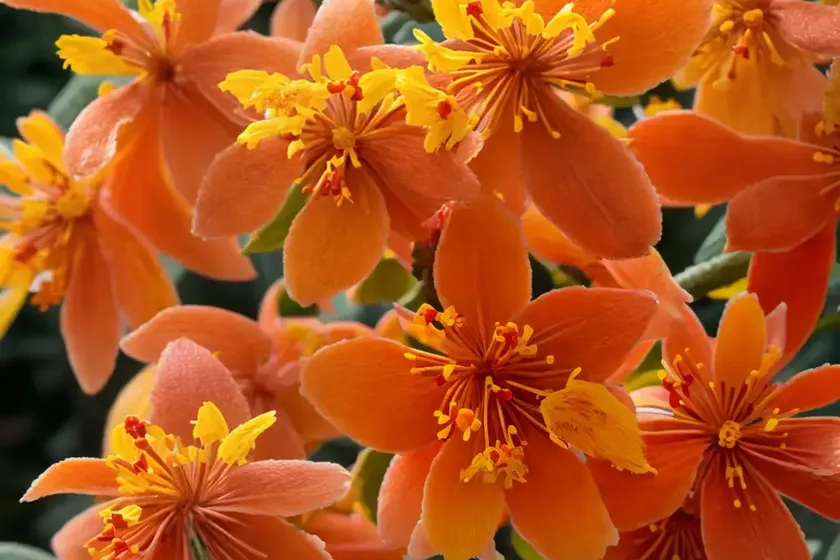
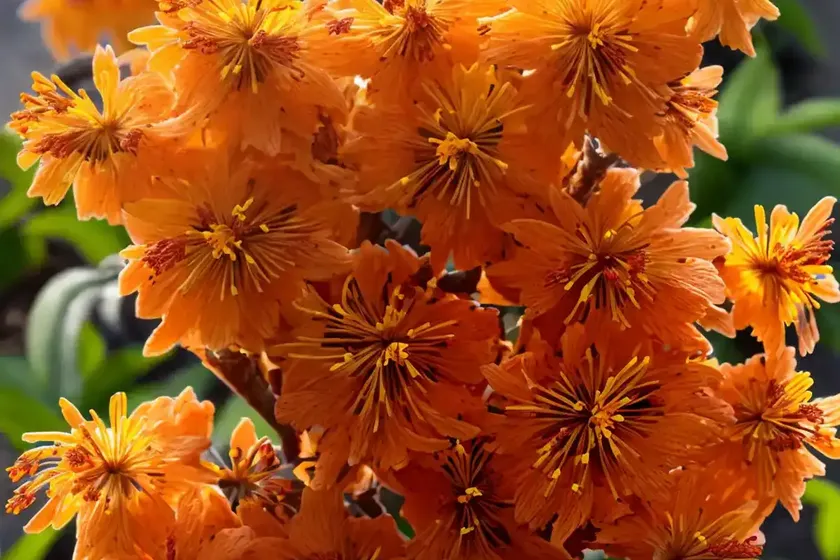
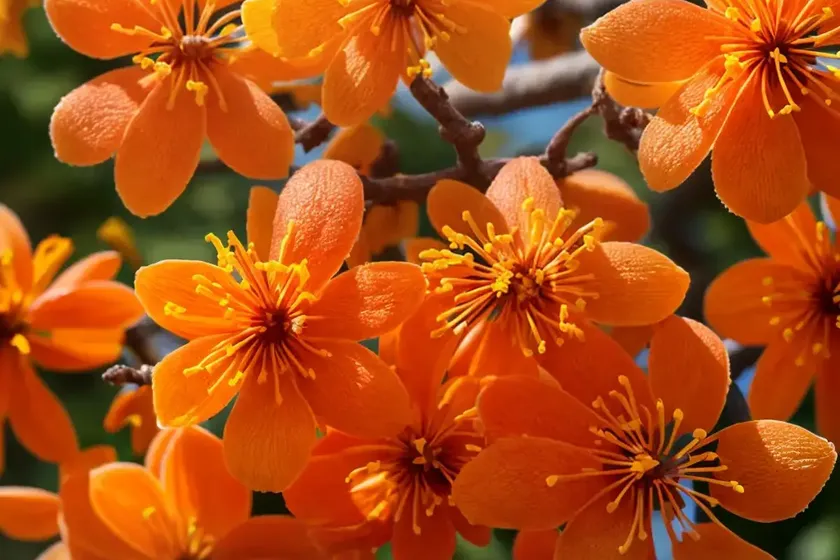
Hamamelis x intermedia ‘Orange Beauty’ is a captivating and delightful winter-flowering shrub that belongs to the witch hazel family. This plant is highly valued for its vibrant and fragrant orange blooms that appear during the late winter months, adding a burst of color and fragrance to the garden when it’s needed most. In this comprehensive guide, we will explore the various aspects of this stunning plant, including its culture, uses, care requirements, and much more. Whether you are an avid gardener, a landscape designer, or simply a plant enthusiast, this article will provide you with all the information you need to cultivate and appreciate the beauty of Hamamelis x intermedia ‘Orange Beauty’.
What is Hamamelis x intermedia ‘Orange Beauty’ (Witch Hazel)?
Introduction to Witch Hazel
Witch hazel, scientifically known as Hamamelis, is a genus of flowering plants that encompasses a diverse range of species and cultivars. These plants are famous for their unique characteristics, including their late winter to early spring blooming period and their remarkable tolerance to cold temperatures. The Hamamelis genus belongs to the family Hamamelidaceae and is native to North America, Asia, and Europe.
One of the most popular and aesthetically pleasing members of the Hamamelis genus is Hamamelis x intermedia ‘Orange Beauty’, commonly referred to as Orange Beauty Witch Hazel. This deciduous shrub is a hybrid of Japanese witch hazel (Hamamelis japonica) and Chinese witch hazel (Hamamelis mollis), resulting in an exquisite cultivar known for its showy, fragrant, and vibrant orange flowers.
Description of Hamamelis x intermedia ‘Orange Beauty’
The ‘Orange Beauty’ cultivar of Hamamelis x intermedia is characterized by its upright spreading habit, which forms a graceful and rounded silhouette. The plant typically grows to a height and spread of 10 to 15 feet, making it a versatile and eye-catching addition to both residential and commercial landscapes.
The most striking feature of Hamamelis x intermedia ‘Orange Beauty’ is undoubtedly its brilliant orange flowers, which appear in dense clusters along the bare branches in late winter to early spring. The delicate, ribbon-like petals of the blooms unfurl to reveal a captivating display of color and emit a sweet, spicy fragrance that is reminiscent of citrus and cloves. This exceptional combination of visual and olfactory appeal makes ‘Orange Beauty’ a standout choice for winter interest in gardens, parks, and botanical displays.
Key Takeaways – Hamamelis x intermedia ‘Orange Beauty’ (Witch Hazel)
Before delving into the specifics of caring for Hamamelis x intermedia ‘Orange Beauty’, let’s explore the key takeaways related to this enchanting shrub. Understanding the fundamental characteristics and requirements of this plant will provide a solid foundation for successful cultivation and appreciation.
Culture
- Hamamelis x intermedia ‘Orange Beauty’ is a winter-flowering shrub known for its striking orange blooms and delightful fragrance.
- This deciduous shrub exhibits an upright spreading habit, forming a graceful silhouette and reaching a height and spread of 10 to 15 feet.
- The vibrant orange flowers of ‘Orange Beauty’ appear on bare branches in late winter to early spring, adding a welcome burst of color to the garden during the dormant season.
Uses
- ‘Orange Beauty’ Witch Hazel is prized for its ornamental value, particularly during the winter months when its vibrant orange blooms stand out against the barren landscape.
- The fragrant flowers of Hamamelis x intermedia ‘Orange Beauty’ make it a desirable choice for winter gardens, residential landscapes, and botanical collections.
- Due to its graceful form and exceptional bloom display, ‘Orange Beauty’ is often utilized in parks, public gardens, and commercial landscapes to create visual interest during the winter season.
Water
- Adequate moisture is essential for the establishment and ongoing health of Hamamelis x intermedia ‘Orange Beauty’.
- While ‘Orange Beauty’ is moderately drought-tolerant once established, regular watering is required, especially during dry periods and in the absence of significant rainfall.
Sunlight
- ‘Orange Beauty’ Witch Hazel thrives in partial shade to full sun, making it adaptable to a wide range of light conditions.
- In regions with hot summers, providing some protection from intense afternoon sun can prevent leaf scorch and ensure optimal growth and flowering.
Fertilizer
- Minimal fertilization is typically required for Hamamelis x intermedia ‘Orange Beauty’, as excessive nutrients can lead to lush foliage at the expense of flower production.
- A slow-release, balanced fertilizer applied in early spring can promote healthy growth and flowering without overwhelming the plant with excessive nutrients.
Soil
- ‘Orange Beauty’ prefers moist, well-draining soil with a slightly acidic to neutral pH range.
- Amending the soil with organic matter, such as compost or well-rotted manure, can improve its structure, moisture retention, and nutrient content, creating an ideal environment for the shrub to thrive.
Pruning
- Pruning requirements for Hamamelis x intermedia ‘Orange Beauty’ are minimal, primarily focused on removing dead, damaged, or crossing branches to maintain a healthy and tidy appearance.
- Light pruning immediately after flowering can help shape the plant and encourage vigorous growth for the following season.
Propagation
- Propagating ‘Orange Beauty’ Witch Hazel can be achieved through semi-hardwood cuttings, layering, or grafting.
- While the shrub can be grown from seed, it may take several years for newly propagated plants to reach maturity and begin flowering.
Container Popularity
- Hamamelis x intermedia ‘Orange Beauty’ is well-suited for container cultivation, allowing gardeners with limited space to enjoy its beauty on patios, balconies, and other outdoor areas.
- When grown in containers, ‘Orange Beauty’ requires regular watering and may benefit from winter protection in regions with extremely cold temperatures.
Container Common Diseases
- Fungal diseases such as powdery mildew and leaf spot can occasionally affect Hamamelis x intermedia ‘Orange Beauty’ when grown in containers, particularly in humid and poorly ventilated conditions.
Disease Diagnosis
- Monitoring the foliage of ‘Orange Beauty’ for signs of discoloration, spots, or powdery coatings can help diagnose and address potential disease issues promptly.
- Proper air circulation, watering practices, and the use of fungicidal treatments when necessary can help prevent and manage common diseases.
Common Pests
- Aphids, scale insects, and spider mites are among the common pests that may occasionally infest Hamamelis x intermedia ‘Orange Beauty’, particularly in stressful or crowded growing conditions.
Botanist’s Tips
- When selecting a planting site for ‘Orange Beauty’, consider the backdrop and neighboring plants to enhance the visual impact of its vibrant blooms during the winter season.
- Incorporating organic mulch around the base of the shrub can help conserve soil moisture, regulate temperature, and suppress weed growth, benefiting the overall health and vigor of the plant.
Fun Facts
- The extract of witch hazel has a long history of medicinal and cosmetic uses, known for its astringent, anti-inflammatory, and skin-soothing properties.
- The twisting and spiraling nature of witch hazel branches adds an intriguing architectural element to the winter landscape, creating visual interest even when the plant is not in bloom.
Links to External Resources
For further information on Hamamelis x intermedia ‘Orange Beauty’ and related topics, consider exploring the following external resources:
- Royal Horticultural Society – Witch Hazels
- Missouri Botanical Garden – Hamamelis x intermedia
- The Morton Arboretum – Witch Hazels for American Gardens
By understanding and applying the insights provided in these external resources, you can expand your knowledge and appreciation of Hamamelis x intermedia ‘Orange Beauty’ and its broader botanical context. Now, let’s delve deeper into the specific aspects of caring for this remarkable winter-flowering shrub.
Plant Name: “Hamamelis x intermedia ‘Orange Beauty’ (Witch Hazel)”
In the following sections, we will explore the various facets of caring for Hamamelis x intermedia ‘Orange Beauty’, providing comprehensive guidance on water, sunlight, fertilizer, soil, pruning, propagation, container cultivation, common diseases, and pest management. Whether you are a novice gardener or an experienced horticulturist, this information will empower you to cultivate, maintain, and appreciate the beauty of ‘Orange Beauty’ Witch Hazel in your own outdoor space.
Water
Adequate moisture is essential for the establishment and ongoing health of Hamamelis x intermedia ‘Orange Beauty’. While this winter-flowering shrub is moderately tolerant of drought once it is well-established, it benefits from regular watering, particularly during dry spells and periods of insufficient rainfall. The following watering guidelines will help ensure the optimal growth and flowering of ‘Orange Beauty’ Witch Hazel:
- Initial Establishment: During the first growing season after planting, provide ample water to support root development and overall plant health. Water deeply and thoroughly, ensuring that the root ball and surrounding soil are moist but not waterlogged.
- Regular Watering: In the absence of significant rainfall, water ‘Orange Beauty’ consistently to maintain soil moisture. Monitor the moisture level in the root zone, adjusting the frequency and volume of watering based on environmental conditions and the moisture retention capacity of the soil.
- Mulching: Apply a layer of organic mulch, such as wood chips, bark, or compost, around the base of the shrub to help conserve soil moisture, regulate temperature, and suppress weed growth. Mulching also reduces the frequency of watering by minimizing evaporation from the soil surface.
Sunlight
Hamamelis x intermedia ‘Orange Beauty’ thrives in partial shade to full sun, exhibiting exceptional adaptability to a wide range of light conditions. In regions with hot summers, providing some protection from intense afternoon sun can prevent leaf scorch and ensure optimal growth and flowering. When selecting a planting site for ‘Orange Beauty’, consider the following sunlight-related considerations:
-
Partial Shade to Full Sun: Position ‘Orange Beauty’ in a location that receives partial shade to full sun throughout the day, allowing the plant to benefit from both direct and indirect sunlight. An eastern or northern exposure is particularly suitable, providing ample light without subjecting the shrub to prolonged periods of intense heat.
-
Protection from Intense Sun: In regions with scorching summers or extreme heat, consider planting ‘Orange Beauty’ in a location that offers some protection from the midday and afternoon sun. Partial shade during the hottest part of the day can help prevent leaf burn and maintain the vigor of the plant.
Fertilizer
Minimal fertilization is typically required for Hamamelis x intermedia ‘Orange Beauty’, as excessive nutrients can lead to lush foliage at the expense of flower production. A slow-release, balanced fertilizer can be applied in early spring to promote healthy growth and flowering without overwhelming the shrub with excessive nutrients. When fertilizing ‘Orange Beauty’, keep the following considerations in mind:
-
Balanced Fertilizer: Use a slow-release, balanced fertilizer with an equal N-P-K (nitrogen, phosphorus, and potassium) ratio, such as 10-10-10 or 20-20-20. These fertilizers provide a steady and gradual release of nutrients, supporting the overall health and vigor of ‘Orange Beauty’ without stimulating excessive vegetative growth.
-
Application Timing: Apply the fertilizer in early spring, just as the new growth begins to emerge. Avoid fertilizing later in the growing season, as this can promote late-season growth that may be susceptible to damage from early frosts or cold temperatures.
-
Moderation: Use fertilizer sparingly, as ‘Orange Beauty’ Witch Hazel generally thrives without heavy feeding. Excessive nutrient levels can lead to an imbalance in growth and flowering, potentially compromising the overall appearance and performance of the plant.
Soil
Hamamelis x intermedia ‘Orange Beauty’ prefers moist, well-draining soil with a slightly acidic to neutral pH range. Amending the soil with organic matter, such as compost or well-rotted manure, can improve its structure, moisture retention, and nutrient content, creating an ideal environment for the shrub to thrive. Consider the following soil-related guidance when cultivating ‘Orange Beauty’ Witch Hazel:
-
Moisture and Drainage: Plant ‘Orange Beauty’ in soil that retains moisture without becoming waterlogged, as excessive water around the root zone can lead to root rot and other moisture-related issues. To improve drainage, incorporate organic matter into the soil, particularly if you are working with heavy clay or compacted soils.
-
Acidic to Neutral pH: Test the soil pH prior to planting, aiming for a slightly acidic to neutral range between 6.0 and 7.0. If the soil is overly alkaline, consider amending it with sulfur or an acidifying fertilizer to lower the pH and create a more favorable growing environment for ‘Orange Beauty’.
-
Organic Amendments: Work organic matter, such as compost or well-rotted manure, into the soil prior to planting ‘Orange Beauty’. This organic amendment enhances soil fertility, improves its structure, and increases its water-holding capacity, providing a nutrient-rich and hospitable substrate for the shrub.
Pruning
Pruning requirements for Hamamelis x intermedia ‘Orange Beauty’ are minimal, primarily focused on removing dead, damaged, or crossing branches to maintain a healthy and tidy appearance. Light pruning immediately after flowering can help shape the plant and encourage vigorous growth for the following season. When pruning ‘Orange Beauty’ Witch Hazel, keep the following tips in mind:
-
Post-Flowering Pruning: As the flowers fade and the new growth emerges, consider performing light pruning to shape the shrub and remove any dead or unsightly branches. Pruning immediately after flowering helps maintain the natural form of ‘Orange Beauty’ while promoting the development of new flowering wood for the following year.
-
Minimal Intervention: Avoid heavy pruning or aggressive shaping of ‘Orange Beauty’, as this can reduce the plant’s flowering potential and disrupt its natural growth habit. Instead, focus on selective pruning to address specific issues such as dead or damaged wood, crossing branches, or overcrowded growth.
-
Pruning Tools: Use clean, sharp pruning shears or loppers to make precise cuts on ‘Orange Beauty’. Disinfect the cutting blades with a solution of 70% ethanol or isopropyl alcohol between cuts and when moving to a different plant to prevent the spread of disease.
Propagation
Propagating Hamamelis x intermedia ‘Orange Beauty’ can be achieved through semi-hardwood cuttings, layering, or grafting. While the shrub can be grown from seed, it may take several years for newly propagated plants to reach maturity and begin flowering. When considering propagation methods for ‘Orange Beauty’ Witch Hazel, explore the following options:
- Semi-Hardwood Cuttings: Take semi-hardwood cuttings from healthy, disease-free branches of ‘Orange Beauty’ during the summer months. Prepare the cuttings by removing lower leaves and dipping the base in a rooting hormone before planting in a well-draining propagation medium.
- Layering: Encourage the formation of roots on a low-hanging branch of ‘Orange Beauty’ by gently wounding the bark and securing the wounded portion in contact with the soil. Once roots have developed, the layered branch can be separated from the parent plant and planted as a new specimen.
- Grafting: Use grafting techniques, such as cleft grafting or whip-and-tongue grafting, to combine the desired cultivar of ‘Orange Beauty’ with a compatible rootstock. Grafting allows for the production of true-to-type plants with the desired characteristics of the parent plant.
Container Cultivation
Hamamelis x intermedia ‘Orange Beauty’ is well-suited for container cultivation, providing an opportunity for gardeners with limited space to enjoy its beauty on patios, balconies, and other outdoor areas. When growing ‘Orange Beauty’ in containers, consider the following factors to ensure the health and vitality of the plant:
-
Container Selection: Choose a large, sturdy container with ample drainage holes to accommodate the root system of ‘Orange Beauty’ and prevent waterlogged conditions. Select a container made of durable materials, such as terracotta, fiberglass, or heavy-duty plastic, that can withstand outdoor conditions.
-
Planting Medium: Use a well-draining, high-quality potting mix formulated for woody shrubs and trees when planting ‘Orange Beauty’ in containers. Avoid using heavy garden soil or compacted substrates, as these can impede drainage and root development.
-
Watering: Container-grown ‘Orange Beauty’ may require more frequent watering compared to plants grown in the ground, particularly during hot and dry periods. Monitor the moisture level in the potting mix and water the shrub when the top inch of the soil feels dry to the touch.
-
Winter Protection: In regions with extremely cold temperatures, provide insulation and protection for ‘Orange Beauty’ in containers during the winter months. Move the container to a sheltered location, wrap the pot with insulating materials, or use protective covers to shield the plant from harsh weather conditions.
Common Diseases
When cultivating Hamamelis x intermedia ‘Orange Beauty’, it is important to be aware of potential disease issues that may affect the shrub, particularly in conditions of high humidity, poor air circulation, or improper cultural practices. Keep an eye out for the following common diseases and adopt preventive measures to protect ‘Orange Beauty’ Witch Hazel:
-
Powdery Mildew: Powdery mildew, characterized by a white, powdery coating on the leaves, may occasionally affect ‘Orange Beauty’, particularly in humid and poorly ventilated conditions. To prevent powdery mildew, provide good air circulation, avoid overhead watering, and apply fungicidal treatments if necessary.
-
Leaf Spot: Fungal leaf spot diseases can cause dark lesions or spots on the foliage of ‘Orange Beauty’, compromising its overall health and aesthetic appeal. Practice good sanitation, avoid overhead watering, and apply fungicides as needed to manage and prevent leaf spot issues.
Disease Diagnosis
Monitoring the foliage of Hamamelis x intermedia ‘Orange Beauty’ for signs of discoloration, spots, or powdery coatings can help diagnose and address potential disease issues promptly. By closely inspecting the leaves, stems, and flowers of ‘Orange Beauty’, you can identify any abnormalities or symptoms that may indicate the presence of fungal or bacterial diseases. Prompt diagnosis and intervention are crucial for managing and preventing disease problems in ‘Orange Beauty’ Witch Hazel.
Common Pests
While Hamamelis x intermedia ‘Orange Beauty’ is generally resistant to pest infestations, it may occasionally encounter common garden pests that can compromise its health and appearance. Aphids, scale insects, and spider mites are among the creatures that may target ‘Orange Beauty’, particularly in stressful or crowded growing conditions. When dealing with potential pest issues, consider the following pest management strategies:
- Monitoring and Inspection: Regularly inspect the foliage and stems of ‘Orange Beauty’ for signs of aphids, scale insects, spider mites, or other pests. Early detection allows for timely intervention and minimizes the risk of extensive damage to the shrub


