Hamamelis X Intermedia ‘Jelena’ (Witch Hazel)
Witch Hazel, scientifically known as Hamamelis x intermedia ‘Jelena,’ is a captivating and versatile plant species that enthralls gardeners and plant.
Introduction
Witch Hazel, scientifically known as Hamamelis x intermedia ‘Jelena,’ is a captivating and versatile plant species that enthralls gardeners and plant enthusiasts alike. With its enchanting blooms, rich cultural history, and diverse uses, Witch Hazel has become a popular choice for landscaping, medicinal applications, and ornamental gardening. In this comprehensive guide, we’ll delve into the various facets of this remarkable plant, exploring its cultural significance, care requirements, propagation techniques, and much more.
What is Witch Hazel (Hamamelis x intermedia ‘Jelena’)?
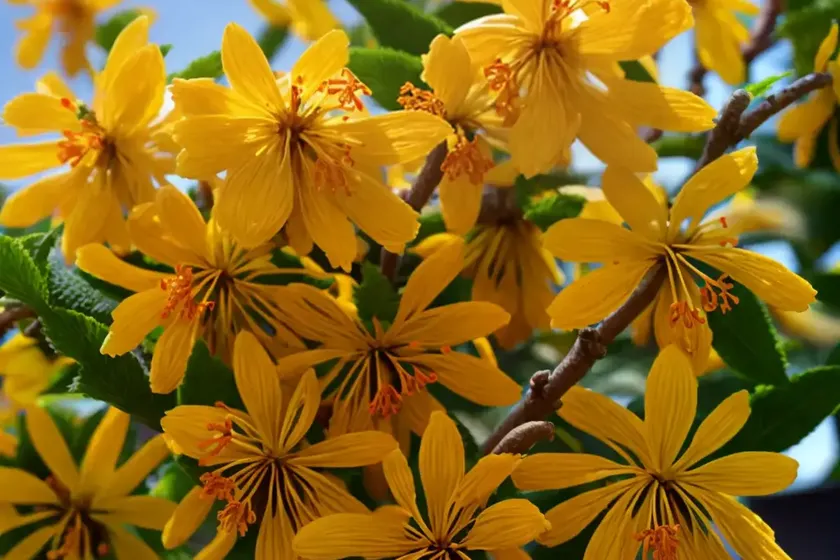
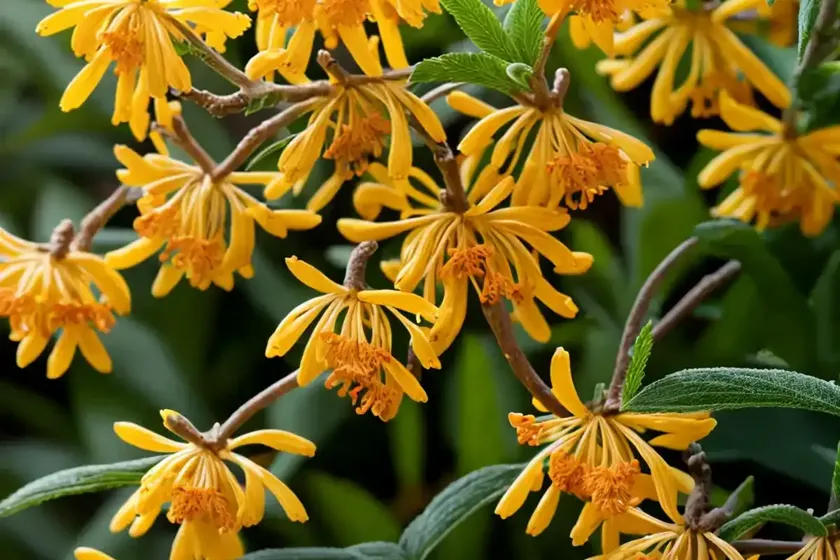
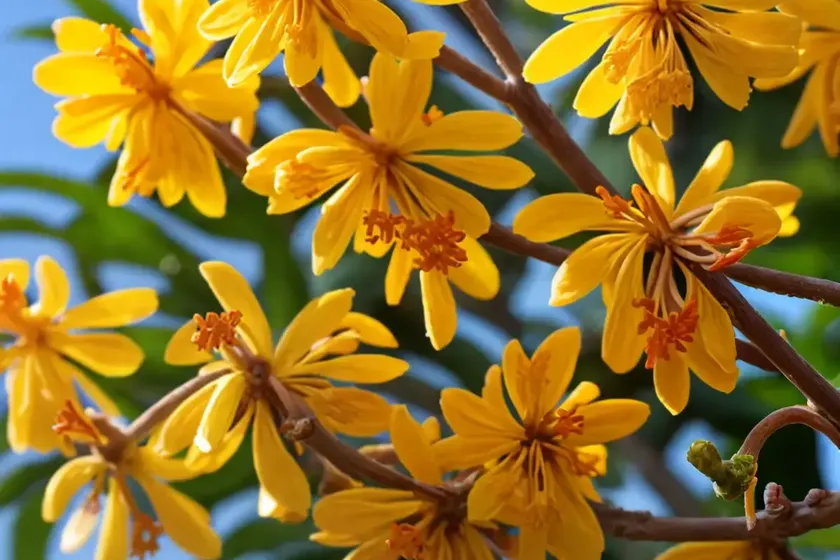
Witch Hazel, belonging to the family Hamamelidaceae, is a deciduous shrub that bears unique, spidery flowers in late winter to early spring, adding a splash of color and fragrance to the winter garden landscape. The species name “Hamamelis” is derived from the Greek words “hama” and “melon,” meaning “at the same time” and “fruit,” referring to the simultaneous occurrence of flowers and ripe fruit on the plant. ‘Jelena’ is a specific cultivar, valued for its striking coppery-orange to red blooms and vibrant autumn foliage.
Witch Hazel has garnered attention not only for its aesthetic appeal but also for its traditional uses in herbal medicine, skincare products, and as a key ingredient in various remedies. Its adaptability to different climatic conditions and soil types makes it a versatile addition to gardens, parks, and natural landscapes.
Key Takeaways – Hamamelis x intermedia ‘Jelena’ (Witch Hazel)
This section will provide a succinct overview of the key points we will be exploring in detail throughout the blog post.
Culture
- Understanding the cultural significance of Witch Hazel
- Historical and folklore associations
- Symbolism and traditional uses
Uses
- Ornamental landscaping
- Medicinal and skincare applications
- Wildlife attractant and ecological benefits
Water
- Optimal watering practices for Witch Hazel
- Drought tolerance and water requirements
Sunlight
- Sun preferences and light requirements
- Shade tolerance and ideal growing conditions
Fertilizer
- Fertilization techniques and nutrient requirements
Soil
- Soil preferences and ideal growing mediums
- pH levels and soil amendments
Pruning
- Pruning techniques for shaping and maintenance
- The importance of proper pruning
Propagation
- Methods for propagating Witch Hazel
- Seed propagation and vegetative techniques
Container Popularity
- Growing Witch Hazel in containers
- Benefits and considerations for container gardening
Common Diseases
- Identification and management of common diseases
Disease Diagnosis
- Recognizing symptoms and addressing plant health issues
Common Pests
- Identification and control of common pests
- Pest-resistant varieties and prevention tips
Botanist’s Tips
- Expert recommendations for successful Witch Hazel cultivation
Fun Facts
- Intriguing and lesser-known trivia about Witch Hazel
Links to External Resources
- Accessible information sources for further exploration
Now, let’s immerse ourselves in the enchanting world of Witch Hazel, uncovering its intricacies, care guidelines, and horticultural significance.
Culture
Witch Hazel holds a rich cultural heritage, intertwining traditional uses with symbolic significance and folklore. Its history as a revered medicinal plant and its association with purity and protection have contributed to its enduring allure.
Historical Significance
The use of Witch Hazel in traditional medicine can be traced back centuries, with Native American tribes and early settlers recognizing its therapeutic properties. As an astringent and anti-inflammatory agent, Witch Hazel garnered a reputation for its healing abilities, leading to its widespread incorporation in various medicines and remedies.
Folklore and Symbolism
Witch Hazel has been woven into the tapestry of folklore and symbolism, portraying resilience and magic in different cultural contexts. In some traditions, the plant is revered for its protective qualities, believed to ward off negative energies and evil spirits. Its resilience to harsh winter conditions and its ability to bloom during this dormant period have contributed to its symbolic representation of endurance and revitalization.
Traditional Uses
The astringent properties of Witch Hazel have rendered it a valuable ingredient in skincare products, particularly in toners and ointments. Its natural soothing and anti-inflammatory qualities have made it a popular choice for alleviating skin conditions and promoting overall skin health. Additionally, Witch Hazel has been utilized in herbal medicine for its perceived antiseptic and healing properties, contributing to its widespread use in various remedies.
Uses
Witch Hazel boasts a myriad of uses, ranging from ornamental landscaping to medicinal applications and ecological benefits.
Ornamental Landscaping
The captivating blooms and vibrant foliage of Witch Hazel make it a prized addition to gardens, parks, and arboretums. Its unique winter-blooming characteristic lends a touch of color and fragrance to the landscape when most plants lie dormant. Whether used as a focal point in a garden bed or incorporated into mixed borders, Witch Hazel’s ornamental appeal is undeniable.
Medicinal and Skincare Applications
The astringent and anti-inflammatory properties of Witch Hazel have positioned it as a versatile ingredient in medicinal and skincare products. From treating minor skin irritations to formulating natural remedies, the plant’s extract is valued for its gentle yet effective qualities in promoting skin health.
Wildlife Attractant and Ecological Benefits
Witch Hazel serves as an important nectar source for pollinators, particularly bees, during its late winter to early spring blooming period. The availability of nectar during this time provides essential sustenance for pollinators, contributing to the ecological balance within the garden and surrounding habitat. Additionally, the plant’s adaptability to various soil types and its tolerance to diverse environmental conditions make it a valuable component of sustainable and wildlife-friendly landscapes.
Water
Understanding the water requirements of Witch Hazel is integral to ensuring its health and vitality throughout the growing season.
Optimal Watering Practices
Witch Hazel thrives in well-draining soil that retains moisture without becoming waterlogged. During the plant’s establishment phase, consistent watering is essential to support root development and establishment. Once established, Witch Hazel showcases good drought tolerance, requiring minimal supplemental irrigation except during prolonged dry spells.
Drought Tolerance
One of the remarkable attributes of Witch Hazel is its resilience to drought conditions once its root system is well-established. The plant’s ability to withstand periods of low water availability makes it a valuable addition to water-wise landscapes and gardens in regions prone to water scarcity.
Sunlight
The sun preferences and light requirements of Witch Hazel play a significant role in determining its growth and flowering performance.
Sun Preferences and Light Requirements
Witch Hazel typically flourishes in partial shade to full sun, depending on the local climate and environmental conditions. In areas characterized by hot summers or intense sunlight, providing partial shade during the hottest part of the day can benefit the plant, preventing stress and sunburn on the foliage. In regions with milder temperatures, Witch Hazel can thrive in full sun, promoting robust growth and prolific flowering.
Shade Tolerance and Ideal Growing Conditions
While Witch Hazel exhibits a preference for sunlight, it also demonstrates good tolerance to partial shade, making it a versatile choice for a range of garden settings. When grown in shadier locations, the plant maintains its ornamental appeal and flowering capacity, enriching shaded areas with its vibrant blooms and textured foliage.
Fertilizer
Fertilization practices tailored to the specific nutrient requirements of Witch Hazel are essential for promoting healthy growth and flowering.
Fertilization Techniques and Nutrient Requirements
Witch Hazel benefits from a balanced, slow-release fertilizer applied in early spring to support its growth and blooming cycle. A fertilizer with a formulation such as 10-10-10 or similar balanced ratios can provide the essential nutrients without promoting excessive vegetative growth at the expense of flowering. It’s crucial to follow recommended application rates to avoid over-fertilization, which can negatively impact the plant’s overall health.
Soil
Understanding the soil preferences and ideal growing mediums for Witch Hazel is pivotal in establishing thriving, resilient plants.
Soil Preferences and Ideal Growing Mediums
Witch Hazel thrives in rich, well-draining soil with sufficient organic matter. A loamy, slightly acidic to neutral soil pH ranging from 5.5 to 7.5 provides an optimal growing medium for the plant, supporting its root development and nutrient uptake. Amending the soil with organic compost or well-rotted manure can further enhance its texture and fertility, contributing to robust growth and flowering.
pH Levels and Soil Amendments
Monitoring the soil pH levels and making necessary amendments to achieve the preferred range for Witch Hazel is crucial for optimizing its nutrient utilization and overall health. Conducting a soil test can provide valuable insights into the current pH status and guide the appropriate adjustments using agricultural lime to raise pH or elemental sulfur to lower pH, ensuring an ideal growing environment for the plant.
Pruning
Pruning techniques for Witch Hazel are integral for shaping, maintenance, and promoting vigorous, well-branched growth.
Pruning Techniques for Shaping and Maintenance
Pruning Witch Hazel to remove dead, damaged, or crossing branches contributes to overall plant health and aesthetic appeal. Additionally, selective pruning can be implemented to control the plant’s size and shape, aligning with the intended landscape design and space constraints. The best time for pruning Witch Hazel is after flowering, allowing for unhindered blooming in the following season.
The Importance of Proper Pruning
Applying appropriate pruning practices not only enhances the visual appeal of Witch Hazel but also facilitates improved air circulation and sunlight penetration within the canopy. This aids in reducing the risk of fungal infections and promoting overall plant vigor, culminating in a well-structured, healthy shrub.
Propagation
Exploring the methods for propagating Witch Hazel enables enthusiasts to expand their plant inventory and preserve desirable cultivars.
Methods for Propagating Witch Hazel
Witch Hazel can be propagated through various techniques, including seed propagation and vegetative methods such as softwood or hardwood cuttings. Collecting and sowing ripe seeds in a suitable growing medium can yield new plants, while conducting stem cuttings during the appropriate season can enable the clonal propagation of selected cultivars with desired traits.
Seed Propagation and Vegetative Techniques
Seed propagation offers a means to introduce genetic diversity and propagate Witch Hazel on a larger scale, provided the specific germination requirements are met. Alternatively, vegetative propagation through stem cuttings allows for the replication of sought-after cultivars, ensuring the retention of their distinct characteristics in the propagated offspring.
Container Popularity
The versatility of Witch Hazel extends to its potential for successful cultivation in containers, imparting ornamental splendor and fragrance to confined garden spaces.
Growing Witch Hazel in Containers
Witch Hazel can thrive in large, well-draining containers, provided the necessary growing conditions and care are met. Container-grown Witch Hazel can be showcased on patios, balconies, and other outdoor spaces, exhibiting its captivating blooms and autumn foliage up close, enriching the outdoor living environment.
Benefits and Considerations for Container Gardening
Container cultivation of Witch Hazel offers the advantage of mobility, allowing the plant to be relocated as needed to accommodate its light and water requirements. Additionally, container-grown Witch Hazel can serve as a focal point or complement other container specimens, adding seasonal interest and fragrance to the garden landscape.
Common Diseases
Despite its resilience, Witch Hazel is susceptible to certain diseases that can impact its vigor and blooming performance.
Identification and Management of Common Diseases
Witch Hazel may be affected by foliar diseases such as powdery mildew, leaf spot, and anthracnose, particularly in conditions promoting high humidity and poor air circulation. Early detection and prompt intervention through cultural practices, such as adequate spacing, and, if necessary, targeted fungicidal treatments, can help mitigate the impact of these diseases and preserve the plant’s health and aesthetic appeal.
Disease Diagnosis
Recognizing symptoms indicative of plant health issues is key to addressing and resolving underlying disease concerns.
Recognizing Symptoms and Addressing Plant Health Issues
Monitoring the foliage for signs of discoloration, wilting, or abnormal growth can provide early indicators of potential disease infestations or physiological disorders. Promptly isolating affected plants and implementing appropriate corrective measures, such as adjusting cultural practices and applying targeted treatments, can help restore the health and vitality of Witch Hazel.
Common Pests
While generally resilient, Witch Hazel may encounter pest pressures that require vigilant monitoring and intervention.
Identification and Control of Common Pests
Aphids, scale insects, and spider mites are among the potential pests that may infest Witch Hazel, posing a threat to its overall health and flowering capacity. Regular inspection of the foliage and stems for signs of pest activity, coupled with targeted control measures such as insecticidal soap or horticultural oil applications, can help manage pest populations and safeguard the plant.
Pest-Resistant Varieties and Prevention Tips
Selecting Witch Hazel cultivars known for their pest resistance can provide a proactive approach to minimizing pest pressures. Moreover, implementing preventive measures such as promoting natural predators and maintaining overall plant health through proper cultural practices can contribute to the resilience of Witch Hazel against pest infestations.
Botanist’s Tips
Incorporating expert recommendations into the care and cultivation of Witch Hazel can optimize its growth, flowering, and resilience.
Expert Recommendations for Successful Witch Hazel Cultivation
- Encourage conducive growing conditions by providing well-draining soil, adequate sunlight, and appropriate watering practices.
- Implement regular monitoring for signs of diseases, pests, and physiological disorders, intervening promptly as needed.
- Select cultivars based on specific desired traits and landscape suitability, ensuring optimal performance in the designated garden setting.
- Foster ecological harmony by recognizing Witch Hazel’s role in supporting pollinators and promoting wildlife diversity within the garden environment.
Fun Facts
Discovering intriguing and lesser-known trivia about Witch Hazel adds a layer of enchantment to its allure.
Intriguing and Lesser-Known Trivia about Witch Hazel
- Witch Hazel’s flexible stems and branches were historically used to create divining rods for water dowsing, contributing to the plant’s mystical associations.
- The astringent properties of Witch Hazel have made it a popular ingredient in aftershave lotions and skincare products, valued for its soothing and toning effects on the skin.
- The distinctive fragrance of Witch Hazel blooms has inspired its use in perfumery, lending a unique olfactory note to fragrance compositions.
Links to External Resources
To further explore the world of Witch Hazel and expand your knowledge, the following are reliable and informative resources for delving deeper into the plant’s attributes and cultural significance:
- American Horticultural Society – Witch Hazels: A Comprehensive Guide
- Royal Horticultural Society – Hamamelis x intermedia ‘Jelena’ Profile
- The Morton Arboretum – Witch Hazel Diversity and Cultivation
- University of Maryland Extension – Witch Hazel for Wildlife and Landscaping
As we conclude our comprehensive exploration of Hamamelis x intermedia ‘Jelena’ (Witch Hazel), we hope that this guide has provided valuable insights and inspiration for incorporating this enchanting plant into your landscape, fostering its ornamental allure, medicinal legacy, and ecological contributions. Embrace the magic of Witch Hazel and witness its captivating blooms, seasonal transitions, and enduring charm in your garden and natural spaces.
References:
1. American Horticultural Society – Witch Hazels: A Comprehensive Guide
2. Royal Horticultural Society – Hamamelis x intermedia ‘Jelena’ Profile
3. The Morton Arboretum – Witch Hazel Diversity and Cultivation
4. University of Maryland Extension – Witch Hazel for Wildlife and Landscaping


