Hamamelis X Intermedia ‘Gingerbread’ (Witch Hazel)
Hamamelis x intermedia ‘Gingerbread’ is a variety of witch hazel that captivates with its unique characteristics and versatile uses. As a plant scientist.
Hamamelis x intermedia ‘Gingerbread’ is a variety of witch hazel that captivates with its unique characteristics and versatile uses. As a plant scientist, I am excited to delve into the world of this captivating plant and share insights on its culture, uses, care requirements, and much more. Whether you are an avid gardener, a landscaping enthusiast, or simply curious about this enchanting plant, this comprehensive guide will provide you with a wealth of knowledge about Hamamelis x intermedia ‘Gingerbread’.
What is Hamamelis x intermedia ‘Gingerbread’ (Witch Hazel)?
Hamamelis x intermedia ‘Gingerbread’, commonly known as Witch Hazel ‘Gingerbread’, is a deciduous shrub renowned for its exquisite flowers, captivating fragrance, and ornamental foliage. Belonging to the family Hamamelidaceae, this cultivar is a hybrid between Hamamelis japonica and Hamamelis mollis, resulting in a plant that exhibits a delightful blend of characteristics from its parent species.
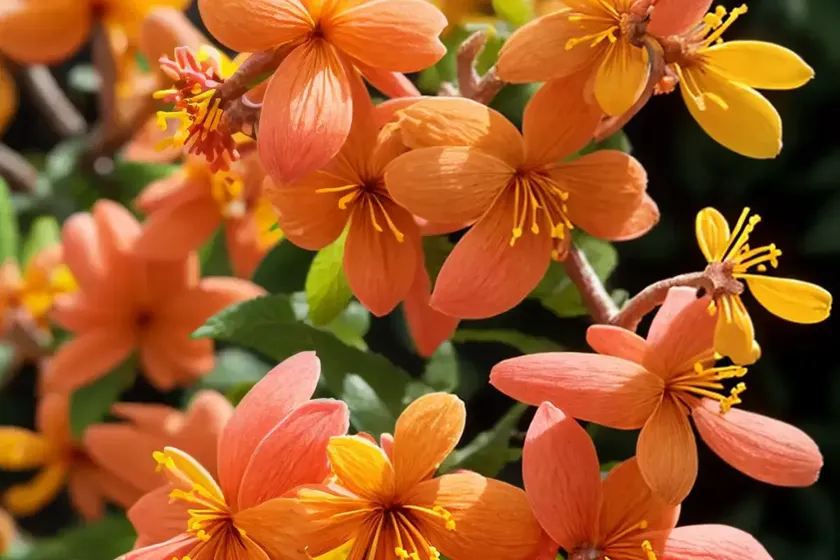
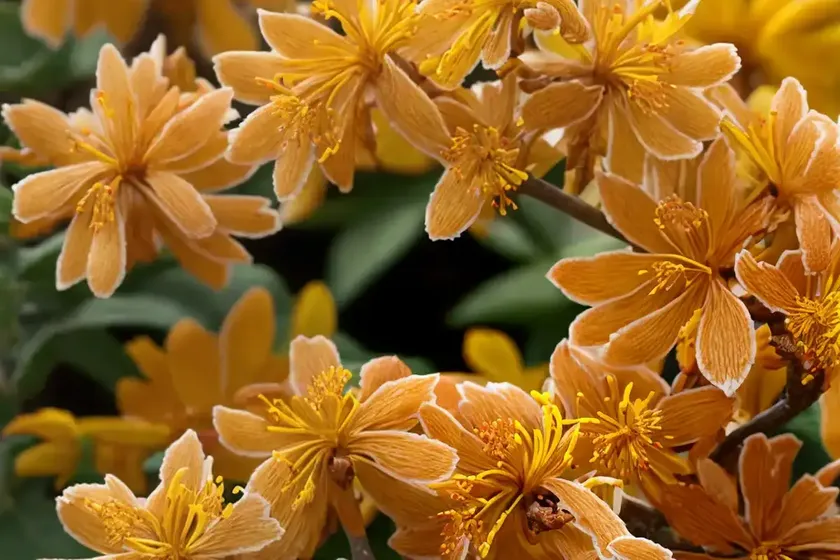
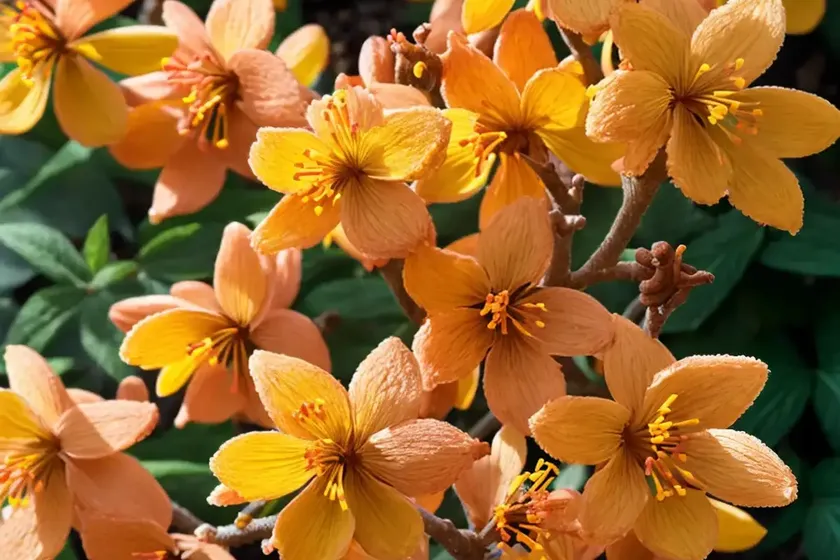
The ‘Gingerbread’ variety is specifically cherished for its vibrant, coppery-orange to red flowers that emerge in late winter to early spring, providing a welcome burst of color during the cooler months. The distinct sweet fragrance of the blossoms further enhances its allure, making it a prized addition to gardens and landscapes.
With its multi-season interest, resilient nature, and potential medicinal properties, Hamamelis x intermedia ‘Gingerbread’ holds a special place in the realm of horticulture and plant science.
Key Takeaways – Hamamelis x intermedia ‘Gingerbread’ (Witch Hazel)
Before we embark on an in-depth exploration of Hamamelis x intermedia ‘Gingerbread’, let’s outline the key takeaways that we will cover in this comprehensive guide:
- Culture
- Uses
- Water
- Sunlight
- Fertilizer
- Soil
- Pruning
- Propagation
- Container Popularity
- Common Diseases
- Disease Diagnosis
- Common Pests
- Botanist’s Tips
- Fun Facts
- Links to External Resources
These key takeaways will guide us through the diverse facets of ‘Gingerbread’ witch hazel, providing valuable insights for both enthusiasts and horticultural professionals.
Now, let’s embark on a journey to understand and appreciate the beauty and intricacies of Hamamelis x intermedia ‘Gingerbread’ in all its glory.
Culture of Hamamelis x intermedia ‘Gingerbread’
Understanding the cultural requirements of Hamamelis x intermedia ‘Gingerbread’ is paramount for ensuring its optimal growth and development. From its preferred environmental conditions to its adaptable nature, delving into the cultural aspects of this enchanting plant sheds light on its resilience and potential in various settings.
Water
Witch hazels, including the ‘Gingerbread’ variety, generally thrive in moist, well-drained soil. Adequate watering is crucial, especially during the plant’s establishment phase and in periods of prolonged drought.
- Watering Guidelines:
- Establishment Phase: During the initial phases after planting, ensure consistent moisture around the root zone to support the plant’s establishment.
- Regular Watering: In the absence of significant rainfall, provide regular watering, especially during dry spells, to maintain soil moisture levels.
Sunlight
Hamamelis x intermedia ‘Gingerbread’ displays remarkable adaptability to varying light conditions, making it suitable for diverse garden settings. Understanding its sunlight preferences facilitates strategic placement and cultivation.
- Sunlight Requirements:
- Full Sun to Partial Shade: ‘Gingerbread’ witch hazel thrives in partial shade to full sun, demonstrating its versatility in different light exposures.
- Considerate Placement: When selecting planting locations, consider the balance of sunlight and shade to optimize the plant’s growth and flowering potential.
Fertilizer
While witch hazels are known for their relatively low maintenance requirements, providing appropriate nutrients can bolster their overall health and vigor.
- Fertilization Tips:
- Balanced Fertilizer: Apply a balanced, slow-release fertilizer in spring to support healthy growth and flower production.
- Avoid Excessive Nitrogen: Refrain from excessive use of high-nitrogen fertilizers, as it can potentially stimulate excessive foliage growth at the expense of flower development.
Soil
The soil composition and structure significantly influence the well-being of Hamamelis x intermedia ‘Gingerbread’. Understanding its soil preferences enables gardeners to create an optimal growing environment for the plant.
- Ideal Soil Conditions:
- Well-Drained Loamy Soil: Witch hazels favor well-drained, loamy soil that retains moisture without becoming waterlogged.
- Neutral to Acidic pH: They thrive in slightly acidic to neutral soil pH levels, typically in the range of 5.5 to 7.0.
Uses of Hamamelis x intermedia ‘Gingerbread’
The ‘Gingerbread’ witch hazel offers a myriad of uses, ranging from its ornamental appeal to potential medicinal and aromatic qualities. Exploring its diverse uses presents a comprehensive picture of the plant’s significance and versatility.
Ornamental Beauty
One of the primary uses of Hamamelis x intermedia ‘Gingerbread’ is its ornamental value, particularly stemming from its captivating flowers and seasonal interest. Its vibrant blooms and delightful fragrance enrich outdoor spaces, attracting the admiration of garden enthusiasts and nature aficionados.
Potential Medicinal Properties
Witch hazels, including the ‘Gingerbread’ variety, have historically been associated with potential medicinal properties. The aromatic bark and leaves have been traditionally used to extract natural remedies for various purposes.
Fragrance Production
The fragrant nature of ‘Gingerbread’ witch hazel’s flowers contributes to its potential use in fragrance production and aromatherapy. The sweet, spicy scent of the blooms adds an aromatic dimension to gardens and landscapes, setting the stage for sensory experiences.
Seasonal Interest
With its blooms emerging in late winter to early spring, Hamamelis x intermedia ‘Gingerbread’ offers seasonal interest during a time when garden landscapes often crave color and vitality. Its warm-toned flowers bring a welcome contrast to the winter backdrop, infusing the surroundings with vibrant hues.
Pruning Hamamelis x intermedia ‘Gingerbread’
Pruning plays a pivotal role in maintaining the health, aesthetics, and structure of Hamamelis x intermedia ‘Gingerbread’. By understanding the principles of pruning this plant, gardeners can effectively manage its growth and flowering potential.
Pruning Guidelines:
- Post-Flowering Pruning: Conduct pruning immediately after the plant finishes flowering to shape its form and remove any dead or damaged wood.
- Minimal Pruning: Witch hazels generally require minimal pruning, focusing on selective removal of undesirable growth rather than extensive shaping.
Propagation of Hamamelis x intermedia ‘Gingerbread’
Aspiring to propagate Hamamelis x intermedia ‘Gingerbread’ allows enthusiasts to expand their collection and share the beauty of this unique variety. The methods of propagation, though requiring patience and attention to detail, offer rewarding experiences for plant propagation enthusiasts.
Propagation Techniques:
- Semi-Hardwood Cuttings: Propagate ‘Gingerbread’ witch hazel using semi-hardwood cuttings taken in late summer or early autumn, placing them in well-draining propagating medium.
- Layering: Utilize air layering as a propagation method by encouraging the growth of roots on a stem while it is still attached to the parent plant, eventually severing it to form an independent specimen.
Container Popularity of Hamamelis x intermedia ‘Gingerbread’
The ‘Gingerbread’ variety’s adaptability to container cultivation expands its appeal to enthusiasts with limited garden space or a preference for versatile container plants. Understanding its potential for container growth provides valuable insights for gardeners seeking to incorporate it into their container gardening endeavors.
Container Cultivation:
- Selecting Appropriate Containers: Choose spacious containers with adequate drainage holes to accommodate the root system and maintain proper soil moisture.
- Regular Monitoring: Monitor soil moisture and overall plant health, especially during periods of extreme heat or cold, to ensure the well-being of ‘Gingerbread’ witch hazel in containers.
Common Diseases of Hamamelis x intermedia ‘Gingerbread’
While generally resilient, Hamamelis x intermedia ‘Gingerbread’ may encounter certain diseases that can impact its overall vigor and appearance. Being aware of common diseases and their symptoms equips gardeners with the knowledge to identify and address potential issues promptly.
Common Diseases:
- Powdery Mildew: Characterized by the presence of powdery white patches on the leaves, powdery mildew can affect witch hazels, including the ‘Gingerbread’ variety, particularly in humid conditions.
- Leaf Spot Diseases: Various leaf spot diseases, manifested as discolored spots or blotches on the foliage, can potentially affect the aesthetic appeal and vitality of the plant.
- Root Rot: Excessive soil moisture or poor drainage can lead to root rot in witch hazels, contributing to wilted foliage and overall decline.
Disease Management:
- Cultural Practices: Promote good air circulation, avoid overhead watering, and maintain overall plant hygiene to reduce the likelihood of disease development.
- Fungicidal Treatments: If disease symptoms persist or escalate, consider utilizing appropriate fungicidal treatments as recommended for the specific disease affecting the plant.
Disease Diagnosis in Hamamelis x intermedia ‘Gingerbread’
Diagnosing potential diseases in Hamamelis x intermedia ‘Gingerbread’ involves keen observation and a systematic approach to identifying symptoms and their underlying causes. Accurate diagnosis is instrumental in implementing targeted management strategies for preserving the plant’s health.
Diagnostic Steps:
- Symptom Assessment: Closely examine the foliage, stems, and overall appearance of the plant to identify any abnormalities or irregularities.
- Environmental Evaluation: Consider factors such as moisture levels, air circulation, and recent weather patterns that may influence the plant’s susceptibility to specific diseases.
- Professional Consultation: When uncertain about disease diagnosis or management, seek guidance from horticultural professionals or plant pathologists for expert insight.
Common Pests Affecting Hamamelis x intermedia ‘Gingerbread’
Despite its resilient nature, ‘Gingerbread’ witch hazel may fall prey to certain pests that can compromise its vitality and visual appeal. Vigilance in identifying and addressing potential pest issues is essential for safeguarding the plant’s well-being.
Common Pests:
- Aphids: These small, sap-feeding insects can infest the foliage and tender shoots of witch hazels, potentially causing distortion and discoloration of the affected plant parts.
- Spider Mites: Both the twospotted spider mite and the European red mite can target witch hazels, including ‘Gingerbread’, leading to webbing and stippling on the foliage.
- Scale Insects: Scale infestations can occur on the stems and foliage of the plant, appearing as raised, waxy bumps that can impede the plant’s overall health.
Pest Control Measures:
- Physical Removal: Prune and dispose of severely infested plant parts to reduce pest populations and alleviate the plant’s stress.
- Horticultural Oils: Consider the targeted application of horticultural oils to suffocate and manage certain pests while minimizing environmental impact.
Botanist’s Tips for Hamamelis x intermedia ‘Gingerbread’ Care
As a plant scientist, I offer the following botanical insights and care tips to ensure the successful cultivation and enjoyment of Hamamelis x intermedia ‘Gingerbread’:
- Mulching: Apply a layer of organic mulch around the base of the plant to conserve soil moisture, suppress weed growth, and provide insulation to the root zone.
- Routine Inspection: Periodically inspect the plant for any signs of stress, disease, or pest activity, intervening promptly when necessary to maintain its well-being.
- Environmental Considerations: Recognize the influence of environmental factors such as temperature, humidity, and light exposure on the plant’s performance and adapt care practices accordingly.
Fun Facts about Hamamelis x intermedia ‘Gingerbread’
Unveiling the intriguing and delightful aspects of ‘Gingerbread’ witch hazel through fun facts adds a touch of fascination to its botanical profile:
- Foliage Color Transformation: The foliage of ‘Gingerbread’ witch hazel exhibits a noteworthy transition, initially emerging with red-tinged new growth that matures to a rich, dark green hue.
- Ethnobotanical Significance: Witch hazels, including the ‘Gingerbread’ variety, have historically been valued for their potential medicinal applications and were utilized by various indigenous cultures for their beneficial properties.
- Wildlife Attraction: The flowers of Hamamelis x intermedia ‘Gingerbread’ serve as a nectar source for early-season pollinators, contributing to the ecological dynamics of the garden or landscape.
Links to External Resources
To further enrich your understanding and appreciation of Hamamelis x intermedia ‘Gingerbread’, I recommend exploring the following external resources:
- Royal Horticultural Society – Witch Hazels
- Missouri Botanical Garden – Witch Hazel Information
- American Society for the Prevention of Cruelty to Animals – Plants Toxic to Animals: Witch Hazel
In Conclusion
Hamamelis x intermedia ‘Gingerbread’ (Witch Hazel) stands as a captivating botanical specimen, drawing admiration for its ornamental allure, potential uses, and resilient nature. As a plant scientist, it is my pleasure to unravel the intricacies and charm of this remarkable plant, offering insights to nurture its growth, appreciate its beauty, and recognize its significance in horticulture and beyond.
By embracing the cultural nuances, care requirements, and diverse dimensions of ‘Gingerbread’ witch hazel, enthusiasts and horticultural practitioners can cultivate and celebrate this mesmerizing variety, enriching their botanical journeys and outdoor landscapes.
I hope this comprehensive guide has sparked your curiosity and deepened your appreciation for the enchanting world of Hamamelis x intermedia ‘Gingerbread’.
Happy Gardening!
Keywords: Hamamelis x intermedia ‘Gingerbread’ plant, Witch Hazel ‘Gingerbread’ variety, Hamamelis x intermedia cultivar ‘Gingerbread’, Benefits of Hamamelis x intermedia ‘Gingerbread’, Growing Witch Hazel ‘Gingerbread’, How to care for Hamamelis x intermedia ‘Gingerbread’, Witch Hazel ‘Gingerbread’ characteristics, Hamamelis x intermedia ‘Gingerbread’ appearance, Uses of Witch Hazel ‘Gingerbread’ plant, Hamamelis x intermedia ‘Gingerbread’ in gardens, Witch Hazel ‘Gingerbread’ fragrant flowers, How to propagate Hamamelis x intermedia ‘Gingerbread’, Hamamelis x intermedia ‘Gingerbread’ pruning tips, Witch Hazel ‘Gingerbread’ seasonal changes, Hamamelis x intermedia ‘Gingerbread’ for landscaping, Witch Hazel ‘Gingerbread’ care guide, Growing conditions for Hamamelis x intermedia ‘Gingerbread’, Hamamelis x intermedia ‘Gingerbread’ diseases and pests, Witch Hazel ‘Gingerbread’ medicinal properties, Hamamelis x intermedia ‘Gingerbread’ varieties, Witch Hazel ‘Gingerbread’ foliage color, Hamamelis x intermedia ‘Gingerbread’ hardiness, Uses of Witch Hazel ‘Gingerbread’ in herbal remedies, Hamamelis x intermedia ‘Gingerbread’ landscape design, Witch Hazel ‘Gingerbread’ autumn foliage, Hamamelis x intermedia ‘Gingerbread’ flower anatomy, Witch Hazel ‘Gingerbread’ pruning techniques, Hamamelis x intermedia ‘Gingerbread’ plant size, Witch Hazel ‘Gingerbread’ pollination process, Hamamelis x intermedia ‘Gingerbread’ sun exposure, Witch Hazel ‘Gingerbread’ winter care, Hamamelis x intermedia ‘Gingerbread’ root system, Witch Hazel ‘Gingerbread’ water requirements, Hamamelis x intermedia ‘Gingerbread’ propagation methods, Witch Hazel ‘Gingerbread’ spring blooming, Hamamelis x intermedia ‘Gingerbread’ soil preferences, Witch Hazel ‘Gingerbread’ garden uses, Hamamelis x intermedia ‘Gingerbread’ flower benefits, Witch Hazel ‘Gingerbread’ in traditional medicine, Hamamelis x intermedia ‘Gingerbread’ container gardening, Witch Hazel ‘Gingerbread’ fragrance in the garden, Hamamelis x intermedia ‘Gingerbread’ landscape ideas, Witch Hazel ‘Gingerbread’ winter interest, Hamamelis x intermedia ‘Gingerbread’ companion plants, Witch Hazel ‘Gingerbread’ flower symbolism, Hamamelis x intermedia ‘Gingerbread’ natural habitat, Witch Hazel ‘Gingerbread’ sun and shade requirements, Hamamelis x intermedia ‘Gingerbread’ common problems, Witch Hazel ‘Gingerbread’ pruning schedule, Hamamelis x intermedia ‘Gingerbread’ evergreen or deciduous


