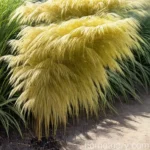
Hakonechloa macra ‘Nicolas’ (Hakone Grass): A Comprehensive Guide
Introduction
As plant enthusiasts, we are constantly in search of unique and visually appealing additions to our gardens and landscapes. One such plant that has gained recognition for its ornamental value is Hakonechloa macra ‘Nicolas’ or commonly known as Hakone Grass. This elegant and distinctive grass species has garnered attention for its graceful, cascading foliage and adaptability to various growing conditions. In this comprehensive guide, we will delve into the various aspects of Hakonechloa macra ‘Nicolas’ including its culture, uses, maintenance, and much more.
What is Hakonechloa macra ‘Nicolas’?
Hakonechloa macra ‘Nicolas’ is a specific cultivar of Hakone Grass, known for its striking foliage and compact growth habit. This perennial grass belongs to the family Poaceae and is native to the mountainous regions of Japan, where it thrives in the cool climate and well-drained soil conditions. The unique appeal of Hakonechloa macra ‘Nicolas’ lies in its vibrant foliage, which features a blend of green and gold hues, adding a touch of elegance to any garden setting.
Given its aesthetic charm and adaptability, Hakonechloa macra ‘Nicolas’ has become a popular choice for landscaping, particularly in shaded areas where its cascading foliage can create a visually striking effect. Its low-maintenance nature and versatile uses make it a valuable addition to both residential and commercial landscapes.
Key Takeaways – Hakonechloa macra ‘Nicolas’ (Hakone Grass)
Before we delve into the specific details of caring for Hakonechloa macra ‘Nicolas’, let’s take a moment to highlight some key takeaways about this unique plant:
- Characteristics: Graceful, cascading foliage with a blend of green and gold hues.
- Growing Tips: Thrives in shaded areas, requires well-drained soil and regular watering.
- Maintenance: Low-maintenance, requires minimal pruning and fertilization.
- Landscape Uses: Ideal for landscaping shaded gardens, as groundcover, and in container gardens.
- Water Requirements: Prefers consistently moist soil, particularly in warmer climates.
Culture of Hakonechloa macra ‘Nicolas’
Understanding the cultural requirements of Hakonechloa macra ‘Nicolas’ is essential for ensuring its optimal growth and appearance. From sunlight preferences to soil conditions, here’s a detailed look at the cultural aspects of caring for this distinct grass species.
Sunlight
Hakonechloa macra ‘Nicolas’ is renowned for its adaptability to shaded conditions, making it an excellent choice for gardens and landscapes where direct sunlight is limited. In fact, this grass thrives in partial to full shade, where its vibrant foliage can truly stand out. When planted in areas with prolonged sunlight exposure, the foliage may exhibit signs of scorching, highlighting the plant’s preference for shaded environments.
Water
As with many ornamental grasses, Hakonechloa macra ‘Nicolas’ thrives in consistently moist soil. Adequate watering is essential, particularly during dry spells or in warmer climates. However, it is important to ensure that the soil is well-drained to prevent waterlogging, which can lead to root rot and other detrimental effects. Regular monitoring of soil moisture levels is recommended to maintain the ideal growing conditions for Hakonechloa macra ‘Nicolas‘.
Soil
The soil composition plays a crucial role in the overall health and vigor of Hakonechloa macra ‘Nicolas’. This grass prefers well-drained, humus-rich soil that retains moisture without becoming waterlogged. A slightly acidic to neutral pH range is suitable for this plant, and incorporating organic matter into the soil can help improve its structure and fertility. It is important to avoid waterlogged or excessively compacted soil, as this can hinder root development and overall growth.
Fertilizer
Hakonechloa macra ‘Nicolas’ generally does not have high fertilizer requirements and can thrive in moderately fertile soil. If necessary, a balanced, slow-release fertilizer can be applied in early spring to provide essential nutrients for healthy growth. It is crucial to follow the recommended application rates and avoid overfertilization, as excessive nutrient levels can have adverse effects on the plant.
Pruning
One of the appealing qualities of Hakonechloa macra ‘Nicolas’ is its low-maintenance nature, which extends to its pruning requirements. This grass typically does not require extensive pruning and can maintain its graceful appearance with minimal intervention. However, the removal of any damaged or discolored foliage can be beneficial for the plant’s overall aesthetics and health. Additionally, if the grass clumps become crowded over time, dividing them can help rejuvenate the plant and encourage new growth.
Propagation
Propagating Hakonechloa macra ‘Nicolas’ can be accomplished through division, which involves separating the plant clumps into smaller sections and replanting them in suitable growing locations. Division is best carried out during the early spring, allowing the newly established sections to take root and establish themselves before the onset of adverse weather conditions. This method not only facilitates the propagation of the plant but also helps rejuvenate older clumps and promote vigorous growth.
Container Popularity
Hakonechloa macra ‘Nicolas’ is increasingly gaining popularity as a container plant, offering a unique and eye-catching addition to outdoor and indoor spaces. Its cascading foliage and vibrant coloration make it an ideal choice for container gardens, where it can be showcased as a standalone feature or combined with other complementary plants to create visually appealing arrangements. The adaptability of Hakone Grass to shaded environments further enhances its suitability for container cultivation, allowing individuals to incorporate it into various design concepts and settings.
Container Gardening Tips
When growing Hakonechloa macra ‘Nicolas’ in containers, it is essential to consider the following tips to ensure its optimal growth and visual impact:
- Select a spacious container that provides ample room for root development.
- Use a well-draining potting mix to prevent waterlogging and promote healthy root growth.
- Position the container in a shaded area to mimic the plant’s preferred growing conditions.
- Monitor soil moisture regularly and water as needed to maintain consistent moisture levels.
- Consider incorporating companion plants with contrasting textures and colors to create a visually dynamic container arrangement.
- Overwinter container-grown Hakonechloa macra ‘Nicolas’ indoors in colder climates to protect the plant from harsh weather conditions.
Disease Resistance
Hakonechloa macra ‘Nicolas’ exhibits good resistance to most common garden diseases, particularly when grown in optimal conditions with proper cultural care. However, like any plant, it may be susceptible to certain diseases and issues under unfavorable growing environments or stress-inducing conditions. Regular monitoring for signs of disease, along with providing appropriate cultural care, can help minimize the risk of disease development and promote the overall health of the plant.
Common Diseases
While Hakonechloa macra ‘Nicolas’ is generally robust, it may encounter the following common diseases and issues:
- Leaf Spot: The occurrence of fungal leaf spot may be observed, particularly in prolonged periods of high humidity or excessive moisture. This can manifest as dark spots or lesions on the foliage, impacting its appearance.
- Root Rot: Overwatering or poorly-drained soil can lead to the development of root rot, which affects the plant’s root system and overall health. Symptoms may include wilting, yellowing foliage, and stunted growth.
- Pest-Related Issues: While not a disease per se, pest infestations can affect the overall vigor and appearance of Hakonechloa macra ‘Nicolas’. Common pests such as aphids and mites may occasionally target the foliage, leading to potential damage if left unaddressed.
Disease Diagnosis and Management
Diagnosing and managing diseases in Hakonechloa macra ‘Nicolas’ involves proactive monitoring, cultural practices, and targeted interventions when necessary. To effectively address and mitigate potential disease issues, consider the following strategies:
- Ensure Adequate Air Circulation: Proper spacing and ventilation can reduce the risk of fungal diseases by minimizing prolonged leaf moisture and promoting a drier environment.
- Implement Watering Best Practices: Consistently monitor soil moisture levels and water the plant at the base to avoid wetting the foliage, reducing the risk of leaf spot development.
- Use Preventive Treatments: Applying fungicidal sprays or treatments during periods of high humidity or when disease pressure is elevated can help prevent the onset of fungal diseases.
- Promptly Address Pest Infestations: If pest-related issues arise, consider employing targeted control methods such as insecticidal soaps or horticultural oils to manage the infestation and protect the plant.
Common Pests
While Hakonechloa macra ‘Nicolas’ is relatively resistant to pest infestations, it may occasionally encounter certain common pests that can impact its appearance and vitality. Being vigilant and proactive in pest management can help safeguard the plant’s health and maintain its ornamental appeal.
Pest Management Tips
When addressing potential pest issues with Hakonechloa macra ‘Nicolas’, consider the following tips for effective pest management:
- Regular Monitoring: Proactively monitor the plant for signs of pest activity, including distorted foliage, stippling, or the presence of pests such as aphids or mites.
- Natural Predators: Encourage the presence of natural predators such as ladybugs and lacewings, which can help control pest populations through predation.
- Mechanical Control: Use a strong blast of water or gentle hand-picking to dislodge and remove pests from the foliage, particularly in the early stages of infestation.
- Horticultural Oils and Soaps: Consider using horticultural oils or insecticidal soaps as a targeted treatment to manage pest populations while minimizing harm to beneficial insects.
Botanist’s Tips for Hakone Grass
Incorporating Hakonechloa macra ‘Nicolas’ into garden and landscape settings can be a rewarding endeavor, provided that its specific cultural and maintenance needs are met. To enhance the successful cultivation and enjoyment of this eye-catching grass species, consider the following botanist’s tips:
- Selecting Ideal Growing Locations: Identify and designate shaded areas within the garden or landscape where Hakonechloa macra ‘Nicolas’ can thrive, taking into account its preference for partial to full shade.
- Soil Preparation: Prepare the planting site by amending the soil with organic matter to improve drainage and fertility, creating an optimal growing environment for the grass.
- Watering Practices: Maintain consistent soil moisture by providing regular, deep waterings, particularly during warmer periods, to support the plant’s growth and vitality.
- Mulching Benefits: Apply a layer of organic mulch around the base of Hakonechloa macra ‘Nicolas’ to help conserve soil moisture, suppress weed growth, and insulate the root zone.
- Visual Pairings: Explore companion plants with contrasting textures and colors to complement the elegant foliage of Hakone Grass, creating visually captivating garden compositions.
- Routine Maintenance: Conduct regular inspections of the grass for signs of disease, pest activity, or maintenance needs, and address any issues promptly to support the plant’s overall health.
Fun Facts About Hakonechloa macra ‘Nicolas’
Hakonechloa macra ‘Nicolas’ possesses intriguing attributes and characteristics that make it an engaging and distinctive addition to garden spaces. Here are a few fun facts about this captivating grass species:
- The name Hakonechloa is derived from the Hakone region of Japan, where the plant is native to.
- In Japanese gardens, Hakone Grass is often revered for its graceful aesthetic and is incorporated into various design elements.
- Its cascading growth habit and variegated foliage make it an ideal choice for adding visual interest to shaded areas and woodland gardens.
- Hakonechloa macra ‘Nicolas’ exhibits a moderate growth rate, gradually forming expansive clumps that create a lush and verdant ambiance.
Links to External Resources
For further exploration of Hakonechloa macra ‘Nicolas’ and its cultural, maintenance, and landscaping aspects, consider visiting the following external resources:
- Royal Horticultural Society – Hakonechloa macra ‘Nicolas’
- Missouri Botanical Garden – Hakonechloa macra ‘Nicolas’
- The American Horticultural Society – Hakonechloa macra ‘Nicolas’
- University of Florida IFAS Extension – Ornamental Grasses for Shade
Conclusion
Hakonechloa macra ‘Nicolas’, with its captivating foliage and versatile uses, has undoubtedly secured a place as a sought-after ornamental grass in garden and landscape designs. Whether utilized in shaded gardens, container displays, or as a groundcover, its aesthetic appeal and low-maintenance nature make it a valuable addition to diverse horticultural settings. By understanding and implementing its specific cultural requirements, individuals can cultivate and appreciate the elegant beauty of Hakonechloa macra ‘Nicolas’ in their outdoor spaces, creating visually enchanting compositions that showcase the distinct allure of this exceptional grass species.