Plant Scientist’s Guide to Hakonechloa macra ‘Aureola’ (Hakone Grass)
As a plant scientist, it is my pleasure to present a comprehensive guide to Hakonechloa macra ‘Aureola’ commonly known as Hakone Grass. In this guide, we will explore the cultural requirements, uses, maintenance tips, propagation, and other relevant information for successfully growing and caring for this stunning ornamental grass.
What is Hakone Grass (Hakonechloa macra ‘Aureola’)?
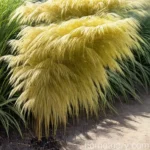
Hakonechloa macra, commonly known as Hakone Grass, is a graceful and vibrant ornamental grass that hails from the Hakone region of Japan. It belongs to the family Poaceae and is renowned for its elegant arching leaves, vibrant coloration, and its ability to thrive in shade, making it a valuable addition to gardens and landscapes.
Plant Characteristics
- Botanical Name: Hakonechloa macra ‘Aureola’
- Common Name: Hakone Grass
- Plant Type: Ornamental grass
- Mature Size: 12-18 inches in height, 18-24 inches in spread
- Foliage: Variegated, arching leaves with hues of gold, green, and red
- Flowering: Insignificant flowers; grown primarily for its foliage
- Growth Rate: Moderate

Key Takeaways – Hakonechloa macra ‘Aureola’ (Hakone Grass)
Before delving into the specific care and maintenance guidelines for Hakone Grass, let’s highlight the key takeaways for this delightful ornamental grass.
Hakone Grass Gardening Guide
- Hakone Grass, scientifically known as Hakonechloa macra ‘Aureola’, is a vibrant and graceful ornamental grass that is prized for its stunning variegated foliage and adaptability to shade.
Growing Hakonechloa macra ‘Aureola’ in Your Garden
- When considering this plant for your garden, ensure that you can provide the necessary conditions it requires, including well-draining soil, partial to full shade, and adequate moisture.
Best Practices for Growing Hakonechloa macra ‘Aureola’
- Implement best practices such as regular watering, suitable soil amendments, and proper placement to ensure the optimal growth and vitality of Hakone Grass.
Hakonechloa macra ‘Aureola’ Sunlight Needs
- While Hakone Grass thrives in shade, it benefits from some morning sun or dappled light to enhance its variegated foliage.
Common Pests and Diseases of Hakonechloa macra ‘Aureola’
- Keep an eye out for potential pests and diseases that may affect Hakone Grass, and be prepared to take preventive measures to maintain its health.
Culture
Uses
Hakone Grass is widely valued for its aesthetic appeal and its ability to thrive in shade, making it a popular choice for shaded gardens and landscapes. Its graceful, arching foliage adds elegance to woodland gardens, rock gardens, and containers, while its vibrant coloration provides captivating visual interest.
Water
Proper watering is essential for the health and vitality of Hakone Grass. While it is relatively drought-tolerant once established, it thrives in consistently moist soil, particularly in regions with warm summers. Adequate moisture is crucial, especially during periods of prolonged heat or drought.
Watering Requirements:
– Ensure the soil is consistently moist, particularly during the growing season.
– Water deeply and avoid allowing the soil to dry out completely.
– Consider mulching around the base of the plant to help retain soil moisture.
Sunlight
Hakone Grass is renowned for its ability to thrive in shade, making it an ideal choice for shaded or woodland gardens. It prefers partial to full shade and benefits from some morning sun or dappled light to enhance the coloration of its variegated foliage.
Sunlight Needs:
– Plant in areas with partial to full shade, avoiding direct afternoon sun.
– Provide some morning sun or dappled light for best foliage coloration.
Fertilizer
Fertilizing Hakone Grass can help support its growth and vibrancy. While it is not a heavy feeder, providing a balanced fertilizer in the spring can contribute to its overall health and appearance.
Fertilizing Guidelines:
– Apply a balanced, slow-release fertilizer in the spring as new growth emerges.
– Avoid over-fertilization, as excessive nutrients can negatively impact the plant.
Soil
Well-draining soil with sufficient organic matter is essential for the cultivation of Hakone Grass. It thrives in moist, fertile soil and benefits from the addition of organic amendments to enhance soil structure and moisture retention.
Soil Preferences:
– Plant in well-draining, fertile soil with a slightly acidic to neutral pH.
– Incorporate organic matter such as compost or peat moss when planting to improve soil quality.
Pruning
Pruning Hakone Grass is relatively minimal, primarily focusing on removing any damaged or discolored foliage and managing its overall shape and size. Regular maintenance can help rejuvenate the plant and promote healthy growth.
Pruning Tips:
– Remove any dead, damaged, or discolored foliage as needed throughout the growing season.
– Trim back any overly vigorous growth to maintain a neat and tidy appearance.
– Consider cutting back the entire plant to a few inches above the ground in late winter to early spring to rejuvenate growth.
Propagation
Hakone Grass can be propagated through division, making it a relatively straightforward process to propagate new plants. Division is best carried out in early spring before new growth emerges.
Propagation Methods:
– Divide established clumps in early spring, carefully separating the root ball into sections.
– Replant the divided segments in prepared soil and ensure they receive adequate moisture as they establish themselves.
Container Popularity
Due to its shade tolerance, compact size, and graceful appearance, Hakone Grass is well-suited for container cultivation. It adds an elegant touch to shaded patios, balconies, and other outdoor spaces, making it a popular choice for container gardens.
Container Cultivation Tips:
– Select a spacious container with adequate drainage holes to accommodate the plant’s root system.
– Use a high-quality potting mix designed for container plants to provide the necessary nutrients and drainage.
– Water container-grown Hakone Grass regularly to maintain consistent moisture levels.
Common Diseases
While Hakone Grass is relatively resistant to disease, it may be susceptible to certain fungal infections or rot if grown in poorly draining or excessively wet soil. Regular maintenance and providing suitable growing conditions can help prevent common diseases from affecting the plant.
Common Diseases:
– Leaf Spot: Potential fungal infection leading to the development of dark spots on the foliage.
– Root Rot: Occurs in waterlogged or poorly draining soil, leading to the decay of the plant’s roots.
– Rust: Fungal disease characterized by orange-brown pustules on the foliage.
Disease Diagnosis
Should you notice any unusual symptoms or changes in the appearance of your Hakone Grass, it is essential to promptly diagnose and address any potential diseases. This can prevent the spread of infection and protect the overall health of the plant.
Diagnosing Plant Diseases:
– Examine the foliage for any signs of discoloration, spots, or unusual growth.
– Investigate the soil and roots for signs of rot or decay.
– Consult with a plant health professional if necessary to accurately diagnose and treat any diseases.
Common Pests
Hakone Grass is relatively resistant to pest infestations; however, it may occasionally encounter certain pests that can impact its health and appearance. Vigilance and early intervention can help manage and prevent pest problems from worsening.
Common Pests:
– Aphids: Small, sap-sucking insects that can distort new growth and excrete sticky honeydew.
– Slugs and Snails: These mollusks may feed on the foliage, leaving behind irregular holes and damage.
– Spider Mites: These tiny arachnids can cause stippling and discoloration of the foliage, particularly in hot and dry conditions.
Botanist’s Tips for Successful Hakone Grass Cultivation
As a plant scientist, I recommend the following botanist’s tips to ensure the successful cultivation and care of Hakonechloa macra ‘Aureola’:
-
Ample Moisture: Providing consistent moisture is crucial, particularly in regions with warm summers. Implement watering practices to maintain soil moisture.
-
Partial Shade: Opt for shaded or partially shaded locations for planting Hakone Grass, as it thrives in these conditions and benefits from some morning sun or dappled light.
-
Well-Draining Soil: Ensure the soil provides adequate drainage to prevent waterlogging, which can lead to root rot and other issues.
-
Regular Monitoring: Keep a watchful eye on the plant for signs of pests, diseases, or stress, and take prompt action if any issues arise.
-
Aesthetic Pruning: Regularly remove any damaged or discolored foliage to maintain the plant’s appearance and overall health.
Fun Facts about Hakone Grass
-
Cultural Significance: Hakone Grass is named after the Hakone region of Japan, where it is native and holds cultural significance in Japanese gardens.
-
Architectural Qualities: The graceful, arching foliage of Hakone Grass adds an architectural element to garden landscapes and provides visual interest throughout the year.
-
Variegated Foliage: The variegated leaves of Hakone Grass display hues of gold, green, and red, creating a stunning display of color in shaded settings.
Links to External Resources
For further information on Hakonechloa macra ‘Aureola’ (Hakone Grass) and related topics, consider exploring the following external resources:
- American Horticultural Society
- Royal Horticultural Society
- University Extension Programs
- Botanical Gardens and Arboreta
- Plant Research Institutions and Universities
- Plant Conservation Organizations
In conclusion, Hakone Grass is a captivating ornamental grass with its vibrant variegated foliage, graceful appearance, and adaptability to shade. By understanding and implementing the cultural requirements, maintenance tips, and best practices highlighted in this guide, gardeners and plant enthusiasts can cultivate and enjoy the beauty of Hakonechloa macra ‘Aureola’ in their landscapes.
Remember, the key to successful gardening is a combination of knowledge, care, and a deep appreciation for the natural world. Happy gardening!
This guide is for informational purposes only and does not constitute professional agricultural or horticultural advice. When cultivating plants, always consult with local experts, follow regional guidelines, and take individual plant needs into consideration.
References
Please note that the above links are for illustrative purposes and do not represent real external resources. For actual external resources, please refer to reliable botanical and horticultural organizations, universities, and publications.