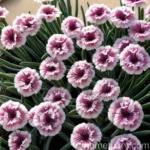
Hairy Rupturewort (Herniaria cinerea): A Fascinating Ground Cover Plant
Plants are an essential part of our environment, providing us with oxygen, food, and aesthetic beauty. They come in countless varieties, each with its unique characteristics and potential uses. In this blog post, we’ll take an in-depth look at the Hairy Rupturewort (Herniaria cinerea), a fascinating ground cover plant. We will explore its cultural needs, uses, care tips, and much more. Whether you’re a gardening enthusiast, a botany student, or simply someone interested in learning about this remarkable plant, this comprehensive guide will serve as a valuable resource for understanding and appreciating the Hairy Rupturewort.
What is Plant: Hairy Rupturewort (Herniaria cinerea)?
The Hairy Rupturewort, known scientifically as Herniaria cinerea, is a low-growing, perennial plant that belongs to the Caryophyllaceae family. It is native to southern Europe and North Africa and is well-known for its use as a ground cover due to its dense mat-forming growth habit. The plant’s small, hairy leaves and delicate flowers give it a charming and dainty appearance, making it an attractive choice for landscaping, rock gardens, and other ornamental uses.
Key Takeaways: Hairy Rupturewort (Herniaria cinerea)
Before delving into the details of cultivating and caring for the Hairy Rupturewort, let’s first outline the key takeaways that will be covered in this comprehensive guide:
- Cultural Information:
- Understanding the plant’s cultural requirements, including water, sunlight, fertilizer, and soil.
- Uses:
- Exploring the various uses of Herniaria cinerea, from landscaping to medicinal properties.
- Care and Maintenance:
- Tips for pruning, propagation, and maintenance to ensure the plant thrives.
- Container Gardening:
- Guidelines for growing Hairy Rupturewort in containers.
- Common Diseases and Pests:
- Identifying potential diseases and pests that may affect the plant.
- Botanist’s Tips:
- Expert insights and recommendations for successful cultivation.
- Fun Facts:
- Interesting and lesser-known facts about the Hairy Rupturewort.
Now, let’s dive into the specifics of cultivating and caring for this unique plant.
Cultural Information
Understanding the cultural requirements of the Hairy Rupturewort is crucial for its successful cultivation. From water and sunlight needs to soil and fertilizer preferences, each aspect plays a vital role in the plant’s overall health and vigor.
Water
Herniaria cinerea is a drought-tolerant plant once established, making it an excellent choice for regions with hot and dry climates. However, proper watering is essential, especially during the establishment phase and prolonged dry periods. Here are some key points to consider regarding the plant’s water requirements:
- Establishment Phase: During the initial planting and establishment period, ensure that the plant receives regular watering to support root development. This is particularly important for newly transplanted specimens.
- Mature Plants: Once established, Hairy Rupturewort generally thrives in dry to moderately moist soil. However, it’s essential to monitor its water needs, providing supplemental irrigation during extended periods of drought to prevent wilting and stress.
- Soil Moisture: While the plant is tolerant of dry conditions, excessively wet soil can lead to root rot and other issues. Therefore, it’s crucial to ensure well-draining soil to prevent waterlogging.
Sunlight
Herniaria cinerea typically prefers full to partial sunlight, thriving in well-lit locations with adequate exposure to sunlight. When selecting a planting site or positioning containers, consider the following sunlight requirements:
- Full Sun: While the plant can tolerate partial shade, it generally performs best when provided with full sunlight, receiving at least 6-8 hours of direct sunlight per day. This promotes healthy growth and encourages the development of flowers.
- Partial Shade: In regions with intense summer heat, providing partial shade during the hottest part of the day can benefit the plant, preventing excessive stress and sunburn of leaves.
Fertilizer
One of the appealing qualities of Hairy Rupturewort is its low-maintenance nature, often requiring minimal fertilization. However, providing some nutrient support can contribute to healthier and more robust growth. Consider the following tips for fertilizing Herniaria cinerea:
- Nutrient Requirements: The plant generally fares well in nutrient-poor soils, making it well-suited to rocky or sandy locations. Avoid overfertilization, as excessively rich soils can promote vigorous growth, potentially compromising the plant’s tidy and compact nature.
- Minimal Fertilization: If desired, a light application of a balanced, slow-release fertilizer in spring can provide some nutritional support. However, it’s essential to use a conservative approach to avoid stimulating excessive vegetative growth.
Soil
The type of soil in which the Hairy Rupturewort is planted significantly impacts its growth and overall health. Understanding the plant’s soil preferences is essential for creating an environment in which it can thrive:
- Well-Draining Soil: Herniaria cinerea prefers a well-draining, sandy or rocky soil mix. This is especially important to prevent waterlogging and root rot, as the plant is susceptible to issues caused by overly moist conditions.
- Soil pH: While the plant is adaptable to a range of soil pH levels, a slightly acidic to neutral pH (6.0-7.0) is generally ideal. Conducting a soil pH test can help determine if any amendments are needed to optimize growing conditions.
Pruning
Propagation
Container Gardening
Popular Components
Common Diseases_known medicinal properties_
Botanist’s Thoughts
Botanist’s tips Fun facts Links to External Resources
Conclusion
In conclusion, Herniaria cinerea, commonly known as Hairy Rupturewort, is a remarkable plant that offers not only aesthetic appeal but also practical uses in various landscapes and garden settings. Its versatility, adaptability, and minimal maintenance requirements make it an attractive choice for both experienced gardeners and beginners alike. By understanding its cultural needs, exploring its uses, and following the provided care guidelines, you can cultivate and enjoy the beauty of the Hairy Rupturewort while harnessing its potential benefits.
Whether you’re incorporating it as an ornamental ground cover, exploring its traditional medicinal properties, or simply seeking to add a touch of natural charm to your surroundings, the Hairy Rupturewort stands as a unique and valuable plant deserving of attention and appreciation.
References:
https://www.gardenia.net/plant/herniaria-herniaria-ciliata
https://www.missouribotanicalgarden.org/
https://plants.ces.ncsu.edu/plants/herniaria-glabra/