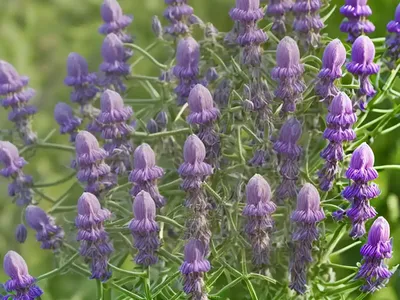
Hairy Medic (Medicago Monspeliaca)
Plants have always held a significant place in human society, providing food, medicine, shelter, and aesthetic enjoyment. Each plant species has its own.
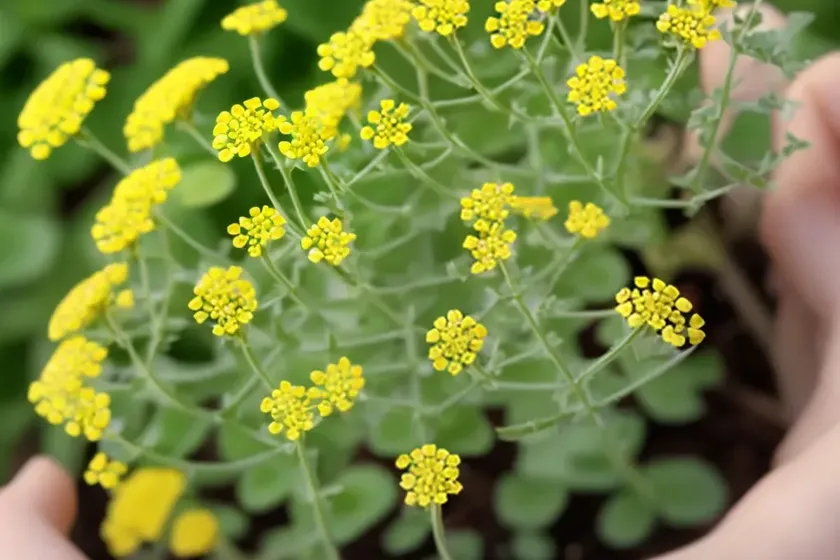
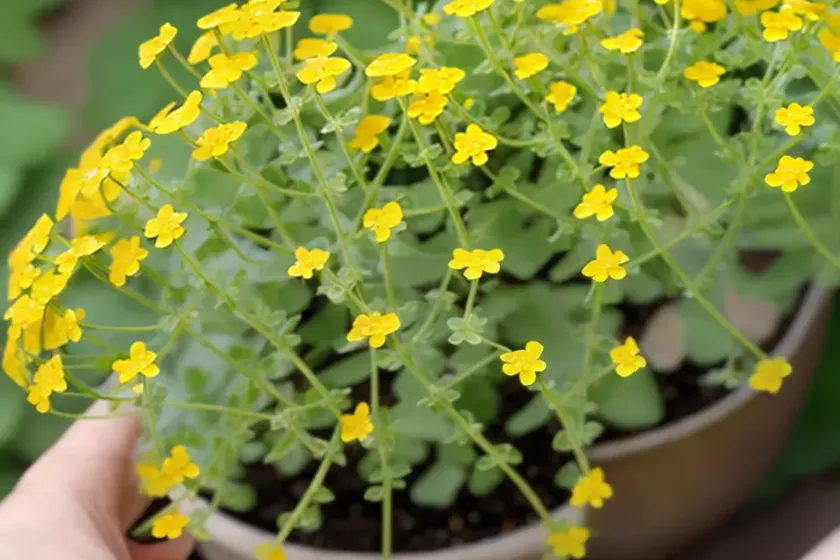
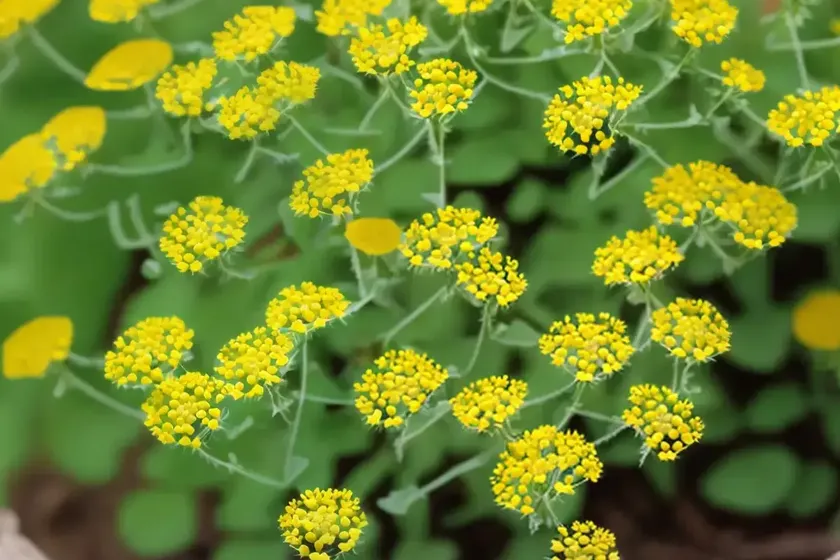
Plants have always held a significant place in human society, providing food, medicine, shelter, and aesthetic enjoyment. Each plant species has its own unique characteristics, uses, and requirements. In this article, we will delve into the captivating world of the Hairy Medic (Medicago monspeliaca), exploring its characteristics, uses, cultivation requirements, and much more. Join me on this botanical journey as we uncover the beauty and complexity of this remarkable plant.
What is the Hairy Medic (Medicago monspeliaca)?
The Hairy Medic (Medicago monspeliaca), also known as Hairy Burclover, is a species of annual or biennial herb in the pea family, Fabaceae. It is native to the Mediterranean region and has since naturalized in various parts of the world. This plant is well-known for its nitrogen-fixing abilities and its beneficial impacts on soil health.
Key Takeaways – Hairy Medic (Medicago monspeliaca)
Before we dive into the specifics of cultivating and caring for the Hairy Medic, let’s take a moment to highlight some key takeaways about this fascinating plant.
- Scientific Name: Medicago monspeliaca
- Common Names: Hairy Medic, Hairy Burclover
- Family: Fabaceae
- Plant Type: Annual or Biennial Herb
- Native Range: Mediterranean region
- Uses: Soil improvement, forage, traditional medicine
Now that we have a basic understanding of what the Hairy Medic is, let’s explore its cultivation, uses, and ecological significance.
Culture
Understanding the cultural requirements of the Hairy Medic is essential for successful cultivation. Let’s delve into the specific cultural needs of this intriguing plant.
Water
Hairy Medic is known for its adaptability to a range of water conditions, making it suitable for both dry and moderately moist environments. However, it thrives best in well-drained soil and should be watered regularly, especially during dry periods. Overwatering should be avoided to prevent root rot and other moisture-related issues.
Sunlight
As with many plants in the Fabaceae family, the Hairy Medic thrives in full sunlight. It is well-suited to open, sunny areas and may exhibit reduced vigor and flowering in shaded conditions.
Fertilizer
Due to its nitrogen-fixing abilities, the Hairy Medic has low to moderate fertilizer requirements. However, if grown in nutrient-poor soils, a balanced, general-purpose fertilizer can be applied during the growing season to support healthy growth and development.
Soil
This plant has an adaptable nature and can thrive in a variety of soil types, including sandy, loamy, and clay soils. However, it performs best in well-drained, moderately fertile soils. A slightly acidic to neutral soil pH range is optimal for Hairy Medic cultivation.
Pruning
Hairy Medic generally does not require extensive pruning. However, if excessive growth occurs or if it is being cultivated as a cover crop, mowing or grazing can help manage its growth and encourage bushier, more compact growth.
Propagation
The propagation of Hairy Medic can be achieved through both seed sowing and vegetative methods. Direct seeding into prepared seedbeds is a common approach, while the division of mature plants can also be utilized for propagation purposes.
Container Popularity
While Hairy Medic is primarily cultivated in fields and pastures, it can also thrive in containers, making it a versatile option for urban and small-space gardening. Its nitrogen-fixing abilities can also benefit container-grown vegetables and ornamental plants when used as a companion plant.
Uses
The Hairy Medic has a range of uses, from enhancing soil quality to providing forage and traditional medicinal benefits.
Soil Improvement
One of the key ecological roles of Hairy Medic is its ability to fix atmospheric nitrogen in the soil through a symbiotic relationship with nitrogen-fixing bacteria. This process enhances soil fertility and reduces the need for synthetic nitrogen fertilizers, making it an environmentally sustainable option for soil improvement.
Forage
In agricultural settings, Hairy Medic is utilized as a forage crop for livestock, providing valuable nutrition and a source of protein.
Traditional Medicine
In traditional medicine, various parts of the Hairy Medic plant have been used to address a range of health issues. It has been employed for its anti-inflammatory, diuretic, and wound-healing properties in different cultural contexts.
Common Diseases
While the Hairy Medic is relatively resilient, it may be susceptible to certain diseases and pests under unfavorable growing conditions.
Disease Diagnosis
The key to preventing and managing diseases in Hairy Medic is proper diagnosis and proactive management. Common diseases that can affect this plant include root rots, powdery mildew, and various leaf spot diseases. Regular monitoring and appropriate cultural practices can help mitigate these issues.
Common Pests
Pest pressures can vary depending on the specific growing conditions of the Hairy Medic, but some common pests to watch out for include aphids, caterpillars, and certain weevils. Integrated pest management strategies can help control pest populations while minimizing the use of chemical insecticides.
Botanist’s Tips
As a botanist, here are some valuable tips for cultivating and appreciating the Hairy Medic:
- Companion Planting: Consider incorporating Hairy Medic as a companion plant in vegetable gardens to benefit from its nitrogen-fixing abilities.
- Ecological Significance: Recognize the ecological importance of Hairy Medic in enhancing soil health and supporting diverse ecosystems.
- Traditional Knowledge: Explore the traditional uses and folklore surrounding Hairy Medic to gain a deeper appreciation of its cultural significance.
Fun Facts
Let’s uncover some intriguing and lesser-known facts about the Hairy Medic:
- The Hairy Medic is an early colonizer of disturbed sites, playing a role in ecological succession and soil restoration.
- Its distinctive trifoliate leaves and small, yellow flowers make it easily recognizable in the natural landscape.
- Hairy Medic is often used in cover crop mixtures due to its ability to fix nitrogen and enhance soil fertility.
Links to External Resources
For further exploration of the Hairy Medic and related topics, consider the following external resources:
- The European Medicines Agency – Herbal Medicinal Products
- USDA Plants Database – Medicago monspeliaca
- Australian Weeds – Hairy Medic
- Ethnobotany of Turkish People – Medicago spp.
- Plant Genome Resources – Medicago truncatula
By delving into these resources, you can deepen your understanding of the Hairy Medic and its broader botanical context.
In conclusion, the Hairy Medic (Medicago monspeliaca) stands as a remarkable plant with numerous ecological, agricultural, and medicinal attributes. From its nitrogen-fixing prowess to its role in traditional medicine, this plant offers a wealth of benefits and insights for plant enthusiasts, farmers, and researchers alike. As we continue to explore and appreciate the intricate web of botanical diversity, the Hairy Medic serves as a compelling example of the profound connections between plants and human well-being.