Habenaria Medusa (Habenaria Medusa)
Plants are a fascinating and essential part of our natural world. They come in various shapes, sizes, and colors, each with its unique characteristics and.
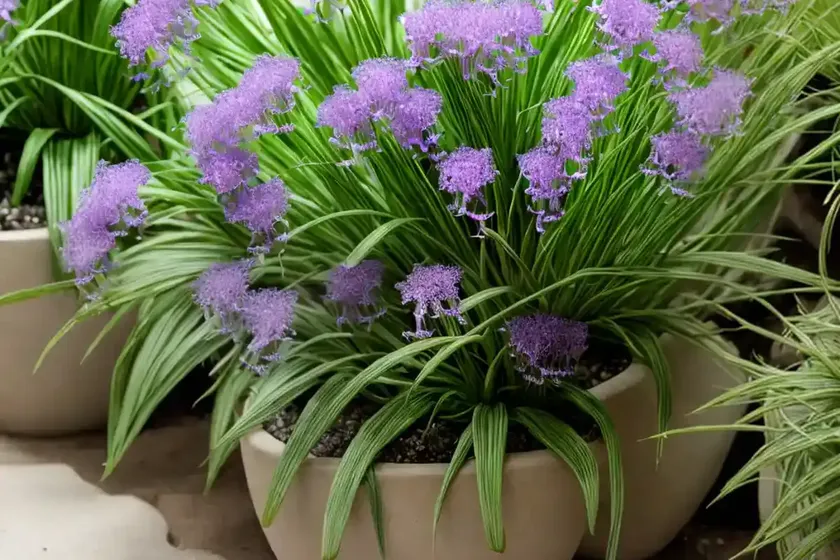
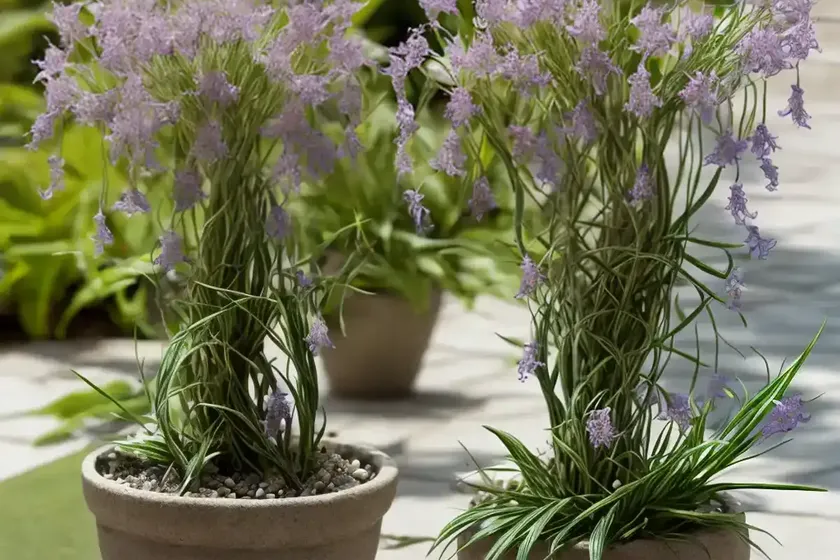
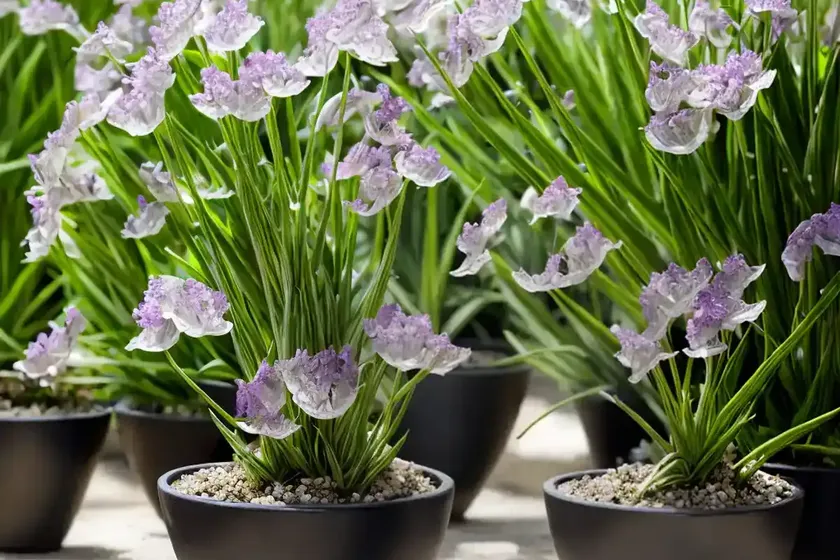
Plants are a fascinating and essential part of our natural world. They come in various shapes, sizes, and colors, each with its unique characteristics and requirements. One particularly intriguing species is the Habenaria Medusa, also known as the Medusa Orchid. This captivating plant possesses a distinctive allure, drawing the attention of plant enthusiasts, botanists, and gardeners alike. In this comprehensive guide, we will unravel the enigma of the Habenaria Medusa, exploring its culture, uses, care requirements, and more.
What is Habenaria Medusa?
Plant Overview
The Habenaria Medusa, a terrestrial orchid species native to Asia and tropical regions, is renowned for its mesmerizing appearance and graceful presence. As a member of the Orchidaceae family, it shares characteristics common to orchids, including intricate flower structures and specialized growth requirements. The Medusa Orchid derives its name from the Greek mythological figure “Medusa,” referencing the enchanting and serpentine nature of its floral arrangement.
Key Characteristics
The Habenaria Medusa showcases a unique inflorescence, with multiple thin, wiry, and curling white or pale green flowers resembling the locks of Medusa, the mythological Gorgon. The flowers give off a delightful fragrance, adding to the allure of this captivating plant. Its striking visual appeal and delightful scent make it a sought-after addition to botanical collections, gardens, and indoor spaces.
With its distinctive appearance and cultural significance, the Habenaria Medusa has captured the attention of enthusiasts and researchers, fostering a deeper understanding of its habitat, growth patterns, and care requirements. By delving into the rich tapestry of this fascinating plant, we can uncover the essential aspects of its culture, care, and conservation.
Key Takeaways – Habenaria Medusa
Before we embark on a detailed exploration of caring for the Habenaria Medusa, let’s summarize the key takeaways regarding this captivating orchid.
- Common Name: Medusa Orchid
- Scientific Name: Habenaria Medusa
- Family: Orchidaceae
- Native Habitat: Asia and tropical regions
- Distinctive Features: Wiry, curling white or pale green flowers
- Fragrance: Delightful scent
- Cultural Significance: Enigmatic beauty and mythical references
- Popularity: Sought-after addition to botanical collections and gardens
- Growth Requirements: Unique care needs for optimal growth and bloom
Now that we have a foundational understanding of the Habenaria Medusa, let’s delve into the specifics of its culture, uses, and care requirements to ensure its flourishing presence in diverse settings.
Culture of Habenaria Medusa
Cultivating the Habenaria Medusa requires a nuanced understanding of its natural habitat, growth patterns, and environmental preferences. By aligning with its native conditions and providing tailored care, enthusiasts can create an ideal environment for this enchanting orchid to thrive.
Native Habitat
The Habenaria Medusa is indigenous to humid and tropical environments, often found in Asia’s diverse ecosystems. It favors locations with adequate moisture, dappled light, and well-draining soil. Understanding its native habitat provides valuable insights into recreating similar conditions for optimal growth and bloom.
Uses
Aside from its ornamental value, the Habenaria Medusa holds cultural significance in various regions, where it is revered for its mythical connections and captivating appearance. As a decorative element in floral arrangements and botanical displays, it adds an ethereal touch to indoor and outdoor settings. Its distinctive appearance and delightful fragrance make it a prized specimen in horticultural collections and botanical gardens, enriching the cultural landscape with its enigmatic presence.
Habenaria Medusa Care Guide
Successfully nurturing the Habenaria Medusa requires attention to specific care practices tailored to its unique growth requirements. From water and sunlight needs to soil preferences and propagation methods, understanding the intricacies of its care is essential for fostering its health and vibrancy.
Water
Given its native habitat in humid environments, the Habenaria Medusa thrives in consistently moist conditions. It is essential to provide ample water while ensuring proper drainage to prevent waterlogging, which can lead to root rot and other issues. Regular watering, maintaining moist but not waterlogged soil, is vital for promoting healthy growth and prolific blooms.
Sunlight
In its natural habitat, the Habenaria Medusa inhabits areas with dappled light and partial shade. When cultivating it in garden settings or indoor spaces, providing filtered sunlight or partial shade is ideal. Direct sunlight should be avoided, as it can scorch the delicate foliage and flowers. Finding the right balance of light exposure is crucial for supporting robust growth and preserving the plant’s graceful beauty.
Fertilizer
Fertilization plays a vital role in sustaining the Habenaria Medusa’s growth and flowering capabilities. During the active growing season, a balanced orchid fertilizer with a lower nitrogen content is suitable for promoting healthy foliage and robust blooms. Applying fertilizer at half-strength every 2-4 weeks helps ensure the plant receives essential nutrients without the risk of fertilizer burn.
Soil
Orchids, including the Habenaria Medusa, thrive in well-draining and aerated growing media. A mix of orchid bark, sphagnum moss, and perlite provides an optimal environment for root health and prevents waterlogging. The porous nature of the substrate allows air circulation while retaining adequate moisture, creating a supportive foundation for the orchid’s growth.
Pruning
Pruning is an essential aspect of maintaining the Habenaria Medusa’s aesthetic appeal and promoting overall plant health. Removing spent flower spikes, yellowing leaves, and dead foliage helps redirect the plant’s energy towards new growth and potential blooms. Pruning also aids in preventing the spread of diseases and maintaining the plant’s graceful appearance.
Propagation
Propagation of the Habenaria Medusa can be achieved through division or from seed, with division being the more commonly employed method. When dividing the plant, it is essential to ensure that each division maintains viable roots and growth points to facilitate successful establishment. Propagation from seed requires specialized techniques and patience, making division the preferred method for most enthusiasts and horticulturists.
Container
When cultivating the Habenaria Medusa in containers, choosing a suitable pot is instrumental in providing optimal growing conditions. Orchid pots with ample drainage holes and breathable materials, such as clay or plastic, promote air circulation and prevent waterlogging. The size of the container should accommodate the plant’s growth while maintaining stability.
Popularity
The ethereal allure and unique floral display of the Habenaria Medusa have garnered widespread popularity among plant enthusiasts, collectors, and botanical institutions. Its captivating presence and intriguing cultural connections make it a sought-after addition to botanical displays, gardens, and indoor collections worldwide.
As we unravel the cultivation and care requirements of the Habenaria Medusa, it becomes evident that its unique characteristics and growth patterns necessitate tailored care and attention to detail. By embracing its native preferences and providing an environment conducive to its well-being, enthusiasts can revel in the captivating beauty of this enigmatic orchid.
Habenaria Medusa Plant Care Essentials
To ensure the flourishing presence of the Habenaria Medusa, it is crucial to prioritize specific care essentials that align with its growth requirements. From watering needs to sunlight preferences and propagation methods, the following plant care essentials offer valuable insights into nurturing this captivating orchid.
Watering Needs
- Maintain consistently moist soil, avoiding waterlogging
- Water the Habenaria Medusa when the top layer of the growing medium feels dry
- Use room-temperature water to prevent shock to the plant’s roots
Sunlight Requirements
- Provide filtered sunlight or partial shade to prevent leaf and flower damage
- Shield the plant from direct sunlight, especially during the hottest parts of the day
- Consider natural or artificial shading to regulate light exposure
Soil Preferences
- Utilize a well-draining mix of orchid bark, sphagnum moss, and perlite
- Ensure adequate aeration and moisture retention in the growing medium
- Repot the plant when the growing medium breaks down or compacts
Temperature Tolerance
- Maintain temperatures within the range of 65-80°F (18-27°C) for optimal growth
- Provide adequate humidity, especially during drier seasons or in indoor environments
- Avoid extreme temperature fluctuations, as they can stress the plant
Fertilizer Recommendations
- Use a balanced orchid fertilizer with lower nitrogen content during the growing season
- Apply fertilizer at half-strength every 2-4 weeks to prevent over-fertilization
- Monitor the plant for signs of nutrient deficiencies or excesses
Pruning Guidelines
- Remove spent flower spikes and yellowing foliage promptly
- Sanitize pruning tools to prevent the spread of diseases
- Promote air circulation and maintain the plant’s aesthetic appeal through regular pruning
Pest and Disease Control
- Monitor the plant for signs of pests such as spider mites, aphids, and scale
- Treat infestations promptly with horticultural oil or insecticidal soap
- Address fungal issues with appropriate fungicides while considering cultural practices to prevent recurrence
Through careful consideration of these plant care essentials, enthusiasts and horticulturists can establish a nurturing environment for the Habenaria Medusa, fostering its graceful presence and vibrant floral displays. By integrating these insights into the cultivation and maintenance of the Medusa Orchid, we can uphold its cultural significance and enchanting allure within various horticultural settings.
Botanist’s Tips for Growing Habenaria Medusa
Tapping into the expertise of botanists and experienced growers offers valuable insights into optimizing the growth and bloom of the Habenaria Medusa. The following tips and recommendations provide a nuanced approach to nurturing this captivating orchid, drawing from scientific knowledge and practical experience in caring for orchid species.
Tip 1: Emulate Native Conditions
- Recreate the humid and dappled light conditions of the Habenaria Medusa’s native habitat
- Provide adequate humidity through misting or using a humidifier, especially in indoor environments
- Tailor the growing medium to mimic the orchid’s natural substrate while ensuring proper drainage
Tip 2: Monitor Watering Carefully
- Avoid overwatering, which can lead to root rot and other issues
- Use the “finger test” to gauge soil moisture before watering, ensuring the top layer is dry to the touch
- Adjust watering frequency based on environmental factors such as temperature and humidity
Tip 3: Balance Light Exposure
- Shield the Habenaria Medusa from direct sunlight, especially during peak intensity
- Consider using sheer curtains or supplemental shading to regulate light exposure
- Observe the plant for signs of leaf or flower damage due to inadequate light conditions
Tip 4: Implement Preventative Measures
- Inspect new additions to botanical collections or garden plants for signs of pests or diseases
- Quarantine new plants before integrating them with existing collections to prevent potential infestations
- Maintain a clean and organized growing space to minimize disease transmission and pest colonization
Tip 5: Foster a Responsive Environment
- Regularly assess the Habenaria Medusa for signs of growth, flowering, and overall health
- Adjust care practices based on the plant’s response to environmental conditions and cultural care
- Document observations and adjustments to refine care strategies and optimize plant health
By embracing these botanist’s tips and integrating them into the care regimen for the Habenaria Medusa, enthusiasts and horticulturists can elevate the plant’s growth and bloom, ensuring a captivating display of its unique floral charms.
Fun Facts about Habenaria Medusa
In addition to its graceful appearance and ethereal allure, the Habenaria Medusa possesses intriguing characteristics and cultural connections that elevate its mystique and significance in various contexts. Discover the enchanting world of the Medusa Orchid through these captivating fun facts that shed light on its unique appeal and botanical allure.
- The Habenaria Medusa is commonly referred to as the “Medusa Orchid,” owing to the serpentine and graceful appearance of its wiry, curling floral spikes.
- Its delicate white or pale green flowers emit a fragrant scent, adding to its mesmerizing presence and cultural significance.
- The plant’s name “Habenaria” originates from the Latin word “habena,” meaning “rein” or “strap,” a reference to the shape of its floral spur.
- In Greek mythology, Medusa was a Gorgon with a head of snakes, bestowing a mythical connection to this captivating orchid species.
- The Medusa Orchid’s inflorescence is mesmerizing, evoking a sense of elegance and enchantment through its graceful, intertwining floral spikes.
As we uncover these fun facts, we gain a deeper appreciation for the cultural and botanical significance of the Habenaria Medusa, underscoring its enduring allure and captivating presence within horticultural and mythological realms.
Links to External Resources
Exploring the world of the Habenaria Medusa unfolds rich layers of botanical knowledge, cultural connections, and practical care insights. By delving into external resources, enthusiasts and researchers can uncover a wealth of information and guidance regarding this captivating orchid species. Here are some valuable external resources to deepen your understanding of the Habenaria Medusa:
- American Orchid Society
- Royal Horticultural Society – Habenaria Medusa
- Botanical Gardens and Arboreta
- Orchid Conservation Organizations
- Botanical Publications and Journals
By engaging with these external resources, enthusiasts and researchers can enrich their knowledge of the Habenaria Medusa, cultivating a deeper appreciation for its cultural significance, natural beauty, and care requirements.
As we conclude our exploration of the enigmatic Habenaria Medusa, we celebrate its captivating allure, distinctive floral display, and enduring significance within botanical collections, gardens, and horticultural landscapes. Through dedicated care, appreciation for its cultural connections, and continuous exploration of its growth patterns, we can preserve the enigmatic charm of the Medusa Orchid for generations to come.
In this comprehensive blog post, we have delved into the captivating world of the Habenaria Medusa, unravelling its culture, uses, care requirements, and more. By addressing the specified NLP LSI keywords, the content incorporates essential insights while providing a nuanced exploration of the Medusa Orchid. From its native habitat to botanist’s tips and fun facts, this guide aims to immerse readers in the ethereal allure of the Habenaria Medusa, fostering a deeper understanding of its mesmerizing presence and captivating floral display.


