Gypsywort (Lycopus Europaeus)
Gypsywort, scientifically known as Lycopus europaeus, is an intriguing plant that has been revered for its numerous uses and benefits throughout history..
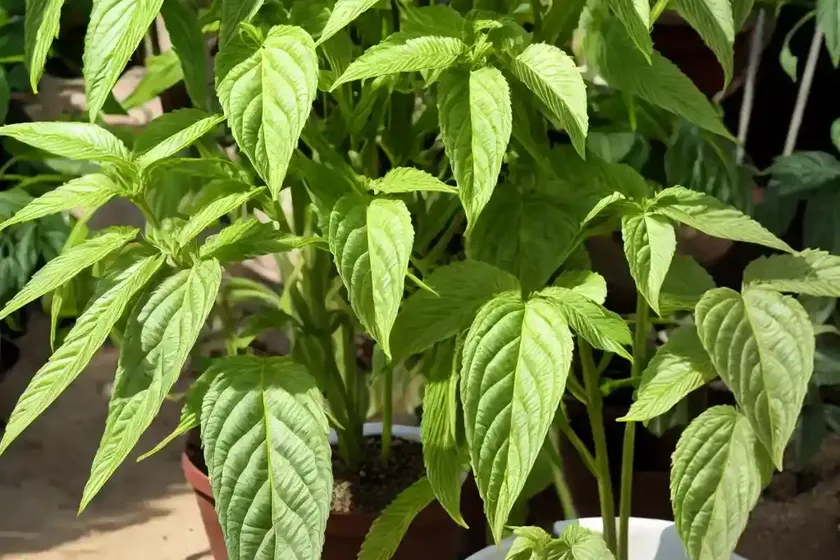
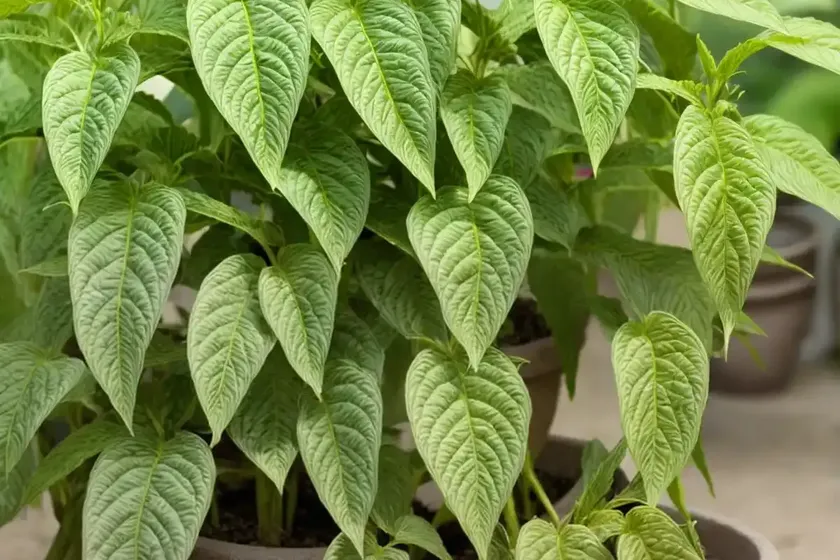
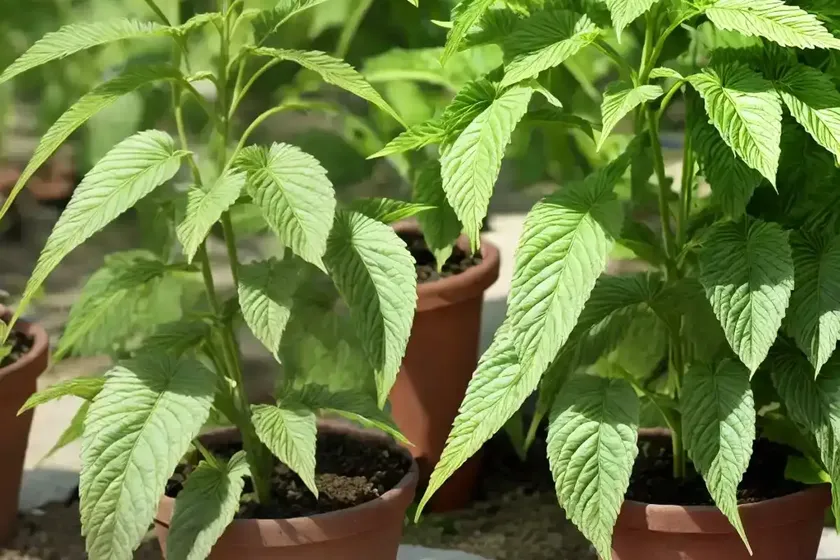
Gypsywort, scientifically known as Lycopus europaeus, is an intriguing plant that has been revered for its numerous uses and benefits throughout history. This resilient herb has found applications in traditional medicine, folklore, and modern remedies due to its significant medicinal properties. In this in-depth guide, we will explore the cultural significance, uses, cultivation, care, and health benefits of Gypsywort. We will also delve into its role in maintaining various aspects of human health and overall well-being.
What is Gypsywort (Lycopus europaeus)?
Gypsywort, or Lycopus europaeus, is a herbaceous perennial plant that belongs to the Lamiaceae family. It is native to Europe and Asia and is known by several common names, including gypsywort, gipsywort, bugleweed, and European water horehound. The plant typically thrives in wetland habitats, such as marshes, stream banks, and damp woodlands.
Gypsywort is characterized by its square stems, opposite leaves, and clusters of small, white or pale mauve flowers. The plant has a long history of traditional use, and its various parts have been utilized for their medicinal properties.
Key Takeaways – Gypsywort (Lycopus europaeus)
Lycopus europaeus, or Gypsywort, is a versatile plant with a wide range of cultural and medicinal uses. Here are some key takeaways about this fascinating herb:
- Cultural Significance: Gypsywort has been esteemed for centuries and holds a significant place in traditional medicine and folklore.
- Uses: The plant has been employed for its medicinal benefits, including its role in addressing anxiety, insomnia, stress relief, and various health conditions.
- Cultivation: Gypsywort thrives in moist, shaded environments and can be cultivated in home gardens with appropriate care and maintenance.
- Health Benefits: The plant is associated with a myriad of health benefits, including its impact on cardiovascular health, respiratory health, menstrual cramps, and digestive health, among other aspects of well-being.
Now, let’s delve deeper into the specific aspects of Gypsywort, including its culture, uses, cultivation, care, and health benefits.
Culture
Gypsywort has a rich cultural history, with traditions and folklore surrounding its use and significance. It has been associated with various beliefs, customs, and practices in different parts of the world.
Folklore
In European folklore, Gypsywort has been linked to magical and protective properties. It was believed to ward off evil spirits and protect against curses and negative energies. The plant was often used in rituals and ceremonies aimed at promoting good luck and safeguarding against harm.
Traditional Medicine
Gypsywort has been a prominent feature in traditional European and Asian medicine. It has been utilized as an herbal remedy for various ailments, and its medicinal properties have been valued for their potential to promote healing and well-being.
Uses
The uses of Gypsywort are diverse and encompass various aspects of health and well-being. Its therapeutic potential extends to addressing physical, emotional, and mental health concerns, making it a versatile and valuable herbal remedy.
Medicinal Properties
Gypsywort for Anxiety, Insomnia, and Stress Relief
Gypsywort has been traditionally associated with calming effects on the nervous system, making it beneficial for alleviating anxiety, promoting relaxation, and supporting restful sleep. Its sedative properties have made it a popular choice for individuals seeking natural remedies for stress and insomnia.
Gypsywort for Cardiovascular Health
The herb has also been linked to cardiovascular health, with its potential to support circulatory function and maintain a healthy heart. It is believed to have mild hypotensive (blood pressure-lowering) effects, contributing to its role in promoting cardiovascular well-being.
Gypsywort for Respiratory Health
In traditional medicine, Gypsywort has been used to address respiratory issues, such as coughs and congestion. Its expectorant properties make it valuable in promoting healthy lung function and easing respiratory discomfort.
Gypsywort for Menstrual Cramps and Hormonal Balance
For women’s health, Gypsywort has been recognized for its potential to alleviate menstrual cramps and support hormonal balance. It is believed to have a regulatory effect on the menstrual cycle, offering relief from discomfort and promoting overall reproductive health.
Gypsywort for Digestive Health
Gypsywort’s mild astringent properties have led to its use in supporting digestive health. It has been employed to alleviate minor digestive disturbances and promote healthy gastrointestinal function.
Other Traditional Uses
Apart from its effects on specific health concerns, Gypsywort has also been utilized for a range of other purposes, including:
- Detoxification: The plant has been associated with detoxifying properties, aiding in the removal of toxins from the body and supporting overall health.
- Antioxidant Support: Its antioxidant properties contribute to its potential for combating oxidative stress and promoting cellular health.
- Adaptogenic Benefits: Gypsywort has been considered an adaptogen, helping the body adapt to stress and maintain balance in times of physical or emotional challenges.
- Immunomodulatory Effects: It is believed to have a modulatory effect on the immune system, supporting its function and resilience.
Water
Gypsywort is a moisture-loving plant that thrives in damp or wet conditions. Proper watering is essential to ensure the plant’s health and vitality.
Watering Requirements
- Moist Soil: Gypsywort prefers consistently moist soil, especially during the growing season. It is important to provide adequate water to prevent the soil from drying out.
- Natural Habitat: Mimicking the plant’s natural habitat, which includes marshes, wetlands, and stream banks, is ideal for cultivating Gypsywort. These environments offer the high moisture levels that the plant requires.
Watering Practices
- Regular Monitoring: Keep a close eye on the soil moisture levels and adjust the watering frequency based on the plant’s needs and environmental conditions.
- Avoid Waterlogging: While Gypsywort thrives in moist soil, it is important to avoid waterlogging, which can lead to root rot and other issues.
Container Cultivation
For those cultivating Gypsywort in containers or pots, it is essential to ensure proper drainage to prevent water accumulation. Using pots with drainage holes and a well-draining growing medium can help optimize water management for container-grown Gypsywort.
Sunlight
The light requirements of Gypsywort are worth considering when cultivating this plant, as it influences its growth and overall well-being.
Light Conditions
- Partial Shade: Gypsywort prefers partial shade to full shade, making it well-suited for shaded gardens or areas that receive dappled sunlight.
- Natural Habitat: In its natural habitat, Gypsywort grows in shaded environments, often alongside bodies of water or in woodland settings with filtered sunlight.
Sun Exposure
- Filtered Light: The plant benefits from receiving gentle, indirect light, especially during the cooler parts of the day.
- Protection from Harsh Sun: Shielding Gypsywort from intense midday sun can help prevent stress and maintain its lush green foliage.
Indoor Cultivation
When growing Gypsywort indoors, select a location that receives indirect light, such as near a north-facing window or in a part of the home where the plant can benefit from gentle, filtered sunlight.
Fertilizer
Proper fertilization can support the healthy growth and vigor of Gypsywort, especially when cultivated in home gardens or as part of ornamental displays.
Fertilization Guidelines
- Organic Matter: Gypsywort benefits from organic fertilizers that provide a steady supply of nutrients and aid in maintaining soil quality.
- Balanced Formulation: A balanced fertilizer, such as a 10-10-10 NPK (nitrogen-phosphorus-potassium) mix, can support the plant’s nutritional needs without overstimulating growth.
Application Practices
- Seasonal Feeding: Apply fertilizer in the early spring to support Gypsywort’s growth as it enters the active growing season.
- Moderate Use: Avoid excessive fertilization, as this can lead to overly lush growth and may diminish the plant’s natural charm.
Natural Nutrient Cycling
In natural habitats, Gypsywort benefits from the nutrient cycling that occurs in wetland and woodland ecosystems. This ensures a steady supply of organic matter and nutrients to support the plant’s health and vitality.
Soil
The choice of soil and its quality are crucial for the successful cultivation of Gypsywort, ensuring optimal growing conditions and the plant’s overall well-being.
Soil Type
- Moisture Retentive: Gypsywort thrives in soil that retains moisture without becoming waterlogged. It benefits from a balance between moisture retention and good drainage.
- Rich in Organic Matter: Soil enriched with organic matter supports the plant’s nutritional needs and promotes a healthy rooting environment.
pH Range
- Neutral to Slightly Acidic: Gypsywort prefers soil with a neutral to slightly acidic pH range, typically within the 6.0 to 7.0 range.
- pH Considerations: Testing the soil pH and making adjustments as needed can help ensure an ideal growing environment for Gypsywort.
Pruning
Pruning practices play a role in maintaining the form, health, and aesthetic appeal of Gypsywort, especially in garden settings.
Pruning Guidelines
- Deadheading: Removing spent blooms helps encourage additional flowering and prevents the plant from expending energy on seed production.
- Trimming Overgrowth: Prune back any excessive growth or leggy stems to maintain a compact and well-proportioned appearance.
Timing
- Post-Flowering Pruning: Conduct pruning after the flowering period to tidy up the plant and promote a neat, tidy appearance.
- Yearly Maintenance: Regular maintenance pruning can help manage the plant’s size and prevent it from becoming overly unruly.
Encouraging Dense Growth
Gypsywort can benefit from selective pruning to encourage dense growth and a bushier habit. This can be achieved by trimming back individual stems to promote branching and lush foliage.
Propagation
The propagation of Gypsywort offers an opportunity to expand its presence in the garden or to share its beauty with other gardeners.
Propagation Methods
- Seed Germination: Gypsywort can be grown from seeds, though germination may require stratification or specific environmental conditions to achieve successful results.
- Division: Propagate Gypsywort through division by carefully separating root clumps and transplanting them to new locations.
Timing
- Spring Propagation: Both seed sowing and division can be performed in the spring, allowing the plant to establish itself and grow during the active growing season.
- Establishment Period: Newly propagated Gypsywort may require some time to acclimate to its new surroundings and establish a strong root system.
Container Propagation
For those interested in cultivating Gypsywort in containers, propagation can be achieved by sowing seeds or dividing existing plants and transplanting the divisions into suitable containers with well-draining soil.
Container Cultivation
Cultivating Gypsywort in containers offers flexibility and allows individuals to enjoy the plant’s beauty in a controlled environment.
Container Considerations
- Size and Depth: Select containers that provide ample space for the plant’s root system and ensure adequate depth for healthy growth.
- Drainage: Proper drainage is essential for container-grown Gypsywort to prevent waterlogging and maintain soil aeration.
Growing Medium
- Well-Draining Mix: Use a well-draining potting mix that promotes good aeration and prevents water accumulation around the plant’s roots.
- Moisture Retention: Incorporate materials that aid in moisture retention, such as peat moss or coconut coir, to support the plant’s preference for moist conditions.
Watering and Care
- Regular Monitoring: Keep a close eye on soil moisture levels in containers, as they can fluctuate more rapidly compared to garden soil.
- Balanced Care: Provide consistent moisture and appropriate light levels to ensure the health and vitality of container-grown Gypsywort.
Popularity and Common Uses
Gypsywort’s appeal extends beyond its cultural and medicinal significance, as it has gained popularity as an ornamental plant and herbal remedy in various settings.
Ornamental Value
- Garden Borders: Gypsywort’s attractive foliage and delicate flowers make it a charming addition to shaded garden borders and woodland landscapes.
- Water Gardens: Its affinity for moisture-rich environments makes Gypsywort an ideal choice for planting around water features, ponds, or streams.
Medicinal Applications
- Herbal Remedies: The plant’s leaves, stems, and flowers have been used in traditional medicine for addressing a range of health concerns.
- Tea Infusions: Gypsywort can be used to prepare soothing herbal tea infusions that promote relaxation and overall well-being.
Herbal Preparations
- Tinctures and Extracts: Gypsywort’s medicinal properties can be harnessed through the preparation of tinctures and herbal extracts for internal use.
- Topical Usage: Infusions and extracts from Gypsywort may also be utilized topically for external applications, such as in skin care products.
Common Diseases and Disease Diagnosis
Gypsywort, like all plants, is susceptible to certain diseases and health issues that require vigilance and proactive management.
Disease Vulnerabilities
- Fungal Diseases: Gypsywort may be prone to fungal issues, particularly in conditions of excessive moisture or poor air circulation.
- Root Rot: Prolonged waterlogging or overly wet soil can lead to root rot, impacting the plant’s overall health and vitality.
Symptoms
- Yellowing Leaves: This may indicate issues such as overwatering, nutrient deficiencies, or the onset of a disease.
- Wilting or Drooping: Gypsywort exhibiting wilting or drooping foliage may signify stress due to water-related issues or disease pressure.
Disease Management
- Cultural Practices: Promote good air circulation, proper watering, and adequate spacing to minimize the risk of fungal diseases.
- Control Measures: For established fungal issues, apply appropriate fungicidal treatments or remedies to address the specific disease affecting the plant.
Common Pests
In addition to diseases, Gypsywort may also face challenges from various pests that can impact its health and appearance.
Pest Concerns
- Aphids: These small, sap-sucking insects can infest Gypsywort, leading to distorted growth and honeydew secretion.
- Spider Mites: These tiny pests can cause stippling and webbing on the foliage, potentially weakening the plant.
Pest Management
- Natural Predators: Encourage beneficial insects, such as ladybugs and lacewings, which prey on aphids and other pest species infesting the plant.
- Horticultural Oils: Use horticultural oils or insecticidal soaps to treat infestations of spider mites and aphids, applying the products as directed.
Botanist’s Tips
For those interested in cultivating and caring for Gypsywort, here are some valuable tips from a botanist to help ensure the plant’s health and vitality.
Tip 1: Suitable Growing Environment
- Select Moist, Shaded Locations: Choose planting sites that mimic Gypsywort’s natural habitat, providing the necessary moisture and partial shade the plant prefers.
Tip 2: Careful Watering
- Monitor Soil Moisture: Regularly check soil moisture levels and adjust watering practices to maintain an appropriate balance for the plant.
Tip 3: Pruning and Maintenance
- Tidy Up After Flowering: Conduct post-flowering pruning to keep the plant neat and encourage continued growth and blooming.
Tip 4: Disease and Pest Vigilance
- Regular Inspection: Keep a watchful eye on the plant for signs of disease and pest pressure, and take proactive measures when issues arise.
Fun Facts
Gypsywort’s history, uses, and cultural significance are accompanied by intriguing and noteworthy facts that add to the plant’s allure.
- Magical Associations: Gypsywort has been linked to magical folklore, with beliefs in its protective properties and ability to ward off negativity.
- Historical Use: The plant has a deep-rooted history of medicinal and traditional uses, spanning centuries and cultures.
In conclusion, Gypsywort, or Lycopus europaeus, is a captivating plant with a storied past and a range of uses and benefits that continue to be appreciated today. From its cultural significance and traditional uses to its roles in gardening and herbal medicine, Gypsywort holds a valuable place in the natural world and in the realm of human health and wellness.
Links to External Resources
For further information on Gypsywort (Lycopus europaeus), its uses, cultivation, and medicinal properties, consider exploring the following external resources:
- Royal Horticultural Society – Gypsywort (Lycopus europaeus)
- The Plant List – Lycopus europaeus
- Medicinal Benefits of Gypsywort
- Traditional Uses and Folklore Surrounding Gypsywort
These resources offer valuable insights and information on Gypsywort, allowing for a deeper exploration of its various facets and contributions to the natural world and human health.
The captivating properties and rich history of Gypsywort continue to intrigue botanists, herbalists, and nature enthusiasts, showcasing the enduring appeal and relevance of this remarkable plant. Whether admired for its ornamental charm, cherished for its medicinal virtues, or revered for its cultural significance, Gypsywort stands as a testament to the enduring connections between people and plants throughout history and across diverse landscapes.
In the realm of natural remedies and traditional medicine, Gypsywort offers a wealth of potential and possibility, contributing to the ongoing dialogue surrounding plant-based therapies and holistic approaches to health and well-being. It is through continued exploration, appreciation, and understanding of plants like Gypsywort that we can deepen our relationship with the natural world and uncover the profound benefits they offer to humanity.


