Ground-pine (Lycopodium Obscurum)
Plants are an essential aspect of our environment, providing numerous benefits and playing a crucial role in the balance of ecosystems. Among the diverse.
Plants are an essential aspect of our environment, providing numerous benefits and playing a crucial role in the balance of ecosystems. Among the diverse array of plant species, the Ground-pine, scientifically known as Lycopodium obscurum, stands out as a unique and fascinating plant. This comprehensive guide aims to explore the various facets of this intriguing plant, including its characteristics, cultivation, uses, ecological significance, and much more.
What is Ground-pine (Lycopodium Obscurum)?
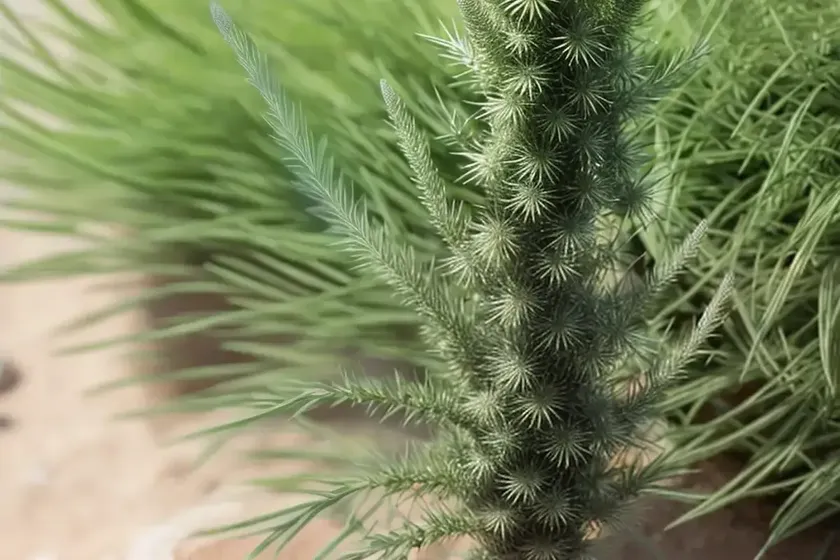
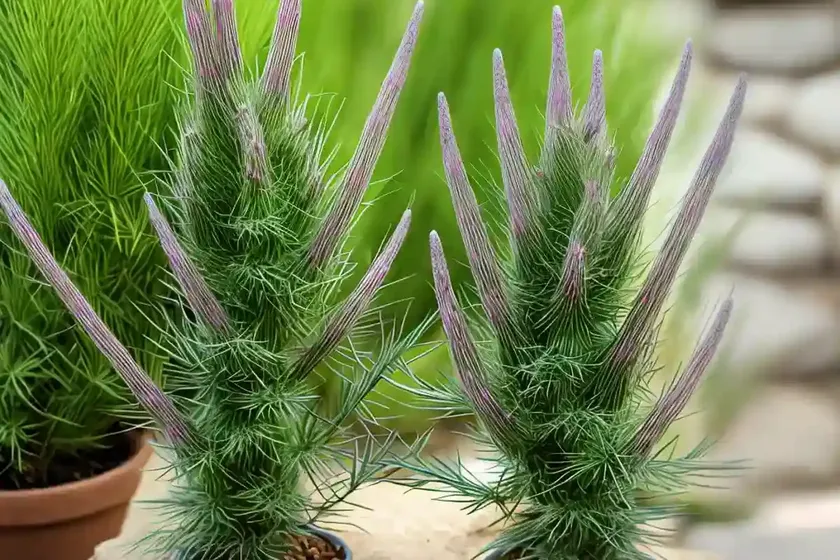
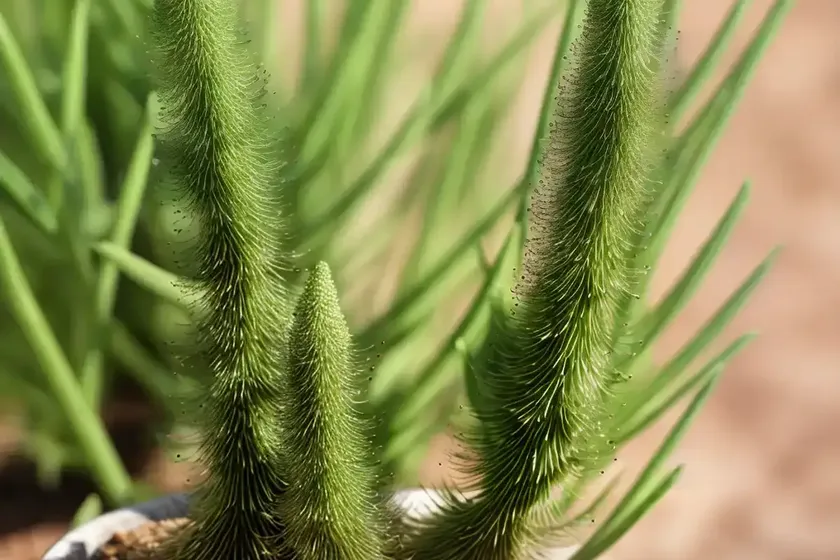
Ground-pine (Lycopodium obscurum) is a type of clubmoss, belonging to the Lycopodiaceae family. Contrary to its name, Ground-pine is not related to pine trees but instead resembles a miniature evergreen fern. It is a perennial plant that thrives in moist, shady conditions and is commonly found in woodlands, particularly in North America and Europe. The plant’s unique appearance, with rigid, needle-like leaves arranged in whorls and a creeping, branching stem, makes it an intriguing addition to natural landscapes and gardens.
Key Takeaways – Ground-pine (Lycopodium Obscurum)
Before delving into the detailed aspects of Ground-pine (Lycopodium obscurum), let’s highlight some key takeaways about this distinctive plant:
- Scientific Name: Lycopodium obscurum
- Family: Lycopodiaceae
- Common Names: Ground-pine, Princess Pine, Tree Clubmoss
- Habitat: Moist, shaded woodlands
- Characteristics: Evergreen, needle-like leaves; creeping, branching stems
- Uses: Ornamental plant, medicinal purposes, ecological significance
- Cultivation: Shaded areas with moist, well-drained soil
- Conservation Status: Not listed as endangered, but conservation efforts are essential due to habitat loss
- Unique Traits: Production of spores for reproduction; adaptation to shady environments
Now, let’s explore the various aspects related to the Ground-pine plant, including its culture, uses, care requirements, propagation, common diseases, and more.
Culture
Habitat Requirements
Ground-pine (Lycopodium obscurum) has specific habitat requirements for optimal growth and development. Understanding its natural habitat can provide valuable insights for its cultivation and care. The plant is commonly found in:
- Moist Woodlands: Ground-pine thrives in woodlands characterized by moist, well-drained soil and ample shade. It often grows near streams or in areas with high humidity levels.
- Shaded Environments: Due to its adaptation to shaded conditions, Ground-pine is particularly suited for areas with limited direct sunlight, making it an excellent choice for shaded gardens and landscapes.
Native American Uses
Historically, Native American tribes utilized Ground-pine for various purposes, ranging from medicinal applications to ceremonial uses. The plant’s cultural significance and traditional uses reflect its enduring importance in indigenous communities.
- Medicinal Applications: Certain Native American tribes used extracts of Ground-pine for medicinal purposes, including treatments for skin conditions and minor wounds.
- Ceremonial Symbolism: Ground-pine held symbolic importance in tribal ceremonies, representing resilience, strength, and the connection to nature.
Environmental Significance
Ground-pine plays a significant ecological role in woodland ecosystems, contributing to biodiversity and ecosystem functions. Its presence influences:
- Soil Stability: The creeping, branching nature of Ground-pine contributes to soil stabilization, particularly in sloped or disturbed areas within woodlands.
- Habitat for Wildlife: The dense foliage of Ground-pine provides cover and habitat for small wildlife species, contributing to overall biodiversity within woodland environments.
Conservation Efforts
While Ground-pine is not currently listed as endangered, conservation efforts are crucial due to habitat loss and potential threats to its natural environment. Collaborative initiatives focusing on habitat preservation and restoration are essential for ensuring the long-term survival of this unique plant species.
Uses
Ornamental Plant
Ground-pine (Lycopodium obscurum) has gained popularity as an ornamental plant, valued for its unique appearance and suitability for shaded landscapes. Its uses in ornamental gardening include:
- Shaded Gardens: Ground-pine is well-suited for shaded gardens, adding texture and visual interest to landscapes with limited sunlight.
- Container Gardens: Due to its compact growth habit, Ground-pine thrives in container gardens, providing an evergreen element to patio spaces and shaded areas.
Medicinal Properties
The medicinal properties of Ground-pine have been recognized in traditional herbal medicine, with the plant’s various constituents offering potential health benefits. Some of these properties include:
- Anti-inflammatory Effects: Certain compounds found in Ground-pine may have anti-inflammatory properties, making it a potential candidate for natural remedies for inflammatory conditions.
- Wound Healing: Traditional uses of Ground-pine in wound healing and skin care highlight its historical relevance in herbal medicine practices.
Symbolism and Folklore
Ground-pine holds symbolic significance in various cultural contexts and folklore, embodying meanings related to resilience, adaptability, and the natural world. In folklore and symbolic interpretations:
- Resilience: The plant’s ability to thrive in shaded, understory environments is often associated with resilience and tenacity, symbolizing strength in adversity.
- Connection to Nature: Ground-pine’s presence in woodlands and its adaptation to natural environments symbolizes a deep connection to the natural world, inspiring traditions and folklore related to nature.
Plant Care
Water
Proper watering is vital for the successful cultivation of Ground-pine, ensuring that the plant’s moisture requirements are met without causing waterlogged conditions. Key considerations for watering:
- Moist, Well-Drained Soil: Ground-pine thrives in consistently moist, well-drained soil, mimicking its natural woodland habitat. Avoid waterlogging the soil, which can lead to root rot and other issues.
- Regular Monitoring: Monitor the soil moisture levels, particularly during dry periods, and adjust watering frequency to maintain adequate moisture without saturating the soil.
Sunlight
Ground-pine’s preference for shaded environments makes it well-suited for areas with limited direct sunlight. Understanding its sunlight requirements is essential for its successful growth:
- Shaded Locations: Place Ground-pine in shaded areas, such as under tree canopies or in garden spaces with limited direct sunlight exposure.
- Avoiding Harsh Sunlight: Direct sunlight can cause leaf scorch and heat stress for Ground-pine, so it’s crucial to protect the plant from intense sun exposure.
Fertilizer
Feeding Ground-pine with appropriate fertilizers can support its growth and vigor, providing essential nutrients for its development. Considerations for fertilizing the plant include:
- Organic Matter: Incorporate organic matter, such as compost or well-rotted manure, into the soil to enhance its nutrient content and create a favorable growing environment for Ground-pine.
- Balanced Fertilizer: Use a balanced, slow-release fertilizer, applying it in early spring to support the plant’s growth without promoting excessive leaf development.
Soil
Ground-pine’s soil requirements are closely tied to its natural woodland habitat, emphasizing the importance of suitable soil conditions for its cultivation:
- Moisture-Retentive Soil: Use soil that retains moisture without becoming waterlogged, promoting healthy root development and overall plant vigor.
- Acidic pH: Ground-pine prefers slightly acidic soil conditions, with a pH range of around 5.0 to 6.0. Incorporate amendments, such as pine bark, to adjust the soil pH if needed.
Pruning
While Ground-pine generally maintains its compact form and doesn’t require extensive pruning, occasional maintenance can help manage its growth and appearance. Considerations for pruning include:
- Removing Dead Foliage: Trim away any damaged or dead foliage to maintain the plant’s overall health and visual appeal.
- Controlling Spread: If desired, prune back any excessive growth to manage the plant’s spread, particularly in container gardens or smaller landscapes.
Propagation
Ground-pine can be propagated through various methods, allowing for the expansion of its presence in gardens and natural landscapes. Propagation techniques include:
- Spore Propagation: Collecting and germinating spores is a method of propagating new Ground-pine plants, requiring careful attention to environmental conditions and patience.
- Division: Dividing mature clumps of Ground-pine allows for the creation of new plants, making it a straightforward propagation method for gardeners and horticulturists.
Common Diseases
Despite its resilience, Ground-pine is susceptible to certain diseases and issues that can impact its growth and appearance. Some common diseases include:
- Root Rot: Prolonged waterlogging or poorly drained soil can lead to root rot in Ground-pine, causing yellowing foliage and overall decline.
- Powdery Mildew: In humid conditions, powdery mildew can affect the foliage of Ground-pine, leading to a white, powdery appearance on the leaves.
Disease Diagnosis
Identifying and addressing diseases affecting Ground-pine is essential for maintaining the plant’s health. Diagnosis involves:
- Visual Inspection: Carefully observe the plant for any signs of discoloration, wilting, or abnormal growth that may indicate disease or stress.
- Consulting Experts: If symptoms are unclear or persistent, seek guidance from horticultural experts or plant pathologists for accurate diagnosis and treatment recommendations.
Common Pests
While Ground-pine is relatively resistant to many pests, it may still face occasional pest issues that require attention. Some common pests that can affect the plant include:
- Spider Mites: These tiny pests can cause stippling and discoloration of the foliage, particularly in dry or dusty conditions.
- Scale Insects: Scale insects may infest Ground-pine, leading to yellowing and weakening of the plant over time if left untreated.
Pest Control
Implementing effective pest control measures can protect Ground-pine from potential infestations and minimize damage. Pest control strategies include:
- Pruning Infested Areas: Removing heavily infested foliage and branches can help reduce pest populations and limit their spread to healthy parts of the plant.
- Natural Predators: Encouraging natural predators of common pests, such as ladybugs and lacewings, can provide effective biological control in garden environments.
Botanist’s Tips
Soil Test
Conduct a soil test to assess the pH and nutrient levels of the soil where Ground-pine is to be planted. This information can guide the amendment of soil conditions to create an optimal growing environment for the plant.
Companion Planting
Consider companion planting with other shade-loving species, such as ferns and woodland perennials, to create harmonious garden beds and enhance the visual appeal of shaded landscapes.
Mulching
Apply a layer of organic mulch, such as shredded leaves or pine straw, around Ground-pine to help conserve soil moisture, suppress weed growth, and insulate the roots during temperature fluctuations.
Seasonal Care
Adjust care practices, such as watering frequency and fertilization, based on seasonal changes and the plant’s growth patterns, ensuring that its needs are met throughout the year.
Fun Facts
- Ground-pine is a primitive plant that has survived for millions of years, showcasing its adaptability and resilience in diverse environments.
- In herbal medicine, Ground-pine has historical uses in treating conditions such as skin irritations and minor wounds, reflecting its traditional medicinal significance.
- The spores produced by Ground-pine are a unique aspect of its reproductive strategy, allowing for the dispersal and propagation of the plant over extensive areas.
Links to External Resources
To further explore the diverse aspects of Ground-pine (Lycopodium obscurum), the following external resources provide valuable information and insights:
- North American Native Plant Society – Ground-pine Species Profile
- USDA Plant Database – Lycopodium Obscurum Information
- Royal Botanic Gardens, Kew – Lycopodium Obscurum Conservation Status
In conclusion, Ground-pine (Lycopodium obscurum) represents a fascinating and multi-faceted plant species that holds cultural, ecological, and horticultural significance. From its unique characteristics and adaptation to shaded woodlands to its uses in ornamental gardening and traditional medicine, the plant offers a wealth of opportunities for exploration and appreciation. By understanding and promoting the conservation of Ground-pine, we can contribute to the preservation of its ecological importance and cultural heritage, ensuring its enduring presence in our natural world.
Thank you for taking the time to explore the captivating world of Ground-pine (Lycopodium obscurum) through this comprehensive guide. May this knowledge inspire a deeper appreciation for the diverse and remarkable plant species that enrich our lives and ecosystems.


