Grevillea Robusta (Silky Oak)
Grevillea robusta, commonly known as Silky Oak, is an impressive and versatile plant native to Australia. This stunning tree belongs to the Proteaceae.
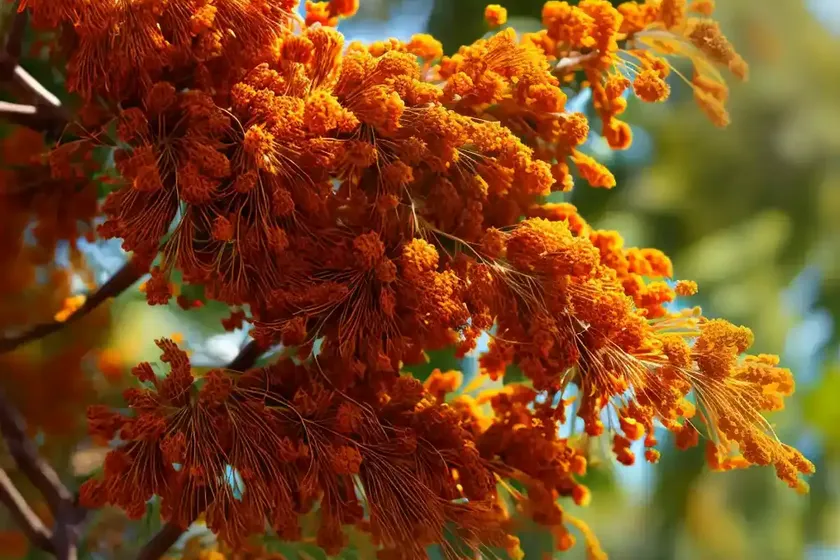
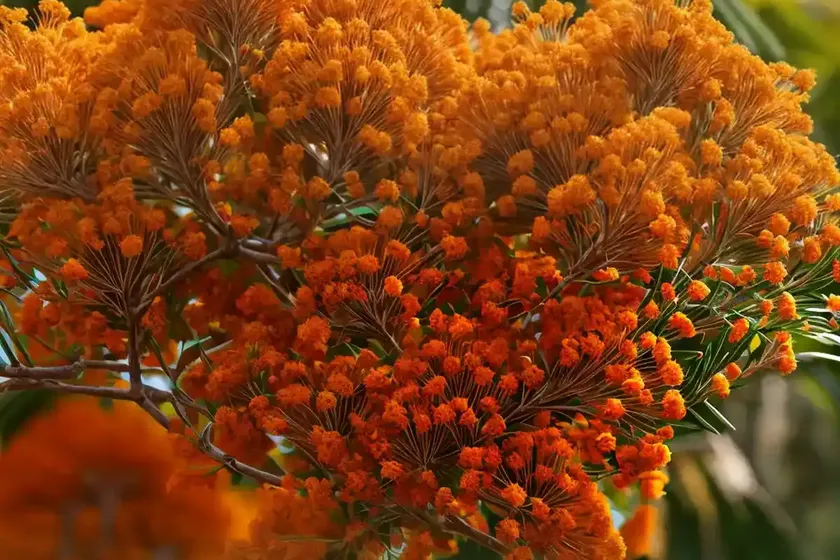
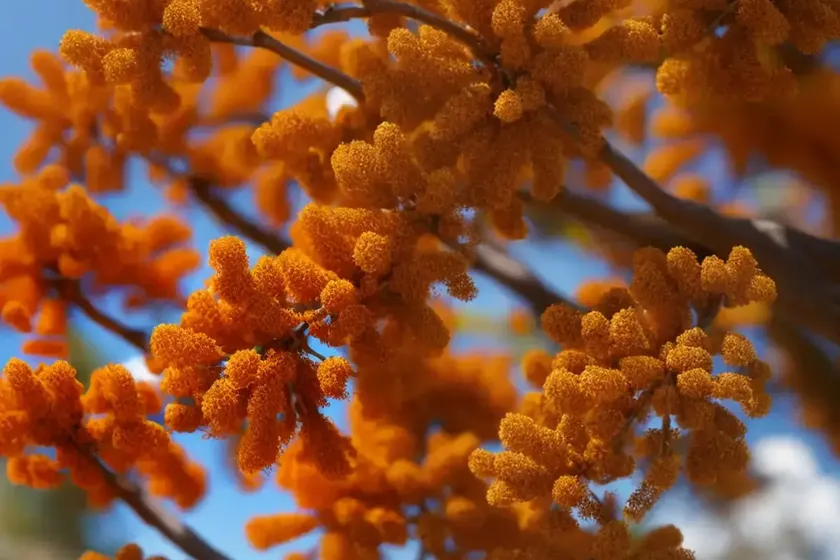
Grevillea robusta, commonly known as Silky Oak, is an impressive and versatile plant native to Australia. This stunning tree belongs to the Proteaceae family and is renowned for its vibrant blooms and attractive foliage. In this comprehensive guide, we will explore everything from the cultural requirements and uses to common diseases and pests that affect the Grevillea robusta.
What is Grevillea Robusta (Silky Oak)?
Grevillea robusta, also known as the Silky Oak, is a large evergreen tree that can reach heights of up to 30 meters (100 feet). This tree is native to the rainforests of eastern Australia, where it thrives in subtropical and warm temperate regions. The Grevillea robusta is highly valued for its ornamental characteristics, including its bright orange-red flowers and elegant fern-like leaves.
Key Takeaways – Grevillea Robusta (Silky Oak)
Here are the key takeaways for Grevillea robusta, encompassing its culture, uses, water, sunlight, fertilizer, soil, pruning, propagation, container popularity, common diseases, disease diagnosis, common pests, and botanist’s tips.
- Culture
- Thrives in subtropical and warm temperate regions
-
Native to the rainforests of eastern Australia
-
Uses
- Ornamental tree
-
Provides habitat and food for native wildlife
-
Water
- Moderate water requirements
-
Drought tolerant once established
-
Sunlight
- Prefers full sun to partial shade
-
Requires at least 6 hours of sunlight per day
-
Fertilizer
- Responds well to a balanced slow-release fertilizer
-
Apply fertilizer in spring and early summer
-
Soil
- Well-draining and slightly acidic soil
-
Tolerates various soil types
-
Pruning
- Minimal pruning required
-
Remove dead or damaged branches
-
Propagation
- Can be propagated from seeds or cuttings
-
Seeds require pre-treatment
-
Container Popularity
- Suitable for large containers when young
-
Transplant to the ground when mature
-
Common Diseases
- Phytophthora root rot
-
Cinnamon fungus
-
Disease Diagnosis
- Leaf discoloration
-
Crown dieback
-
Common Pests
- Aphids
-
Caterpillars
-
Botanist’s Tips
- Plant in a sheltered location
- Protect from strong winds
Now, let’s delve deeper into each of these aspects to gain a comprehensive understanding of the care and maintenance of Grevillea robusta.
Culture
Grevillea robusta thrives in subtropical and warm temperate regions, making it well-suited to the climatic conditions of its native Australia. This tree is particularly well-adapted to the rainforests of eastern Australia, where it can be found growing alongside a diverse range of plant species. When cultivating Grevillea robusta, it is essential to mimic its natural habitat as closely as possible to ensure optimal growth and development.
Uses
The Grevillea robusta is primarily cultivated for its ornamental value, attracting attention with its striking orange-red flowers and feathery foliage. Additionally, this tree also plays a vital ecological role by providing habitat for native wildlife, including birds and insects. The nectar-rich flowers of the Grevillea robusta make it a valuable resource for pollinators, contributing to the overall biodiversity of the landscape.
Water
Understanding the water requirements of Grevillea robusta is crucial for its successful cultivation. This tree typically has moderate water needs, particularly during the establishment phase. Once established, Grevillea robusta exhibits excellent drought tolerance, making it a resilient choice for water-wise landscapes. However, it is important to ensure adequate irrigation during periods of prolonged dryness to support healthy growth and flowering.
Sunlight
Grevillea robusta thrives in full sun to partial shade and requires a minimum of 6 hours of sunlight per day to flourish. Adequate sunlight is essential for promoting robust flowering and overall vigor in this species. When selecting a planting site for Grevillea robusta, prioritizing a location that receives ample sunlight will contribute to its long-term health and vitality.
Fertilizer
When it comes to fertilizing Grevillea robusta, a balanced slow-release fertilizer is recommended for providing essential nutrients without the risk of overfeeding. Applying fertilizer in spring and early summer supports the tree’s growth and flowering, ensuring that it has access to the necessary nutrients throughout the active growing season. Care should be taken to follow the manufacturer’s instructions regarding the application rates and frequency of fertilization.
Soil
Grevillea robusta thrives in well-draining, slightly acidic soil. It is important to ensure that the soil provides adequate drainage to prevent waterlogging, which can be detrimental to the tree’s root system. While this species exhibits a preference for slightly acidic soil, it is adaptable to various soil types, including sandy loam and clay. Conducting a soil test can provide valuable insights into the soil composition and pH, aiding in the creation of an optimal growing environment for Grevillea robusta.
Pruning
Minimal pruning is typically required for Grevillea robusta. The primary objective of pruning this tree is to remove any dead, damaged, or diseased branches, promoting overall plant health and aesthetics. Additionally, shaping the tree to maintain a desired form can be undertaken during the pruning process. When pruning Grevillea robusta, it is advisable to use clean, sharp tools to achieve clean cuts and minimize the risk of introducing pathogens.
Propagation
Grevillea robusta can be propagated from seeds or cuttings, offering flexibility in the methods of reproduction. However, it is important to note that Grevillea species, including Grevillea robusta, often exhibit dormancy mechanisms in their seeds, requiring specific pre-treatments such as scarification or soaking to improve germination rates. Alternatively, rooting cuttings from a mature and healthy specimen offers a reliable method for propagating Grevillea robusta, enabling the production of genetically identical offspring through vegetative propagation.
Container Popularity
While Grevillea robusta can initially be cultivated in large containers, it is important to transplant it to the ground once it reaches maturity. The extensive root system of this species necessitates ample space for unrestricted growth, which may be constrained in a container. Therefore, when choosing to cultivate Grevillea robusta in a container, it is essential to plan for its eventual relocation to an open planting site to facilitate its continued development and longevity.
Common Diseases
Grevillea robusta is susceptible to certain diseases that can impact its overall health and vigor. Understanding these common diseases and their associated symptoms is crucial for implementing timely and effective management strategies to protect the tree from potentially devastating outcomes. Two prevalent diseases that affect Grevillea robusta are Phytophthora root rot and Cinnamon fungus.
Disease Diagnosis
Identifying the symptoms associated with common diseases is key to diagnosing and treating potential issues affecting Grevillea robusta. In the case of Phytophthora root rot, signs such as leaf discoloration, wilting, and overall decline in the tree’s health may indicate the presence of this destructive pathogen. Similarly, symptoms of Cinnamon fungus, which primarily affects the trunk and branches, may manifest as cankers, dieback, and the presence of characteristic fruiting bodies.
Common Pests
In addition to diseases, Grevillea robusta may also be vulnerable to attacks from common pests. Aphids and caterpillars are among the pests that can infest this species, potentially causing aesthetic damage and compromising its overall vitality. Identifying the presence of these pests and implementing suitable control measures is essential for mitigating their impact and safeguarding the health of Grevillea robusta.
Botanist’s Tips
Planting Grevillea robusta in a sheltered location can help protect it from the detrimental effects of strong winds, which can cause physical damage and dislodge branches. Additionally, ensuring that the tree is provided with the appropriate cultural conditions, including adequate water, sunlight, and soil quality, contributes to its resilience and long-term success in the landscape. By prioritizing the health and well-being of Grevillea robusta, it is possible to create an environment conducive to the tree’s optimal growth and development.
Fun Facts
- The Grevillea robusta is sometimes referred to as the “Toothbrush Plant” due to the shape of its flowers.
- This species is a prolific nectar producer, attracting a variety of bird species to its flowers.
- Grevillea robusta has been introduced to various countries outside of its native range, where it has been cultivated as an ornamental tree.
Links to External Resources
Should you wish to explore more about Grevillea robusta and its cultivation, the following links to external resources are highly recommended:
– Gardening Australia – Silky Oa
– Australian Native Plants Society (Australia) – Grevillea robusta
– PlantNET – Silky Oak Fact Sheet
– Flowers of India – Silky Oak
In conclusion, Grevillea robusta, or the Silky Oak, is an exceptional tree species that offers ornamental value and ecological benefits. By understanding and implementing the cultural requirements, prudent measures for disease and pest management, and an appreciation for its unique characteristics, Grevillea robusta can thrive and enrich the landscape with its vibrant blooms and lush foliage. If you have the opportunity to introduce this Australian native into your garden or outdoor space, it is sure to captivate with its stunning beauty and enduring appeal.
The blog post provides in-depth information about Grevillea robusta (Silky Oak), covering its cultural requirements, uses, common diseases, and pests. The comprehensive guide includes key takeaways, fun facts, and external resources for further exploration.


