Grevillea ‘Long John’)
The Grevillea ‘Long John’ is a stunning ornamental shrub that captivates with its graceful foliage, distinctive flowers, and its ability to attract.
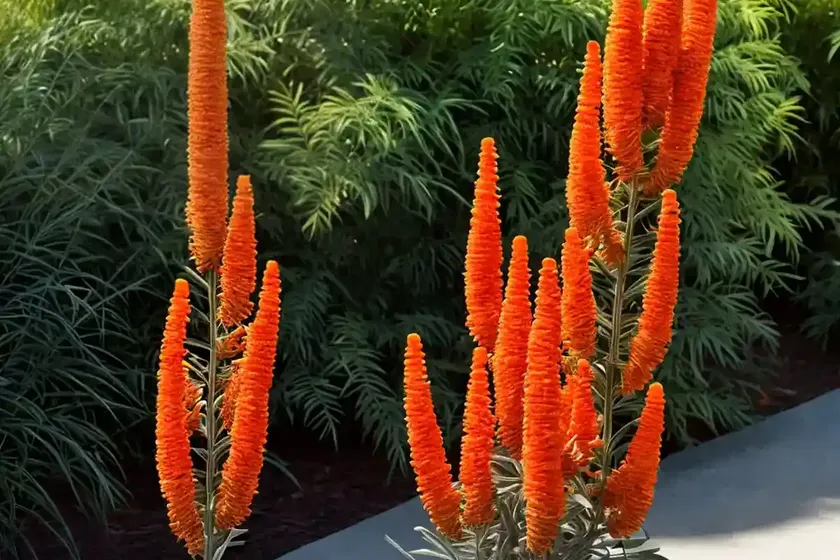
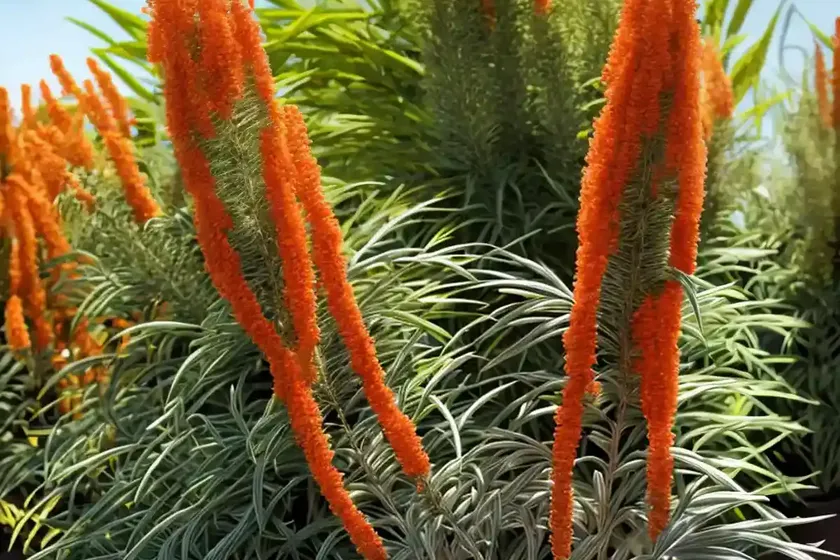
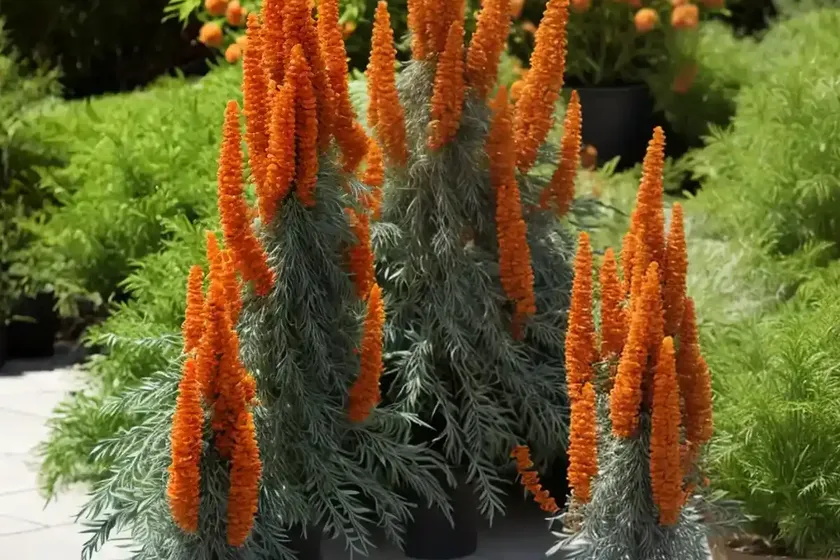
The Grevillea ‘Long John’ is a stunning ornamental shrub that captivates with its graceful foliage, distinctive flowers, and its ability to attract wildlife such as birds and butterflies. It’s a plant that adds a touch of exotic beauty to any landscape, and for those looking to cultivate this unique species, there’s much to learn. In this comprehensive guide, we will explore all aspects of Grevillea ‘Long John,’ from its cultural requirements and growth habits to its propagation, maintenance, and landscape uses.
What is Grevillea ‘Long John’?
Grevillea ‘Long John’ is a cultivar of the Grevillea genus, which comprises approximately 360 species of evergreen shrubs and trees native to Australia, Papua New Guinea, and New Caledonia. These plants belong to the Proteaceae family, and they are known for their attractive foliage and showy inflorescences that are rich in nectar, making them highly attractive to pollinators.
Grevillea ‘Long John’ Features
- Foliage: The leaves of Grevillea ‘Long John’ are long and narrow, measuring about 15 centimeters in length. They have a leathery texture and are a deep green color, providing an elegant backdrop to the plant’s vibrant flowers.
- Flowers: The flowers of Grevillea ‘Long John’ are its crowning glory, characterized by their intricate and exotic appearance. They are formed in dense clusters, presenting a mesmerizing display of bright orange-red blooms throughout their flowering period.
- Growth Habit: This cultivar typically grows as a compact shrub, reaching a height of around 1.5 to 2 meters with a spread of 1 to 1.5 meters. Its growth habit is dense and bushy, making it an ideal choice for hedges or border plantings.
Key Takeaways
Grevillea ‘Long John’ Care
- Water: Grevillea ‘Long John’ has low to moderate water needs once established. It is important to provide regular watering during its initial establishment period to promote root development. Once mature, the plant is moderately drought-tolerant, making it suitable for water-wise landscapes.
- Sunlight: This cultivar thrives in full sun to partial shade and should be planted in a location that provides it with at least 6 hours of direct sunlight daily for optimal flowering and overall health.
- Fertilizer: Grevillea ‘Long John’ benefits from a low-phosphorus, native plant fertilizer applied in spring and late summer. Avoid excessive fertilization, as Grevilleas are sensitive to high levels of phosphorus.
- Soil: Well-draining, slightly acidic soils are ideal for Grevillea ‘Long John.’ Amending the soil with compost can help improve its structure and fertility, promoting healthy growth.
- Pruning: Regular pruning is beneficial to maintain a neat and compact shape, promote flowering, and remove dead or damaged growth. Pruning should be done after the flowering period to avoid compromising the next season’s blooms.
How to Grow Grevillea ‘Long John’
- Water Needs: Low to moderate
- Sunlight Requirements: Full sun to partial shade
- Fertilizer: Low-phosphorus, native plant fertilizer
- Soil Type: Well-draining, slightly acidic
- Pruning: After flowering, to maintain shape and promote blooming
- Propagation: From seeds or cuttings
Grevillea ‘Long John’ Planting Tips
When incorporating Grevillea ‘Long John’ into your landscape, it’s essential to consider certain planting tips to ensure its successful establishment and long-term health.
-
Selecting a Proper Site: Choose a site that receives adequate sunlight and has well-draining soil. Avoid planting in low-lying areas where water may collect, as Grevillea ‘Long John’ is sensitive to waterlogged conditions.
-
Soil Preparation: Prior to planting, amend the soil with organic matter such as compost to improve its drainage and fertility. This step is particularly important for heavy clay soils.
-
Planting Depth: When transplanting container-grown specimens, the plant should be positioned in the ground at the same level as it was in the container. Planting too deeply can lead to root rot, while planting too shallow may cause the roots to dry out.
-
Watering Schedule: Provide regular watering immediately after planting to help the plant establish its roots in the new location. Once established, reduce the frequency of watering, allowing the soil to dry out slightly between waterings to prevent waterlogged conditions.
Grevillea ‘Long John’ Characteristics
Grevillea ‘Long John’ possesses a range of unique characteristics that make it a desirable addition to gardens and landscapes.
-
Attractive Foliage: The plant’s long, leathery leaves offer year-round visual interest, adding texture and structure to the landscape.
-
Vibrant Flowers: The striking orange-red blooms are a standout feature, attracting pollinators and adding a burst of color to the garden.
-
Wildlife Attractant: Grevillea ‘Long John’ is a valuable resource for wildlife, drawing in birds and butterflies with its nectar-rich flowers.
-
Drought Tolerance: Once established, this cultivar displays good drought tolerance, making it a low-maintenance option for water-wise landscapes.
Grevillea ‘Long John’ Maintenance
Proper maintenance plays a crucial role in the health and longevity of Grevillea ‘Long John.’ By following these maintenance guidelines, you can ensure that this plant remains a vibrant and beautiful addition to your outdoor space.
-
Watering: Regular watering is essential during the plant’s establishment phase. Once mature, it can tolerate periods of dryness but will benefit from occasional deep watering during extended dry spells.
-
Fertilization: Apply a low-phosphorus, native plant fertilizer in spring and late summer to provide essential nutrients for healthy growth and flowering. Avoid over-fertilization, as Grevilleas are sensitive to high levels of phosphorus.
-
Pruning: Perform annual pruning after flowering to maintain a compact shape, remove dead or damaged growth, and encourage the production of new flowering wood.
-
Weed Control: Keep the area around the plant free from weeds, as they can compete for essential resources and compromise the plant’s vigor.
Grevillea ‘Long John’ Pruning Guide
Pruning is an important aspect of Grevillea ‘Long John’ care, as it not only maintains the plant’s desired shape but also promotes flowering and overall health. Follow these guidelines when approaching the pruning of Grevillea ‘Long John’:
-
Timing: Pruning should be conducted after the plant has finished flowering for the season. This typically occurs in late spring or early summer.
-
Tools: Use sharp, clean pruners to make precise cuts and minimize the risk of transmitting diseases to the plant.
-
Technique: Focus on removing dead, damaged, or diseased growth, as well as any crossing or congested branches. Additionally, consider light shaping to control the plant’s size and encourage branching.
-
Pruning Cautions: Avoid pruning too heavily, as excessive removal of foliage can stress the plant and reduce its capacity for vigorous growth and flowering.
Grevillea ‘Long John’ Varieties
Aside from the ‘Long John’ cultivar, the Grevillea genus encompasses a wide array of species and cultivars, each with its own unique characteristics and ornamental qualities. Some notable varieties include:
- Grevillea ‘Superb’: Renowned for its striking pink and cream flowers, this cultivar is a showstopper in the garden.
- Grevillea ‘Moonlight’: With its soft, lemon-colored blooms and fine foliage, ‘Moonlight’ offers a delicate and graceful presence in the landscape.
- Grevillea ‘Robyn Gordon’: This compact cultivar displays vibrant red flowers and a dense, bushy growth habit, making it an excellent choice for low hedges and borders.
Grevillea ‘Long John’ Propagation Methods
Grevillea ‘Long John’ can be propagated through both seeds and cuttings. Each method has its own set of considerations, and the success of propagation efforts can be influenced by factors such as timing and environmental conditions.
-
Seed Propagation: Collect mature seeds from the plant and sow them in well-draining seed-raising mix. Germination may take several weeks, and the resulting seedlings should be monitored for proper care and development.
-
Cutting Propagation: Take semi-hardwood cuttings from healthy, disease-free growth, and place them in a suitable propagation mix. Maintain high humidity and consistent moisture levels to encourage the rooting of the cuttings.
Grevillea ‘Long John’ Landscape Ideas
The unique characteristics and ornamental qualities of Grevillea ‘Long John’ make it a versatile plant with various potential uses in the landscape. Consider the following creative ideas for incorporating this plant into your outdoor space:
-
Wildlife Gardens: Use Grevillea ‘Long John’ to attract birds, butterflies, and other beneficial pollinators, creating a vibrant and biodiverse environment.
-
Water-Wise Landscapes: Given its drought tolerance, this plant is an excellent choice for water-wise gardens and xeriscapes, where it can thrive with minimal irrigation.
-
Container Planting: Utilize Grevillea ‘Long John’ in containers and planters, adding a touch of exotic beauty to patios, decks, and other outdoor living spaces.
-
Mixed Borders: Incorporate this shrub into mixed borders alongside other drought-tolerant plants and ornamental grasses, creating a dynamic and visually appealing composition.
Grevillea ‘Long John’ Disease Resistance
Grevillea ‘Long John’ exhibits a good level of resistance to many common plant diseases, contributing to its overall hardiness and ease of care. However, to ensure the plant’s health and vitality, it’s important to remain vigilant and address any signs of disease promptly.
Disease Prevention
-
Proper Cultural Practices: Maintaining the plant’s cultural requirements, including adequate sun exposure, appropriate watering, and well-draining soil, can help reduce the risk of disease development.
-
Air Circulation: Ensuring good air circulation around the plant can minimize the likelihood of fungal diseases, such as powdery mildew, from taking hold.
-
Regular Inspection: Routinely inspect the plant for any symptoms of disease, such as unusual discoloration, spots, or deformation, and take action if issues are detected.
Disease Diagnosis
If you observe any worrying signs on your Grevillea ‘Long John,’ such as leaf spots, wilting, or unusual growth, it’s important to properly diagnose the issue before implementing any treatment. Consult with a local horticulturist, extension service, or plant health specialist to accurately identify the problem and determine the most appropriate course of action.
Common Pests
While Grevillea ‘Long John’ is generally resilient against many pests, several potential intruders may attempt to challenge its well-being. The following are some of the common pests that could impact this shrub:
-
Aphids: These small, sap-sucking insects can congregate on the plant’s new growth, causing distortion and stunted development.
-
Scale Insects: Scale insects can appear as small, armored or cottony masses along the stems and leaves, sucking the plant’s sap and leading to weakened growth.
-
Spider Mites: These minuscule pests can inflict damage by sucking the plant’s juices, resulting in stippled, discolored foliage and diminished vigor.
-
Caterpillars: Certain caterpillar species may feed on the foliage of Grevillea ‘Long John,’ causing visible grazing damage and defoliation if left unchecked.
Proactive pest management practices, such as regular monitoring, maintaining plant health, and employing targeted control methods when necessary, can help safeguard the Grevillea from these potential threats.
Botanist’s Tips
To optimize the health and beauty of Grevillea ‘Long John,’ keep in mind these insightful tips from professional botanists and horticultural experts:
-
Native Plant Selection: When designing landscapes, consider the integration of native plants such as Grevillea ‘Long John,’ as they often exhibit greater adaptability and resilience within their natural environment.
-
Pollinator Support: By introducing pollinator-friendly plants like Grevillea ‘Long John’ into the landscape, you can contribute to the conservation of essential pollinators, thereby promoting ecosystem health and biodiversity.
-
Cultural Adaptations: Adapting the cultural practices, such as watering, fertilizing, and pruning, according to the specific needs of Grevillea ‘Long John’ can maximize its growth potential and blooming performance.
Fun Facts
Uncover some intriguing and fun facts about Grevillea ‘Long John’ to deepen your appreciation for this distinctive plant:
-
Birds in the Garden: Grevillea ‘Long John’ is cherished by bird enthusiasts, as it has the potential to attract a variety of bird species, including nectar-feeding birds like honeyeaters, lorikeets, and wattlebirds.
-
Native Habitat: The Grevillea genus is predominantly found in Australia, where it inhabits a diverse range of ecosystems, from coastal dunes to mountainous regions, showcasing its remarkable adaptability.
-
Exotic Flower Shapes: Grevillea flowers are renowned for their peculiar and intricate forms, which range from toothbrush-like spikes to spider-shaped inflorescences, depending on the species and variety.
Links to External Resources
Explore some recommended external resources to further expand your knowledge of Grevillea ‘Long John,’ its care, and its cultivation:
- Royal Horticultural Society – Grevillea Cultivation
- Australian Native Plants Society – Grevillea Growing Tips
- University of Florida IFAS Extension – Grevillea: A Versatile Plant for the Florida-Friendly Landscape
Conclusion
Grevillea ‘Long John’ is a captivating plant that embodies unique characteristics, exceptional beauty, and wildlife appeal. Its striking flowers, attractive foliage, and versatility in landscaping make it a valuable addition to gardens and outdoor spaces. By understanding its cultural requirements, growth habits, maintenance needs, and landscape uses, you can foster the health and vitality of Grevillea ‘Long John’ while enjoying its enduring allure for years to come. Whether used as a standalone specimen, a companion to other drought-tolerant plants, or a wildlife habitat plant, Grevillea ‘Long John’ has the potential to elevate the charm and ecological value of any outdoor setting.


