Grevillea (Grevillea)
Grevillea, also known as spider flower, is a diverse genus of evergreen flowering plants belonging to the family Proteaceae. With over 350 species.
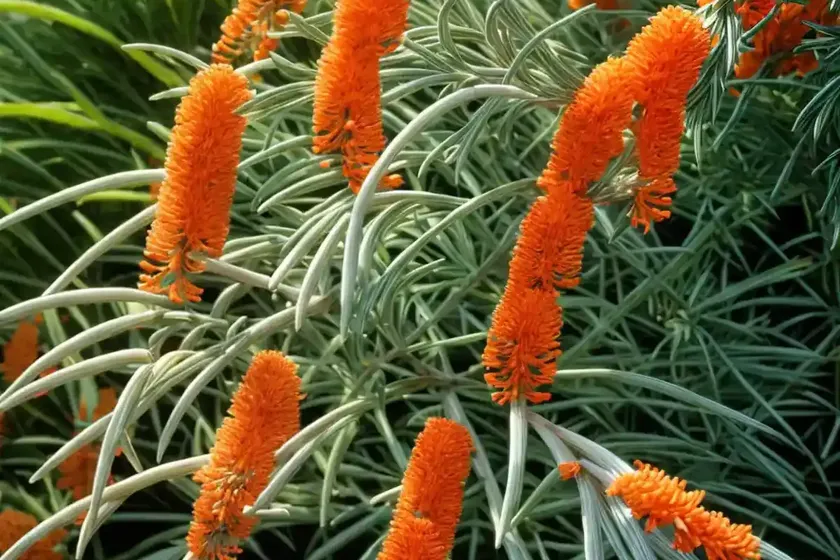
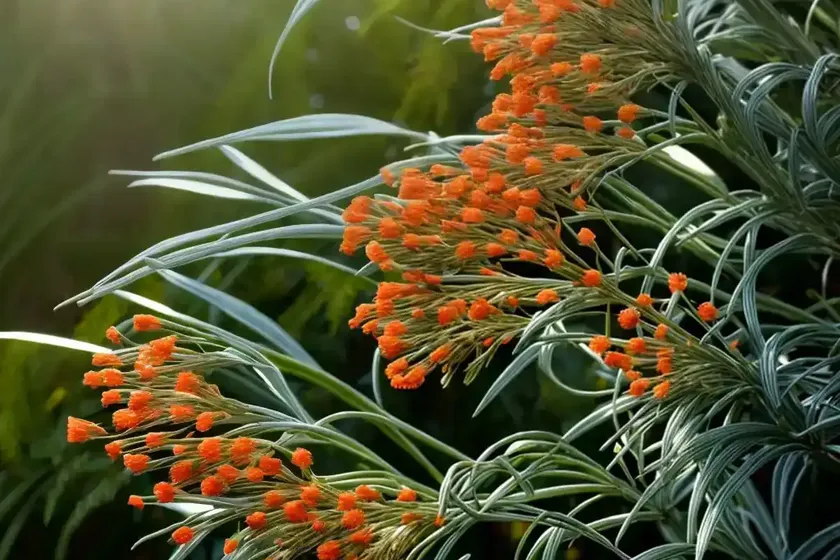
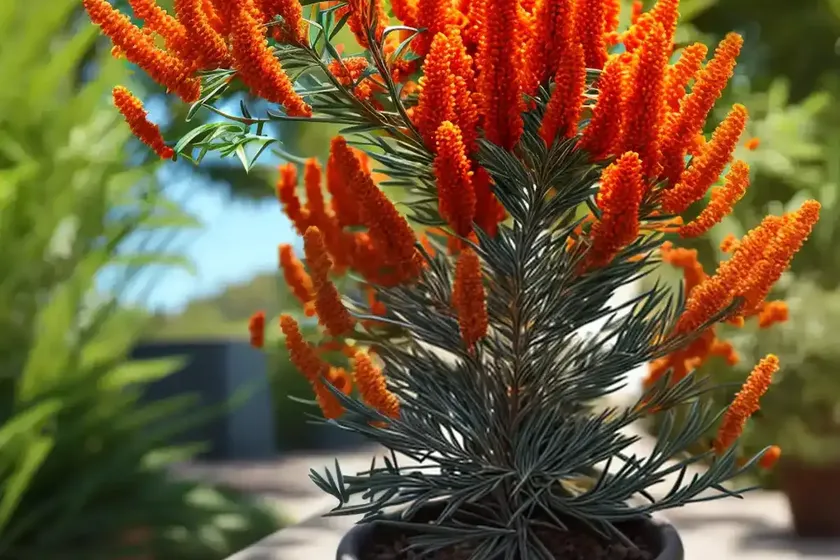
Grevillea, also known as spider flower, is a diverse genus of evergreen flowering plants belonging to the family Proteaceae. With over 350 species, Grevillea plants are native to Australia and have been widely cultivated due to their unique and attractive features. In this comprehensive guide, we will explore the various species of Grevillea, their cultivation, uses, maintenance, and interesting facts.
What is Grevillea?
Grevillea is a genus of plants that encompass a wide range of evergreen shrubs and trees, including both ground-hugging forms and large trees. These plants are distinguished by their intricate, spider-like flowers that blossom in an assortment of colors, including red, orange, pink, and cream. Grevillea plants are mainly found in Australia, but they are also cultivated in various regions around the world due to their ornamental value and hardiness.
Grevillea Species
The Grevillea genus comprises over 350 species, making it one of the most diverse plant genera within the Proteaceae family. Each species of Grevillea showcases unique characteristics in terms of foliage, flower structure, and growth habits. Some commonly cultivated Grevillea species include Grevillea ‘Robyn Gordon’, Grevillea ‘Moonlight’, and Grevillea ‘Superb’, each renowned for its distinct features and attractive blooms.
Grevillea Plant Varieties
The vast array of Grevillea species offers a wide selection of plant varieties, each with its own distinct characteristics. From compact shrubs to towering trees, Grevillea varieties vary in height, foliage, and flower color, catering to diverse landscaping preferences and environmental conditions.
Key Takeaways – Grevillea
Before delving deeper into the specifics of Grevillea care and cultivation, it’s essential to understand the key takeaways associated with these unique plants. Listed below are the essential points to remember when considering Grevillea in a garden or landscape setting.
- Grevilleas are evergreen flowering plants native to Australia.
- The genus encompasses over 350 diverse species, each with unique characteristics.
- Grevillea plants are known for their intricate, spider-like flowers that bloom in an array of colors.
- Grevillea species offer a wide selection of plant varieties, catering to various landscaping preferences and environmental conditions.
Culture
Uses
Grevillea plants have gained popularity not only for their ornamental value but also for their ecological significance. Here are some common uses of Grevillea plants:
- Ornamental Purposes: Grevilleas are primarily used for ornamental landscaping, adding vibrant colors and unique foliage to gardens and public spaces.
- Wildlife Habitat: The nectar-rich flowers of Grevillea plants attract birds and pollinators, making them valuable contributors to wildlife habitats.
- Erosion Control: Certain Grevillea species are employed for their extensive root systems, providing effective erosion control in landscaping and land rehabilitation projects.
Water
When it comes to water requirements, Grevillea plants exhibit a remarkable degree of adaptability. While specific watering needs may vary based on the species and environmental conditions, most Grevilleas are renowned for their tolerance to drought and poor soil conditions.
- Watering Frequency: Grevilleas generally prefer well-drained soil and are well-suited to low-water landscapes. Once established, they typically require little to no supplemental watering, making them ideal for drought-tolerant gardens.
- Establishment Period: During the initial planting and establishment phase, regular watering may be necessary to help the plants develop a strong root system. After this period, Grevilleas can thrive with minimal irrigation.
Sunlight
Grevilleas are sun-loving plants that thrive in full sun or partial shade. Adequate sunlight is crucial for promoting healthy growth and profuse flowering in these plants.
- Light Requirements: Grevillea plants prefer at least 6 hours of direct sunlight each day to flourish. In areas with intense heat, providing some afternoon shade can help protect the plants from excessive sun exposure.
Fertilizer
Feeding Grevillea plants with the proper nutrients can enhance their overall growth and flowering capabilities. However, it’s important to approach fertilization with caution, as excessive nutrients can have adverse effects.
- Fertilizer Type: Use a balanced, slow-release fertilizer formulated for native plants or phosphorus-sensitive species. Avoid high-phosphorus fertilizers, as they can be detrimental to Grevillea plants.
- Application Frequency: Apply fertilizer sparingly, preferably during the plant’s active growing season in spring. Refrain from over-fertilizing, as Grevilleas are sensitive to nutrient imbalances.
Soil
Grevillea plants have specific soil preferences that are critical for their long-term health and vigor. Understanding the ideal soil conditions for Grevilleas is essential for successful cultivation.
- Well-draining Soil: Grevilleas thrive in well-draining, slightly acidic to neutral soil. Avoid heavy clay soils that can lead to waterlogged conditions, as they can adversely affect the plant’s root system.
- Soil Amendment: If soil drainage is poor, amending it with organic matter such as compost or well-rotted manure can improve its structure and drainage capabilities.
Pruning
Pruning is an important aspect of Grevillea maintenance, contributing to the plant’s overall health, shape, and flowering performance. Proper pruning techniques can help manage the plant’s growth and rejuvenate its appearance.
- Timing: Prune Grevillea plants after the flowering period to encourage new growth and maintain a desirable shape. Avoid heavy pruning during the dormant season, as it can compromise the plant’s vigor.
- Deadheading: Removing spent flowers can promote continuous blooming and prevent the plant from expending energy on seed production.
Propagation
Propagating Grevillea plants allows for the expansion of their population and the preservation of particular varieties. The propagation process involving seeds and cuttings can be a rewarding endeavor for plant enthusiasts.
- Seed Propagation: Grevillea seeds can be collected from mature seed pods and germinated for new plantings. It’s important to note that some Grevillea seeds have hard seed coats and may require scarification to facilitate germination.
- Cutting Propagation: Semi-hardwood cuttings taken from healthy Grevillea plants can be rooted to propagate new individuals. Use a rooting hormone to increase the success rate of the cuttings.
Container Popularity
Grevillea plants are well-suited for container gardening, offering a versatile and space-saving option for cultivating these unique species in various environments.
- Container Selection: Choose well-draining containers of adequate size to accommodate the plant’s root system. Terra cotta or breathable fabric pots can be beneficial for maintaining optimal soil moisture levels.
- Cultural Requirements: Container-grown Grevilleas require consistent care in terms of watering, sunlight, and fertilizer application. Regular monitoring of soil moisture and plant growth is essential for optimal container cultivation.
Container Common Diseases
When cultivating Grevillea plants in containers, it’s important to be mindful of potential diseases that may affect their health and vigor.
Disease Diagnosis
Container-grown Grevillea plants may be susceptible to certain diseases, including:
- Phytophthora Root Rot: This fungal disease can cause root rot in Grevilleas, leading to wilting, yellowing foliage, and overall decline. Moist, poorly-drained soil in containers can exacerbate the risk of phytophthora infection.
- Botrytis Blight: High humidity levels in container environments can promote botrytis blight, resulting in fuzzy gray mold on plant tissues. Proper air circulation and controlled watering can help reduce the incidence of this disease.
Common Pests
Grevillea plants are generally resistant to pest infestations, but certain pests may pose a threat, particularly in container-grown specimens.
- Aphids: Aphids can target the tender new growth of Grevillea plants, causing distortion and yellowing of leaves. Regular monitoring and the use of natural predators or insecticidal soap can help manage aphid populations.
- Spider Mites: These tiny pests can infest Grevillea plants in dry, dusty conditions, causing stippling and webbing on the foliage. Regularly spraying the plants with water and maintaining appropriate humidity levels can deter spider mite infestations.
Botanist’s Tips
As a plant enthusiast or professional, there are several valuable tips to keep in mind when cultivating Grevillea species in garden settings or landscape designs.
- Selecting Suitable Species: Consider the specific environmental conditions and requirements of different Grevillea species when incorporating them into landscaping projects. Choose varieties that are well-adapted to the local climate and soil conditions for optimal success.
- Monitoring Soil Moisture: Regularly assess the moisture levels in container-grown Grevillea plants to prevent issues related to overwatering or underwatering. Utilize a moisture meter or manually check the soil to maintain appropriate moisture levels.
Fun Facts
Learning about the unique attributes and fascinating aspects of Grevillea plants adds an extra layer of appreciation for these remarkable species.
- Species Diversity: The Grevillea genus encompasses an extensive array of species, each with its own distinctive floral and foliage characteristics, contributing to the diversity of ornamental and ecological traits.
- Wildlife Attraction: Grevillea plants are renowned for attracting a diverse array of wildlife, including birds, bees, and other pollinators, making them valuable contributors to biodiversity in natural and cultivated landscapes.
As evidenced by the vast array of species and desirable traits within the genus, Grevillea plants are well-suited for a myriad of gardening and landscaping applications. Their adaptability, resilience, and ornamental value make them an appealing choice for plant enthusiasts and design professionals alike.
For more detailed information on specific Grevillea species, cultivating techniques, and ecological benefits, please refer to the following external resources:
- Grevillea Plant Guide – Gardening Australia
- Growing Grevilleas – Australian National Botanic Gardens
- Grevillea Cultivation – Royal Horticultural Society
In conclusion, the Grevillea genus stands out as an intriguing and diverse group of plants, offering a wealth of visual appeal and ecological significance. By exploring the various aspects of Grevillea cultivation, utilization, and appreciation, we can gain a deeper understanding of the unique characteristics and benefits of these remarkable species. Whether incorporated into gardens, public landscapes, or ecological restoration initiatives, Grevillea plants are sure to captivate enthusiasts and admirers with their captivating beauty and ecological contributions.
As we continue to celebrate the inherent value and allure of Grevillea plants, it’s essential to recognize their significance in promoting biodiversity, preserving native habitats, and enriching the landscape with their remarkable attributes. By embracing the distinctive qualities of Grevillea, we can foster a greater appreciation for the natural world and the plant species that enrich our lives and environments.


