Fraxinus Pennsylvanica (Green Ash)
Fraxinus pennsylvanica, commonly known as Green Ash, is a species of ash tree native to North America. This deciduous tree is valued for its adaptability.
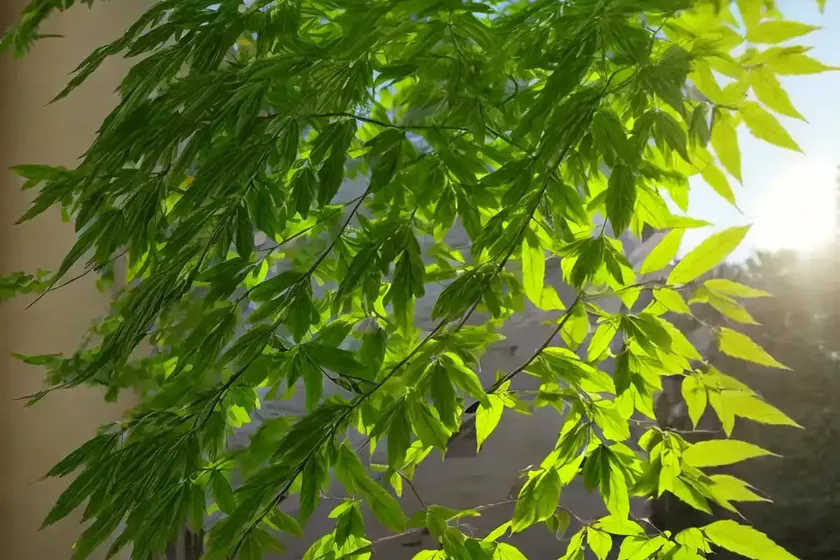
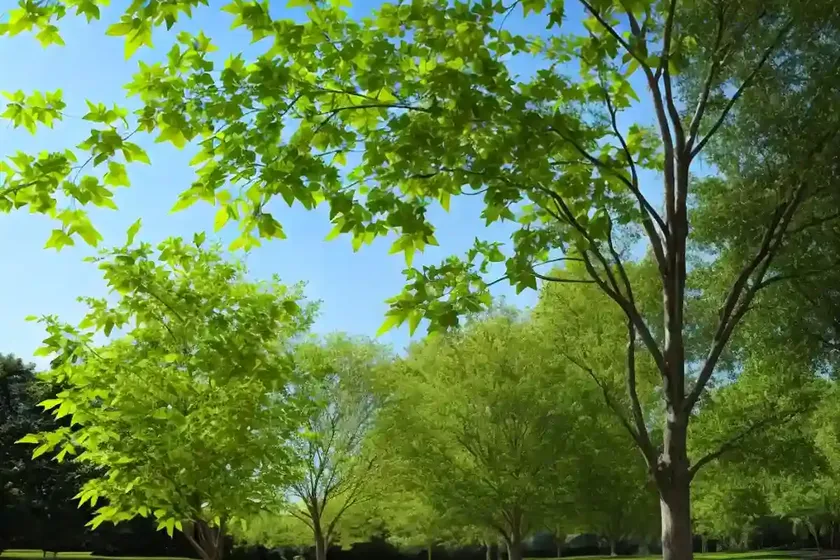
Fraxinus pennsylvanica, commonly known as Green Ash, is a species of ash tree native to North America. This deciduous tree is valued for its adaptability, especially in urban settings, and its stunning visual appeal. In this comprehensive guide, we will delve into the characteristics, uses, cultivation, care, and maintenance of the Fraxinus pennsylvanica, providing valuable insights for both beginners and seasoned plant enthusiasts.
What is Fraxinus pennsylvanica (Green Ash)?
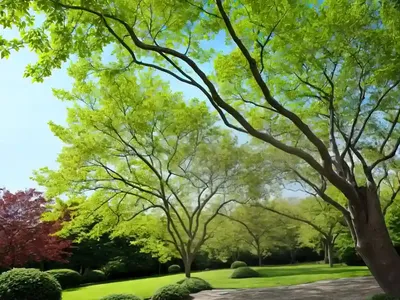
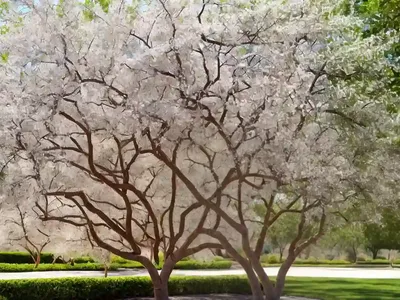
Fraxinus pennsylvanica, a member of the Oleaceae family, is a medium to large tree capable of reaching heights of 50 to 60 feet with a spread of 35 to 45 feet, providing excellent shade and ornamental value. It is distinguishable by its compound leaves, light-gray bark, and clusters of winged seeds. In autumn, the foliage transitions into brilliant shades of yellow, making it a stunning feature in any landscape.
Fraxinus pennsylvanica Characteristics
The Green Ash is characterized by the following traits:
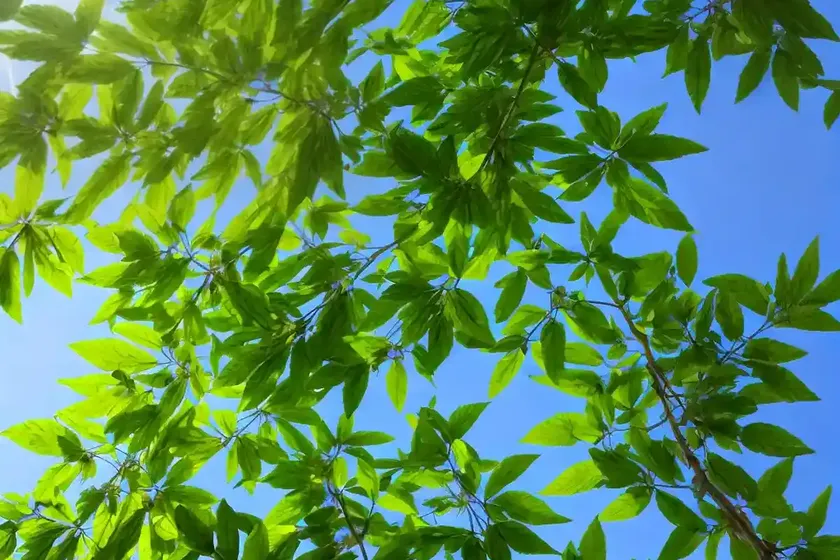
– Compound, pinnate leaves with 5 to 9 leaflets
– Light-gray, furrowed bark
– Clusters of winged seeds (samaras)
– Canopy shape varying from oval to irregular
– Brilliant yellow foliage in autumn
Green Ash Tree Facts
- Scientific Name: Fraxinus pennsylvanica
- Family: Oleaceae
- Common Names: Green Ash, Red Ash, Swamp Ash, Water Ash
- Native Habitat: North America
- Uses: Ornamental, shade tree, timber, wildlife habitat
Now that we have familiarized ourselves with the general overview of Fraxinus pennsylvanica, let’s delve into the essential aspects of planting and caring for this species.
Key Takeaways – Fraxinus pennsylvanica (Green Ash)
Culture
Cultivating Fraxinus pennsylvanica requires an understanding of its specific cultural requirements. Ensuring that the tree is placed in an environment that mimics its natural habitat is crucial for its health and vigor.
Uses
The uses of Green Ash are diverse, ranging from aesthetic to utilitarian purposes. Understanding its various applications can help in making informed decisions regarding its placement in different settings.
Water
Appropriate watering practices are essential for the establishment and ongoing health of Fraxinus pennsylvanica. Understanding its water requirements can prevent issues related to over or under watering.
Sunlight
As with many plants, exposure to sunlight is a critical factor in the growth and development of Fraxinus pennsylvanica. Understanding its sunlight preferences can aid in selecting an ideal planting location.
Fertilizer
Supplementing the soil with the proper nutrients can significantly impact the growth and overall condition of Green Ash. Knowing the specific fertilizer needs of this species can promote optimal growth.
Soil
The soil composition and structure form the foundation for the growth of any plant. Understanding the soil requirements of Fraxinus pennsylvanica is crucial for its long-term health and vitality.
Pruning
Pruning plays a key role in shaping the growth of Fraxinus pennsylvanica. Knowing when and how to prune this species is essential for maintaining its form and promoting its overall well-being.
Propagation
Understanding the methods of propagating Fraxinus pennsylvanica can enable the expansion of its presence in different landscapes. Knowledge of successful propagation techniques is valuable for both enthusiasts and horticultural professionals.
Container Popularity
The Green Ash is increasingly being utilized in container gardening. Knowing the specific requirements for growing Fraxinus pennsylvanica in containers is essential for its successful cultivation in such environments.
Container Common Diseases
Plants grown in containers are susceptible to specific diseases. Recognizing and addressing these common diseases is crucial for maintaining the health of Fraxinus pennsylvanica in a containerized setting.
Disease Diagnosis
Proactively identifying and diagnosing diseases that affect Fraxinus pennsylvanica is essential for implementing suitable control measures. Early detection can prevent the escalation of disease-related issues.
Common Pests
Like many plant species, Green Ash is prone to infestations by various pests. Understanding the common pests and their management is vital for safeguarding the tree from potential damage.
Botanist’s Tips
Insights from botanists and plant scientists provide valuable guidance for the successful cultivation of Fraxinus pennsylvanica. Incorporating expert tips can enhance the outcomes of planting and caring for this species.
Fun Facts
Uncovering interesting and lesser-known facts about Green Ash adds intrigue to the overall experience of engaging with this captivating tree. Discovering fun facts can deepen one’s appreciation for this remarkable species.
Now, let’s explore each of these aspects in detail to gain a comprehensive understanding of the Fraxinus pennsylvanica and its care requirements.
Culture
The cultural requirements of Fraxinus pennsylvanica encompass various environmental factors that influence its growth and vitality. Understanding the native habitat and preferred conditions of this species is essential for cultivating it successfully in diverse settings.
Fraxinus pennsylvanica Habitat
Native to North America, Green Ash thrives in a range of habitats, from wetlands to upland forests. It exhibits adaptability to different soil types and moisture levels, making it a versatile tree species. Understanding its native habitat provides valuable insights into its cultural requirements, enabling the creation of suitable growing conditions.
Green Ash Tree Species
As a distinct member of the Fraxinus genus, Fraxinus pennsylvanica contributes to the biodiversity of tree species within ecosystems. Understanding its unique characteristics as a tree species facilitates the appreciation of its ecological significance and enables informed conservation efforts.
Fraxinus pennsylvanica Growth Rate
The growth rate of Green Ash varies depending on environmental conditions and care practices. Observing and understanding its growth patterns is essential for predicting its development and implementing appropriate management strategies.
Green Ash Tree Planting
Planting Fraxinus pennsylvanica in optimal conditions is fundamental for its successful establishment. Knowing the best practices for planting this tree species can contribute to its long-term health and vitality.
Fraxinus pennsylvanica Cultivation
Cultivating Green Ash involves providing the necessary care and attention to promote its growth and well-being. Understanding the specific cultivation requirements of Fraxinus pennsylvanica is fundamental for nurturing it to its full potential.
Green Ash Tree Maintenance
Regular maintenance activities, such as pruning and monitoring for pests and diseases, are essential for the ongoing health of Fraxinus pennsylvanica. Implementing effective maintenance practices is crucial for preserving the tree’s vigor and visual appeal.
Uses
The uses of Fraxinus pennsylvanica encompass aesthetic, ecological, and utilitarian applications, making it a valuable addition to diverse landscapes. Evaluating its multiple uses is essential for making informed decisions regarding its incorporation in various settings.
Fraxinus pennsylvanica Benefits
Understanding the ecological and environmental benefits of Green Ash is fundamental for recognizing its contributions to ecosystems and human well-being. Evaluating its positive impacts enhances appreciation for this valuable tree species.
Green Ash Tree Care
Caring for Fraxinus pennsylvanica involves a comprehensive approach that encompasses its specific requirements for water, sunlight, and soil. Implementing proper care practices is essential for ensuring the long-term health and vitality of this tree species.
Fraxinus pennsylvanica Wildlife
The ecological role of Green Ash in providing habitat and resources for wildlife is significant. Recognizing its contributions to wildlife preservation and biodiversity is crucial for promoting the conservation of this species.
Green Ash Tree Native
As a native tree species, Fraxinus pennsylvanica holds cultural and ecological significance within its natural range. Understanding its native status is essential for conservation and sustainable landscaping initiatives.
Fraxinus pennsylvanica Invasive
While native to North America, Green Ash’s adaptability can lead to considerations of invasiveness in certain environments. Assessing its potential for invasiveness is crucial for informed planting decisions and ecological management.
Green Ash Tree Landscape
Incorporating Fraxinus pennsylvanica into the landscape design enhances the visual appeal and ecological value of outdoor spaces. Understanding its role in the landscape facilitates the creation of harmonious and functional settings.
Water
Water is a fundamental requirement for the growth and sustenance of Fraxinus pennsylvanica. Understanding its specific water needs and implementing appropriate irrigation practices are essential for maintaining its health and vigor.
Green Ash Tree Roots
The root system of Fraxinus pennsylvanica plays a critical role in water uptake and structural support. Understanding the characteristics and growth habits of its roots is essential for managing its water requirements and overall stability.
Fraxinus pennsylvanica Winter Hardiness
Adaptation to winter conditions is crucial for the survival of Green Ash in colder climates. Assessing its winter hardiness enables the selection of suitable planting locations and the implementation of protective measures as needed.
Sunlight
Exposure to sunlight influences the physiological processes and overall development of Fraxinus pennsylvanica. Understanding its sunlight preferences is essential for selecting appropriate planting sites and fostering optimal growth.
Fraxinus pennsylvanica Shade Tree
As a shade tree, Green Ash provides cooling and aesthetic benefits in outdoor settings. Recognizing its role as a shade tree facilitates the integration of Fraxinus pennsylvanica into urban and suburban landscapes.
Green Ash Tree Landscape Use
Utilizing Fraxinus pennsylvanica in landscape designs enhances the visual appeal and ecological value of outdoor environments. Understanding its specific landscape uses is essential for creating sustainable and vibrant landscapes.
Fraxinus pennsylvanica Shade Tolerance
Assessing the shade tolerance of Green Ash is crucial for determining its adaptability to different light conditions. Understanding its shade preferences is fundamental for selecting suitable planting locations.
Fertilizer
Supplementing the soil with the appropriate nutrients can significantly impact the growth and overall condition of Fraxinus pennsylvanica. Understanding its fertilizer requirements is fundamental for promoting robust and healthy growth.
Green Ash Tree Soil Requirements
Green Ash thrives in a range of soil types, from moist to well-drained, making it adaptable to diverse growing conditions. Understanding its soil preferences and requirements is essential for fostering optimal growth.
Fraxinus pennsylvanica Drought Tolerance
The ability of Green Ash to withstand drought conditions is an important attribute in various environments. Recognizing its drought tolerance enables effective water management strategies and promotes its resilience.
Green Ash Tree Firewood
The wood of Fraxinus pennsylvanica is valued for its qualities as firewood. Recognizing its suitability for this purpose contributes to the utilization of its resources in sustainable and practical ways.
Pruning
Pruning plays a crucial role in shaping the growth and form of Fraxinus pennsylvanica. Understanding the principles and practices of pruning this species is essential for maintaining its structural integrity and visual appeal.
Fraxinus pennsylvanica Bark
The bark of Green Ash undergoes characteristic changes as the tree matures. Understanding the features and functions of its bark contributes to the overall knowledge of this species and aids in its identification.
Green Ash Tree Leaves
The foliage of Fraxinus pennsylvanica is an iconic feature, showcasing vibrant colors and compound leaflets. Understanding the characteristics of its leaves enhances the appreciation of this species and aids in its recognition.
Fraxinus pennsylvanica Timber
The timber of Green Ash is valued for its strength and versatility. Recognizing its qualities as timber contributes to the sustainable utilization of this resource for various woodworking applications.
Propagation
The propagation of Fraxinus pennsylvanica involves specific methods for successfully producing new plants. Understanding the techniques and factors influencing successful propagation is essential for expanding the presence of this species.
Green Ash Tree Seeds
The production and dispersal of seeds are integral aspects of the reproductive cycle of Fraxinus pennsylvanica. Understanding the characteristics and germination requirements of its seeds is fundamental for successful propagation.
Fraxinus pennsylvanica Autumn Color
The autumn foliage of Green Ash is a highlight of its seasonal display, with vibrant yellow hues enhancing the landscape. Recognizing its autumn coloration contributes to the aesthetic appreciation of this species.
Green Ash Tree Pollinators
The pollination process is essential for the production of seeds in Fraxinus pennsylvanica. Understanding its pollinators and their role in the reproductive cycle contributes to the conservation of this species.
Common Diseases
Fraxinus pennsylvanica is susceptible to certain diseases that can impact its health and vigor. Recognizing and addressing these common diseases is crucial for preserving the overall well-being of this species.
Fraxinus pennsylvanica Disease Resistance
Assessing the disease resistance of Green Ash is important for selecting resilient cultivars and managing potential disease issues. Understanding its susceptibility to specific diseases enables targeted prevention and control measures.
Green Ash Tree Disease Diagnosis
Being able to identify and diagnose diseases affecting Fraxinus pennsylvanica is fundamental for implementing appropriate management strategies. Early detection and intervention are key to preventing extensive damage.
Common Pests
Pests can pose a threat to the health and vitality of Fraxinus pennsylvanica. Recognizing the common pests and implementing effective pest management strategies is essential for safeguarding this species from potential damage.
Fraxinus pennsylvanica Winter Survival
The ability of Green Ash to survive winter conditions is crucial for its overall health and persistence in colder climates. Recognizing its winter survival strategies contributes to informed management and protection measures.
Botanist’s Tips
Insights from botanists and plant scientists provide valuable guidance for the successful cultivation of Fraxinus pennsylvanica. Incorporating expert tips enhances the outcomes of planting and caring for this species.
Green Ash Tree Growth
Understanding the growth patterns and habits of Fraxinus pennsylvanica is essential for predicting its development and implementing suitable management practices. Observing its growth contributes to informed care strategies.
Fraxinus pennsylvanica Leaf Arrangement
The arrangement of leaves on the branches of Green Ash is a defining feature. Observing and understanding its leaf arrangement aids in the recognition and identification of this species.
Fun Facts
Uncovering interesting and lesser-known facts about Green Ash adds intrigue to the overall experience of engaging with this captivating tree. Discovering fun facts can deepen one’s appreciation for this remarkable species.
Fraxinus pennsylvanica Lumber
The utilization of Green Ash wood for lumber contributes to its economic and industrial significance. Recognizing its qualities as lumber enhances the understanding of its diverse applications.
Green Ash Tree Wildlife Habitat
The role of Fraxinus pennsylvanica in providing habitat and resources for wildlife is significant. Appreciating its contributions to wildlife preservation and biodiversity adds to its ecological value.
Let’s now explore some fascinating fun facts about Fraxinus pennsylvanica:
- Green Ash is known for its resilience and adaptability, making it a popular choice for urban and suburban landscapes.
- The wood of Fraxinus pennsylvanica is valued for its strength, making it sought after for various woodworking applications.
- Green Ash provides habitat and food for a diverse array of wildlife, contributing to the ecological richness of its surroundings.
- The striking autumn coloration of Green Ash foliage adds a vibrant touch to landscapes, heralding the arrival of the fall season.
Links to External Resources
For further exploration and detailed information about Fraxinus pennsylvanica, we recommend the following resources:
- USDA Plants Database: Fraxinus pennsylvanica
- Missouri Botanical Garden: Fraxinus pennsylvanica
- University of Florida IFAS Extension: Green Ash
- Arbor Day Foundation: Green Ash
- Illinois Wildflowers: Fraxinus pennsylvanica
With this comprehensive guide, we have delved into the fascinating world of Fraxinus pennsylvanica, exploring its characteristics, uses, cultivation, and care requirements. Whether you are considering adding Green Ash to your landscape or seeking to deepen your knowledge of this remarkable species, the insights presented here serve as a valuable resource for plant enthusiasts and horticulturalists alike.