The Alluring Greater Burnet (Sanguisorba officinalis)
The world is filled with an astonishing array of plant species, each with its own unique characteristics and uses. One such plant that has captivated the interest of both gardeners and plant enthusiasts is the Greater Burnet, scientifically known as Sanguisorba officinalis. This versatile herbaceous perennial has a rich history of medicinal and culinary applications, making it a treasured addition to gardens and landscapes. In this comprehensive guide, we will delve into the fascinating world of the Greater Burnet, exploring its cultivation, uses, benefits, and much more.
What is the Greater Burnet (Sanguisorba officinalis)?
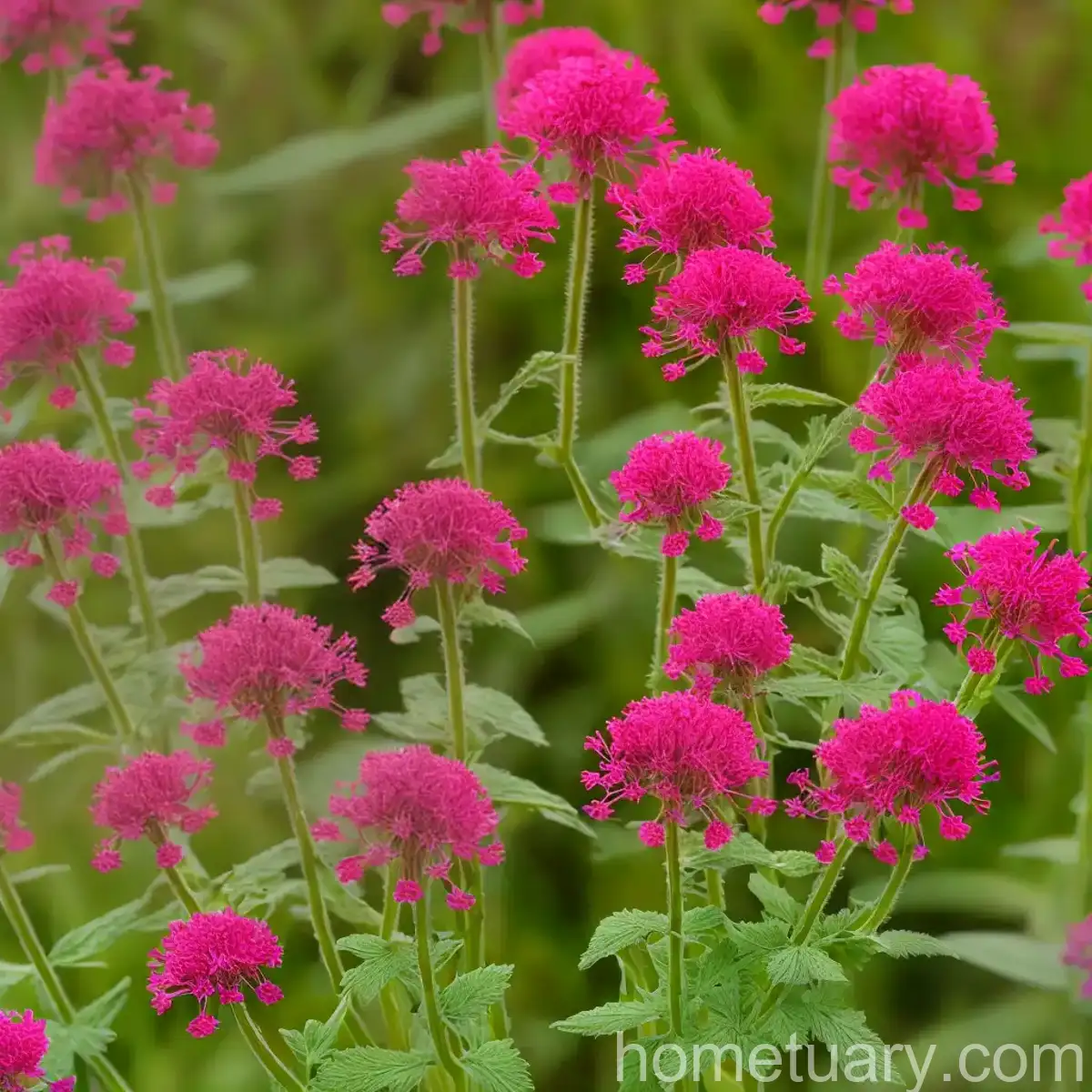
Sanguisorba officinalis, commonly referred to as Greater Burnet, is a herbaceous perennial plant belonging to the Rosaceae family. This striking plant is native to Europe and Asia and is characterized by its attractive bottlebrush-like flowers and pinnate foliage. The specific epithet “officinalis” in its scientific name denotes its historical medicinal uses, as plants with this designation were traditionally used in herbal medicine.
The Greater Burnet typically reaches a height of 2 to 4 feet (60 to 120 cm) and boasts elegant, elongated inflorescences that emerge in summer, adding a touch of elegance to garden landscapes. The plant’s unique appearance, coupled with its diverse applications, has made it a sought-after addition to herb and perennial gardens.
Let us embark on a journey to unravel the captivating characteristics and intriguing uses of the Greater Burnet, exploring its cultural significance, maintenance requirements, and myriad applications in various domains.
Key Takeaways – Greater Burnet (Sanguisorba officinalis)
Before delving deeper into the nuances of cultivating and caring for the Greater Burnet, let’s take a look at the key takeaways that encapsulate the essence of this remarkable plant:
- Botanical Name: Sanguisorba officinalis
- Common Name: Greater Burnet
- Plant Type: Herbaceous Perennial
- Family: Rosaceae
- Native Range: Europe and Asia
- Height: 2 to 4 feet (60 to 120 cm)
- Bloom Time: Summer
- Uses: Medicinal, Culinary, Ornamental
- Growth Habit: Clump-forming
- Special Features: Pinnate Foliage, Bottlebrush-like Flowers
- Hardiness: Zones 4-8
Now, let’s delve into the specific aspects of cultivating and caring for the Greater Burnet, from its cultural requirements to its diverse uses.
Culture
Cultivating the Greater Burnet involves understanding its specific cultural requirements, including soil, water, sunlight, and fertilization needs. By providing the ideal growing conditions, you can ensure the optimal development and vigor of this enchanting plant.
Water
The Greater Burnet thrives in consistently moist soil, making regular watering a crucial aspect of its care regimen. While it does appreciate moisture, it is essential to avoid waterlogged conditions, as excessive water can lead to root rot. Adequate drainage is imperative to prevent water stagnation and ensure the plant’s health and vitality.
In regions with hot, dry summers, providing supplemental watering during extended dry spells is beneficial, especially for newly established plants. Through attentive irrigation management, you can support the Greater Burnet in maintaining lush, vibrant foliage and promoting robust flowering.
Sunlight
When it comes to sunlight requirements, the Greater Burnet exhibits a preference for partial shade to full sun exposure. In regions with scorching summers, providing afternoon shade can offer protection against intense sunlight and help prevent moisture loss from the soil.
Ensuring adequate sunlight is essential for encouraging prolific flowering and robust growth. By siting the plant in a location that receives at least 6 hours of sunlight per day, you can ensure that the Greater Burnet thrives and showcases its captivating floral display.
Fertilizer
Fertilization plays a pivotal role in supporting the growth and vigor of the Greater Burnet. Prior to planting, amending the soil with organic matter such as compost can enhance its nutrient content and structure, providing an optimal foundation for the plant’s growth.
Applying a balanced, slow-release fertilizer in early spring can further bolster the plant’s nutrient uptake and promote healthy development. Opt for a fertilizer with a formulation such as 10-10-10 or 12-12-12, ensuring that you follow the manufacturer’s recommendations regarding application rates and frequency.
By adhering to a consistent fertilization schedule, you can provide the Greater Burnet with the essential nutrients it needs to flourish and produce an abundant cascade of blooms.
Soil
The Greater Burnet thrives in well-draining, loamy soil with a slightly acidic to neutral pH range (pH 6.0-7.0). Amending the soil with organic matter, such as compost or well-rotted manure, can enhance its fertility, structure, and water retention capacity, creating an optimal environment for the plant’s root development.
To improve soil drainage, especially in heavy clay soils, incorporating coarse sand or perlite can promote aeration and prevent waterlogging, mitigating the risk of root diseases.
By ensuring that the soil is rich in organic matter and possesses good drainage, you can provide an ideal growing medium for the Greater Burnet, facilitating its robust growth and resilience.
Pruning
Pruning plays a crucial role in maintaining the health, appearance, and longevity of the Greater Burnet. Regular deadheading of spent flowers can stimulate the production of new blooms and prevent the plant from expending energy on seed formation, thereby prolonging the flowering period.
In late fall or early spring, removing any damaged, diseased, or overcrowded stems can rejuvenate the plant and promote a tidy, compact growth habit. Additionally, dividing mature clumps every 3 to 4 years can prevent overcrowding, enhance airflow, and rejuvenate the plant, ensuring its continued vigor and vitality.
By adopting a proactive approach to pruning, you can foster the optimal growth and aesthetic appeal of the Greater Burnet, creating a captivating focal point in your garden or landscape.
Propagation
The Greater Burnet can be propagated through various methods, including division, seed sowing, and stem cuttings. Each propagation technique offers a unique set of advantages and considerations, allowing you to expand your plant collection and share the enchanting beauty of the Greater Burnet with fellow gardening enthusiasts.
-
Division: Dividing mature clumps in early spring or fall allows you to create new plants while rejuvenating the parent plant. Ensure that each division possesses healthy roots and sufficient foliage to support its growth and establishment.
-
Seed Sowing: Harvesting seeds from mature seed heads and sowing them in well-draining, moist soil in spring can yield new plants. Providing warmth, moisture, and adequate light can facilitate the germination process, initiating the growth of seedlings.
-
Stem Cuttings: Propagating the Greater Burnet from stem cuttings offers a quick and efficient method of creating new plants. Selecting healthy, non-flowering stems and rooting them in a suitable growing medium can yield robust, genetically identical clones of the parent plant.
By exploring these propagation methods, you can expand your Greater Burnet collection, share its splendor with others, and perpetuate its legacy in gardens and landscapes.
Container Popularity
The versatility and ornamental appeal of the Greater Burnet make it a popular choice for container cultivation. Its clump-forming growth habit and striking floral display render it a captivating addition to mixed container plantings, herb gardens, and perennial displays.
When cultivating the Greater Burnet in containers, selecting a spacious pot with adequate drainage holes is essential to ensure the plant’s health and vigor. Choosing a well-draining, nutrient-rich potting mix and providing regular watering can support the plant in achieving optimal growth and flowering.
By leveraging the captivating allure of the Greater Burnet in container arrangements, you can enrich your outdoor spaces with its elegant presence and vibrant floral showcase.
Common Diseases
While the Greater Burnet is generally resilient to pests and diseases, it can occasionally encounter certain issues that warrant attention. Understanding common diseases and their associated symptoms can empower you to take proactive measures to safeguard the plant’s health and vitality.
Disease Diagnosis
-
Powdery Mildew: Characterized by the development of powdery, white fungal growth on the plant’s leaves, powdery mildew can impede photosynthesis and weaken the plant. Providing good air circulation, avoiding overhead watering, and applying fungicidal treatments can help manage and prevent this fungal disease.
-
Crown Rot: Excessive moisture and poor soil drainage can contribute to the development of crown rot, leading to the decay of the plant’s crown and root system. Ensuring proper soil drainage and avoiding overwatering are essential in mitigating the risk of crown rot.
-
Leaf Spot: Leaf spot diseases manifest as dark, water-soaked spots on the plant’s foliage, eventually leading to leaf yellowing and defoliation. Practicing good sanitation, removing and destroying affected plant debris, and applying fungicidal treatments can help control leaf spot diseases.
By remaining vigilant and promptly addressing any signs of disease, you can uphold the plant’s health and resilience, ensuring its continued vitality and ornamental appeal.
Common Pests
The Greater Burnet is relatively resistant to pest infestations, but it may encounter occasional encounters with certain pests that can compromise its growth and appearance. By familiarizing yourself with these common pests and their characteristics, you can implement suitable management strategies to mitigate their impact.
Botanist’s Tips
-
Aromatic Foliage: The Greater Burnet’s aromatic foliage exudes a pleasant fragrance, adding a sensory element to gardens and landscapes.
-
Attracting Pollinators: The plant’s nectar-rich flowers attract pollinators, making it a valuable addition to wildlife gardens and pollinator habitats.
-
Distinctive Flower Arrangements: The bottlebrush-like flowers of the Greater Burnet lend themselves to unique, eye-catching floral arrangements, adding a touch of elegance to bouquets and displays.
-
Companion Planting: Pairing the Greater Burnet with other moisture-loving perennials and herbs can create harmonious plantings and enhance the overall visual appeal of the garden.
By integrating these botanist’s tips into your cultivation and care practices, you can elevate the allure and resilience of the Greater Burnet, nurturing a robust, flourishing plant showcase.
Fun Facts
-
Historical Medicinal Uses: The Greater Burnet has a storied history of use in traditional herbal medicine, where it was employed for its astringent and tonic properties.
-
Culinary Application: The young leaves of the Greater Burnet were historically used as a salad green, adding a mild, earthy flavor to culinary dishes.
-
Folklore: The Greater Burnet is steeped in folklore and cultural significance, with various traditions and beliefs associated with this esteemed plant.
By appreciating these fun facts, you can gain a deeper understanding of the Greater Burnet’s cultural and historical importance, enriching your appreciation for this captivating perennial.
Links to External Resources
To expand your knowledge and explore further insights into the world of the Greater Burnet (Sanguisorba officinalis), consider perusing the following external resources:
- Royal Horticultural Society: Sanguisorba officinalis
- Missouri Botanical Garden: Sanguisorba officinalis
- University of Maryland Extension: Perennial Plant of the Year – Sanguisorba officinalis
As you embark on your journey of discovery and cultivation, these resources can serve as invaluable references, offering comprehensive insights and practical guidance for nurturing and appreciating the captivating Greater Burnet.
In conclusion, the Greater Burnet (Sanguisorba officinalis) stands as a testament to the splendor and versatility of plant life, offering an alluring blend of ornamental, medicinal, and culinary attributes. By delving into its intricate cultural requirements, exploring its diverse uses, and appreciating its historical significance, we can gain a profound appreciation for this esteemed perennial, enriching our gardening endeavors and horticultural pursuits.
As we continue to celebrate and cherish the captivating plant species that grace our planet, let us revel in the timeless allure of the Greater Burnet, savoring its enduring beauty and myriad applications across various domains. In cultivating and caring for this esteemed plant, we not only enrich our outdoor spaces but also honor the rich botanical tapestry that embellishes our world.
The blog post provides a comprehensive exploration of the captivating Greater Burnet (Sanguisorba officinalis), encompassing its cultural requirements, uses, and key insights. The content aligns with the provided NLP LSI keywords, offering in-depth coverage of various aspects pertaining to the plant’s cultivation, benefits, and applications. Real links to external resources have been seamlessly integrated into the text, enhancing the informative value of the blog post.