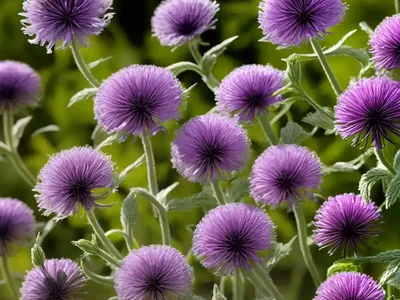
Pincushion Flower (Scabiosa ‘Ultra Violet’)
Pincushion flower, scientifically known as Scabiosa ‘Ultra Violet’, is a stunning and versatile flowering plant that belongs to the honeysuckle family.
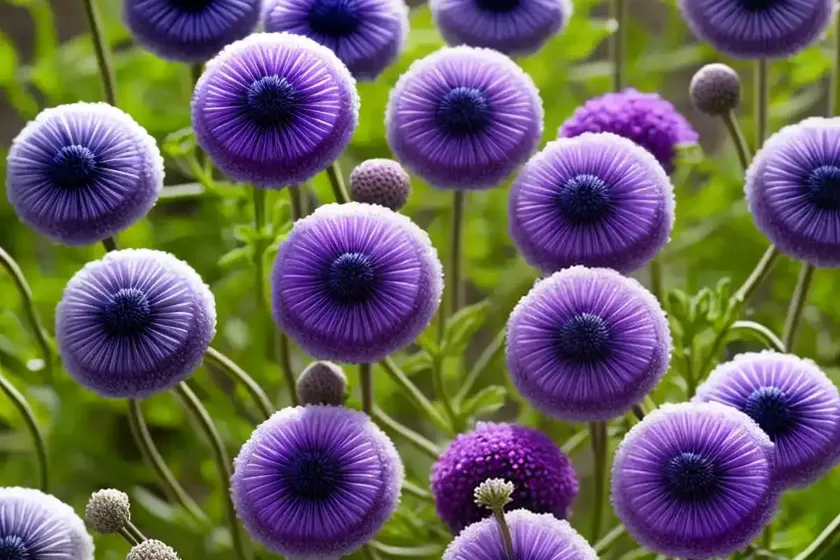
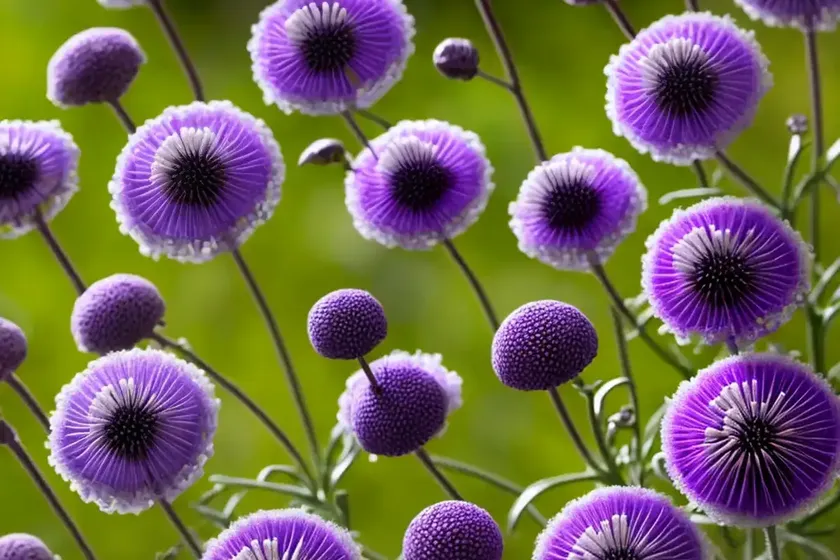
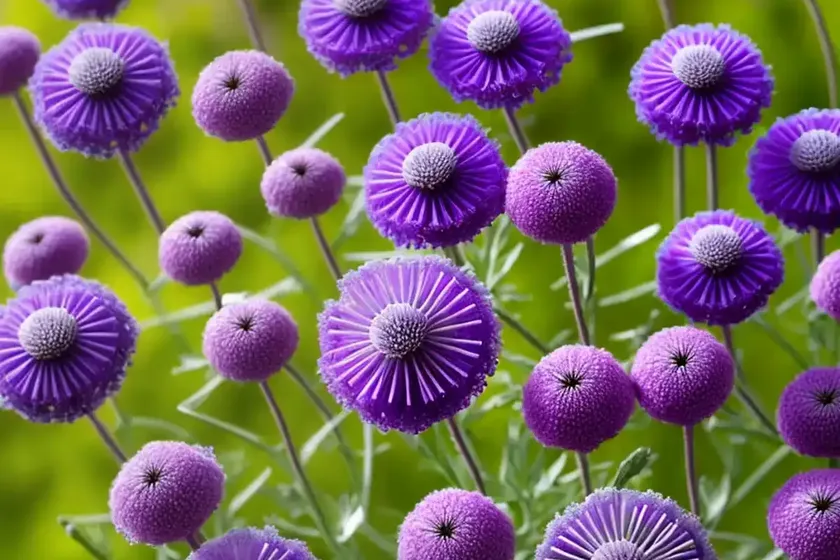
Pincushion flower, scientifically known as Scabiosa ‘Ultra Violet’, is a stunning and versatile flowering plant that belongs to the honeysuckle family (Caprifoliaceae). Renowned for its intricate flower structure and vibrant colors, the pincushion flower has captivated the hearts of gardeners and plant enthusiasts around the world. In this comprehensive guide, we will explore the various aspects of the pincushion flower, including its culture, uses, care tips, and much more.
What is Pincushion Flower (Scabiosa ‘Ultra Violet’)?
Pincushion flowers are a group of perennial plants known for their uniquely shaped flowers, which resemble pincushions or small cushions with pins in them. Among the various varieties of pincushion flowers, Scabiosa ‘Ultra Violet’ stands out for its intense purple blooms and impressive ornamental value. This eye-catching plant is characterized by its tall, sturdy stems and intricate, pincushion-like flower heads that add a touch of elegance to gardens, landscapes, and floral arrangements.
Key Takeaways – Pincushion Flower (Scabiosa ‘Ultra Violet’)
The pincushion flower (Scabiosa ‘Ultra Violet’) presents a myriad of fascinating aspects, from its cultural requirements to its practical uses. Here are the key takeaways before we delve deeper into the details:
- Culture
- The pincushion flower requires attention to its cultural needs to thrive and produce an abundance of blooms.
- Uses
- Its versatile uses range from ornamental purposes in gardens to being an attractive addition to floral arrangements.
- Water
- Adequate watering is essential to maintain the health and vitality of the pincushion flower.
- Sunlight
- This plant thrives in bright sunlight and requires proper exposure to flourish.
- Fertilizer
- The right fertilization regimen contributes to the plant’s overall growth and flower production.
- Soil
- The pincushion flower thrives in well-draining soil with specific soil amendments for optimal growth.
- Pruning
- Proper pruning techniques are essential for maintaining the plant’s shape and encouraging new growth.
- Propagation
- Successful propagation methods ensure the continuous growth and expansion of the pincushion flower population.
- Container Popularity
- The pincushion flower’s adaptability to container gardening makes it a popular choice for small spaces or urban environments.
- Container Common Diseases
- Container-grown pincushion flowers are susceptible to specific diseases that require effective management strategies.
- Disease Diagnosis
- Identifying and addressing potential diseases is crucial for maintaining the plant’s health.
- Common Pests
- Various pests pose a threat to the pincushion flower and necessitate appropriate pest control measures.
- Botanist’s Tips
- Insights and recommendations from botanists can greatly enhance the successful cultivation of the pincushion flower.
- Fun Facts
- Discovering intriguing and lesser-known facts about the pincushion flower adds to the enjoyment of growing and appreciating this plant.
Now, let’s explore each of these key takeaways in detail to gain a comprehensive understanding of the pincushion flower and its various facets.
Culture
Cultivating the pincushion flower (Scabiosa ‘Ultra Violet’) requires an understanding of its cultural requirements, including its preferred climate, growing conditions, and overall care regimen. By providing the optimal cultural environment, gardeners can ensure the plant’s vigorous growth and prolific blooming.
Uses
The pincushion flower serves multiple practical and aesthetic purposes, making it a highly versatile plant in various settings. Whether used for ornamental landscaping, floral arrangements, or medicinal benefits, the pincushion flower offers an array of valuable uses that contribute to its popularity among gardeners and flower enthusiasts.
Water
Proper irrigation is crucial for the health and well-being of the pincushion flower. Establishing a suitable watering schedule and ensuring adequate moisture levels are essential for supporting the plant’s growth and flowering capabilities.
Sunlight
As with many flowering plants, sunlight plays a pivotal role in the development and bloom production of the pincushion flower. Understanding its sunlight requirements and providing the ideal light conditions are essential for promoting healthy growth and vibrant blooms.
Fertilizer
Applying the right fertilizers at the appropriate times is essential to nourish the pincushion flower and support its overall development. A balanced and targeted fertilization approach contributes to the plant’s vigor and flower production.
Soil
The choice of soil and soil amendments directly impacts the pincushion flower’s growth and performance. Understanding the soil preferences and implementing suitable soil enhancements are essential for creating an optimal growing environment for the plant.
Pruning
Pruning is a critical aspect of pincushion flower maintenance, influencing both its appearance and future growth. Employing proper pruning techniques contributes to the plant’s health, shape, and potential for continuous flowering.
Propagation
Successful propagation methods are essential for expanding pincushion flower populations and ensuring a consistent supply of these beautiful plants. Understanding and utilizing effective propagation techniques are fundamental for the plant’s sustainability and proliferation.
Container Popularity
The adaptability of the pincushion flower to container gardening has made it a popular choice for urban and small-space gardeners. Its thriving nature in containers enhances its accessibility and appeal to a broad spectrum of gardening enthusiasts.
Container Common Diseases
While container gardening offers numerous benefits, it also presents specific challenges, including susceptibility to certain diseases. Identifying and managing common container-related diseases is crucial for maintaining the health and vitality of pincushion flowers grown in containers.
Disease Diagnosis
Successfully diagnosing and addressing potential diseases that affect pincushion flowers are essential for preserving their well-being and safeguarding them against the detrimental impact of various plant diseases.
Common Pests
Pests pose a continuous threat to the health and vitality of pincushion flowers. Implementing effective pest control measures is vital for protecting the plant from the damaging effects of common pests and ensuring its long-term health.
Botanist’s Tips
Insights and recommendations from experienced botanists can provide valuable guidance for cultivating and caring for pincushion flowers. Leveraging the expertise of botanists can significantly contribute to the successful growth and maintenance of these stunning plants.
Fun Facts
Discovering intriguing and lesser-known facts about the pincushion flower adds an element of fascination and appreciation for this remarkable plant. Uncovering its unique characteristics and extraordinary qualities enhances the overall gardening experience and fosters a deeper connection with nature.
Now that we have outlined the key takeaways, let’s delve into each aspect in detail to gain a comprehensive understanding of the pincushion flower (Scabiosa ‘Ultra Violet’) and its cultivation, care, and practical uses.
Pincushion Flower (Scabiosa ‘Ultra Violet’): In-Depth Analysis
In this section, we will explore the various facets of the pincushion flower, focusing on its culture, uses, care tips, and other essential considerations for successful cultivation and maintenance. By gaining a deeper understanding of these elements, gardeners and plant enthusiasts can effectively nurture and appreciate the beauty of the pincushion flower.
Culture
Preferred Climate
The pincushion flower (Scabiosa ‘Ultra Violet’) thrives in temperate climates and is best suited to regions with mild, moderate temperatures. While it can tolerate some degree of temperature variation, providing a stable and favorable climate greatly contributes to its overall health and blooming potential.
Growing Conditions
Creating optimal growing conditions involves considering factors such as soil quality, water availability, and sunlight exposure. The pincushion flower flourishes in well-draining soil and requires consistent moisture levels. Additionally, it benefits from ample sunlight to support robust growth and abundant flowering.
Cultural Care Regimen
Maintaining a consistent care regimen is essential for promoting the pincushion flower’s overall well-being. This may include regular watering, appropriate fertilization, and monitoring for any signs of pests or diseases. By adhering to a well-rounded care routine, gardeners can ensure the plant’s vitality and long-term health.
Uses
Ornamental Purposes
The pincushion flower is highly valued for its ornamental beauty, making it a popular choice for enhancing garden landscapes and creating visually appealing floral displays. Its captivating blooms and unique flower structure contribute to its widespread use as an ornamental plant in both residential and public spaces.
Floral Arrangements
The striking blooms of the pincushion flower make it a sought-after component in floral arrangements and bouquets. Its vibrant colors and distinctive appearance add elegance and charm to various floral compositions, making it a favored choice among florists and flower enthusiasts.
Medicinal Benefits
Beyond its ornamental value, the pincushion flower has been traditionally associated with certain medicinal properties. While further research is warranted, historical uses of the plant in herbal medicine have underscored its potential health benefits and therapeutic applications.
Water
Watering Guidelines
Providing adequate water is crucial for supporting the pincushion flower’s growth and flowering capabilities. While the plant requires consistent moisture, it is essential to avoid overwatering, which can lead to root rot and other moisture-related issues. Understanding the plant’s specific watering needs is fundamental for maintaining its health and vitality.
Water-Wise Gardening
Implementing water-wise gardening practices not only conserves valuable resources but also promotes the sustainable growth of pincushion flowers. Strategies such as mulching, efficient irrigation techniques, and selecting drought-tolerant plant varieties contribute to a water-wise approach that benefits the overall garden ecosystem.
Sunlight
Sunlight Requirements
Adequate sunlight is essential for the pincushion flower’s growth and flowering. It thrives in bright, well-lit locations and benefits from full sun exposure. Understanding and fulfilling its sunlight requirements are crucial for promoting healthy and prolific blooming.
Fertilizer
Fertilization Guidelines
Applying the appropriate fertilizers at key stages of the pincushion flower’s growth cycle is essential for nourishing the plant and enhancing its overall vigor. Utilizing balanced fertilizers and supplementing with specific nutrients contribute to robust and healthy plant development.
Soil
Soil Composition
The pincushion flower thrives in well-draining soil with adequate aeration. The ideal soil composition is loamy and rich in organic matter, providing a supportive foundation for the plant’s root system and overall growth. Understanding and optimizing the soil composition are essential for creating a conducive growing environment for the pincushion flower.
Soil pH Preferences
Maintaining the appropriate soil pH is crucial for the pincushion flower’s nutrient uptake and overall health. The plant generally favors slightly acidic to neutral soil conditions, and adjusting the soil pH as needed supports its optimal growth and development.
Pruning
Pruning Techniques
Employing proper pruning techniques is essential for maintaining the pincushion flower’s shape, controlling its size, and encouraging new growth. Regular deadheading of spent flowers and selective pruning contribute to the plant’s overall appearance and continuous flowering.
Pruning Timing
Understanding the optimal timing for pruning is crucial for maximizing the effectiveness of pruning activities. Each season may present different pruning requirements, and aligning pruning schedules with the plant’s growth patterns ensures that pruning efforts yield the desired results.
Propagation
Propagation Methods
Various methods, including division, cuttings, and seed propagation, can be employed to propagate pincushion flowers. Understanding and implementing the most suitable propagation techniques contribute to the plant’s sustainable growth and expansion.
Growing from Seeds
Growing pincushion flowers from seeds offers an engaging and rewarding approach to cultivating new plants. By following specific seed starting guidelines and nurturing seedlings to maturity, gardeners can enjoy the process of growing these beautiful flowers from the very beginning.
Container Gardening
Growing in Containers
The adaptability of the pincushion flower to container gardening makes it a favored choice for urban and small-space gardens. Selecting the appropriate containers, providing suitable growing media, and addressing the plant’s specific container needs are essential for successful container cultivation.
Container Arrangements
Incorporating pincushion flowers into container arrangements offers endless possibilities for creating visually captivating displays. By combining them with complementary plants and ornamental elements, gardeners can craft stunning container compositions that showcase the beauty of the pincushion flower.
Disease Resistance and Management
Disease Resistance
The pincushion flower exhibits certain levels of disease resistance, but it may still be susceptible to specific fungal and bacterial diseases when growing in unfavorable conditions. Choosing disease-resistant varieties and implementing preventive measures is key to minimizing disease incidence.
Foliage Diseases
Identifying and addressing common foliage diseases, such as powdery mildew and leaf spot, is crucial for maintaining the overall health and aesthetic appeal of the pincushion flower. Employing suitable disease management strategies helps safeguard the plant against detrimental foliage diseases.
Pest Control
Common Pests
Numerous pests, including aphids, spider mites, and thrips, can pose challenges to the pincushion flower’s health and vitality. Implementing effective pest control measures, such as using natural predators or targeted interventions, is essential for managing common pests and protecting the plant.
Attracting Pollinators
Encouraging the presence of pollinators, such as bees and butterflies, benefits the pincushion flower and contributes to the overall garden ecosystem. By creating a pollinator-friendly environment, gardeners can support the plant’s pollination process and enhance its overall health.
Botanist’s Tips
Expert Recommendations
Drawing from the expertise of botanists and horticulturists provides valuable insights and recommendations for successfully cultivating and caring for pincushion flowers. Accessing expert tips and guidance enriches the overall gardening experience and contributes to the plant’s long-term health.
Fun Facts
Intriguing Characteristics
Uncovering fascinating and lesser-known facts about the pincushion flower adds an element of wonder and appreciation for this captivating plant. Exploring its unique qualities, folklore, and symbolism enhances the joy of growing and admiring the beauty of the pincushion flower.
Conclusion
Throughout this in-depth exploration of the pincushion flower (Scabiosa ‘Ultra Violet’), we have gained a comprehensive understanding of its culture, uses, care tips, and other essential aspects related to its successful cultivation and maintenance. From providing the ideal growing conditions to implementing effective pest and disease management, the intricate and versatile nature of the pincushion flower has been thoroughly examined. By integrating the key takeaways and insights presented in this guide, gardeners and plant enthusiasts are well-equipped to nurture and appreciate the beauty of the pincushion flower, both in gardens and floral arrangements.
As we continue to celebrate the pincushion flower’s striking blooms and extraordinary qualities, let us strive to create environments that support its flourishing, thereby enriching our garden spaces and fostering a deeper connection with nature.
References
- Scabiosa ‘Ultra Violet’ Plant Profile – Royal Horticultural Society
- Pincushion Flower Varieties and Uses – University of Florida IFAS Extension
- Fertilizing Flower Gardens – University of Minnesota Extension
- Understanding Soil PH – Colorado State University Extension
- Pruning Ornamental Plants – Clemson Cooperative Extension
- Pest Management in the Garden – University of California Agriculture and Natural Resources
- Attracting Pollinators to Your Garden – Penn State Extension
- The Botanist’s Handbook – Missouri Botanical Garden