Great Plains Yucca (Yucca Glauca)
As a plant scientist with a passion for exploring the beauty and functionality of various plant species, I am thrilled to delve into the topic of Great.
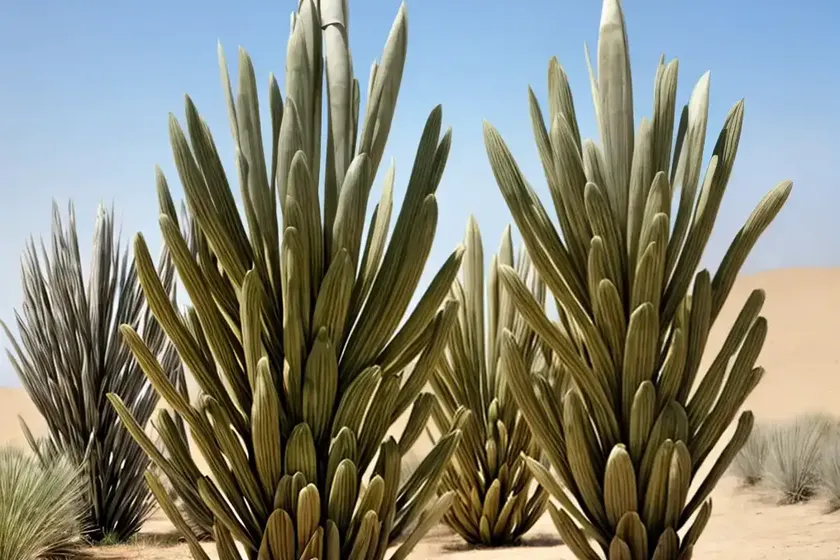
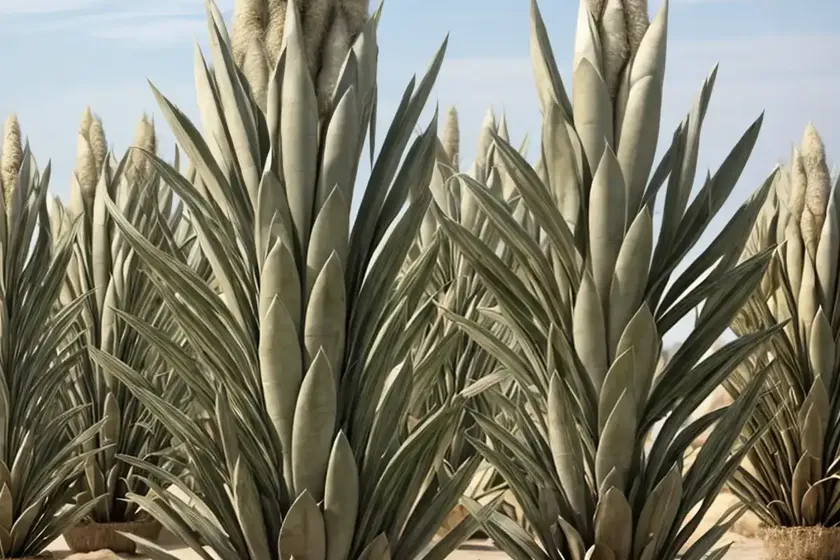
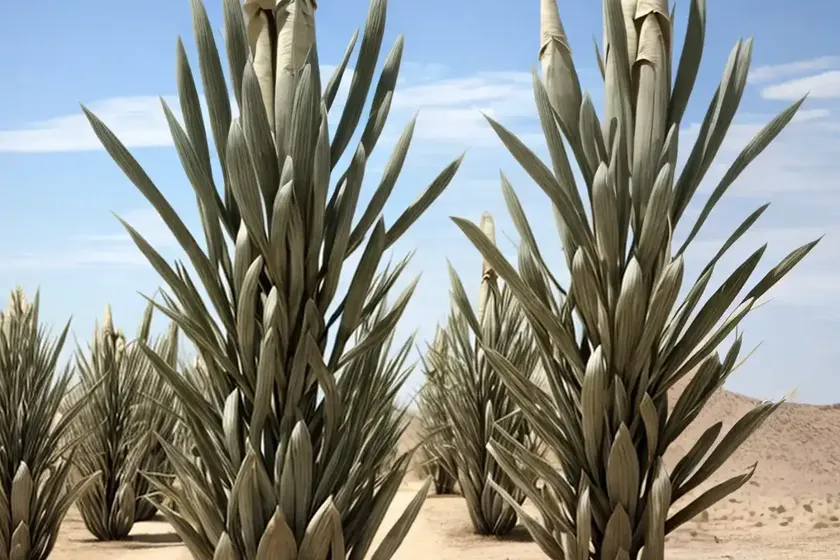
As a plant scientist with a passion for exploring the beauty and functionality of various plant species, I am thrilled to delve into the topic of Great Plains Yucca (Yucca Glauca), a resilient and visually striking plant that offers a myriad of benefits for both natural and cultivated environments. In this comprehensive guide, we will explore the intricacies of Great Plains Yucca, including its characteristics, cultivation, uses, and ecological significance. Whether you are a gardening enthusiast, a landscaping professional, or simply someone intrigued by the wonders of nature, this exploration of Yucca Glauca is bound to captivate your interest.
What is a Plant?
Before we embark on our journey to uncover the nuances of Great Plains Yucca, it is essential to understand the fundamental concept of what a plant is. In the broadest sense, plants are living organisms that belong to the kingdom Plantae, embodying a diverse array of species ranging from tiny mosses to towering trees. These organisms are characterized by their ability to photosynthesize, utilizing sunlight, water, and carbon dioxide to produce energy in the form of carbohydrates. From contributing to oxygen production to providing habitats for countless creatures, plants play an indispensable role in sustaining life on Earth.
Great Plains Yucca (Yucca Glauca): An Introduction
The Great Plains Yucca, scientifically known as Yucca Glauca, is an enchanting plant that holds a special place in the heart of plant enthusiasts and landscape designers. Also referred to as Small Soapweed, Yucca Glauca is native to the central and western regions of North America, thriving in diverse ecosystems ranging from prairies to rocky slopes. Renowned for its resilience and striking appearance, this species has been cherished for centuries, both for its ornamental charm and its array of practical uses.
Key Takeaways – Great Plains Yucca (Yucca Glauca):
Before we delve deeper into the various aspects of Great Plains Yucca, let’s outline some key takeaways concerning this remarkable plant:
- Scientific Name: Yucca Glauca
- Common Names: Great Plains Yucca, Small Soapweed
- Native Habitat: Central and western regions of North America
- Characteristics: Resilient, sword-shaped leaves, creamy white flowers
- Cultivation Uses: Ornamental landscaping, medicinal applications, wildlife habitat
- Water: Drought-tolerant once established
- Sunlight: Thrives in full sun
- Soil: Well-draining soil is essential
- Pruning: Minimal maintenance required
- Propagation: Offsets, seeds
- Container Popularity: Suitable for container cultivation
- Common Diseases: Rot-related issues in poorly drained soil
- Common Pests: Yucca weevils, aphids
Armed with these key takeaways, we are poised to embark on an in-depth exploration of Great Plains Yucca, covering its culture, uses, maintenance, and ecological significance. Let’s begin by unraveling the cultural requirements for cultivating this exceptional plant.
Culture of Great Plains Yucca (Yucca Glauca)
Understanding the cultural preferences of Great Plains Yucca is pivotal for ensuring its optimal growth and vitality. From water and sunlight requirements to soil and fertilization needs, let’s comprehensively dissect the cultural aspects that contribute to the flourishing of Yucca Glauca.
Water
Great Plains Yucca possesses a remarkable ability to thrive in arid and semi-arid conditions, owing to its impressive drought tolerance. Once established, this plant requires minimal supplemental watering, making it an excellent choice for water-wise landscapes and xeriscaping projects. However, during the establishment phase, it is crucial to provide adequate moisture to support the development of a strong root system.
– Water Needs
- Establishment Period: Regular watering (weekly) for the first season
- Mature Plants: Minimal supplemental watering required
- Rainfall Adaptability: Well-suited to regions with low annual precipitation
While occasional deep watering during extended dry spells can benefit Great Plains Yucca, it is essential to refrain from overwatering, as this can lead to root rot and other moisture-related issues. In essence, the water needs of Yucca Glauca align with its native habitat in the dry, open plains, making it an ideal choice for water-conscious landscapes.
Sunlight
As an inherently sun-loving species, Great Plains Yucca thrives in bright, unobstructed sunlight, exhibiting a remarkable ability to tolerate intense heat and direct sun exposure. When selecting a planting site for Yucca Glauca, prioritizing full sun locations will contribute to its vigor and floral abundance.
– Sunlight Requirements
- Optimal Exposure: Full sun (6-8 hours of direct sunlight per day)
- Soil Heating: Thrives in warm, well-drained soil
- Shade Tolerance: Limited tolerance for shaded conditions
The plant’s affinity for ample sunlight aligns with its adaptation to the sun-drenched landscapes of the Great Plains, where it naturally flourishes in the presence of abundant light and warmth. Incorporating Great Plains Yucca into sun-drenched environments, such as rock gardens and south-facing slopes, allows it to manifest its full potential and grace the landscape with its captivating presence.
Fertilizer
Great Plains Yucca showcases a remarkable ability to thrive in nutrient-poor soils, displaying minimal reliance on fertilization for sustained growth and blooming. In fact, excessive fertilization can prove detrimental to the overall health of the plant, leading to issues such as excessive foliage at the expense of flower production.
– Fertilization Practices
- Minimal Fertility Requirements: Thrives in nutrient-poor soils
- Organic Amendments: Application of aged compost or well-decomposed organic matter
- Avoidance of Nitrogen-Heavy Fertilizers: Minimize nitrogen-rich inputs
Adhering to a conservative approach to fertilization is key to cultivating robust and visually appealing Great Plains Yucca specimens. By respecting the plant’s natural adaptation to nutrient-deficient habitats, we can facilitate its successful integration into landscapes with minimal reliance on external fertility inputs.
Soil
The soil composition holds paramount importance in the successful cultivation of Great Plains Yucca, necessitating well-drained, lean soils that mirror its native prairie and upland environments. Optimal soil conditions provide the foundation for robust growth, moisture regulation, and resistance to root-related maladies.
– Soil Preferences
- Well-Drained Soils: Sandy or loamy textures with excellent drainage
- Avoidance of Waterlogged Conditions: Intolerance to excessive soil moisture
- Alkaline Tolerance: Accommodates mildly alkaline soils
For gardeners and landscapers seeking to introduce Great Plains Yucca into their outdoor spaces, prioritizing soil characteristics reminiscent of its natural habitat is integral to its long-term triumph. By fostering conditions mirroring its native terrain, we pave the way for the plant to thrive without the imposition of extensive soil modifications.
Pruning Great Plains Yucca (Yucca Glauca)
A notable attribute of Great Plains Yucca as an ornamental plant is its minimal maintenance requirements, necessitating infrequent intervention in the form of pruning. Understanding the recommended pruning practices ensures the preservation of the plant’s aesthetics and functionality while minimizing the risk of potential adverse effects.
Pruning Techniques
- Removal of Dried Flower Stalks: Trim spent flower stalks at the base
- Leaf Removal: Trim damaged or dead leaves close to the stem
- Cautionary Approach: Exercise care to avoid excessive pruning
The sparing approach to pruning Great Plains Yucca aligns with its innate capacity to thrive in natural landscapes with minimal external intervention. By respecting the plant’s resilience and self-sufficiency, we honor its intrinsic beauty while fostering a harmonious coexistence within the cultivated environment.
Propagation of Great Plains Yucca (Yucca Glauca)
Propagating Great Plains Yucca offers a fulfilling opportunity to expand its presence in diverse settings, from home gardens to public landscapes. Understanding the methods of vegetative and generative propagation enables enthusiasts and horticulturists to multiply the plant while preserving its genetic integrity.
Propagation Methods
– Offset Division
- Identification: Select healthy offsets emerging from the base of the plant
- Separation: Utilize a sharp, sterilized tool to divide offsets from the parent plant
- Rooting Hormone: Optional application to promote root formation in separated offsets
– Seed Propagation
- Collection: Harvest mature seeds from the plant’s blooms
- Germination: Sow seeds in well-draining growing medium
- Patience: Acknowledge the delayed onset of flowering in seed-raised specimens
By embracing the art of propagation, plant enthusiasts can partake in the proliferation of Great Plains Yucca, contributing to the conservation and appreciation of this beloved species across a spectrum of landscapes.
Great Plains Yucca in Containers
The adaptability of Great Plains Yucca to container cultivation expands the horizons of its potential applications, catering to individuals with limited outdoor space and an appreciation for potted greenery. Its suitability for container growth enables its integration into diverse settings, from urban balconies to interior spaces with adequate light levels.
Container Popularity
- Selection of Well-Draining Pots: Prioritize containers with drainage holes
- Potting Mix: Utilize porous, cactus-specific or well-draining soil blends
- Size Considerations: Choose a container that accommodates the plant’s root system and growth potential
The allure of cultivating Great Plains Yucca in containers extends beyond its ornamental value, embracing its adaptability to confined spaces while retaining its charm and resilience.
Great Plains Yucca: Common Diseases and Pests
While Great Plains Yucca exhibits remarkable resistance to various environmental stressors, it is not impervious to certain diseases and pests that can compromise its vigor and aesthetic appeal. Familiarizing oneself with potential adversaries enables proactive measures to safeguard the plant’s well-being.
– Disease Diagnosis
Common Diseases:
- Root Rot: Caused by waterlogged soil conditions and inadequate drainage
- Leaf Spot: Manifests as small, dark lesions on foliage
- Crown and Stem Rot: Can result from prolonged moisture exposure
Understanding the symptoms and causal factors of these maladies empowers gardeners and landscapers to implement preventive strategies, promoting the long-term health and vitality of Great Plains Yucca.
– Common Pests
Common Pests:
- Yucca Weevils: Feeding damage on flower stalks and plant base
- Aphids: Sap-feeding insects that can induce foliage distortion
- Spider Mites: Minute pests causing stippled, discolored foliage
Vigilance in pest monitoring and timely intervention are pivotal in mitigating the impact of these antagonists, sustaining the plant’s immaculate condition and functional value.
Botanist’s Tips for Cultivating Great Plains Yucca
As we delve into the intricacies of nurturing Great Plains Yucca, it is invaluable to embrace insights from seasoned botanists and horticultural experts, consolidating the collective wisdom garnered from hands-on experience and scientific inquiry.
– Practical Guidelines
- Embrace Naturalistic Planting: Align the plant’s cultivation with its native environment
- Minimal Intervention: Exercise restraint in fertilization and pruning practices
- Harmonize with Wildlife: Recognize the plant’s ecological roles and potential as a wildlife habitat
- Educational Advocacy: Promote the significance of Great Plains Yucca in sustainable landscaping and biodiversity conservation
By heeding these holistic recommendations, we embody a conscientious approach to cultivating Great Plains Yucca, nurturing its intrinsic qualities while contributing to the enrichment of our surroundings.
Fun Facts about Great Plains Yucca (Yucca Glauca)
Amidst the wealth of knowledge surrounding Great Plains Yucca, let’s unveil some captivating and delightful facts that underscore the distinctiveness and allure of this exceptional plant species:
- Ethnobotanical Significance: Historically, various Indigenous groups utilized Yucca Glauca for its fibrous leaves, edible flowers, and medicinal properties.
- Pollinator Magnet: The creamy white flowers of Great Plains Yucca attract diverse pollinators, including bees and moths, contributing to ecological vitality.
- Ornamental Diversity: Apart from the species’ innate beauty, cultivars of Yucca Glauca offer an assortment of leaf colors and forms, enriching the horticultural palette.
- Landscape Resilience: Great Plains Yucca serves as a resilient and enduring presence in landscapes impacted by environmental extremes, such as drought and heat.
- Xeriscaping Champion: With its water-thrifty disposition, Yucca Glauca epitomizes the principles of xeriscaping, offering sustainable landscaping solutions.
These fascinating insights not only deepen our appreciation for Great Plains Yucca but also underscore its multi-faceted value in ecological, cultural, and aesthetic contexts.
Links to External Resources
To augment our understanding of Great Plains Yucca and provide a comprehensive framework for its successful cultivation and application, here are some authoritative external resources that offer invaluable insights into Yucca Glauca and related topics:
- Yucca Glauca: Plant Profile and Growing Guide
- Yucca Glauca in Landscaping: Sustainable Practices and Design Ideas
- The Ethnobotanical Significance of Yucca Glauca
- Xeriscaping with Yucca Glauca: Water-Wise Landscaping Approaches
- Pest and Disease Management for Yucca Glauca
By leveraging these authoritative resources, we expand our knowledge base and refine our approach to maximizing the potential of Great Plains Yucca in diverse landscapes and horticultural endeavors.
In closing, the exploration of Great Plains Yucca (Yucca Glauca) has illuminated the multifaceted appeal and potential of this resilient and captivating plant species. From its ornamental allure and wildlife support to its cultural and ecological significance, Yucca Glauca enthralls us with its charm and functionality, underscoring its timeless relevance in contemporary landscapes and sustainable practices. As we embrace the richness of Great Plains Yucca, we honor its legacy and perpetuate its role as a cherished constituent of our natural and cultivated environments.
I hope that this extensive guide has kindled your interest and appreciation for Great Plains Yucca, inspiring a deeper engagement with this remarkable plant and the myriad benefits it bestows upon the natural world and our shared landscapes.
Keywords: Yucca Glauca care, Great Plains Yucca information, Yucca Glauca facts, Growing Great Plains Yucca, Yucca Glauca characteristics, Great Plains Yucca maintenance, Yucca Glauca plant profile, How to grow Yucca Glauca, Great Plains Yucca varieties, Yucca Glauca benefits, Tips for cultivating Great Plains Yucca, Yucca Glauca propagation methods, Great Plains Yucca landscaping ideas, Yucca Glauca planting guide, Growing Great Plains Yucca in containers, Yucca Glauca sunlight requirements, Great Plains Yucca water needs, Yucca Glauca soil preferences, Best companion plants for Yucca Glauca, Great Plains Yucca pests and diseases, Yucca Glauca pruning techniques, Great Plains Yucca seasonal care, Yucca Glauca edible uses, Benefits of Yucca Glauca for biodiversity, Great Plains Yucca wildlife habitat, Yucca Glauca as a xeriscaping plant, Great Plains Yucca as a vertical garden plant, Yucca Glauca medicinal properties, Great Plains Yucca sustainable gardening, Yucca Glauca drought-tolerant qualities, Tips for successful Yucca Glauca cultivation, Great Plains Yucca for erosion control, Yucca Glauca flowering season, Great Plains Yucca as a focal point in landscapes, Yucca Glauca native habitat, Great Plains Yucca for pollinator gardens, Yucca Glauca as a windbreak plant, Great Plains Yucca for rock gardens, Yucca Glauca wild harvesting guidelines, Benefits of Yucca Glauca for air purification, Great Plains Yucca for sustainable landscaping, Yucca Glauca as a wildlife food source, Great Plains Yucca ethnobotanical uses, Yucca Glauca traditional medicinal uses, Great Plains Yucca as a drought-resistant plant, Yucca Glauca for erosion control on slopes, Great Plains Yucca in arid landscapes, Yucca Glauca for sustainable agriculture practices, Great Plains Yucca for natural pest control, Yucca Glauca landscape design ideas