Great Ironweed (Vernonia arkansana): A Comprehensive Guide
Great ironweed (Vernonia arkansana) is a stunning perennial plant that is native to North America and is known for its impressive purple blooms. This plant has garnered attention not only for its aesthetic appeal but also for its ecological significance and potential medicinal properties. In this comprehensive guide, we will delve into the various aspects of great ironweed, including its cultivation, uses, maintenance, and ecological importance.
What is Great Ironweed (Vernonia arkansana)?
Great ironweed, scientifically known as Vernonia arkansana, belongs to the Asteraceae family, which includes a vast array of flowering plants. This species is native to the central and eastern regions of North America, particularly thriving in areas with moist soils, such as prairies, meadows, and along stream banks.
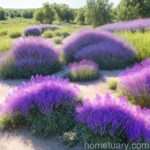
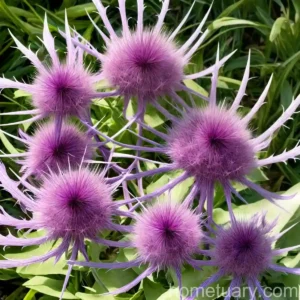
Great ironweed is characterized by its tall, upright growth habit, reaching heights of 3 to 7 feet. The plant features lance-shaped, serrated leaves that are often covered in fine hairs. However, its most striking feature is its dense clusters of vibrant purple flowers that emerge in late summer and early fall, creating a visually captivating display.
Key Takeaways – Great Ironweed (Vernonia arkansana)
Before we delve into the specifics of great ironweed cultivation and care, let’s explore some key takeaways about this remarkable plant:
- Scientific Name: Vernonia arkansana
- Family: Asteraceae
- Native Habitat: Central and eastern regions of North America
- Height: 3 to 7 feet
- Flowering Season: Late summer to early fall
- Flower Color: Vibrant purple
- Ecological Importance: Attracts pollinators, particularly butterflies, and serves as a wildlife habitat
Now that we have gained an overview of great ironweed, let’s explore its culture, uses, and the essential factors to consider for its successful growth.
Culture
The successful cultivation of great ironweed involves understanding its specific requirements in terms of water, sunlight, soil, and fertilizer. By creating an environment that mimics its natural habitat, gardeners can ensure that this plant thrives and presents its captivating display of purple blooms.
Uses
Great ironweed serves various purposes, making it a versatile addition to home gardens, natural landscapes, and even certain ecological restoration projects. Some of its key uses include:
- Ornamental Value: The striking clusters of purple flowers make great ironweed a visually appealing addition to perennial borders, wildflower meadows, and naturalistic garden designs.
- Ecological Significance: Its nectar-rich flowers attract a wide range of pollinators, including butterflies, bees, and other beneficial insects, contributing to the overall biodiversity of the area.
- Potential Medicinal Properties: While further research is needed, certain species within the Vernonia genus are believed to have medicinal properties. This potential makes great ironweed an intriguing subject for botanical studies.
Water
Great ironweed thrives in moist to wet soil conditions, making it ideal for locations with consistent moisture, such as near bodies of water or in low-lying areas of the garden. While the plant tolerates occasional drought once established, providing consistent moisture will support robust growth and prolific flowering.
Sunlight
In terms of sunlight requirements, great ironweed flourishes in full sun to partial shade. It can tolerate a range of light conditions, but it tends to produce the most abundant and vibrant blooms when grown in full sun. When planting great ironweed, selecting a site with ample sunlight exposure is essential for optimal performance.
Fertilizer
Due to its preference for nutrient-rich soils, great ironweed benefits from organic matter and balanced fertilizer. Incorporating compost into the soil at the time of planting and applying a general-purpose fertilizer in spring can provide the plant with the nutrients it needs to thrive and produce healthy foliage and abundant flowers.
Soil
The ideal soil for great ironweed is moist, well-draining, and rich in organic matter. It thrives in loamy or clay soils with ample nutrients and a pH range of 6.0 to 7.5. Amending the soil with compost or well-rotted manure can further improve its structure and fertility, creating an optimal growing environment for great ironweed.
Pruning
While great ironweed does not require extensive pruning, removing spent flower heads can prolong the blooming period and prevent self-seeding. Additionally, cutting back the stems to ground level in late fall or early winter can help rejuvenate the plant and maintain a tidy appearance.
Propagation
Great ironweed can be propagated through both seeds and division, offering gardeners multiple options for expanding their plantings. Here are the primary methods for propagating great ironweed:
- Seed Propagation: Sow seeds directly in the garden in fall or early spring, as they require a period of cold stratification to germinate. Alternatively, start seeds indoors in containers and transplant the seedlings to the garden after the last frost date.
- Division: In early spring, divide established clumps of great ironweed by carefully separating the root mass into smaller sections. Replant the divisions in suitable locations, ensuring they receive adequate moisture and sunlight.
Container Popularity
While great ironweed is typically grown in garden settings or naturalized areas, it can also thrive in large containers. This presents an opportunity for gardeners with limited space to enjoy the beauty and ecological benefits of this plant. When growing great ironweed in containers, choose a spacious pot that accommodates its vigorous growth and provides adequate support for its tall stems.
Common Diseases
Great ironweed is generally resistant to most pests and diseases, but several issues may occasionally affect its health. Understanding these potential problems and their management is crucial for maintaining the plant’s vigor and longevity.
Disease Diagnosis
Some common diseases that may impact great ironweed include:
- Powdery Mildew: This fungal disease can cause a white powdery growth on the foliage, leading to reduced photosynthesis and overall plant vigor. Improving air circulation and avoiding overhead watering can help prevent powdery mildew.
- Root Rot: Excessive soil moisture or poorly draining soils can lead to root rot, resulting in stunted growth and wilting. Ensuring proper drainage and avoiding overwatering are crucial for preventing this issue.
Common Pests
While great ironweed is relatively pest-resistant, it may occasionally attract certain insects. Some potential pests include:
- Aphids: These small, sap-sucking insects can gather on the tender new growth of great ironweed, potentially causing distortion and yellowing of the foliage. Insecticidal soaps or horticultural oils can effectively control aphid populations.
- Caterpillars: Certain caterpillar species may feed on the foliage of great ironweed, leading to visible damage. Monitoring the plant and manually removing caterpillars can help mitigate their impact.
Botanist’s Tips
For those interested in delving deeper into the world of great ironweed and expanding their botanical knowledge, here are some valuable tips:
- Botanical Exploration: Take the time to observe the intricate details of great ironweed, from the structure of its flowers to the arrangement of its leaves. Engaging in close botanical observation can lead to a deeper appreciation for the plant and its ecological role.
- Native Plant Conservation: Consider the ecological significance of great ironweed within its native habitat and explore ways to support the conservation of native plant species in your region. Participating in restoration projects or promoting the use of native plants in landscaping can contribute to the preservation of biodiversity.
Fun Facts
Exploring the fascinating aspects of great ironweed can offer insights into its unique qualities and ecological interactions. Here are some intriguing fun facts about this captivating plant:
- Wildlife Haven: The nectar-rich flowers of great ironweed attract a diverse array of pollinators, including bees, butterflies, and hummingbirds, making it a hub of activity in the garden ecosystem.
- Historical Significance: Certain indigenous tribes in North America utilized the roots and leaves of Vernonia species for various medicinal purposes, reflecting the plant’s historical importance in traditional medicine practices.
Links to External Resources
To further expand your knowledge of great ironweed (Vernonia arkansana) and explore additional resources, consider visiting the following links:
By incorporating these external resources into your botanical journey, you can gain a deeper understanding of great ironweed and its ecological and cultural significance.
In conclusion, great ironweed (Vernonia arkansana) stands as a testament to the beauty and resilience of native plants. Its impressive stature, vibrant blooms, and ecological contributions make it a valuable addition to natural landscapes, garden designs, and conservation initiatives. By embracing the unique characteristics and cultivation requirements of great ironweed, individuals can foster a deeper connection with nature and contribute to the preservation of native flora.
Through this comprehensive guide, we have embarked on a journey to uncover the intricate details of great ironweed, from its cultural needs to its ecological importance. By combining practical insights with botanical curiosity, we can nurture a greater appreciation for the remarkable diversity of plant life and its multifaceted roles in our world.