Gray Vervain (Verbena Canescens)
Gray Vervain, scientifically known as Verbena canescens, is a fascinating plant that has been utilized for centuries due to its medicinal properties. This.
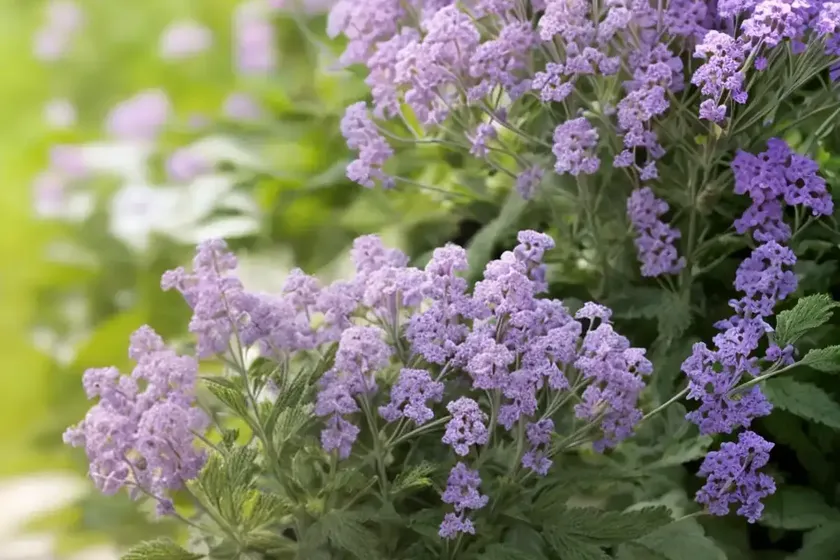
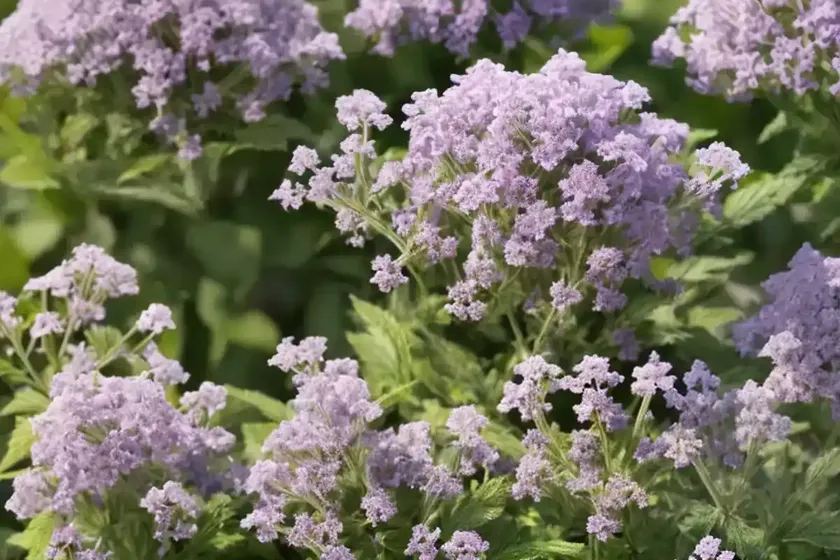
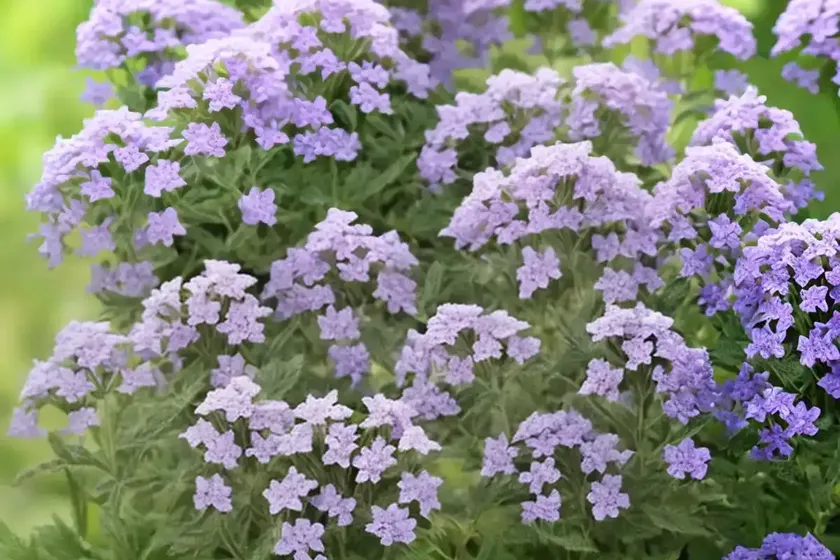
Gray Vervain, scientifically known as Verbena canescens, is a fascinating plant that has been utilized for centuries due to its medicinal properties. This aromatic herb is not only valued for its versatility in traditional medicine but also for its ornamental appeal. In this comprehensive guide, we will explore every aspect of Gray Vervain, including its culture, uses, care requirements, propagation, as well as its symbolism and spiritual uses.
What is Gray Vervain (Verbena canescens)?
Gray Vervain, a member of the Verbenaceae family, is a perennial herbaceous plant that is native to North America, particularly in regions with dry, sandy, or rocky soils. This species is also commonly referred to as “Texas Vervain” due to its prevalence in the Texas Hill Country.
Key Takeaways – Gray Vervain (Verbena canescens)
Before delving deeper into the various aspects of Gray Vervain, let’s highlight some key takeaways that will be discussed in detail:
- Culture – Understanding the preferred environment for Gray Vervain
- Uses – Exploring the medicinal and ornamental uses of the plant
- Water – Guidelines for proper watering techniques
- Sunlight – Optimal sunlight requirements for the plant
- Fertilizer – Recommendations for fertilizing Gray Vervain
- Soil – The ideal soil conditions for cultivation
- Pruning – Techniques for maintaining the plant’s vigor and shape
- Propagation – Methods for propagating Gray Vervain
- Container Popularity – Insights into its popularity as a container plant
- Common Diseases – Identifying and managing potential diseases
- Common Pests – Strategies for pest control
- Botanist’s Tips – Expert tips for successful cultivation
- Fun Facts – Engaging facts about Gray Vervain
- Links to External Resources – Additional references for further exploration
Now, let’s delve into each of these aspects to gain a comprehensive understanding of Gray Vervain.
Culture
Understanding the cultural requirements of Gray Vervain is essential for successfully cultivating and enjoying the benefits of this multi-faceted plant. Here are the key elements to consider:
Water
Gray Vervain is resilient to drought conditions once established, making it an excellent choice for xeriscaping and low-maintenance landscapes. However, regular watering is crucial during the plant’s establishment phase. Once mature, the plant generally thrives in dry to medium moisture levels. Overwatering can lead to root rot, so it’s important to allow the soil to dry out between watering sessions.
Sunlight
Being a native of the arid regions of North America, Gray Vervain thrives in full sunlight. It requires at least 6 to 8 hours of direct sunlight daily to flourish and produce an abundance of vibrant flowers. In regions with intense heat, providing some afternoon shade can be beneficial, especially during the peak of summer.
Fertilizer
Gray Vervain doesn’t have high fertilizer requirements and can flourish in nutrient-poor soils. However, a light application of balanced, slow-release fertilizer in early spring can support healthy growth and blooming. It’s essential to avoid excessive fertilization, as this can lead to vigorous foliage growth at the expense of flower production.
Soil
Well-draining, sandy or rocky soils are ideal for Gray Vervain, mimicking its native habitat. Alkaline to neutral pH levels are preferred, and the plant is tolerant of poor, rocky, or infertile soils. Amending heavy clay soils with sand or organic matter can improve drainage and promote a healthier growing environment.
Uses
Medicinal Uses of Gray Vervain
The medicinal uses of Gray Vervain have been cherished for centuries by various indigenous communities and herbalists. This herb is revered for its potential benefits in addressing a wide range of health concerns. Some of the notable medicinal uses and benefits of Gray Vervain include:
- Anxiety Relief: Gray Vervain is attributed with calming properties, and herbal preparations containing this herb are used to alleviate symptoms of anxiety and stress.
- Sleep Aid: It’s believed that Gray Vervain may promote relaxation and improve sleep quality, making it an appealing option for individuals struggling with sleep disorders.
- Respiratory Health: In traditional medicine, Gray Vervain has been used to support respiratory wellness and relieve symptoms of coughs and congestion.
- Digestive Support: The herb is thought to aid in digestion and may offer relief from minor gastrointestinal discomfort.
- Natural Wound Healing: Gray Vervain has been historically used topically to promote the healing of minor wounds and skin irritations.
- Women’s Health: Traditional uses of Gray Vervain include its application for menstrual cramps and as a tonic for women’s health.
Ornamental Uses
Apart from its medicinal significance, Gray Vervain is esteemed for its ornamental value. The clusters of delicate, lilac to violet-colored flowers and the silvery-gray foliage make it an enchanting addition to gardens, rockeries, and naturalized landscapes. Its drought tolerance, compact growth habit, and attractiveness to pollinators further enhance its desirability as an ornamental plant.
Pruning
Pruning Gray Vervain can help maintain its shape, promote a bushier growth habit, and encourage continuous blooming. Deadheading spent flowers can prolong the flowering period and prevent self-seeding, which may become excessive in favorable conditions.
Propagation
Gray Vervain can be propagated through both seeds and cuttings. Seeds should be sown directly into the desired location after the danger of frost has passed. Cuttings taken in late spring to early summer can be rooted in a well-draining rooting medium. Propagation from division of mature clumps is also a viable method to propagate Gray Vervain and expand its presence in the garden.
Container Popularity
The adaptability of Gray Vervain to container gardening has contributed to its popularity among urban gardeners and individuals with limited outdoor space. When selecting a container, prioritize a well-draining, medium-sized pot to accommodate the plant’s root system comfortably. Position the container in a location that receives adequate sunlight and ensure diligent watering and soil maintenance to support healthy growth and blooming.
Common Diseases
Disease Diagnosis
Gray Vervain is generally resistant to disease and pests, particularly when cultivated in suitable conditions. However, occasional issues such as powdery mildew may occur, especially in humid environments or when air circulation is limited. Regularly inspect the plant for any signs of disease, and promptly address any issues to prevent the spread and maintain the plant’s vitality.
Common Pests
Pest Control
The robust nature of Gray Vervain typically deters pest infestations. However, occasional encounters with aphids, spider mites, or whiteflies may occur. Physical removal of pests, the application of insecticidal soaps, or introducing beneficial predatory insects can effectively manage pest populations without the necessity of harsh chemical interventions.
Botanist’s Tips
To ensure optimal success with Gray Vervain, consider the following tips:
- Native Habitat Mimicry: Emulate the plant’s native sandy or rocky conditions to facilitate its acclimatization and vigorous growth.
- Drought Tolerance: Once established, Gray Vervain displays exceptional drought tolerance, making it a resilient addition to water-wise landscapes.
- Pollinator Support: The nectar-rich flowers of Gray Vervain attract a myriad of pollinators, including butterflies and bees, rendering it a valuable component of pollinator-friendly gardens.
- Naturalistic Landscaping: Pairing Gray Vervain with other drought-tolerant and native plants can create a visually appealing, low-maintenance landscape with ecological benefits.
Fun Facts
To appreciate the fascinating nature of Gray Vervain, consider these engaging fun facts:
- In folklore, Vervain was often associated with various mythological beliefs and was believed to possess mystical properties and protective qualities.
- The name “Vervain” is derived from the Celtic word “ferfaen,” signifying a sacred plant.
- Some species of Vervain were traditionally utilized in ancient rituals and magical practices, adding to its mystique and cultural significance.
External Resources
For further exploration of Gray Vervain and its diverse aspects, consider these external resources:
- The Herb Society of America
- Royal Horticultural Society
- United States Department of Agriculture (USDA)
- American Association of Botanical Gardens and Arboreta
As we conclude this in-depth guide to Gray Vervain (Verbena canescens), it’s evident that this plant encompasses a wealth of cultural, medicinal, and ornamental significance. The convergence of its aromatic foliage, striking flowers, and historical uses makes Gray Vervain a captivating addition to diverse landscapes and herbal practices. Whether it’s thriving in a xeriscape, providing medicinal benefits, or adding allure to container gardens, Gray Vervain continues to harmonize tradition with contemporary gardening practices.
In nurturing and appreciating Gray Vervain, we honor not only its botanical merits but also the timeless cultural narratives that have woven its essence into the fabric of human heritage. From ancient healing lore to modern ecological ethics, Gray Vervain stands as a testament to the enduring relationship between humans and the green realm that sustains and enriches our lives.


