Grass Tree (Xanthorrhoea)
As plant scientists, we are constantly amazed by the diversity and resilience of the plant kingdom. The Grass Tree, scientifically known as Xanthorrhoea.
As plant scientists, we are constantly amazed by the diversity and resilience of the plant kingdom. The Grass Tree, scientifically known as Xanthorrhoea, is a prime example of the fascinating flora that graces our planet. In this comprehensive guide, we will delve into the depths of this enigmatic plant, exploring its characteristics, uses, care requirements, and much more. Whether you are a gardening enthusiast, a plant lover, or a botany aficionado, join us on this journey to uncover the mysteries of the Grass Tree.
What is the Grass Tree (Xanthorrhoea)?
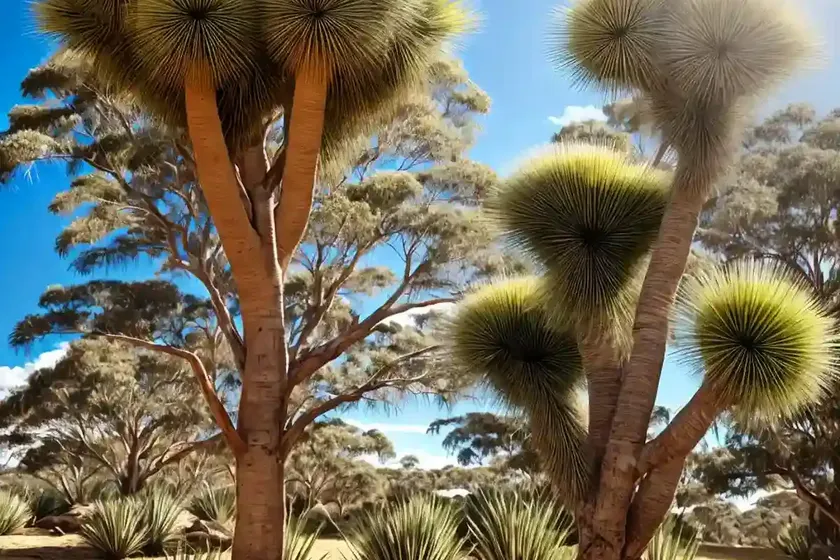
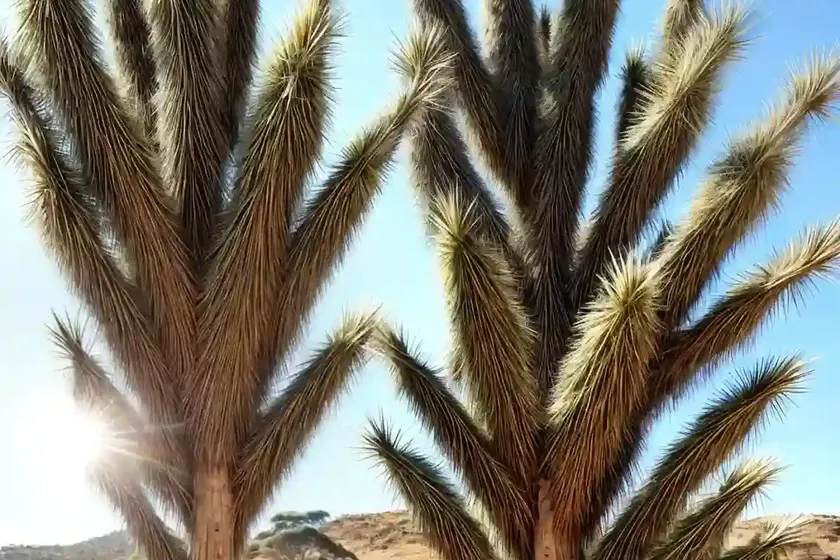
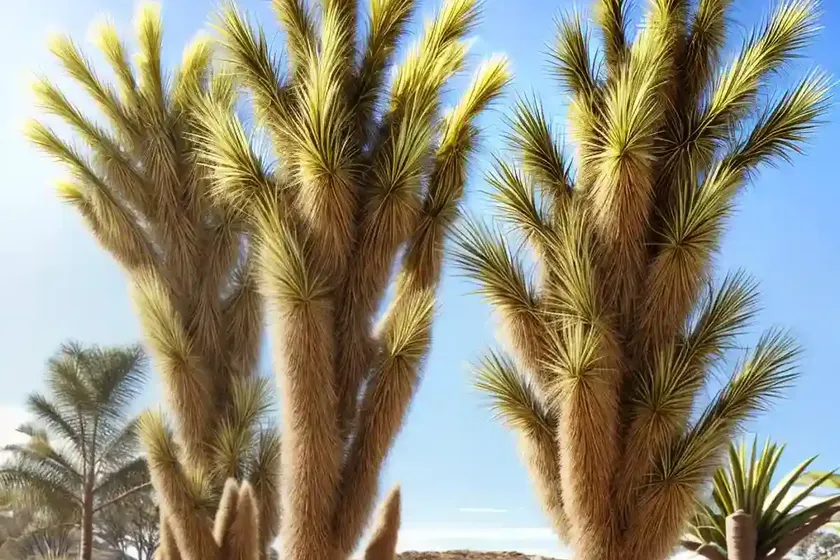
The Grass Tree, belonging to the Xanthorrhoeaceae family, is a unique and visually striking plant native to Australia. Despite its name, the Grass Tree is not a true tree but rather a perennial plant with a distinctive growth habit. It is characterized by its long, tufted grass-like leaves and a thick, fire-resistant trunk, making it a notable feature of the Australian landscape.
Key Takeaways – Grass Tree (Xanthorrhoea)
Before delving deeper into the specifics of caring for the Grass Tree, let’s take a moment to highlight the key takeaways about this intriguing plant.
- Scientific Name: Xanthorrhoea
- Family: Xanthorrhoeaceae
- Common Names: Grass Tree, Black Boy, Balga
- Native Habitat: Australia
- Characteristics: Grass-like leaves, fire-resistant trunk, slow growth
- Uses: Ornamental plant, cultural significance, landscaping
- Water Requirements: Drought-tolerant once established
- Sunlight: Full sun
- Soil Preferences: Well-draining, sandy or gravely soil
- Pruning: Minimal pruning required
- Propagation: From seeds or offsets
- Container Plant: Suitable for container growth
- Popularity: Increasing popularity in arid and native landscaping
Now, let’s take a closer look at the various aspects of caring for the Grass Tree, including its cultivation, uses, and potential challenges.
Grass Tree (Xanthorrhoea) Care
Taking care of the Grass Tree involves understanding its specific requirements, including water, sunlight, soil, and maintenance.
Culture
The Grass Tree is deeply embedded in Australian culture and holds significant importance in indigenous traditions. It has been used traditionally for a variety of purposes, including the production of resin, tools, and even the source of sweet nectar. As an ornamental plant, it adds a touch of uniqueness to gardens and landscapes, especially in arid and native-inspired designs.
Uses
The Grass Tree holds various uses, both historically and in contemporary settings. Here are some of its primary uses:
- Ornamental Plant: Its unique appearance and low-maintenance nature make it a sought-after ornamental plant in landscaping.
- Cultural Significance: The Grass Tree has traditional significance in Indigenous Australian culture, being used for various purposes, such as resin production and crafting.
- Landscaping: It is increasingly used in native and drought-tolerant landscaping due to its hardy nature and striking appearance.
Water
One of the most remarkable features of the Grass Tree is its exceptional drought tolerance once established. While young plants may require some supplemental watering, mature Grass Trees are capable of thriving in arid conditions with minimal water input. It is essential to avoid overwatering, as the plant is susceptible to root rot in waterlogged soil.
Sunlight
The Grass Tree flourishes in full sun, making it an ideal choice for bright and sunny locations in the garden. Adequate sunlight is crucial for the plant’s growth and the development of its iconic foliage.
Fertilizer
In its natural habitat, the Grass Tree is accustomed to nutrient-poor soils, and as such, it generally does not require regular fertilization. However, if the plant is displaying signs of nutrient deficiency, a light application of a balanced, slow-release fertilizer can be administered in spring.
Soil
The Grass Tree thrives in well-draining sandy or gravely soil. It is crucial to avoid heavy, water-retentive soils that can lead to root rot. When cultivating the Grass Tree, consider the natural conditions of its native habitat, with an emphasis on excellent drainage.
Pruning
Minimal pruning is generally needed for the Grass Tree. Any spent flower spikes or dead leaves can be gently removed, maintaining the overall aesthetic of the plant. It is essential to avoid over-pruning, as the Grass Tree has a slow growth rate and naturally sheds its lower leaves over time.
Propagation
The propagation of the Grass Tree can be achieved through several methods, including seeds and offsets. Both techniques require patience, as the plant has a slow growth rate, and seed propagation, in particular, necessitates a long-term commitment to nurturing the seedlings to maturity.
Container
The Grass Tree can be cultivated in containers, making it a versatile option for gardens, patios, and other outdoor spaces. When growing the Grass Tree in a container, ensure that the pot has adequate drainage and use a well-draining potting mix suitable for succulent and drought-tolerant plants.
Popularity
The Grass Tree is gaining popularity in landscaping and gardening circles for several reasons. Its unique appearance, low-maintenance nature, and resilience to harsh environmental conditions make it an attractive choice for various settings. Furthermore, the increasing interest in native and drought-tolerant plant species has contributed to the heightened appeal of the Grass Tree.
Common Diseases
While the Grass Tree is generally resistant to many pests and diseases, it can occasionally encounter health issues that require attention.
Disease Diagnosis
Fungal diseases, such as root rot, are a primary concern for the Grass Tree, particularly if the soil is excessively moist or poorly draining. Symptoms of fungal infections include wilting, yellowing of leaves, and a general decline in the plant’s overall vigor. Swift diagnosis and appropriate corrective measures are crucial for addressing such issues effectively.
Common Pests
The Grass Tree is relatively resistant to pest infestations, largely due to its tough and resilient nature. However, some potential pests to be mindful of include scale insects and aphids. Regular monitoring of the plant’s health and early intervention can prevent pest populations from becoming problematic.
Botanist’s Tips
As botanists deeply intrigued by the Grass Tree and its ecological significance, we have compiled a set of tips to aid in the successful cultivation and care of this captivating plant.
- Embrace Native Landscaping: Incorporate the Grass Tree into native and xeriscaped landscapes to showcase its natural beauty and resilience.
- Prioritize Soil Drainage: When planting or potting the Grass Tree, prioritize well-draining soil to mimic its natural habitat and prevent soil-related issues.
- Moderate Watering: Once established, limit watering to reflect the plant’s drought-tolerant nature and minimize the risk of root diseases.
- Respect Growth Rate: Understand and appreciate the slow growth rate of the Grass Tree, exercising patience when cultivating or propagating new plants.
- Minimal Intervention: Adopt a hands-off approach when it comes to pruning and maintenance, allowing the plant to develop its characteristic form over time.
Fun Facts
To further deepen our understanding and appreciation of the Grass Tree (Xanthorrhoea), let’s explore some fun and intriguing facts about this exceptional plant.
- The Grass Tree is renowned for its remarkable longevity, with some specimens estimated to live for several centuries.
- Indigenous Australian cultures have historically utilized various parts of the Grass Tree for practical purposes, including the production of tools and the extraction of resin.
- The distinctive flower spikes of the Grass Tree, which emerge from the plant’s center, add an eye-catching display to its appearance, especially when in bloom.
Links to External Resources
For those eager to expand their knowledge and explore additional resources related to the Grass Tree (Xanthorrhoea), consider the following links:
- Australian National Botanic Gardens – Xanthorrhoea
- Gardening Australia – Grass Trees
- PlantNet – Xanthorrhoea Species
As we conclude this guide to the Grass Tree (Xanthorrhoea), we hope that you have gained a newfound appreciation for this extraordinary plant. From its cultural significance to its ecological resilience, the Grass Tree stands as a testament to the marvels of the botanical world. Whether adorning a garden with its striking presence or thriving in its natural habitat, the Grass Tree embodies the enduring beauty and adaptability of nature. As plant scientists dedicated to understanding and celebrating the wonders of the plant kingdom, we invite you to continue your exploration of the diverse and captivating realm of flora.
Plant Name: “Grass Tree (Xanthorrhoea)”


