Grapevine (Vitis Vinifera)
Grapevines (Vitis vinifera) are one of the oldest cultivated plant species, with a rich history dating back thousands of years. These versatile plants are.
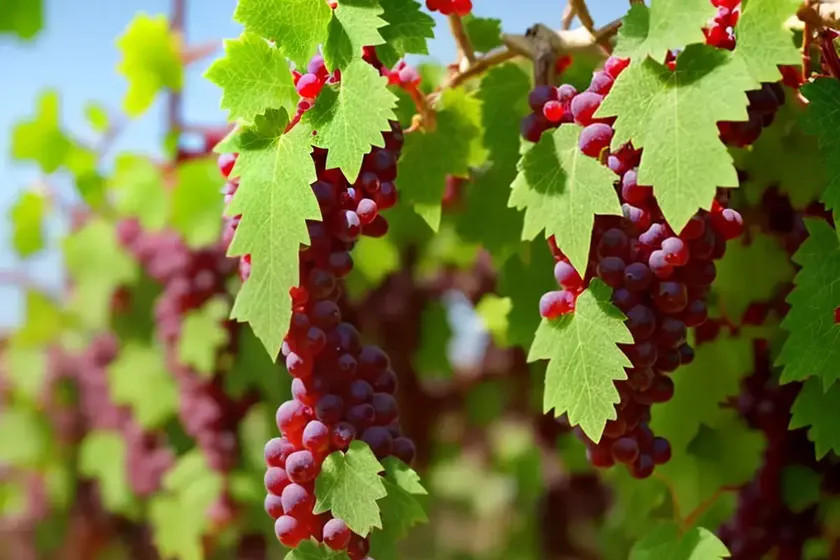
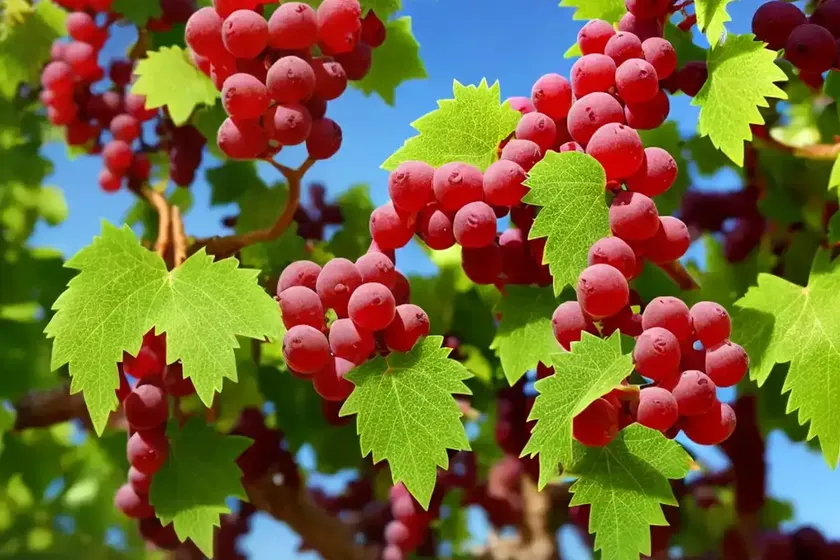
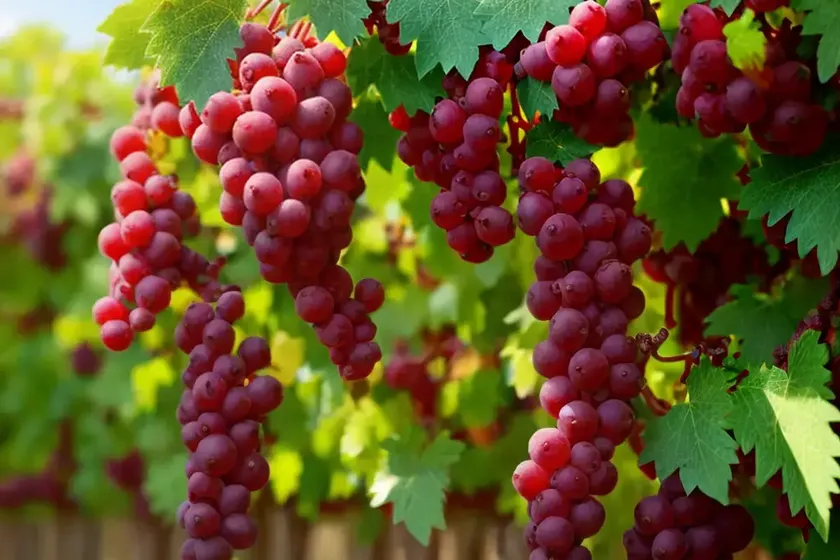
Grapevines (Vitis vinifera) are one of the oldest cultivated plant species, with a rich history dating back thousands of years. These versatile plants are not only prized for their delicious fruits but also for their role in winemaking and ornamental horticulture.
In this comprehensive guide, we will delve into the various aspects of grapevine cultivation, including their culture, uses, maintenance, common diseases, and pests. Whether you are a seasoned viticulturist or an enthusiastic gardener, this guide will equip you with the knowledge to successfully grow and care for grapevines.
What is a Grapevine?
Grapevine, scientifically known as Vitis vinifera, is a woody, perennial climbing plant belonging to the Vitaceae family. It is native to the Mediterranean region and Central Asia. The species encompasses a wide range of cultivars, each prized for its distinct flavor profile and uses.
Key Takeaways – Grapevine (Vitis vinifera)
Before we delve into the specifics of grapevine cultivation, let’s take a look at the key takeaways of this versatile plant.
-
Grapevine species: Vitis vinifera is the primary species used for winemaking and encompasses numerous cultivars.
-
Grapevine cultivation: When growing Vitis vinifera, attention to soil, sunlight, water, and pruning is essential for successful cultivation.
-
Grapevine diseases: Grapevines are susceptible to various diseases, and preventive measures are crucial to maintain plant health.
-
Vitis vinifera pests: Common pests such as grape phylloxera and grapevine moth can pose significant threats to grapevines.
-
Grapevine uses: Grapevines are primarily cultivated for winemaking, but they also serve ornamental and culinary purposes.
Now, let’s explore each of these aspects in detail to gain a comprehensive understanding of grapevine cultivation.
Culture
Cultivating healthy and productive grapevines requires a good understanding of their cultural requirements. This section will discuss the essential factors for successful grapevine cultivation, including water, sunlight, fertilizer, soil, pruning, and propagation.
Water
Grapevines require adequate water to support their growth and fruit development. While they are relatively drought-tolerant once established, consistent watering is crucial, especially during dry periods and the fruiting stage.
- Watering Tips:
- Newly planted grapevines should be watered regularly to help them establish a strong root system.
- Avoid overwatering, as waterlogged soil can lead to root rot and other issues.
- Mulching around the base of the vines can help retain soil moisture and regulate temperature.
Sunlight
Sunlight is vital for the photosynthetic process that fuels the growth and fruit production of grapevines. As such, selecting an appropriate location with ample sunlight is essential for their cultivation.
- Sunlight Requirements:
- Plant grapevines in an area that receives at least 7-8 hours of direct sunlight per day.
- Ensure that the vines are not shaded by other structures or trees, which can hinder their sun exposure.
Fertilizer
Proper fertilization is crucial for maintaining the vigor and productivity of grapevines. It is essential to understand the nutritional needs of the vines at different growth stages and adjust the fertilization regimen accordingly.
- Fertilization Guidelines:
- Conduct a soil test to determine the nutrient levels and pH of the soil.
- Apply balanced fertilizers with a focus on nitrogen, phosphorus, and potassium, as well as micronutrients such as magnesium and zinc.
- Avoid excessive nitrogen fertilization, as it can promote vegetative growth at the expense of fruit production.
Soil
The soil composition plays a significant role in the overall health and productivity of grapevines. Understanding the soil requirements and making necessary amendments can greatly impact the success of grape cultivation.
- Ideal Soil Conditions:
- Well-drained, loamy soils with good water retention properties are well-suited for grape cultivation.
- Conduct soil tests to assess the pH levels and address any imbalances before planting grapevines.
- Organic matter, such as compost, can be added to improve soil structure and fertility.
Pruning
Pruning is a critical aspect of grapevine maintenance, influencing fruit production, vine structure, and overall health. Proper pruning techniques help in managing vine growth, optimizing fruit quality, and preventing disease spread.
- Pruning Practices:
- Prune grapevines during dormancy, typically in late winter or early spring.
- Remove old, diseased, or overcrowded wood to improve air circulation and sunlight penetration within the canopy.
- Train the vines along a trellis system and prune based on the desired vine architecture and fruit-bearing potential.
Propagation
Grapevine propagation involves the reproduction of vines through various methods such as cuttings, layering, and grafting. Understanding these techniques is essential for expanding vineyards or preserving desirable grapevine traits.
- Propagation Methods:
- Hardwood cuttings taken during the dormant season can be used to propagate new grapevines.
- Layering involves encouraging aerial roots on a vine to establish new plants.
- Grafting onto appropriate rootstocks is commonly practiced to impart specific traits or resistances to the vines.
Container Popularity
Grapevines are also grown in containers, making them suitable for small gardens, patios, and urban settings. Container cultivation requires attention to specific requirements to ensure the healthy growth of grapevines.
- Container Cultivation Tips:
- Select large, sturdy containers with ample drainage holes to avoid waterlogging.
- Use well-draining potting mix tailored for fruiting plants and incorporate organic matter for fertility.
- Regular watering and appropriate sunlight exposure are essential for container-grown grapevines.
Common Diseases
Grapevines are susceptible to various diseases caused by fungi, bacteria, and viruses. Understanding the symptoms, prevention strategies, and treatment options for these diseases is crucial for maintaining the health of grapevines.
Disease Diagnosis
Diagnosing grapevine diseases requires careful observation of symptoms such as leaf discoloration, wilting, and fruit deformities. It is essential to monitor the vines regularly and promptly address any signs of disease to prevent their spread.
- Common Grapevine Diseases:
- Powdery mildew, downy mildew, and gray mold (Botrytis) are common fungal diseases affecting grapevines.
- Bacterial infections such as crown gall and Pierce’s disease can cause significant damage to the vines.
- Viral diseases like leafroll and fanleaf lead to stunted growth and reduced fruit quality.
Disease Prevention
Preventive measures play a crucial role in managing grapevine diseases and minimizing their impact on vineyards. Implementing cultural practices and timely interventions can help reduce the incidence and severity of diseases.
- Preventive Strategies:
- Regularly inspect vines for signs of disease and promptly remove and destroy infected plant material.
- Implement proper canopy management and airflow to reduce humidity and minimize favorable conditions for fungal diseases.
- Consider resistant grapevine varieties and rootstocks to mitigate the risk of specific diseases.
Common Pests
Grapevines are susceptible to attack by various pests, including insects and mites, which can cause significant damage to the foliage and fruits. Implementing pest control measures is essential for protecting the health and productivity of grapevines.
Pest Identification
Identifying common pests that affect grapevines is essential for implementing targeted control measures. Pests such as grape phylloxera, grapevine moths, and spider mites can pose significant threats to vineyards.
- Common Grapevine Pests:
- Grape phylloxera are small, sap-sucking insects that feed on grapevine roots and foliage, leading to stunted growth and diminished fruit quality.
- Grapevine moths, including the European grapevine moth and the grape berry moth, can cause damage to grape clusters through larval feeding.
- Spider mites are common pests that infest grapevine foliage, causing stippling, leaf discoloration, and reduced photosynthetic activity.
Pest Control
Implementing integrated pest management (IPM) practices can effectively control pests while minimizing the use of chemical pesticides. IPM involves a combination of cultural, biological, and chemical control methods.
- Integrated Pest Management:
- Release natural predators such as ladybugs and lacewings to control aphids and other soft-bodied pests.
- Use pheromone traps to monitor and control the population of grapevine moths and other flying insects.
- When necessary, employ targeted pesticide applications to address pest infestations while minimizing environmental impact.
Botanist’s Tips
As a botanist specializing in grapevine cultivation, here are some expert tips to help you achieve success in growing healthy and productive grapevines:
- Select grapevine varieties suited to your climate and soil conditions, considering factors such as cold hardiness and disease resistance.
- Implement proper trellising and training techniques to manage vine growth, optimize sunlight exposure, and facilitate air circulation within the canopy.
- Monitor vine health throughout the growing season, paying attention to signs of nutrient deficiencies, pest infestations, and disease development.
- Stay updated on the latest research and advancements in viticulture, as ongoing innovation and scientific findings can aid in optimizing vineyard management practices.
- Network with fellow viticulturists and participate in grape growing associations and events to exchange knowledge and experience with others in the industry.
Fun Facts
To further enrich your understanding of grapevines, here are some captivating and lesser-known facts about this remarkable plant:
- The study of grapevine morphology, physiology, and genetics is known as ampelography, a specialized field within botany and horticulture.
- Some grapevine varieties have been cultivated for thousands of years, with historical records dating back to ancient civilizations such as the Egyptians, Greeks, and Romans.
- Grapevine roots can extend deep into the soil, often reaching depths of 20 feet or more, enabling them to access water and nutrients from substantial depths.
- The concept of terroir, which encompasses the environmental factors influencing grapevine growth and fruit characteristics, is integral to the unique qualities of wines from different vineyard regions.
- The intricate process of grapevine flower development and fertilization plays a crucial role in determining fruit set and subsequent grape yield.
Links to External Resources
To expand your knowledge and access additional resources on grapevine cultivation, diseases, and viticulture techniques, explore the following reputable sources:
- UC Integrated Pest Management: Grape
- Wine & Viticulture Journal
- American Society for Enology and Viticulture
- Grapevine Phenology and Management Guide
In conclusion, grapevine cultivation offers a fascinating journey into the realms of horticulture, agriculture, and winemaking. By integrating the knowledge and practices outlined in this guide, you can embark on a rewarding experience of nurturing and harvesting the fruits of this remarkable and time-honored plant.
Remember to approach grapevine cultivation with patience, observation, and a passion for the art and science of viticulture. Whether you are tending to a backyard vineyard or exploring the intricacies of winemaking, the journey with grapevines is sure to be a fulfilling and enriching endeavor.
Happy growing and may your vineyards yield bountiful harvests of grapes, embodying the essence of dedication and the beauty of nature’s bounty.
Happy gardening and viticulture!
[Reference Link]


