What is grape (Vitis ‘Chambourcin’)
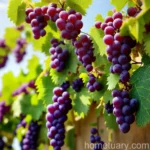
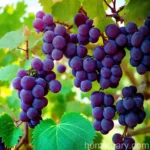
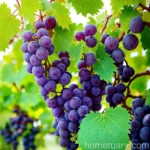
Grape ‘Chambourcin’ (Vitis ‘Chambourcin’) is known for its deep-colored, flavorful berries. This hybrid grape variety is well-suited for winemaking and is popular among viticulturists and winemakers for its disease resistance and versatility. In this comprehensive guide, we will delve into the culture, uses, care, and other aspects of ‘Chambourcin’ grape, providing valuable insights for grape growers and wine enthusiasts.
Key Takeaways – grape (Vitis ‘Chambourcin’)
Here are some key takeaways about Chambourcin grape:
– ‘Chambourcin’ is a versatile grape variety known for its deep color, complex flavors, and excellent disease resistance.
– It is primarily used for making red wines, but it can also be used in rosé and port-style wines.
– ‘Chambourcin’ is suitable for a variety of climates and soil types, making it adaptable to different growing conditions.
– Proper care and management, including pruning and disease prevention strategies, are crucial for maximizing the potential of ‘Chambourcin’ grape vines.
Now, let’s delve into the various aspects of growing and caring for ‘Chambourcin’ grape in detail.
Culture
Cultivating ‘Chambourcin’ grape involves careful attention to various environmental and management factors. Understanding the optimal conditions for its growth and ensuring proper care are essential for a successful harvest.
Uses
The primary use of ‘Chambourcin’ grape is in winemaking. Its distinctive characteristics, including deep color and complex flavors, make it a desirable choice for producing high-quality red wines. Additionally, it can be used in the production of rosé wines and port-style wines, adding versatility to its applications in the wine industry.
Water
Proper irrigation is crucial for the healthy growth of ‘Chambourcin’ grape vines. While it is essential to provide adequate moisture, it is equally important to avoid waterlogged conditions that can lead to root rot and other issues. Irrigation management should be based on the specific needs of the vineyard and the prevailing climate.
Sunlight
Sunlight plays a pivotal role in the photosynthetic process and the ripening of grape berries. ‘Chambourcin’ grape vines require ample sunshine to support vigorous growth and the development of flavorful, well-ripened fruit. Adequate exposure to sunlight also contributes to the accumulation of sugars and the synthesis of desirable compounds in the berries.
Fertilizer
Applying the right balance of nutrients is essential for promoting the healthy growth of ‘Chambourcin’ grape vines. Soil testing and analysis can provide valuable insights into the specific fertilizer requirements of the vineyard. Fertilization practices should be tailored to meet the vine’s nutritional needs at different stages of growth.
Soil
The choice of soil can significantly impact the overall health and productivity of ‘Chambourcin’ grape vines. Well-drained soils with good fertility and appropriate pH levels are generally preferred for cultivating this grape variety. Conducting soil tests and considering the existing soil composition are essential steps in optimizing soil conditions for ‘Chambourcin’ grape cultivation.
Pruning
Pruning is a critical aspect of vineyard management, and it directly influences the quality and yield of ‘Chambourcin’ grape crops. Proper pruning techniques are essential for maintaining vine structure, managing canopy density, and promoting the development of healthy fruit clusters. Understanding the growth habits of ‘Chambourcin’ grape vines is crucial for implementing effective pruning strategies.
Propagation
The propagation of ‘Chambourcin’ grape can be achieved through various methods, including traditional grafting techniques and vine cutting propagation. Each approach has its advantages and considerations, and the choice of propagation method depends on factors such as the availability of plant material and the specific goals of the vineyard operation.
Container Popularity
While ‘Chambourcin’ grape vines are commonly grown in traditional vineyard settings, the use of containers for cultivation has gained popularity in certain contexts. Container planting offers flexibility and can be suitable for small-scale or urban vineyard settings. It also allows growers to establish vineyards in locations where traditional in-ground planting may not be feasible.
Container Common Diseases
When growing ‘Chambourcin’ grape in containers, certain diseases, such as powdery mildew and gray mold, can pose challenges due to the restricted root space and potential moisture retention in the container environment. Implementing preventive measures and maintaining optimal growing conditions are essential for minimizing the risk of container-specific diseases.
Disease Diagnosis:
It is essential to be vigilant about potential diseases that may impact ‘Chambourcin’ grape vines. Regular scouting and timely diagnosis of diseases, such as downy mildew and phomopsis, can help in implementing targeted management strategies to mitigate their effects and preserve the health of the vines.
Common Pests
Pests such as grapevine aphids and Japanese beetles can pose significant threats to the health and productivity of ‘Chambourcin’ grape vines. Monitoring pest populations and adopting integrated pest management practices are essential for controlling pest damage and minimizing the use of chemical interventions.
Botanist’s Tips
As a botanist, I recommend the following tips for the successful cultivation of ‘Chambourcin’ grape:
– Regular monitoring of vine health, including leaf color and appearance, can provide valuable insights into the nutritional status of the plants.
– Implementing a balanced vineyard management plan that integrates pruning, irrigation, and pest and disease control measures is key to optimizing grape yield and quality.
– Collaborating with local agricultural extension services and experienced viticulturists can provide valuable guidance on adapting growing practices to specific regional conditions.
Fun Facts
- ‘Chambourcin’ grape is known for its disease resistance, making it an attractive choice for sustainable and environmentally conscious vineyard management.
- While ‘Chambourcin’ is a relatively recent addition to the grape varieties, its rise in popularity has been notable, particularly in regions where its growing requirements are well-suited.
Links to External Resources
For further information on ‘Chambourcin’ grape, you can explore the following resources:
1. Vitis ‘Chambourcin’: A Sustainable Grape Variety for Quality Wines
2. Chambourcin Wine: Characteristics and Production
3. Grapevine Pruning Techniques for ‘Chambourcin’ grape
4. Managing Diseases in ‘Chambourcin’ Grape Vineyards
5. Understanding Pest Management Strategies for ‘Chambourcin’ Grape
With its distinct characteristics and growing versatility, ‘Chambourcin’ grape continues to capture the interest of grape growers, winemakers, and enthusiasts, contributing to the richness and diversity of the wine industry. Whether cultivated in traditional vineyard settings or within the confines of containers, the careful management and cultivation of ‘Chambourcin’ grape can lead to the production of exceptional wines and the preservation of this unique grape variety for future generations.