Gooseberry (Ribes Uva-crispa)
In the world of horticulture, one can find an endless variety of plants to study and cultivate. One of the most intriguing and fruitful plants is the.
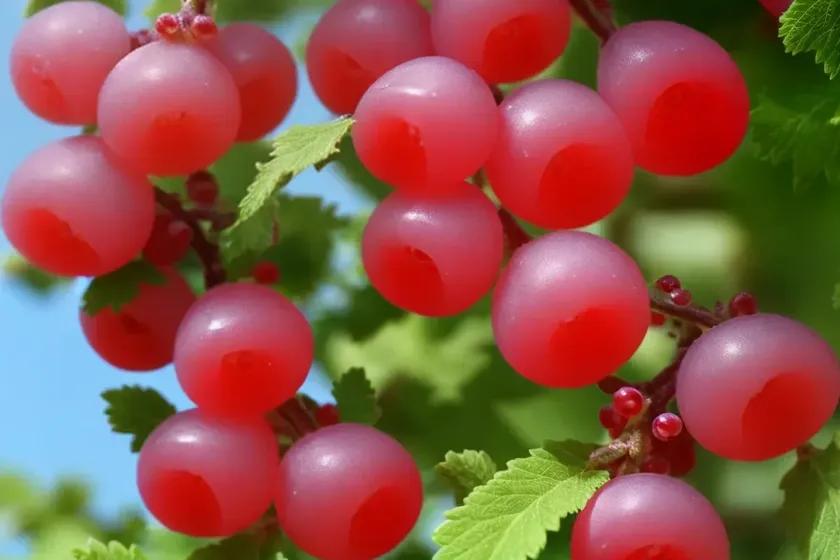
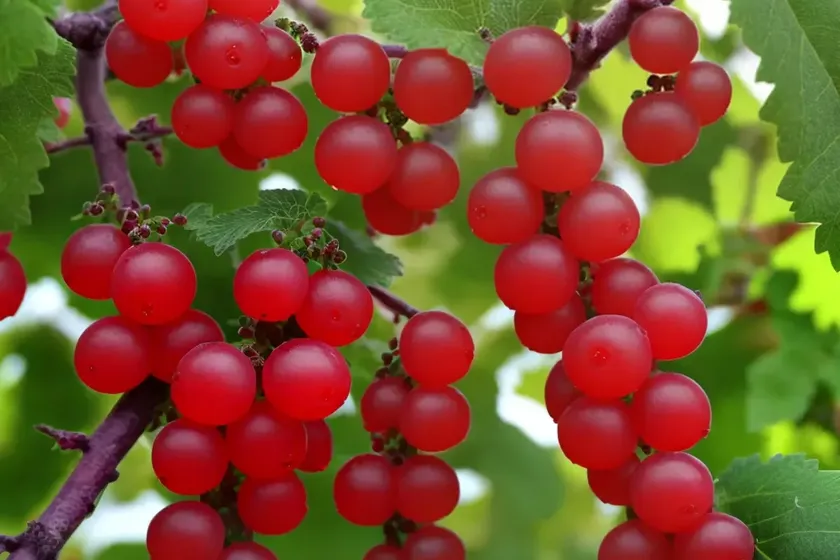
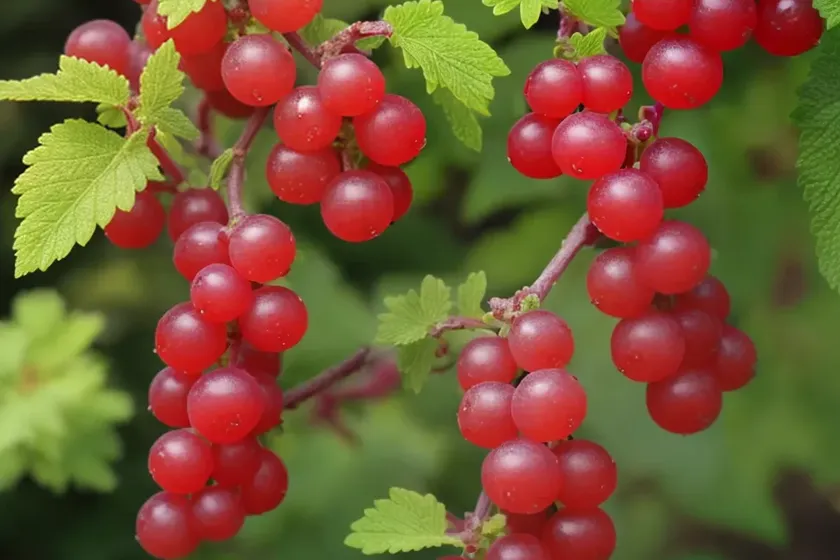
In the world of horticulture, one can find an endless variety of plants to study and cultivate. One of the most intriguing and fruitful plants is the gooseberry, scientifically known as Ribes uva-crispa. The gooseberry plant is a versatile and resilient shrub that offers a multitude of benefits, ranging from culinary delights to medicinal properties. This blog post delves deep into the captivating realm of gooseberries, exploring their culture, uses, cultivation, common diseases, and much more.
What is the Gooseberry (Ribes uva-crispa)?
Gooseberries, belonging to the Ribes genus, are deciduous, perennial shrubs known for their distinctive tart berries. These berries come in various colors, including green, red, and yellow, and are enclosed by fine hairs, giving the fruit a fuzzy appearance. The gooseberry plant is native to Europe, northwest Africa, and western Asia, and it has been cultivated since ancient times for its culinary and medicinal applications.
Key Takeaways – Gooseberry (Ribes uva-crispa)
Before we delve into the various aspects of gooseberry cultivation and usage, it’s essential to provide an overview of the key takeaways related to this captivating plant. Here’s a quick snapshot of what to expect in this comprehensive guide:
- Culture
- Uses
- Water
- Sunlight
- Fertilizer
- Soil
- Pruning
- Propagation
- Container Cultivation
- Popularity
- Common Diseases
- Disease Diagnosis
- Common Pests
- Botanist’s Tips
- Fun Facts
- Links to External Resources
Now, let’s embark on an exciting journey to uncover the enchanting world of gooseberries, exploring their diverse attributes and the best practices for cultivating and enjoying these remarkable shrubs.
Culture of Gooseberries
Cultivating gooseberries, also known as gooseberry farming, involves a set of practices that are crucial for the plant’s growth, fruiting, and overall wellbeing. Understanding the cultural requirements of gooseberries is essential for ensuring a bountiful harvest and healthy plant growth.
When it comes to the culture of gooseberries, several factors play a significant role in ensuring optimal growth and productivity. These factors include soil, water, sunlight, fertilizer, and pruning. Let’s explore each of these aspects in detail to gain a comprehensive understanding of the cultural requirements of gooseberry plants.
Soil
Gooseberries thrive in well-drained, loamy soil with a slightly acidic to neutral pH level. It’s important to avoid waterlogged or heavy clay soils, as they can impede root development and lead to poor growth. Prior to planting gooseberries, it’s advisable to prepare the soil by incorporating organic matter such as compost or well-rotted manure to improve soil structure and fertility.
Water
Proper watering is essential for the healthy growth and fruiting of gooseberry plants. During the growing season, it’s important to provide regular, deep watering to ensure that the root system receives an adequate supply of moisture. However, it’s equally important to avoid overwatering, as excessive moisture can lead to root rot and other detrimental conditions. Mulching around the base of the plants can help retain soil moisture and reduce weed competition.
Sunlight
Gooseberries thrive in full sun to partial shade. When selecting a site for planting gooseberry shrubs, it’s ideal to choose a location that receives at least 6-8 hours of direct sunlight daily. Adequate sunlight exposure is crucial for promoting fruit development and achieving optimal yields.
Fertilizer
Fertilizing gooseberry plants is essential for providing the necessary nutrients for robust growth and fruit production. Before planting, incorporating a balanced fertilizer into the soil can help establish a strong foundation for the plants. Additionally, applying a layer of organic mulch around the base of the shrubs can provide a steady supply of nutrients as it breaks down over time.
Uses of Gooseberries
The versatility of gooseberries extends far beyond their appeal as a culinary ingredient. These remarkable fruits boast a wide array of uses, making them a valuable addition to any garden or orchard.
Culinary Uses
- Fresh Consumption: Fresh gooseberries can be eaten as a standalone snack or used in fruit salads, adding a tangy flavor and nutritional benefits to the dish.
- Jams and Preserves: Gooseberries are prized for their natural pectin content, making them an excellent choice for preparing jams, jellies, and preserves.
- Baking: From pies and tarts to crumbles and cakes, gooseberries enhance the flavor and texture of various baked goods, offering a delightful tartness that pairs well with sweet ingredients.
- Beverages: Gooseberries can be utilized in the creation of refreshing beverages, including juices, smoothies, and even wine, offering a unique and vibrant flavor profile.
Medicinal Properties
- Antioxidant Rich: Gooseberries are rich in antioxidants, which are beneficial for combating oxidative stress and promoting overall health.
- Vitamin C Source: As an excellent source of vitamin C, gooseberries contribute to immune health and play a role in collagen production and iron absorption.
- Digestive Health: In traditional medicine, gooseberries have been used to promote digestive health and alleviate gastrointestinal discomfort.
The diverse uses of gooseberries underscore their significance as a valuable fruit with multifaceted applications in culinary arts and traditional medicine.
Pruning Gooseberry Plants
Pruning is a fundamental aspect of gooseberry plant care that contributes to the overall health, productivity, and longevity of the shrubs. Proper pruning helps maintain an open canopy, improves air circulation, and encourages the development of strong, fruit-bearing shoots.
Timing
Pruning is typically carried out during the dormant season, preferably in late winter or early spring before the onset of new growth. This timing ensures that the plants are pruned while they are dormant, minimizing stress and allowing for vigorous regrowth once the growing season commences.
Techniques
- Thinning Out: Removing old, unproductive wood helps rejuvenate the plant and encourages the growth of new, fruitful branches.
- Topping and Tailing: Trimming the tips of the branches to a desirable length promotes bushier growth and enhances fruiting potential.
- Clearing the Center: Removing crowded or excessively dense growth from the center of the plant encourages better air circulation and light penetration, reducing the risk of disease and enhancing fruit quality.
By implementing appropriate pruning techniques, growers can effectively manage the growth and productivity of their gooseberry plants, leading to improved yields and healthier shrubs.
Propagation of Gooseberries
The propagation of gooseberry plants offers an opportunity to expand the cultivation of these remarkable shrubs and share their benefits with a wider audience. There are several viable methods for propagating gooseberries, each with its own advantages and considerations.
Softwood Cuttings
Softwood cuttings are taken from the current season’s growth, typically in late spring to early summer. The cuttings are selected from healthy, vigorous shoots and are rooted in a suitable growing medium under controlled conditions. Once rooted, the cuttings can be transplanted to their permanent growing location.
Hardwood Cuttings
Hardwood cuttings are harvested during the dormant season, usually in late winter to early spring. These cuttings are taken from mature, dormant stems and can be directly planted in the ground or in containers. They require a longer period to establish roots and may not produce significant growth until the following growing season.
Layering
Layering is a natural propagation method that involves burying a portion of a low-hanging branch to encourage root development. Once the layered portion has developed a robust root system, it can be detached from the parent plant and transplanted as an independent shrub.
These propagation methods provide growers with the means to propagate gooseberries, expand their orchards, and share the joy of cultivating these exceptional fruit-bearing shrubs with others.
Popularity of Gooseberries
Gooseberries have captured the interest and admiration of gardeners, chefs, and fruit enthusiasts for generations. Their unique flavor profile, diverse culinary uses, and nutritional benefits have contributed to their enduring popularity, making them a cherished addition to gardens, orchards, and culinary creations.
Culinary Appeal
The tart, tangy flavor of gooseberries adds a delightful dimension to a wide range of culinary creations. From sweet preserves and desserts to savory sauces and chutneys, gooseberries offer a versatile and distinctive flavor that elevates a variety of dishes.
Nutritional Value
Gooseberries are prized for their nutritional richness, particularly their high content of vitamin C, antioxidants, and dietary fiber. These qualities make gooseberries a valuable addition to a balanced and health-conscious diet, contributing to overall well-being and vitality.
Ornamental Value
In addition to their culinary and medicinal significance, gooseberry plants exhibit ornamental value, featuring delicate foliage, attractive flowers, and, of course, the cluster of vibrant berries that add visual interest to the landscape.
The combination of culinary appeal, nutritional value, and ornamental beauty has contributed to the enduring popularity of gooseberries, ensuring that these remarkable shrubs remain sought after by growers and consumers alike.
Common Diseases of Gooseberry Plants
While gooseberries are generally resilient plants, they are susceptible to certain diseases that can affect their growth and productivity. Understanding the common diseases of gooseberry plants and implementing appropriate management strategies is essential for maintaining the health and vigor of the shrubs.
Powdery Mildew
Powdery mildew is a fungal disease that manifests as a powdery white growth on the leaves, shoots, and fruit of gooseberry plants. It can lead to reduced photosynthetic activity, stunted growth, and diminished fruit quality. Management strategies for powdery mildew include:
- Pruning: Proper pruning to open up the canopy and improve air circulation can reduce the risk of powdery mildew.
- Fungicidal Applications: Fungicides formulated for powdery mildew control can be used as a preventive or curative measure to manage the disease.
Gooseberry Sawfly
The gooseberry sawfly is a common pest that can cause extensive defoliation of gooseberry plants. The larvae of the sawfly feed voraciously on the foliage, leading to diminished growth and potentially compromising the overall health of the shrubs. Control measures for gooseberry sawfly include:
- Handpicking: Manual removal of the larvae from the plants can help reduce their population and minimize damage.
- Biological Controls: Introducing natural predators of the sawfly, such as parasitic wasps, can help manage infestations in an eco-friendly manner.
Botrytis Blight
Botrytis blight, caused by the fungus Botrytis cinerea, can affect the flowers, fruit, and foliage of gooseberry plants. It presents as a gray mold that can lead to flower and fruit rot, as well as foliar lesions. Management of botrytis blight involves:
- Sanitation: Removing and destroying affected plant parts can help prevent the spread of the disease.
- Cultural Practices: Ensuring proper air circulation, reducing humidity, and avoiding overhead irrigation can create less favorable conditions for the development of botrytis blight.
By familiarizing themselves with the common diseases of gooseberry plants and applying suitable control measures, growers can safeguard the health and vitality of their shrubs, promoting strong growth and abundant fruiting.
Common Pests Affecting Gooseberries
In addition to diseases, gooseberries can be targeted by various pests that pose a threat to the plants and their yield. Vigilance and timely intervention are crucial for managing pest infestations and protecting the health of gooseberry shrubs.
Aphids
Aphids are small, sap-sucking insects that can colonize the foliage and shoots of gooseberry plants, leading to stunted growth, distorted leaves, and weakened overall vigor. Control measures for aphids include:
- Biological Controls: Introducing natural predators of aphids, such as ladybugs and lacewings, can help keep their populations in check.
- Horticultural Oils: Applying horticultural oils can help smother aphid populations and reduce their numbers without causing harm to beneficial insects.
Currant Fruit Fly
The currant fruit fly is a common pest that targets the fruit of gooseberry plants, causing damage and reducing the quality of the yield. The larvae of the fruit fly feed on the berries, leading to premature drop and spoilage. Management strategies for currant fruit fly infestations include:
- Fruit Bagging: Enclosing the developing fruit in protective bags can prevent fruit fly infestation and maintain the quality of the yield.
- Trap Cropping: Planting trap crops that attract and concentrate fruit flies can help protect the main gooseberry crop from infestation.
Spider Mites
Spider mites are tiny arachnids that feed on the undersides of the leaves, causing stippling, discoloration, and reduced photosynthetic activity. Left unchecked, spider mite infestations can lead to defoliation and diminished plant vigor. Control measures for spider mites include:
- Water Sprays: Regularly spraying the foliage with a strong stream of water can help dislodge and reduce spider mite populations.
- Predatory Mites: Introducing predatory mites that feed on spider mites can provide effective biological control of infestations.
By being vigilant for signs of pest activity and implementing appropriate pest management strategies, growers can protect their gooseberry plants from damage and ensure the continued health and productivity of the shrubs.
Botanist’s Tips for Growing Gooseberries
Successfully cultivating gooseberries requires a combination of horticultural knowledge, attentive care, and an understanding of the specific needs of these remarkable shrubs. To aid growers in achieving optimal results with their gooseberry plants, here are some valuable botanist’s tips for growing and caring for gooseberries:
- Site Selection: Choose a well-drained location with ample sunlight and good air circulation to ensure optimal growth and fruiting of gooseberry plants.
- Soil Preparation: Prior to planting, prepare the soil by incorporating organic matter to enhance fertility and improve soil structure for the benefit of the shrubs.
- Pruning Practices: Regular pruning is essential for maintaining the vigor and productivity of gooseberry plants. Focus on removing old wood, thinning out crowded growth, and shaping the shrubs for optimal yield.
- Pest and Disease Monitoring: Keep a close eye on the plants for signs of pests and diseases, and take timely action to prevent infestations and manage any issues that may arise.
- Watering Consistency: Maintain consistent soil moisture by providing regular, deep watering, particularly during dry periods, while avoiding overwatering, which can lead to root problems.
- Fertilization: Apply a balanced fertilizer in early spring to provide essential nutrients for robust growth and fruit development, and consider supplementing with organic mulch for long-term soil enrichment.
- Harvest Timing: Harvest the berries at their peak ripeness for optimal flavor and quality, and use them fresh or preserve them for future culinary use.
Implementing these botanist’s tips can help growers maximize the potential of their gooseberry plants, promoting robust growth, abundant fruiting, and overall plant health.
Fun Facts About Gooseberries
As we delve into the captivating world of gooseberries, it’s fascinating to uncover some delightful and intriguing fun facts about these remarkable shrubs. Here are some fun facts that shed light on the unique qualities and cultural significance of gooseberries:
- Historical Importance: Gooseberries have a rich historical significance, having been cultivated since ancient times and valued for their culinary and medicinal properties.
- Traditional Folklore: In various cultures, gooseberries are associated with folklore and traditional beliefs, often symbolizing health, prosperity, and good fortune.
- Thorny Varieties: Some gooseberry cultivars exhibit thorny stems, adding an additional element of intrigue to these already captivating shrubs.
- Culinary Versatility: The tangy, tart flavor of gooseberries lends itself to a wide range of culinary applications, from sweet desserts and preserves to savory sauces and condiments.
- Classic Pairings: Gooseberries are traditionally paired with elderflowers, creating a delightful flavor combination that is cherished in the culinary world.
These fun facts offer a glimpse into the rich heritage and exceptional qualities of gooseberries, highlighting their enduring appeal and cultural significance.
Links to External Resources
To further expand your knowledge and appreciation of gooseberries, here are some valuable external resources that provide insightful information, practical tips, and engaging content related to the diverse facets of gooseberry cultivation, usage, and folklore:
- Gooseberry Varieties and Cultivation
- 12 Delicious Gooseberry Recipes
- Gooseberry Pests and Diseases
- Health Benefits of Gooseberries
- Gooseberry Folklore and Symbolism
By exploring these external resources, you can deepen your understanding of gooseberries and gain valuable insights into their cultivation, usage, and cultural significance.
In conclusion, the world of gooseberries is a captivating realm filled with boundless potential for culinary creativity, horticultural delight, and natural wellness. Whether you’re nurturing a flourishing gooseberry shrub in your garden or savoring the delectable flavors of gooseberry-infused dishes and preserves, the enduring appeal of these remarkable fruits is undeniably timeless. Embrace the rich heritage and exceptional qualities of gooseberries, and discover the joy of cultivating, consuming, and celebrating these remarkable shrubs.
As you embark on your journey into the enchanting world of gooseberries, may you find inspiration, fulfillment, and a deep appreciation for the myriad wonders that these extraordinary fruits have to offer.
Now, go forth and revel in the delightful allure of gooseberries, savoring their tart, tangy flavor and embracing the bountiful potential that these remarkable shrubs bring to your life and garden.


