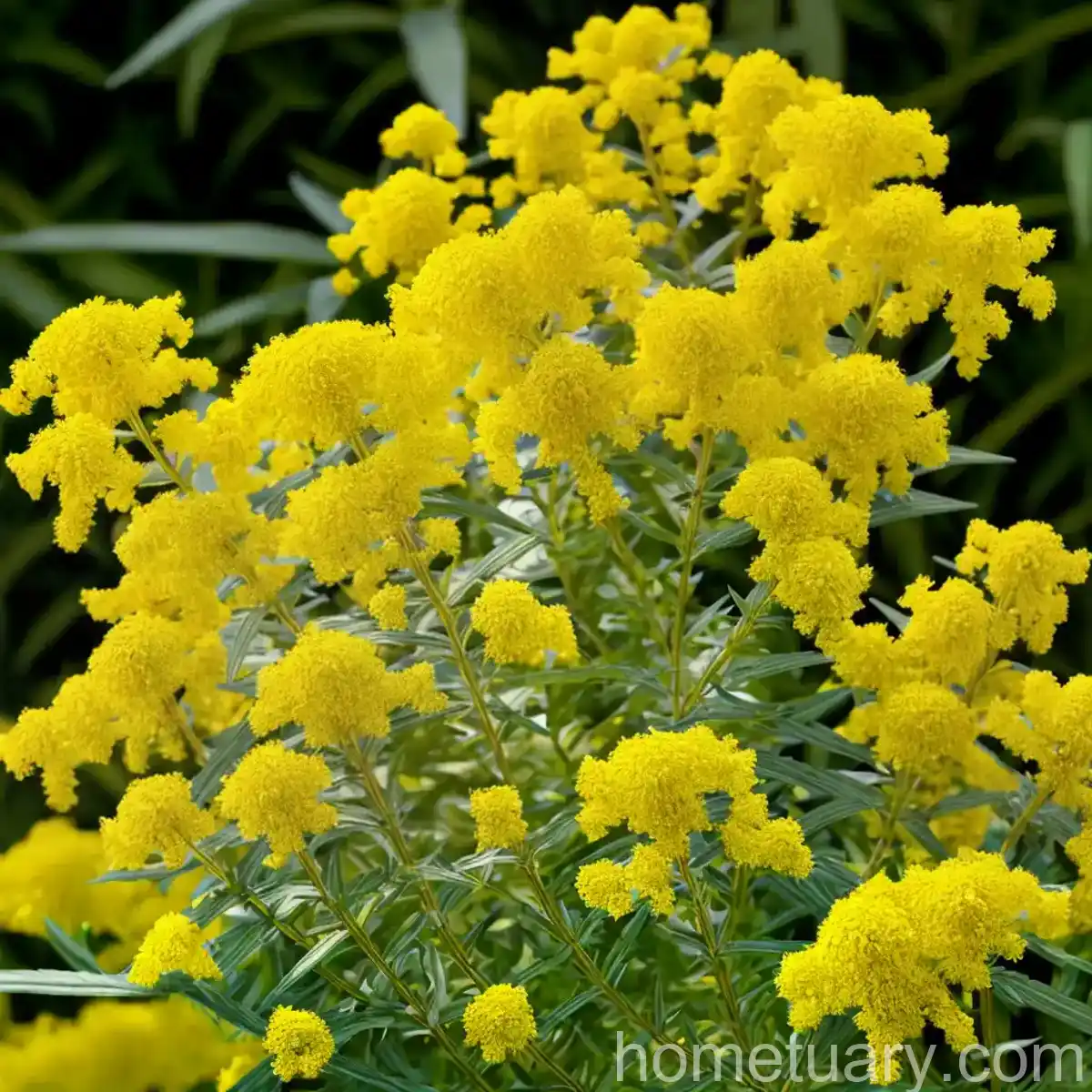
Plant Profile: Goldenrod (Solidago drummondii)
Introduction
Goldenrods are hardy perennial plants that are known for their beautiful blooms and ability to attract pollinators. They are part of the Asteraceae family and belong to the genus Solidago. One particular species, Solidago drummondii, also known as goldenrod, is native to North America and is cherished for its golden-yellow flowers that bloom in late summer and fall.
In this comprehensive guide, we will explore the characteristics, uses, care tips, and various aspects of growing and maintaining goldenrod. Whether you are a seasoned garden enthusiast or a beginner looking to add these vibrant plants to your landscape, this resource will provide you with valuable insights to cultivate and appreciate the beauty of Solidago drummondii.
Solidago drummondii Characteristics
Goldenrods are known for their distinct characteristics, and Solidago drummondii is no exception. Here are some key traits of this plant:
-
Height: It typically grows to a height of 2 to 3 feet, making it an ideal choice for borders, meadows, and garden landscapes.
-
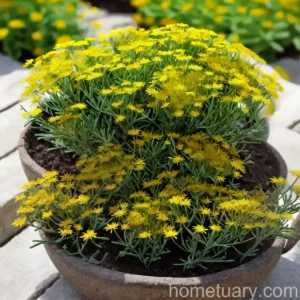
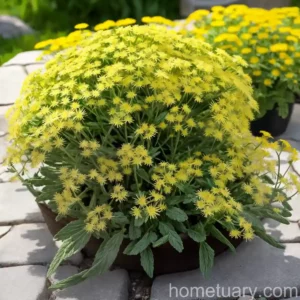
Flowers: The bright yellow flowers of Solidago drummondii form dense, showy clusters known as inflorescences, which are attractive to bees, butterflies, and other pollinators.
-
Foliage: The lance-shaped leaves of goldenrod are usually serrated and can vary in color, with shades of green ranging from bright to deep.
-
Habitat: Solidago drummondii is native to North America and is particularly prevalent in regions with well-drained soils and ample sunlight.
These characteristics make goldenrod a visually appealing and ecologically valuable addition to gardens and natural landscapes.
Uses of Goldenrod (Solidago drummondii)
Goldenrod, specifically Solidago drummondii, has a range of uses and benefits, ranging from its ornamental value to medicinal and ecological purposes:
-
Ornamental Value: The vibrant yellow flowers of goldenrod make it a stunning addition to flowerbeds, meadows, and mixed perennial borders. It adds a pop of color to late-season landscapes and complements a variety of other plants.
-
Pollinator Attraction: Goldenrod is a valuable nectar source for bees, butterflies, and other pollinators. Its blooms help support local ecosystems and contribute to biodiversity in gardens and natural habitats.
-
Medicinal Properties: Some species of goldenrod have been used in traditional herbal medicine for their potential diuretic and anti-inflammatory properties. However, it’s essential to consult a healthcare professional before using any plant for medicinal purposes.
-
Soil Stabilization: The deep, fibrous roots of goldenrod aid in soil stabilization, making it beneficial for erosion control in gardens and natural landscapes.
These uses underscore the versatility and ecological significance of Solidago drummondii in various settings.
Solidago drummondii Care Tips
Cultivating and caring for goldenrod requires attention to specific factors to ensure its optimal growth and health. Here are some essential care tips for Solidago drummondii:
-
Water: While goldenrod is relatively drought-tolerant once established, it benefits from regular watering, especially during periods of prolonged heat and dryness. Provide consistent moisture, especially during its initial growth stages and in well-draining soil.
-
Sunlight: Goldenrod thrives in full sunlight, so it is essential to plant it in locations that receive ample direct sunlight throughout the day. Insufficient sunlight can lead to stunted growth and reduced flowering.
-
Fertilizer: Solidago drummondii generally has minimal fertilizer requirements. However, incorporating a balanced, slow-release fertilizer during the growing season can support robust growth and flowering. Avoid excessive nitrogen, as it may encourage lush foliage at the expense of blooms.
-
Soil: Well-drained, loamy soil is ideal for goldenrod. Ensuring proper soil drainage is crucial, as standing water can lead to root rot and other moisture-related issues. Amending the soil with organic matter can improve its texture and nutrient content.
-
Pruning: While goldenrod does not require extensive pruning, removing spent flower heads can encourage additional blooming and prevent self-seeding. Additionally, cutting back the stems in late fall can help maintain the plant’s shape and manage its spread.
Goldenrod Solidago drummondii Varieties
There are several cultivated varieties of Solidago drummondii available, each with its unique characteristics and adaptations. Some notable varieties of goldenrod include:
| Variety Name | Characteristics |
|---|---|
| ‘Fireworks’ | Compact growth habit, prolific flowering, and vibrant golden-yellow blooms. Suitable for small spaces and containers. |
| ‘Golden Baby’ | Dwarf variety with dense, bushy growth and an abundance of golden inflorescences. Ideal for borders and mass plantings. |
| ‘Little Lemon’ | Compact and well-branched with lemon-yellow flowers. It is known for its early flowering and extended bloom period. |
These varieties offer diverse options for incorporating goldenrod into different garden settings, from compact urban landscapes to expansive natural areas.
Solidago drummondii Growing Conditions
Understanding the ideal growing conditions for Solidago drummondii is essential for promoting its vigor and longevity. Key factors to consider include:
-
Native Habitat: Goldenrod, including Solidago drummondii, is native to various regions of North America, where it thrives in open woodlands, prairies, and along roadsides. Recreating its native habitat conditions can help optimize its growth in cultivated landscapes.
-
Temperature: Solidago drummondii is well-adapted to a range of temperatures common in North American climates. It can withstand both hot summers and cold winters, making it a resilient choice for many regions.
-
Moisture: While goldenrod exhibits some degree of drought tolerance, consistent moisture during its establishment phase is beneficial. Adequate drainage is crucial, as excessive moisture can lead to root rot and other issues.
-
Soil: Well-drained, fertile soil is ideal for goldenrod. It prefers a slightly acidic to neutral pH and benefits from organic matter amendments to enhance soil structure and nutrient availability.
By aligning the growing conditions with its native habitat, gardeners can create an environment that promotes the health and vitality of Solidago drummondii.
Goldenrod Solidago drummondii Native Habitat
Solidago drummondii is native to the central and southern regions of North America, where it thrives in diverse habitats, including:
-
Prairies: Goldenrod is often found in prairie ecosystems, where it contributes to the bright and dynamic floral displays characteristic of these landscapes.
-
Woodlands: It can also be found in open woodlands and forest edges, where its vibrant blooms add color to the understory.
-
Roadsides and Disturbed Areas: Due to its adaptability, goldenrod is often seen along roadsides and in areas that have been impacted by human activity, such as construction sites and abandoned fields.
Understanding its native habitat can offer insights into the environmental conditions that support the growth and proliferation of Solidago drummondii.
Solidago drummondii Medicinal Benefits
Throughout history, certain species of goldenrod, including Solidago drummondii, have been used for various medicinal purposes. Whether in traditional herbal remedies or contemporary herbalism, goldenrod has been associated with potential health benefits, such as:
-
Urinary Health: Goldenrod has been used traditionally for its potential diuretic properties, which may support urinary system health and function.
-
Anti-Inflammatory Effects: Some preparations of goldenrod have been employed for their purported anti-inflammatory properties, although further research is needed to validate these claims.
-
Topical Uses: Infusions and extracts of goldenrod have been utilized in topical applications for soothing skin irritations and promoting skin health.
It is important to note that while goldenrod has a history of traditional medicinal uses, individuals should exercise caution and consult with healthcare professionals before using any plant-based remedies.
Goldenrod Solidago drummondii Planting Guide
To successfully plant and establish Solidago drummondii, gardeners should consider the following guidelines:
-
Timing: Plant goldenrod in early spring or early fall, allowing it to establish its root system before facing the stress of extreme temperatures.
-
Location: Select a planting site that receives full sunlight and has well-drained, fertile soil. Proper air circulation is also beneficial to prevent issues such as powdery mildew.
-
Spacing: Space Solidago drummondii plants approximately 18 to 24 inches apart to allow for their mature spread and to prevent overcrowding.
-
Watering: Provide ample water immediately after planting to help the roots settle in and establish their connection with the surrounding soil.
Following these guidelines can help ensure a successful and thriving start for goldenrod in the landscape.
Solidago drummondii Pruning Techniques
Pruning goldenrod, including Solidago drummondii, can help maintain its shape, promote additional blooms, and prevent self-seeding. Here are some essential pruning techniques for goldenrod:
-
Deadheading: Removing spent flower heads promotes new growth and can extend the flowering period of goldenrod.
-
Fall Pruning: In late fall or early winter, trim back the stems of goldenrod to a few inches above the ground. This helps manage the plant’s overall size and prevents it from becoming unruly.
-
Thinning: If the plant becomes overcrowded or dense over time, selectively thin out some of the stems to improve airflow and reduce the risk of disease.
Regular pruning is essential for keeping goldenrod in optimal condition and encouraging a healthy, well-shaped growth habit.
Goldenrod Solidago drummondii Propagation Methods
Propagating Solidago drummondii can be achieved through various methods, allowing gardeners to expand their goldenrod population or share the plant with others. Here are common propagation strategies for goldenrod:
-
Division: Divide mature goldenrod plants in early spring before new growth emerges. Carefully separate the roots and shoots to create new, viable plant segments.
-
Seeds: Collect seeds from mature goldenrod plants and sow them in a well-prepared seedbed in early spring. While seeds may take longer to establish compared to dividing plants, they offer a cost-effective way to propagate goldenrod.
Propagation provides an opportunity to increase the presence of goldenrod in the landscape while preserving the specific traits and characteristics of the parent plants.
Solidago drummondii Pest Control
While goldenrod is generally resistant to most pests and diseases, a few potential issues may arise, including:
-
Aphids: These small insects may occasionally feed on the new growth of goldenrod. They can be controlled through manual removal, insecticidal soaps, or beneficial insect predators.
-
Powdery Mildew: In humid conditions, powdery mildew can affect the foliage of goldenrod. Ensuring proper air circulation, avoiding overhead watering, and using fungicidal treatments can help manage this issue.
By monitoring for signs of pest activity and promptly addressing potential concerns, gardeners can maintain the health and vitality of Solidago drummondii.
Goldenrod Solidago drummondii Soil Requirements
Goldenrod, including Solidago drummondii, thrives in well-drained, fertile soil with the following characteristics:
-
Texture: Loamy or sandy soil with good drainage is ideal for goldenrod. It should provide a balance of water retention and aeration for the roots.
-
pH: A slightly acidic to neutral soil pH (around 6.0 to 7.0) is suitable for goldenrod. Conducting a soil test can help determine the pH of the planting area and guide any necessary adjustments.
-
Organic Matter: Adding organic matter such as compost or well-rotted manure can enhance soil structure, nutrient content, and overall plant health.
Understanding and meeting the soil requirements of goldenrod is pivotal for fostering its robust growth and blooming.
Solidago drummondii Flowering Period
The flowering period of Solidago drummondii typically occurs in late summer to early fall, producing an abundant display of bright yellow blooms. The duration of the flowering season can extend for several weeks, providing a striking visual impact in the landscape and attracting pollinators.
By selecting appropriate cultivars and providing optimal growing conditions, gardeners can extend the flowering period of goldenrod, enhancing its visual appeal and ecological function.
Goldenrod Solidago drummondii Maintenance
Maintaining Solidago drummondii involves regular care and attention to ensure its overall health and appearance. Key maintenance tasks include:
-
Watering: Providing adequate moisture, especially during dry periods, is essential for maintaining the vigor and blooming of goldenrod.
-
Fertilization: While goldenrod has moderate fertility needs, a balanced fertilizer application in spring can support its growth and flowering.
-
Weed Control: Managing weeds around goldenrod plants reduces competition for resources and minimizes the risk of pests and diseases.
By incorporating these maintenance practices, gardeners can promote the longevity and vitality of Solidago drummondii in the landscape.
Solidago drummondii Landscape Ideas
Goldenrod, including Solidago drummondii, offers versatile options for enhancing various landscape settings. Some landscape ideas and applications for goldenrod include:
-
Mixed Borders: Planting goldenrod alongside other perennials and ornamental grasses creates dynamic, colorful borders that provide seasonal interest and attract pollinators.
-
Wildflower Meadows: Incorporating goldenrod into naturalistic wildflower meadows adds vibrant blooms and supports local ecosystems through its pollinator-attracting qualities.
-
Pollinator Gardens: Goldenrod’s nectar-rich flowers make it a valuable addition to pollinator gardens, where it contributes to supporting bees, butterflies, and other beneficial insects.
Employing goldenrod in diverse landscape designs enhances the visual appeal and ecological value of outdoor spaces.
Goldenrod Solidago drummondii Wildlife Attractant
Goldenrod, particularly Solidago drummondii, is known for its ability to attract a variety of wildlife, including:
-
Bees: The nectar and pollen of goldenrod flowers are highly attractive to bees, making it a valuable forage source for these essential pollinators.
-
Butterflies: Various butterfly species, including monarchs and swallowtails, are drawn to the nectar-rich blooms of goldenrod, using them as a food source during their migrations.
-
Beneficial Insects: Predatory and parasitic insects that contribute to natural pest control are often observed visiting goldenrod flowers, making it a supportive plant for diverse insect populations.
The wildlife-attracting qualities of goldenrod underscore its ecological value and its potential to contribute to the health and biodiversity of garden ecosystems.
Solidago drummondii Drought Tolerance
Goldenrod, including Solidago drummondii, demonstrates a degree of drought tolerance once established. Its deep roots enable it to access moisture from deeper soil layers, making it well-suited for landscapes prone to periodic dry conditions.
While goldenrod can withstand dry spells, providing supplemental water during extended drought periods can help maintain its vigor and blooming, especially in regions with prolonged arid climates.
Goldenrod Solidago drummondii Companion Plants
Pairing Solidago drummondii with compatible companion plants can create visually appealing and ecologically beneficial combinations in the landscape. Some suitable companion plants for goldenrod include:
-
Asters (Aster spp.): These late-season bloomers complement the flowering period of goldenrod and share similar ecological requirements.
-
Black-eyed Susans (Rudbeckia spp.): The bold, daisy-like blooms of black-eyed Susans contrast effectively with the golden flowers of goldenrod, creating a vibrant display.
-
Switchgrass (Panicum virgatum): Ornamental grasses such as switchgrass offer textural contrast and structural interest when interplanted with goldenrod.
By selecting compatible companion plants, gardeners can create harmonious plantings that enhance the overall aesthetics and ecological value of their landscapes.
Solidago drummondii Sun Exposure
Full sun exposure is crucial for the optimal growth and blooming of Solidago drummondii. When choosing a planting site for goldenrod, ensure that it receives a minimum of six to eight hours of direct sunlight daily.
Insufficient sun exposure may result in decreased flowering, weak growth, and increased susceptibility to diseases. Therefore, it’s important to prioritize full sun locations when incorporating goldenrod into garden designs.
Goldenrod Solidago drummondii Water Needs
While goldenrod exhibits a degree of drought tolerance, it benefits from regular watering, especially during its establishment phase and in periods of prolonged heat and dryness. Adequate moisture is crucial for promoting robust growth and a profusion of blooms in Solidago drummondii.
When providing supplemental water for goldenrod, aim to maintain consistent soil moisture without creating waterlogged conditions, which can lead to root rot and other issues.
Solidago drummondii Container Gardening
Goldenrod, including Solidago drummondii, can be successfully grown in containers, offering versatility for gardens with limited space or where landscape beds are unavailable. When cultivating goldenrod in containers, consider the following tips:
-
Container Size: Select a spacious container that accommodates the mature size of the goldenrod plant and provides adequate root space.
-
Drainage: Ensure that the container has drainage holes to prevent waterlogging, as excessive moisture can be detrimental to the roots.
-
Soil: Use a well-draining, high-quality potting mix formulated for perennial plants to provide optimal growing conditions for goldenrod.
Container gardening offers an opportunity to enjoy the beauty of goldenrod in diverse outdoor spaces, including patios, balconies, and rooftop gardens.
Goldenrod Solidago drummondii Common Problems
While generally resilient, solidago drummondii may encounter some common problems that require attention and management. These issues include:
-
Powdery Mildew: In humid conditions, goldenrod may be susceptible to powdery mildew, a fungal disease that affects the foliage. To prevent and manage this issue, ensure proper air circulation and consider using fungicidal treatments when necessary.
-
Overcrowding: Without periodic thinning or division, goldenrod plants may become overcrowded and develop reduced vigor and blooming. Addressing overcrowding through pruning and division can help rejuvenate the plants.
By monitoring goldenrod for these common problems and employing appropriate interventions, gardeners can maintain the health and visual appeal of Solidago drummondii in the landscape.
Solidago drummondii Garden Design
Goldenrod, including Solidago drummondii, can serve various design functions in the garden, adding ornamental value, attracting wildlife, and contributing to the overall aesthetic. When incorporating goldenrod into garden designs, consider the following design possibilities:
-
Seasonal Interest: Goldenrod provides late-season interest with its vibrant blooms, enhancing the visual appeal of the garden when other plants may be waning.
-
Wildlife Gardens: Goldenrod’s nectar-rich flowers make it an ideal choice for wildlife-supporting gardens, attracting pollinators and contributing to biodiversity.
-
Naturalistic Landscapes: In naturalistic or prairie-style landscapes, goldenrod blends seamlessly with native grasses and wildflowers, adding authentic ecological character.
Integrating goldenrod into garden designs allows for diverse and ecologically conscious elements to be incorporated into outdoor spaces.
Goldenrod Solidago drummondii Seasonal Care
Seasonal care for Solidago drummondii involves specific tasks and interventions to support its health and appearance throughout the year. Key considerations for seasonal care may include:
-
Spring: Divide mature goldenrod plants if necessary, remove winter mulch, and provide balanced fertilizer to support new growth.
-
Summer: Monitor for signs of pests and diseases, water during