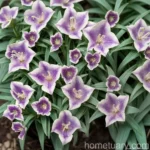
The Amazing Spiderwort (Tradescantia ‘Concord Grape’)
Introduction
The spiderwort (Tradescantia (Andersoniana Group) ‘Concord Grape’) is a striking and versatile perennial plant that captivates with its elegant foliage and vibrant blooms. Belonging to the Commelinaceae family, this plant is native to the Americas and is renowned for its adaptability, making it a popular choice among both experienced gardeners and beginners. In this comprehensive guide, we will delve into the world of spiderwort, exploring its cultivation, uses, benefits, and much more.
What is the Spiderwort Plant?
The spiderwort plant, scientifically known as Tradescantia, derives its common name from the interesting shape and structure of its flowers, resembling a spider in appearance. The genus Tradescantia encompasses a variety of perennial plants that are valued for their ornamental appeal and resilience.
Key Takeaways
- Spiderwort Plant: A visually appealing perennial known for its spider-like flowers and lush foliage.
- Tradescantia Andersoniana Group: The spiderwort variety included in the ‘Andersoniana Group’ showcases exceptional traits such as robust growth and vibrant blooms.
- Concord Grape Spiderwort: An exquisite specimen within the spiderwort family, featuring deep purple blossoms resembling the hue of Concord grapes.
Culture
The spiderwort plant is celebrated for its ease of care and its ability to thrive in a range of environmental conditions. Understanding its specific cultural requirements is essential for fostering its optimal growth and blooming potential.
Uses
The spiderwort plant offers a multitude of uses, both in the garden and beyond. Its primary uses include:
- Ornamental Display: Its striking flowers and foliage make it an ideal choice for ornamental landscaping and decorative purposes.
- Cut Flowers: Spiderwort blooms can be utilized in floral arrangements, adding a touch of natural beauty to indoor spaces.
- Pollinator Attraction: The nectar-rich flowers of spiderwort attract bees, butterflies, and other pollinators, contributing to the biodiversity of the garden.
Water
Spiderwort plants prefer moderately moist soil but are also tolerant of short periods of drought. Overwatering should be avoided to prevent waterlogged conditions, which can lead to root rot.
- Watering Frequency: Water deeply whenever the top inch of soil feels dry to the touch, typically requiring watering every 7-10 days.
- Watering Technique: Direct the water at the base of the plant to minimize moisture on the foliage, reducing the risk of fungal diseases.
Sunlight
These plants exhibit an adaptable nature regarding sunlight exposure, thriving in both full sun and partial shade conditions.
- Full Sun: Spiderwort will prosper in locations receiving direct sunlight for 6-8 hours daily, resulting in enhanced flowering and compact growth.
- Partial Shade: In regions with intense heat, providing afternoon shade can prevent wilting and maintain the plant’s vigor.
Fertilizer
Applying a balanced, all-purpose fertilizer during the growing season can bolster the growth and blooming capacity of the spiderwort plant.
- Fertilizer Type: Utilize a water-soluble fertilizer diluted to half strength, applying it every 4-6 weeks from spring to early fall.
- Fertilizer Application: Distribute the fertilizer evenly around the base of the plant, ensuring it is incorporated into the soil with watering.
Soil
The spiderwort plant thrives in well-draining, nutrient-rich soil, allowing it to establish strong roots and sustain healthy growth.
- Soil Type: Loamy or sandy soil with a pH range of 5.5-7.5 is ideal for cultivating spiderwort, offering excellent drainage and aeration.
- Soil Amendment: Incorporating organic matter such as compost or peat moss enhances soil fertility and structure, promoting optimal plant development.
Pruning
Regular pruning is beneficial for the spiderwort plant, enhancing its aesthetics and prolonging its blooming period.
- Deadheading: Removing faded flowers promptly encourages continuous blooming and prevents the plant from expending energy on seed production.
- Foliage Pruning: Trimming back leggy or discolored foliage maintains the plant’s compact form and aesthetic appeal, promoting new growth.
Propagation
The spiderwort plant can be easily propagated through various approaches, allowing gardeners to expand their collection or share the plant with others.
- Division: Dividing mature clumps every 2-3 years in spring enables the creation of new spiderwort plants, rejuvenating the parent specimens in the process.
- Stem Cuttings: Rooting stem cuttings in a well-draining potting mix offers a reliable method for propagating spiderwort, yielding genetically identical offspring.
Container Popularity
Spiderwort’s versatility extends to container cultivation, presenting an excellent option for gardeners with limited space or those seeking to adorn patios and balconies with its beauty.
- Container Selection: Opt for spacious containers with drainage holes to accommodate the plant’s root system and prevent waterlogging.
- Potting Mix: Utilize a well-aerated, nutrient-rich potting mix to support healthy growth, ensuring sufficient moisture retention without compaction.
Container Common Diseases
While spiderwort is generally resistant to many diseases, prolonged periods of moisture or nutrient deficiencies can predispose the plant to certain issues.
- Fungal Diseases: Watch for signs of leaf spot or powdery mildew, especially in humid conditions, and address promptly with appropriate fungicidal treatments.
- Root Rot: Overwatering or poorly-draining containers can lead to root rot; therefore, maintaining optimal soil moisture levels is crucial for disease prevention.
Disease Diagnosis
Identifying potential diseases and promptly addressing them is vital for maintaining the health and vigor of the spiderwort plant.
- Symptoms: Common symptoms of fungal diseases include leaf spots, powdery white growth on foliage, and overall decline in plant health.
- Diagnosis: Bring affected plant parts to a local nursery or extension service for accurate diagnosis, helping in the selection of targeted remedies.
Common Pests
The spiderwort plant is relatively resistant to pest infestations, but vigilance is necessary to detect and manage any potential threats effectively.
- Aphids: Keep an eye out for clusters of small, soft-bodied insects on the foliage, addressing them promptly with insecticidal soap or neem oil.
- Snails and Slugs: Monitor for signs of feeding damage, and utilize physical barriers or organic control methods to safeguard the plant from these pests.
Botanist’s Tips
Employing proven strategies and techniques can optimize the growth, blooming, and overall health of the spiderwort plant, ensuring a flourishing garden display.
- Mulching: Applying a 2-3 inch layer of organic mulch around the base of the plant conserves soil moisture, suppresses weeds, and moderates soil temperature.
- Companion Planting: Pairing spiderwort with complementary plants such as asters, coneflowers, and daylilies enhances visual interest and supports biodiversity.
- Seasonal Care: Adhering to seasonal care practices, including winter mulching and spring division, promotes the longevity and vitality of the spiderwort plant.
Fun Facts
Discovering intriguing and lesser-known facts about the spiderwort plant adds an extra dimension of interest and appreciation for this remarkable species.
- Historical Significance: The genus Tradescantia is named after John Tradescant, the renowned English naturalist and gardener who contributed to the introduction of numerous plant species to Europe.
- Edible Flowers: In addition to its ornamental value, certain spiderwort varieties yield edible flowers that can be incorporated into salads or used as garnishes, showcasing its culinary potential.
Links to External Resources
For additional information, inspiration, and support in cultivating the spiderwort plant, the following external resources offer valuable insights:
- The Royal Horticultural Society – Tradescantia
- University of Florida IFAS Extension – Spiderwort as a Garden Plant
- Missouri Botanical Garden – Growing and Caring for Spiderwort
- North Carolina State University Extension – Spiderwort in the Landscape
- American Society for the Prevention of Cruelty to Animals – Spiderwort Toxicity in Pets
In conclusion, the spiderwort (Tradescantia (Andersoniana Group) ‘Concord Grape’) stands as an exemplary plant, thriving with minimal care while offering captivating flowers and lush foliage. Its versatility, resilience, and ornamental charm make it an invaluable addition to gardens, landscapes, and container displays. By understanding its cultural nuances and embracing its botanical wonders, enthusiasts can savor the enduring beauty and allure of this remarkable perennial.
References:
- Li, Q.Q., Zhou, S.D., He, X.J., Yu, Y., Zhang, Y.C. and Wei, Z.D. (2019). Molecular phylogeny, historical biogeography, and chromosome number evolution of Tradescantia s.l. (Commelinaceae) inferred from nuclear and plastid DNA. Journal of Systematics and Evolution, 57(4), pp.404-415.
- Kelly, M. (2003). Spiderworts: ** Tradescantia and Zebrina. Portland, Or.: Timber Press.
- Gray, A. (2011). Studies of North American plants. Transactions of the American Philosophical Society, 12, pp.1-45.