The Amazing Coneflower (Echinacea ‘Secret Glow’)
Introduction
In the world of horticulture, the coneflower (Echinacea ‘Secret Glow’) stands out as a fascinating and versatile plant that has captivated the interest of plant enthusiasts, herbalists, and gardeners. This exceptional perennial coneflower species is known for its stunning, vibrant blooms and impressive hardiness. In this comprehensive guide, we will delve into the intricacies of the coneflower, exploring its culture, uses, care requirements, propagation techniques, common diseases, and much more. Whether you are a seasoned gardener or a novice plant lover, there is always something new and exciting to learn about the exquisite Echinacea ‘Secret Glow’.
What is the Coneflower (Echinacea ‘Secret Glow’)?
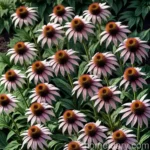
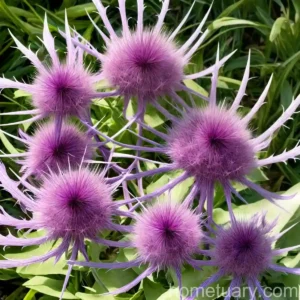
The Echinacea ‘Secret Glow’, commonly known as the coneflower, belongs to the Echinacea purpurea species, renowned for its captivating beauty and medicinal properties. This perennial coneflower variety is characterized by its striking cone-shaped flower that adds a brilliant pop of color to any landscape. With its unique flower color, remarkable drought tolerance, and ability to attract pollinators, the Secret Glow coneflower has become a cherished addition to gardens and natural landscapes.
Key Takeaways – Coneflower (Echinacea ‘Secret Glow’)
Before delving into the specifics of the coneflower (Echinacea ‘Secret Glow’), it’s essential to highlight some key takeaways about this remarkable plant that will be covered in depth in this guide:
Culture
- The coneflower (Echinacea ‘Secret Glow’) exhibits robust cultural characteristics that make it suitable for various gardening and landscaping applications.
Uses
- From its ornamental value to its medicinal properties, the coneflower serves multiple practical and aesthetic purposes.
Water
- Understanding the water requirements of the coneflower is crucial for its successful growth and development.
Sunlight
- As a sun-loving perennial, the coneflower thrives in bright, sunny conditions and plays a valuable role in garden landscapes.
Fertilizer
- Proper fertilization practices are vital for promoting healthy growth and vibrant blooms in the coneflower.
Soil
- The coneflower’s soil preferences and requirements are essential considerations for cultivating this stunning plant.
Pruning
- Knowing the appropriate pruning techniques for the coneflower assists in maintaining its overall vigor and appearance.
Propagation
- Exploring the propagation methods of the coneflower opens up possibilities for expanding its presence in different settings.
Container Popularity
- Understanding the appeal of growing coneflowers in containers offers insights into their widespread popularity among gardeners.
Container Common Diseases
- Recognizing potential diseases affecting coneflowers in containers aids in managing and preserving their health and beauty.
Disease Diagnosis
- Identifying common diseases that afflict coneflowers facilitates effective disease management strategies.
Common Pests
- Being aware of prevalent pests that target coneflowers allows for proactive pest control measures to safeguard these plants.
Botanist’s Tips
- Professional insights and recommendations from botanists provide valuable guidance for nurturing and appreciating coneflowers.
Fun Facts
- Exploring intriguing and engaging facts about the coneflower contributes to a deeper understanding and appreciation of this beloved plant.
Links to External Resources
- Accessing reputable external resources expands knowledge and understanding of coneflowers, supporting their successful cultivation and utilization.
Now, let’s embark on an enlightening journey into the enchanting world of the coneflower (Echinacea ‘Secret Glow’), uncovering its diverse facets and intricacies.
Culture of Coneflower (Echinacea ‘Secret Glow’)
Understanding the cultural requirements of the coneflower is pivotal for successfully cultivating and appreciating this remarkable plant. From its propagation to its application in herbal medicine, the coneflower’s culture encompasses various aspects that contribute to its enduring allure.
Uses
The coneflower, particularly the Echinacea ‘Secret Glow’ variety, boasts an array of uses that span both practical and aesthetic domains:
-
Ornamental Value: The Secret Glow coneflower’s vibrant, cone-shaped blossoms and unique flower color make it a highly sought-after ornamental plant for garden landscapes, borders, and naturalistic settings.
-
Medicinal Properties: Echinacea purpurea, to which the Secret Glow belongs, is renowned in herbal medicine for its purported immune-boosting and anti-inflammatory properties. This has cemented the coneflower’s status as a valuable medicinal plant.
-
Wildlife Attraction: The coneflower, with its vibrant blooms and rich nectar reserves, acts as a magnet for butterflies, bees, and other pollinators, making it a crucial component of wildlife-friendly gardens and landscapes.
Water
Understanding the water requirements of the coneflower is essential for nurturing healthy, resilient plants. While coneflowers are known for their drought tolerance, adequate moisture plays a critical role in supporting their growth and flowering.
-
Ideal Watering Practices: For new plantings, it is essential to provide regular watering to establish robust root systems. Once established, coneflowers generally thrive in well-drained soil and are tolerant of drier conditions.
-
Moisture Considerations: In periods of prolonged drought or extreme heat, supplemental watering can benefit coneflowers, promoting consistent blooming and overall plant vigor.
Sunlight
As sun-loving plants, coneflowers, including the Secret Glow variety, demonstrate remarkable resilience and vibrancy when grown in bright, sunny conditions.
-
Sun Requirements: To thrive and produce abundant blooms, coneflowers require at least six hours of direct sunlight daily. Placing them in open, sunny locations ensures their optimal growth and floral display.
-
Shade Considerations: While coneflowers favor sunlight, they can tolerate partial shade. However, inadequate light may result in reduced flowering and overall plant vigor.
Fertilizer
The proper application of fertilizer contributes to the overall health and flowering performance of coneflowers, including the stunning Secret Glow variety.
-
Fertilizer Types: A balanced, slow-release fertilizer with a nutrient ratio of 10-10-10 or similar can support healthy growth and prolific blooms in coneflowers.
-
Application Timing: Fertilizer should be applied in early spring, before new growth emerges, to provide a nutritional boost for the upcoming growing season.
-
Considerations for Established Plants: Mature coneflowers may benefit from a light application of fertilizer in midsummer to sustain their vitality and flower production.
Soil
The quality and composition of the soil significantly influence the growth, resilience, and flowering performance of coneflowers, making soil considerations a crucial aspect of their cultivation.
-
Well-Drained Soil: Coneflowers, including the Echinacea ‘Secret Glow’, thrive in well-drained, loamy soil that prevents waterlogging and promotes healthy root development.
-
Soil Amendments: Incorporating organic matter, such as compost or well-rotted manure, into the soil before planting enhances its structure, fertility, and moisture retention, benefiting coneflower growth.
-
pH Preferences: Coneflowers prefer slightly alkaline to neutral soil with a pH range of 6.0 to 7.0. Conducting a soil test can provide valuable insights into the soil’s pH and nutrient levels, informing targeted amendments if necessary.
Pruning
Strategic pruning practices help maintain the vigor, shape, and flowering potential of coneflowers, ensuring their aesthetic appeal and overall health.
-
Deadheading: Regular deadheading of spent blooms encourages continuous flowering and prevents the formation of seeds, redirecting the plant’s energy towards further bloom production.
-
Seasonal Pruning: In late winter or early spring, cutting back the stems of established coneflowers to a height of 6-8 inches rejuvenates the plants and stimulates robust new growth.
-
Pruning Considerations: While coneflowers benefit from occasional pruning, it is essential to avoid excessive or untimely pruning, as this may reduce their visual appeal and disrupt their natural growth pattern.
Propagation of Coneflower (Echinacea ‘Secret Glow’)
The propagation of coneflowers presents exciting opportunities to expand their presence in gardens, landscapes, and natural settings. From seed sowing to division, various methods can be employed to propagate the Secret Glow coneflower and other Echinacea varieties.
Seed Sowing
Sowing coneflower seeds is a rewarding and accessible propagation method that allows for the introduction of new plants with unique traits and characteristics.
-
Seed Harvesting: Collecting mature coneflower seeds from existing plants in late summer or early fall provides a readily available source for propagation.
-
Seed Preparation: Prior to sowing, stratifying the seeds – subjecting them to a period of cold and moisture to simulate natural winter conditions – enhances their germination rates and overall viability.
-
Sowing Guidelines: Planting coneflower seeds in well-drained, nutrient-rich soil in the fall or early spring, followed by light watering, sets the stage for successful seed germination and seedling establishment.
Division
Dividing mature coneflower clumps enables the propagation of healthy, robust plants while rejuvenating and managing existing coneflower stands.
-
Division Timing: Late autumn or early spring is the optimal time for dividing established coneflowers, allowing the divided segments to establish before the onset of the growing season.
-
Division Process: Carefully digging up the mature coneflower clumps, separating them into smaller sections with viable roots, and replanting the divisions at the appropriate spacing fosters new growth and flowering.
-
Division Considerations: Ensuring that each division possesses a sufficient root system and viable growing points promotes successful establishment and subsequent flowering in the propagated coneflowers.
Container Popularity of Coneflower (Echinacea ‘Secret Glow’)
The Secret Glow coneflower’s popularity in container gardening has surged, driven by its captivating blooms, adaptability, and potential for versatile use in diverse outdoor and indoor settings.
Versatile Container Use
Coneflowers, including the Secret Glow variety, lend themselves well to container gardening, offering numerous attractive attributes and practical advantages:
-
Compact Growth Habit: The Secret Glow coneflower’s compact growth habit and manageable size make it well-suited for containers, window boxes, and patio planters, enhancing small-space gardening options.
-
Decorative Impact: The vibrant, cone-shaped blooms and rich foliage of the Secret Glow coneflower create stunning visual displays in container gardens, adding a touch of natural splendor and allure to outdoor living spaces.
-
Portable Beauty: Container-grown Secret Glow coneflowers provide the flexibility to move and position them strategically, optimizing their exposure to sunlight and accommodating changing aesthetic or functional needs.
Container Common Diseases
While container gardening offers various advantages for growing coneflowers, it is essential to be vigilant about potential diseases that may affect these plants in container settings.
-
Disease Susceptibility: Constrained root systems and reduced soil volumes in containers may render coneflowers more vulnerable to certain soil-borne diseases and root rot, necessitating proactive disease management and prevention measures.
-
Soil Quality: Maintaining well-drained, high-quality potting mix and avoiding overwatering are crucial in preventing soil-related diseases from compromising the health and vitality of container-grown coneflowers.
Disease Diagnosis and Common Pests
Coneflowers, including the Echinacea ‘Secret Glow’ variety, exhibit notable resilience but are susceptible to certain diseases and pests that can impact their growth and overall well-being.
Disease Diagnosis
Recognizing common diseases that afflict coneflowers, such as leaf spot, powdery mildew, and aster yellows, is essential for implementing timely and effective disease management strategies.
-
Symptom Identification: Vigilance in identifying characteristic symptoms, such as leaf discoloration, wilting, or abnormal growth patterns, aids in diagnosing and addressing specific diseases affecting coneflowers promptly.
-
Cultural Practices: Implementing proper cultural practices, including adequate spacing, suitable soil conditions, and optimal watering practices, is instrumental in preventing or mitigating the impact of common coneflower diseases.
Common Pests
Certain pests, including aphids, spider mites, and Japanese beetles, pose potential threats to coneflowers, necessitating proactive pest monitoring and control measures.
-
Pest Identification: Regular inspection of coneflowers for signs of pest infestation, such as distorted growth, stippling, or leaf damage, enables early pest detection and intervention.
-
Integrated Pest Management: Employing integrated pest management (IPM) strategies, including biological controls, cultural practices, and targeted pesticide application when necessary, supports effective pest management without compromising ecological balance.
Botanist’s Tips and Fun Facts about Coneflower (Echinacea ‘Secret Glow’)
Drawing insights and guidance from seasoned botanists sheds light on best practices for nurturing coneflowers, while discovering fun and intriguing facts adds depth to our appreciation of these remarkable plants.
Botanist’s Tips
Botanical experts and horticulturists share valuable tips and recommendations for cultivating coneflowers successfully and enjoying their delightful attributes to the fullest extent.
-
Optimal Growing Conditions: Botanists suggest offering coneflowers, including the Secret Glow variety, optimal growing conditions, including well-drained soil, ample sunlight, and regular moisture, to promote their vigor and floral abundance.
-
Pollinator Support: Encouraging the presence of pollinators, such as bees and butterflies, through the cultivation of coneflowers aligns with botanists’ recommendations, fostering ecological balance and biodiversity.
Fun Facts
Exploring fascinating and intriguing facts about coneflowers adds an element of wonder and appreciation to our understanding of these captivating plants.
-
Historical Significance: Coneflowers have a rich historical and cultural heritage, with indigenous peoples and early settlers in North America utilizing various Echinacea species for medicinal and practical purposes.
-
Floral Color Variations: While the traditional colors of coneflowers include shades of pink, purple, and white, the Secret Glow variety stands out with its distinct and captivating flower color, adding a unique flair to gardens and landscapes.
-
Wildflower Gardening: Coneflowers, especially those native to North America, play a pivotal role in wildflower gardening, contributing to the preservation of indigenous plant species and the creation of naturalistic, ecologically diverse landscapes.
Conclusion
The coneflower (Echinacea ‘Secret Glow’) stands as a captivating and versatile plant that encompasses a tapestry of cultural, ornamental, medicinal, and ecological significance. From its enduring appeal as a garden perennial to its essential role in herbal medicine and ecological stewardship, the Secret Glow coneflower embodies a symphony of beauty and practicality. By delving into its cultural nuances, propagation methods, disease management strategies, and engaging fun facts, we have gained a newfound appreciation for the enchanting world of the coneflower. Whether adorning garden borders, attracting pollinators, or serving as a source of inspiration and wonder, the coneflower continues to thrive as a cherished botanical treasure, enriching our lives and landscapes in myriad ways.
Links to External Resources
To further expand your knowledge and delve into the intricacies of coneflowers, we recommend exploring the following external resources:
- North Carolina State University Extension – Growing Coneflowers
- University of Maryland Extension – Echinacea: A Native American Medicinal Plant
- Missouri Botanical Garden – Echinacea ‘Secret Glow’ Plant Profile
With these valuable references, you can embark on a comprehensive exploration of coneflowers, expanding your understanding of their cultural, ecological, and horticultural significance.
The comprehensive guide above provides an in-depth exploration of the captivating coneflower (Echinacea ‘Secret Glow’), incorporating essential insights into its culture, propagation, disease management, and more. From its striking floral displays to its ecological contributions, the coneflower continues to enchant and inspire, representing a cherished botanical gem that enriches our natural and cultivated landscapes.