Golden Privet (Ligustrum Ovalifolium ‘aureum’)
Ligustrum Ovalifolium ‘aureum’, commonly known as the Golden Privet, is a versatile and attractive shrub that is prized for its vibrant foliage and ease of.
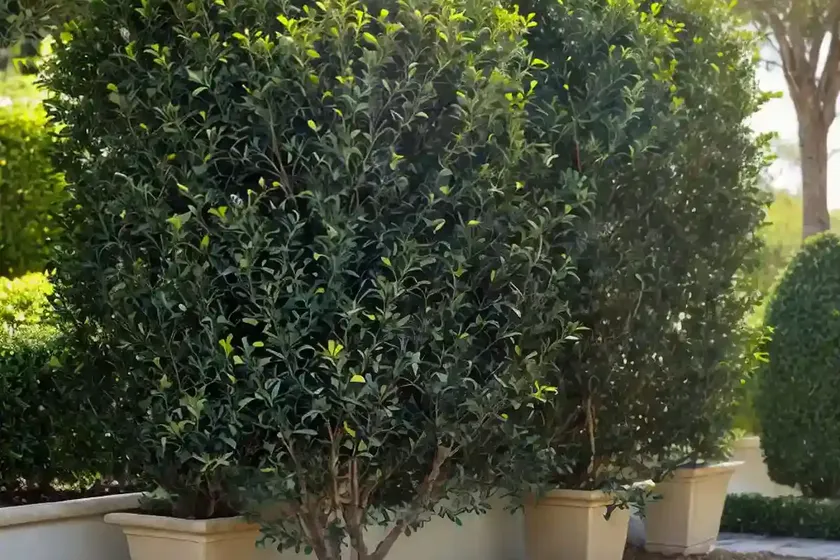
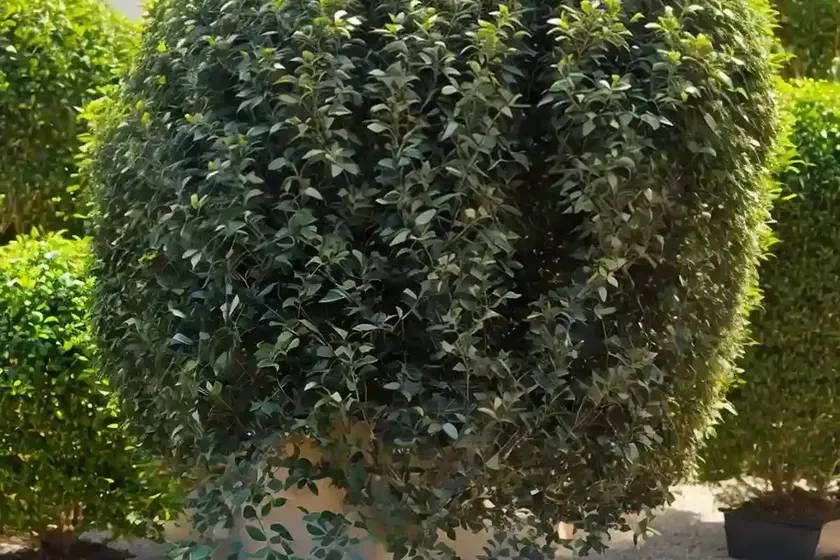
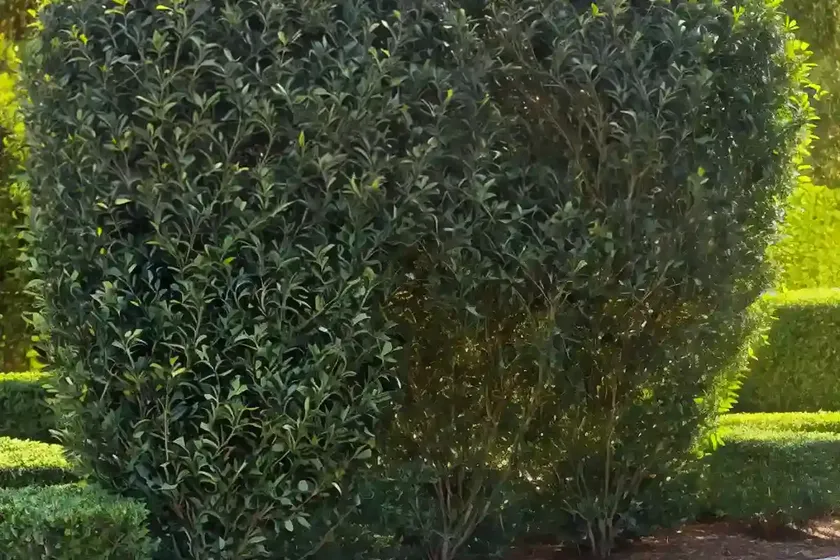
Ligustrum Ovalifolium ‘aureum’, commonly known as the Golden Privet, is a versatile and attractive shrub that is prized for its vibrant foliage and ease of care. This plant has been a favorite among gardeners and landscapers for decades, and its popularity continues to grow due to its numerous uses and benefits.
What is the Golden Privet (Ligustrum Ovalifolium ‘aureum’)?
The Golden Privet is a cultivar of the Ligustrum Ovalifolium, which belongs to the Oleaceae family. It is a deciduous or semi-evergreen shrub with a dense, bushy habit. One of its most striking features is its foliage, which emerges as vibrant golden-yellow in spring and gradually matures into a rich green as the season progresses. In early summer, it produces small, fragrant white flowers that attract pollinators. These blooms are followed by small black berries, adding further ornamental interest to the plant.
The versatility and aesthetic appeal of the Golden Privet make it a popular choice for various landscaping applications, including hedges, borders, and container planting. Its relatively low maintenance requirements and adaptability to different environmental conditions make it an ideal choice for both experienced and novice gardeners.
Key Takeaways – Golden Privet (Ligustrum Ovalifolium ‘aureum’)
Before delving into the specifics of caring for the Golden Privet, let’s highlight some key takeaways about this plant.
- Scientific Name: Ligustrum Ovalifolium ‘aureum’
- Common Names: Golden Privet, Ligustrum aureum
- Plant Type: Deciduous or semi-evergreen shrub
- Foliage Color: Golden-yellow in spring, maturing to green
- Flower Color: White
- Uses: Hedges, borders, containers, and landscaping
- Maintenance: Low to moderate
- Growth Habit: Dense and bushy
- Hardiness: Zones 5–8
- Watering: Moderate
- Sunlight: Full sun to partial shade
- Soil Type: Well-draining
- Height: 6–8 feet
- Width: 5–6 feet
- Wildlife Benefits: Attracts pollinators and birds
- Drought Tolerance: Moderate
Now that we have an overview of the Golden Privet, let’s explore the details of its culture, uses, care requirements, common diseases, pests, and propagation methods.
Culture
Understanding the cultural requirements of the Golden Privet is essential for ensuring its optimal growth and overall health. From sunlight and water needs to soil preferences, here’s a detailed look at the cultural aspects of this charming shrub.
Water
Proper watering is crucial for the establishment and sustained growth of the Golden Privet. While this plant exhibits moderate drought tolerance once established, it is essential to provide adequate moisture, especially during its initial growth phase and in periods of prolonged dryness.
- Watering Guidelines:
- Established Plants: Water deeply when the top inch of the soil feels dry.
- Young Plants: Ensure consistent moisture during the establishment phase.
- Avoid Overwatering: While the Golden Privet appreciates regular moisture, it is susceptible to root rot if the soil remains consistently waterlogged.
Sunlight
The Golden Privet thrives in a variety of light conditions, making it a versatile choice for different landscapes. Understanding its sunlight requirements is crucial for determining the most suitable planting locations.
- Sunlight Preferences:
- Full Sun: Thrives in full sun, which promotes the best foliage color and flowering.
- Partial Shade: Tolerates partial shade, although the foliage may be less vibrant in shaded conditions.
Fertilizer
Proper fertilization contributes to healthy growth, vibrant foliage, and abundant flowering in the Golden Privet. While this plant is relatively adaptable to different soil conditions, providing the appropriate nutrients can enhance its overall vigor and visual appeal.
- Fertilization Practices:
- Timing: Apply a balanced fertilizer in early spring before new growth begins.
- Frequency: Repeat the application in late spring if necessary, following the manufacturer’s guidelines.
- Avoid Excessive Nitrogen: Excessive nitrogen can lead to overly lush growth, making the plant more susceptible to damage from pests and diseases.
Soil
The soil composition and drainage play a significant role in the health and vigor of the Golden Privet. Understanding its soil preferences is essential for providing an optimal growing environment.
- Soil Preferences:
- Well-Draining Soil: Thrives in well-draining soil to prevent waterlogging.
- pH Level: Tolerates a wide range of soil pH, but slightly acidic to slightly alkaline conditions are ideal.
- Soil Amendments: Incorporate organic matter into the soil when planting to improve its structure and fertility.
Pruning
Proper pruning helps maintain the desired shape, size, and overall appearance of the Golden Privet. Additionally, regular pruning promotes air circulation and reduces the risk of disease development within the plant.
- Pruning Guidelines:
- Timing: Prune in late winter or early spring before new growth emerges.
- Maintenance Pruning: Remove any dead, damaged, or diseased branches throughout the year.
- Shaping and Size Control: Trim the plant to the desired shape and size, keeping in mind its natural growth habit.
Propagation
The propagation of the Golden Privet can be achieved through various methods, including cuttings and division. Understanding the different propagation techniques is valuable for expanding your plant collection or sharing this lovely shrub with others.
- Propagation Methods:
- Softwood Cuttings: Propagate in early summer using softwood cuttings from the current season’s growth.
- Hardwood Cuttings: Take hardwood cuttings in late winter for propagation during the following spring.
- Division: Divide mature plants in early spring to create new specimens.
Container Popularity
The Golden Privet’s adaptability to container planting makes it a popular choice for adding vibrant foliage and structure to outdoor spaces, patios, and balconies. Its versatility in containers allows for creative design possibilities, making it a favored option for urban and small-space gardening.
- Container Planting Tips:
- Pot Selection: Choose well-draining pots that are large enough to accommodate the root system and provide stability.
- Soil Considerations: Use a high-quality potting mix that offers good drainage and aeration.
- Placement: Position the containers in locations that receive adequate sunlight for optimal growth and foliage coloration.
Common Diseases and Disease Diagnosis
While the Golden Privet is generally resistant to many common pests and diseases, it is still susceptible to certain issues that can impact its health and appearance. Understanding the signs and symptoms of common diseases is crucial for early detection and effective management.
Common Diseases
- Powdery Mildew: A fungal disease that manifests as white powdery patches on the foliage, often occurring in humid conditions.
- Leaf Spot: Characterized by circular or irregular brown spots on the leaves, which can lead to defoliation if severe.
- Root Rot: Caused by overly wet or poorly draining soil, leading to root damage and decline in the plant’s overall health.
- Cankers: These are sunken, discolored areas on the stems and branches, often caused by various fungal pathogens.
Disease Diagnosis
- Visual Symptoms: Regularly inspect the leaves, stems, and overall appearance of the plant for any signs of discoloration, spots, or abnormal growth.
- Professional Consultation: If you notice persistent or severe symptoms, consult with a plant health specialist for accurate diagnosis and treatment recommendations.
Common Pests
While the Golden Privet is relatively resistant to many pests, it can occasionally encounter issues with certain insects that can impact its growth and appearance. Being aware of these potential pests is essential for timely intervention and management.
Common Pests
- Aphids: Small, soft-bodied insects that feed on the sap of the plant, often leading to distorted growth and sticky residue on the leaves.
- Scale Insects: These pests appear as small, waxy bumps on the stems and leaves, sucking sap and weakening the plant.
- Spider Mites: Tiny pests that feed on the undersides of the leaves, causing stippling, webbing, and overall decline in plant health.
- Whiteflies: Small, white insects that congregate on the undersides of the leaves, leading to reduced vigor and yellowing of the foliage.
Pest Control
- Natural Predators: Encourage the presence of natural predators such as ladybugs and lacewings to help control aphid and whitefly populations.
- Horticultural Oils: Use horticultural oils or insecticidal soaps to manage scale insects and spider mites while minimizing impacts on beneficial insects.
- Monitoring: Regularly monitor the plant for signs of pest activity and intervene promptly to prevent infestations from escalating.
Botanist’s Tips
As a plant scientist, I often receive queries about the care and cultivation of the Golden Privet. Here are some botanist’s tips to help you successfully grow and maintain this charming shrub.
- Selective Pruning: When shaping the Golden Privet, opt for selective pruning instead of severe, all-over trimming. This approach helps retain its natural form and encourages healthy growth.
- Mulching: Apply a layer of organic mulch around the base of the plant to conserve moisture, suppress weeds, and improve the soil structure over time.
- Monitor Watering: While the Golden Privet prefers consistent moisture, it is important to avoid waterlogged conditions that can lead to root rot. Adjust your watering practices based on environmental factors and the plant’s specific needs.
Fun Facts
As a dedicated plant enthusiast, I enjoy sharing intriguing facts about the Golden Privet to spark curiosity and appreciation for this captivating shrub.
- Wildlife Attraction: The flowers of the Golden Privet attract various pollinators, including bees and butterflies, contributing to a vibrant and ecologically beneficial garden.
- Versatile Uses: The Golden Privet is not only valued for its ornamental qualities but also as a functional plant for defining spaces, providing structure, and supporting wildlife.
- Diverse Landscapes: From formal hedges to informal borders, the Golden Privet excels in various landscape designs, showcasing its adaptability and aesthetic versatility.
Links to External Resources
For further exploration of the Golden Privet and its cultivation, here are some valuable resources that provide detailed insights and practical guidance:
- The Royal Horticultural Society – Ligustrum Ovalifolium ‘aureum’
- University of Florida IFAS Extension – Ligustrum Ovalifolium
- Missouri Botanical Garden – Ligustrum Ovalifolium ‘aureum’
- North Carolina State Extension – Golden Privet
These resources offer a wealth of information, including planting guidelines, care instructions, and insights into the unique features of the Golden Privet.
With its vibrant foliage, adaptability, and aesthetic appeal, the Golden Privet (Ligustrum Ovalifolium ‘aureum’) stands as a versatile and cherished addition to gardens and landscapes. Whether used as a focal point in a container or as a defining element in a hedgerow, this enchanting shrub continues to captivate plant enthusiasts and landscape designers alike. Understanding its care requirements, propagation methods, and potential challenges equips gardeners with the knowledge needed to cultivate and cherish this exceptional plant.


