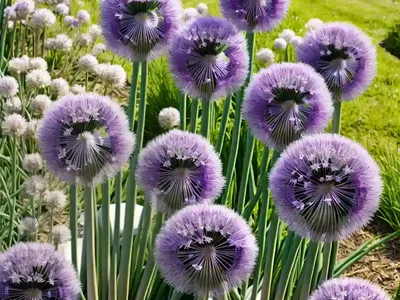
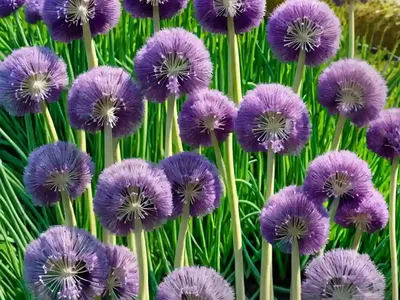
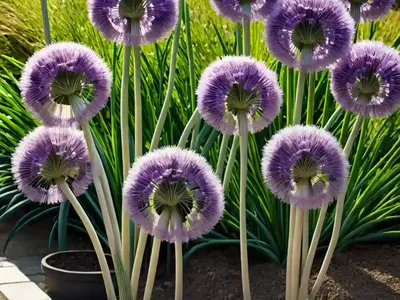
Golden Garlic (Allium Moly)
Golden garlic (Allium moly) is a stunning perennial plant that belongs to the Amaryllidaceae family. Also known as golden garlic, this plant is native to.
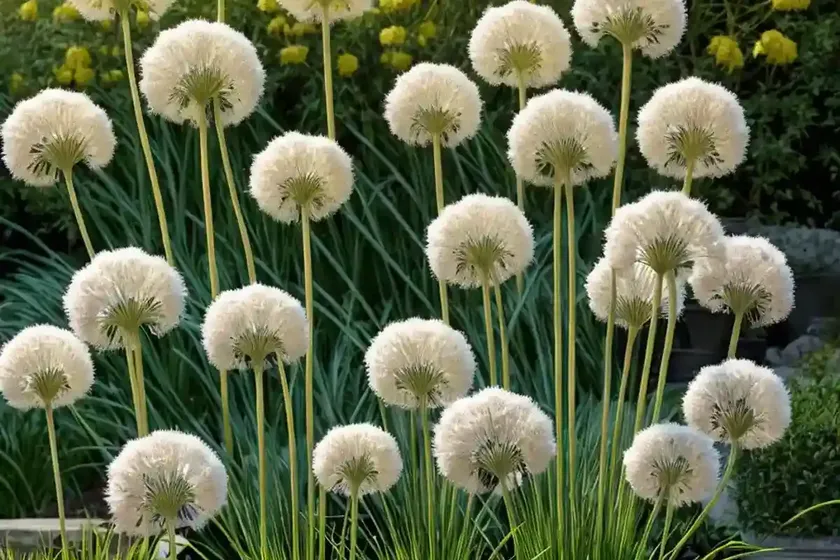
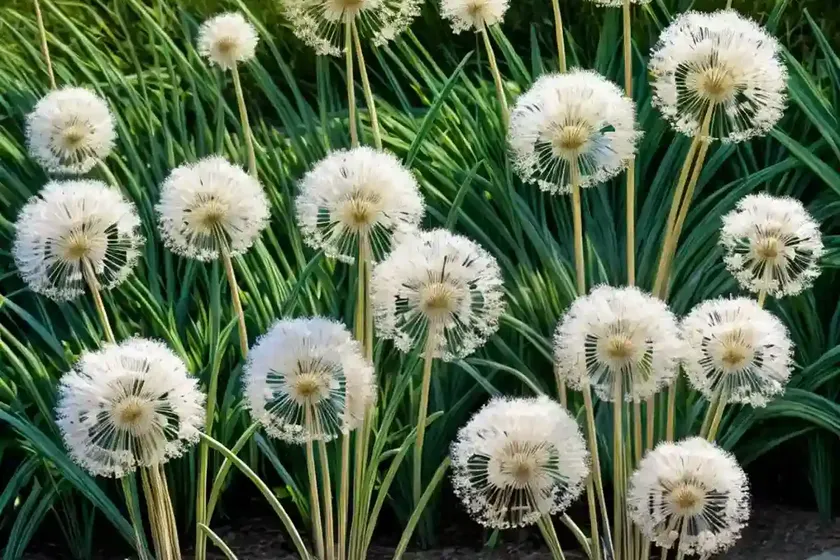
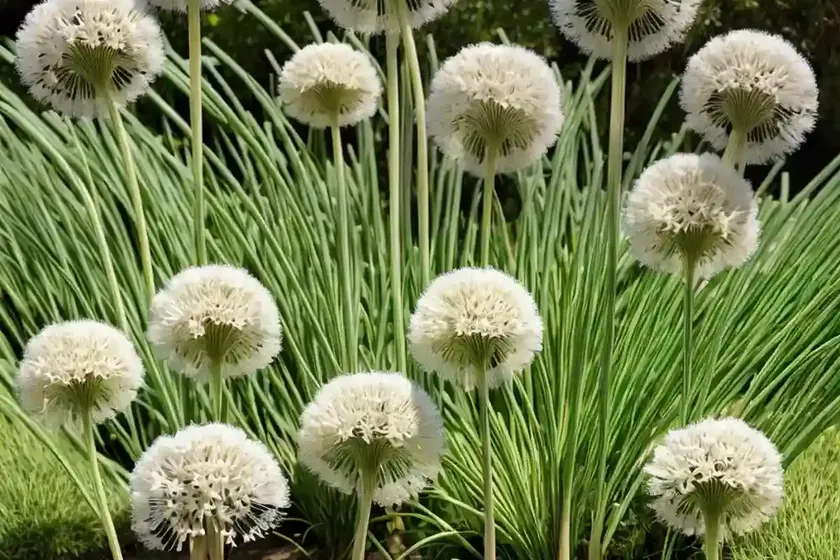
Golden garlic (Allium moly) is a stunning perennial plant that belongs to the Amaryllidaceae family. Also known as golden garlic, this plant is native to southern Europe, thriving in regions with well-drained soil and abundant sunlight. Its golden yellow flowers, characteristic garlic scent, and versatility make it a beloved addition to gardens and landscapes. In this comprehensive guide, we will explore the various aspects of golden garlic, including its culture, uses, care requirements, and more.
What is Golden Garlic (Allium moly)?
Golden garlic (Allium moly) is a species of flowering plant in the onion genus Allium. It is known for its cheerful clusters of small, star-shaped, golden yellow flowers that bloom in late spring and early summer. The plants typically reach a height of 12-18 inches (30-45 cm) and produce dense, grass-like foliage.
The characteristic garlic fragrance emitted by the plant’s leaves and flowers is a distinguishing feature that adds to its allure. This fragrance, reminiscent of culinary garlic, serves as a natural deterrent to pests, making golden garlic an excellent choice for companion planting and pest control in gardens.
Key Takeaways – Golden Garlic (Allium moly)
Before delving into the specifics of cultivating and caring for golden garlic, let’s summarize its key takeaways:
- Common Name: Golden Garlic
- Scientific Name: Allium moly
- Family: Amaryllidaceae
- Flower Color: Golden Yellow
- Fragrance: Garlic-like
- Plant Type: Perennial
- Height: 12-18 inches (30-45 cm)
Now, let’s explore each aspect of golden garlic in detail.
Culture
Understanding the cultural requirements of golden garlic is essential for successfully growing and maintaining this beautiful plant. It is important to consider factors such as water, sunlight, soil, and fertilizer to create an optimal environment for golden garlic to thrive.
Uses
Golden garlic (Allium moly) is a versatile plant that serves multiple purposes in landscaping and gardening. Some of its notable uses include:
- Ornamental Plant: The vibrant golden yellow flowers and fragrant foliage make golden garlic an attractive addition to borders, rock gardens, and naturalized areas.
- Companion Plant: Due to its garlicky scent, golden garlic acts as a natural pest repellent, making it an excellent companion plant for vegetables and herbs susceptible to pest damage.
- Cut Flower: The long-lasting blooms of golden garlic make it an ideal choice for fresh-cut flower arrangements, adding a touch of natural beauty to indoor spaces.
Now, let’s delve into the specific requirements for successfully cultivating golden garlic.
Water
Golden garlic prefers moderately moist soil, especially during the growing and flowering seasons. While it is important not to overwater the plant, consistent moisture is necessary to support healthy growth and flowering. However, it is crucial to ensure that the soil has good drainage to prevent waterlogging, which can lead to root rot.
Sunlight
For optimal growth and flowering, golden garlic requires full to partial sunlight. It thrives in locations that receive at least 6-8 hours of direct sunlight per day. Adequate sunlight not only promotes robust foliage and flower development but also enhances the plant’s natural fragrance.
Fertilizer
When it comes to fertilizing golden garlic, a balanced, all-purpose fertilizer can be applied in early spring as new growth emerges. This can help provide essential nutrients for healthy foliage and vigorous blooming. However, it is important to avoid excessive fertilization, as this can lead to overly lush foliage at the expense of flower production.
Soil
Golden garlic thrives in well-drained, loamy soil with a slightly acidic to neutral pH. Amending heavy clay soils with organic matter can improve drainage and create an optimal growing environment for the plant. Additionally, a layer of mulch around the base of the plant can help retain soil moisture and suppress weed growth.
Pruning
Pruning golden garlic plants is relatively straightforward and primarily involves tidying up the foliage and removing spent flower stalks. After the blooming period, deadheading the flowers can promote a neat appearance and prevent the plant from expending energy on seed production. However, it is important to allow the foliage to die back naturally to replenish the bulbs for the following growing season.
Propagation
Golden garlic can be propagated through division of offsets (small bulblets attached to the parent bulb) or by seed. The division of bulbs is the most common and reliable method for propagating golden garlic. This process is typically carried out in late summer or early autumn when the plants are dormant. The offsets can be carefully separated from the parent bulb and replanted at the appropriate depth in prepared soil.
Container Popularity
While golden garlic is primarily grown in garden beds and naturalized areas, it can also thrive in containers and pots. The vibrant yellow flowers and pleasing fragrance make it a popular choice for adding a touch of natural beauty to balconies, patios, and small urban spaces. When growing golden garlic in containers, it is important to ensure adequate drainage and provide the same cultural requirements as plants grown in the ground.
Container Common Diseases
When growing golden garlic in containers, it is essential to be mindful of potential diseases that can affect the plant. Some common diseases that may impact golden garlic in containers include:
- Botrytis (Gray Mold): Prolonged periods of high humidity and poor air circulation can create favorable conditions for botrytis to develop on the foliage and flowers of golden garlic.
- Fusarium Bulb Rot: This fungal disease can affect the bulbs of golden garlic, leading to rotting and decay. Proper soil drainage and avoiding excessive moisture can help prevent the onset of fusarium bulb rot.
- Root Rot: Overly wet soil or poor drainage in containers can increase the risk of root rot in golden garlic plants. Selecting well-draining potting mix and ensuring proper watering practices can help mitigate this issue.
Disease Diagnosis
Early detection and diagnosis of diseases are crucial for effectively managing and treating potential issues affecting golden garlic plants. Common symptoms of diseases in golden garlic may include:
- Discolored or Wilting Foliage: Changes in the color and texture of the foliage, such as yellowing, browning, or wilting, may indicate the presence of a disease.
- Abnormal Growth Patterns: Stunted growth, distorted foliage, or deformed flowers can be signs of disease or pest infestation.
- Foul Odor or Discharge: Unpleasant odors or abnormal discharges from the plant’s bulbs, stems, or foliage may signal the presence of rot or fungal infections.
Understanding these symptoms and promptly seeking appropriate treatment can help safeguard the health and vitality of golden garlic plants.
Common Pests
Golden garlic’s natural fragrance acts as a deterrent to many common garden pests. However, certain pests may still pose a threat to the plant. Some of the common pests that may affect golden garlic include:
- Thrips: These tiny, slender insects can cause damage to the foliage and flowers of golden garlic, leading to discoloration and distortion.
- Onion Maggots: The larvae of onion flies can feed on the roots and bulbs of allium plants, including golden garlic, potentially causing significant damage.
- Nematodes: These microscopic roundworms can parasitize the roots of golden garlic, leading to stunted growth and reduced plant vigor.
Implementing integrated pest management strategies, such as promoting natural predators and maintaining a healthy garden ecosystem, can help mitigate the impact of these pests on golden garlic plants.
Botanist’s Tips
To ensure the successful cultivation of golden garlic, consider the following botanist’s tips:
- Planting Depth: When planting golden garlic bulbs, ensure they are positioned at a depth of 2-3 times their diameter, typically 3-4 inches (7-10 cm) deep.
- Mulching: Applying a layer of organic mulch around the base of golden garlic plants can help conserve soil moisture, suppress weed growth, and provide insulation during temperature fluctuations.
- Naturalization: In suitable climates, golden garlic can naturalize and form attractive drifts of golden yellow flowers. Consider planting in drifts or clusters for a naturalized effect in garden beds or open spaces.
Fun Facts
To add some fascinating insights about golden garlic, here are some fun facts about this delightful plant:
- Golden garlic (Allium moly) is a prized species for attracting beneficial pollinators, such as bees and butterflies, due to its vibrant flowers and abundant nectar.
- The aromatic foliage of golden garlic can be utilized as a natural insect repellent by rubbing the crushed leaves on the skin to deter mosquitoes and other biting insects.
- In addition to its ornamental value, golden garlic has historical uses in traditional herbal medicine for its purported medicinal properties and as a culinary herb.
- The genus Allium, to which golden garlic belongs, includes an extensive array of species, ranging from culinary onions and garlic to striking ornamental varieties, showcasing the diversity within this plant group.
Links to External Resources
For further information on golden garlic (Allium moly) and related topics, explore the following external resources:
- Royal Horticultural Society – Allium moly
- Missouri Botanical Garden – Allium moly
- The Spruce – Allium moly: Golden Garlic
- North Carolina State University Extension – Allium moly: Golden Garlic
By exploring these resources, you can gain valuable insights and guidance for successfully growing, caring for, and appreciating golden garlic in various gardening settings.
In conclusion, golden garlic (Allium moly) stands out as a charming and versatile plant with ornamental, aromatic, and ecological value. By considering its cultural requirements, uses, and potential challenges, you can cultivate and enjoy the beauty of golden garlic while contributing to a thriving garden ecosystem. Whether you’re a gardening enthusiast, landscape designer, or nature lover, the allure of golden garlic is sure to captivate and inspire.